
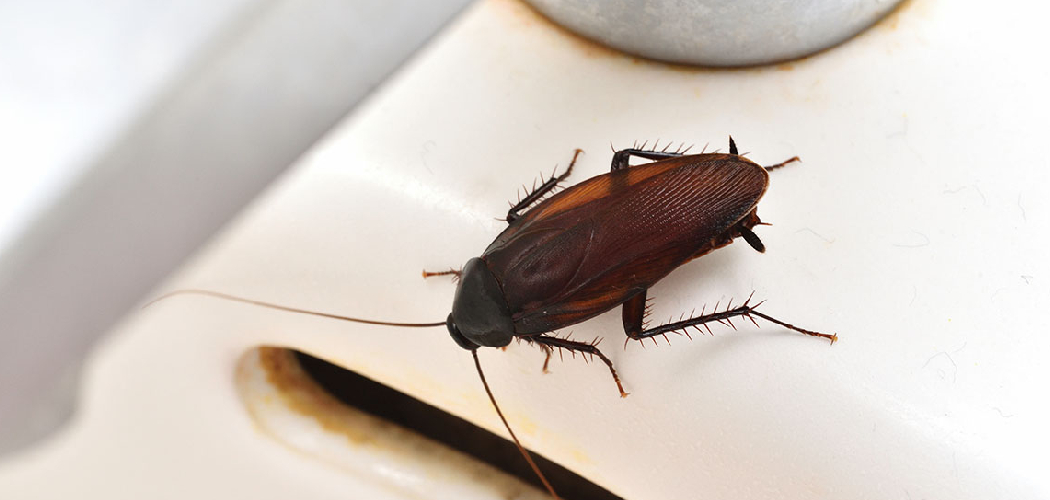
Few things make your stomach drop like opening the dishwasher and spotting tiny bugs scurrying across the racks. Maybe you notice a roach near the drain, or little gnats hovering when you crack the door. It feels gross, but here’s the good news: you can fix this yourself.
Bugs love your dishwasher for simple reasons. It offers warmth, moisture, and leftover food bits, which together create a cozy hideout. Clear out those three things, and the pests lose their reason to stay.
Learning how to get rid of bugs in dishwasher takes no special skills, just a little patience and a few common supplies. You don’t need to call an exterminator or replace your machine.
This guide gives you a clear, beginner-friendly plan to clean out the bugs, scrub away what attracts them, and keep them from coming back.
Why Learning to Get Rid of Bugs in Dishwasher Matters
Knowing how to handle bugs in your dishwasher protects both your food and your peace of mind. A pest problem near your dishes can spread bacteria, leave behind unpleasant odors, and turn into a bigger infestation if you ignore it. Tackling it early keeps your whole kitchen cleaner.
This skill helps far beyond the home kitchen, too. Campers, RV owners, and outdoor beginners often deal with compact appliances in humid, tight spaces where bugs thrive. When you understand pest control and proper sanitation, you can keep any setup fresh, even far from a repair shop.
For homemakers, kitchen enthusiasts, and DIY-minded folks, this know-how saves money and stress. You’ll handle small invasions confidently, protect your family’s health, and maintain better kitchen hygiene year-round. That kind of control feels genuinely empowering.
Tools and Materials You’ll Need
You probably already own most of what this job calls for. Nothing here is fancy or expensive.
Start with a pair of rubber gloves to keep your hands clean and protected while you scrub. A flashlight is a must, since the dishwasher interior stays dark and shadowy, and bugs love to hide in corners you can’t easily see. Keep a few microfiber cloths handy for wiping down surfaces, plus an old toothbrush for digging into tight crevices and the door gasket folds.
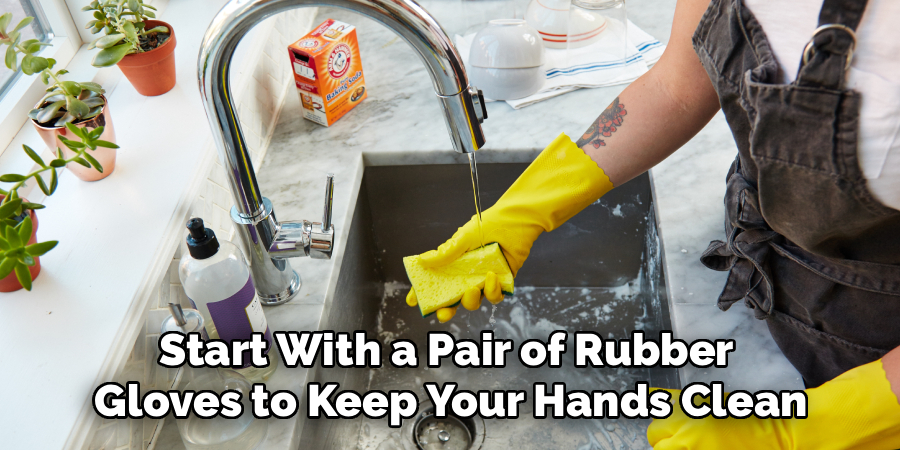
For cleaning power, grab mild dish soap, white vinegar, and baking soda. These three break down food residue and neutralize odor without harsh chemicals. Add a disinfecting cleaner that’s safe for dishwasher interiors to finish the sanitizing. Keep a trash bag close for tossing debris as you work.
One optional convenience item is a small inspection mirror, which helps you peek behind the spray arms and into hidden spots without straining.
Step-by-Step Guide on How to Get Rid of Bugs in Dishwasher
Step 1 – Inspect the dishwasher interior carefully
Before you touch anything, open the door and take a good, slow look inside. Shine your flashlight into every corner, since bugs prefer dark, damp hiding spots you might otherwise miss.
Notice any musty odors that hit you when the door swings open. That smell often signals trapped moisture and food debris, the exact combo pests crave. Scan the bottom near the drain, the edges of the racks, and the door gasket folds.
Look for live bugs, tiny eggs, or small dark droppings clustered in seams. Roaches and gnats especially favor the warm, humid interior. Use your inspection mirror to check behind the spray arms.
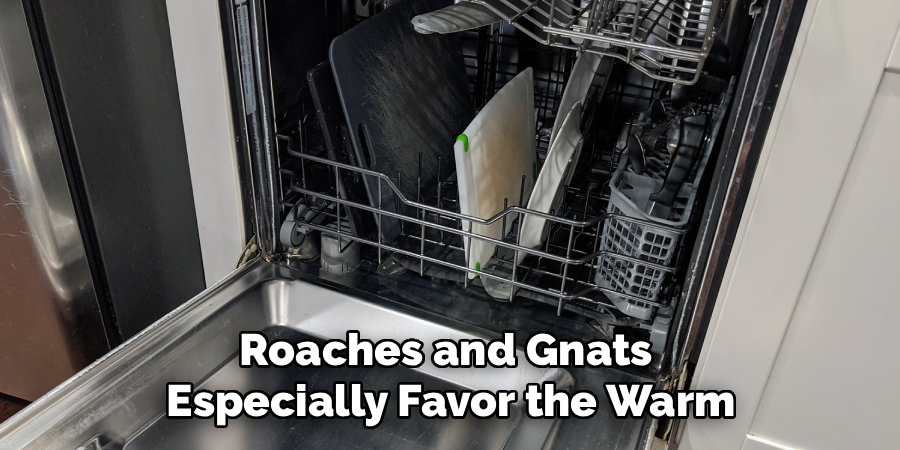
Knowing where they hide tells you exactly where to focus your cleaning, so don’t rush this first look.
Step 2 – Remove all dishes and racks
Now empty the machine completely. Take out any dishes, then slide out the upper and lower racks and the utensil basket. Set them aside on a clean towel near the sink.
This step opens up the whole interior so you can reach every surface. With the racks gone, you’ll spot crumbs and food residue that were hiding underneath, plus any bugs that scatter once their cover disappears.
Check the racks themselves, too. Bits of food often wedge into the tines and corners, giving pests a snack supply. Rinse them under hot water and scrub stubborn spots with your toothbrush.
A clear, empty tub makes the rest of the job far easier. You’ll work faster and miss fewer trouble spots with everything out of the way.
Step 3 – Clean out the filter and drain
The filter and drain area are prime real estate for bugs, so give them extra attention. Twist out the cylindrical filter at the bottom of the tub, following your owner’s manual if you’re unsure how it releases.
You’ll likely find damp filter debris packed with trapped food and grime. The smell here can be strong. Rinse the filter under hot running water, then scrub it gently with dish soap and your toothbrush until the mesh runs clear.
Next, check the drain opening for standing water and stuck crumbs. Scoop out any sludge with a gloved hand or paper towel. Learning how to get rid of bugs in dishwasher really hinges on clearing this spot, since it feeds and waters the pests.
Step 4 – Wipe seals and hidden crevices
With the filter clean, turn to the door gasket and every seam around it. These rubber folds trap moisture, food bits, and grime, making them a favorite nesting spot.
Dampen a microfiber cloth with a mix of warm water and white vinegar. Wipe along the entire gasket, pulling back the folds gently so you reach deep into the creases. You’ll often pull out surprising amounts of dark gunk.
Switch to your toothbrush for the tight corners, hinges, and the lip where the door meets the tub. Scrub firmly to dislodge any eggs or residue buildup tucked in there.
These hidden crevices are easy to overlook, but bugs depend on them. A thorough wipe-down here removes both the pests and the food that keeps them coming back.
Step 5 – Wash the spray arms and interior walls
Lift or unscrew the spray arms if your model allows, then check the little nozzle holes for clogs. Food residue and mineral buildup block these, creating damp pockets bugs adore. Poke each hole clear with a toothpick or your toothbrush bristles.
Now scrub the interior walls, floor, and ceiling of the tub. Use your vinegar-and-water cloth, working from top to bottom so drips fall onto surfaces you haven’t cleaned yet.
Sprinkle baking soda on stubborn stains or sticky spots, then scrub gently for extra lift. Pay attention to corners and the area around the drain again.
The goal is a smooth, residue-free surface with nothing left to attract pests. Wipe everything down one final time so no soap film stays behind.
Step 6 – Run a hot cleaning cycle
With the inside scrubbed, it’s time to sanitize the whole machine. Place a dishwasher-safe bowl filled with white vinegar on the top rack, then start the hottest cycle your dishwasher offers.
The hot water and steam blast away lingering grime, kill bacteria, and flush out any bugs or eggs you missed by hand. You’ll hear the spray arms whir to life and feel warm, humid air when the cycle finishes.
For an extra boost, sprinkle baking soda across the tub floor and run a second short hot rinse. This combo tackles odor and leaves the interior genuinely fresh.
Let the door air-dry afterward instead of closing it right away. Reducing trapped moisture is one of the best moves for lasting pest control.
Step 7 – Address the surrounding kitchen area
Bugs rarely stay put in just one spot, so widen your cleaning to the area around the dishwasher. Pull out the machine if you can reach behind it, and sweep up crumbs and food debris hiding underneath.
Check the cabinet gaps, baseboards, and the floor near the drain hose. Wipe these surfaces with your disinfecting cleaner to remove the scent trails that guide pests back inside.
Seal any obvious cracks or gaps where bugs enter, using caulk if you spot openings near pipes or the wall. This blocks their highway into your appliance.
Knowing how to get rid of bugs in dishwasher means treating the whole environment, not just the tub. A clean perimeter starves the pests and cuts off their routes, making your hard work last much longer.
Step 8 – Monitor and prevent return infestations
Your final step keeps the bugs from staging a comeback. Over the next week or two, check the dishwasher interior every couple of days with your flashlight, watching for any new activity.
Many pests are most active at night, so a late-evening peek often catches them in the act. Look near the drain and door gasket, the usual return spots.
Build simple habits to stay ahead. Scrape plates before loading, run the machine regularly even when it’s not full, and clean the filter monthly. Leave the door cracked after cycles so the interior dries out fully.
If you spot a single bug, act fast with a quick wipe-down before it multiplies. Consistent kitchen hygiene and a dry, crumb-free machine make your dishwasher a place no bug wants to live.
Critical Mistakes When Getting Rid of Bugs in Dishwasher
Even a careful cleaning can fall short if you stumble into a few common traps. The biggest mistake is ignoring the filter and drain. Many people scrub the visible walls but skip these hidden spots, leaving behind the exact food debris and standing water that draw bugs in the first place. If you don’t clear them, the pests simply return within days.
Another frequent error is relying on bug spray inside the machine. Harsh chemical pesticides aren’t safe for surfaces that touch your dishes, and the residue can contaminate your food. Stick with vinegar, baking soda, and dishwasher-safe disinfecting cleaners instead.
People also forget to clean the surrounding area. You can scrub the tub spotless, but if crumbs and nests sit behind or beneath the appliance, the bugs just move back in. Treat the whole zone, including the drain hose and cabinet gaps.
Finally, many folks stop after one cleaning and assume the problem is solved. Bugs lay eggs that hatch later, so skipping the follow-up monitoring lets a new generation take hold. Check regularly for a couple of weeks, and keep up simple prevention habits to make your results stick.
Expert Tips
A few seasoned habits make pest control far easier over time. Run your dishwasher at least two or three times a week, even with a light load, since regular hot cycles flush out residue before it builds up. A machine that sits idle and damp invites trouble fast.
Always scrape plates thoroughly before loading, because leftover food is a bug magnet. A quick rinse for sticky items goes a long way.
Once a month, pull and clean the filter, then run a vinegar cycle to fight odor and grime. Mark it on your calendar so you don’t forget.
Keep the door slightly open after each cycle to let moisture escape. Dry interiors discourage nearly every common kitchen pest, and this single habit prevents most repeat infestations with almost no effort.
Frequently Asked Questions
Why do bugs keep coming back to my dishwasher?
Bugs return because the dishwasher still offers what they need: warmth, moisture, and food. If you clean the visible surfaces but skip the filter, drain, or door gasket, leftover residue keeps drawing them in. Eggs left behind also hatch later. To stop the cycle:
- Clean the filter and drain thoroughly
- Wipe the gasket folds
- Run regular hot cycles
- Keep the door cracked to dry the interior
What kind of bugs live in dishwashers?
Several pests favor dishwashers for their warm, humid conditions. The most common are cockroaches, which hide near the drain and motor, and small flies or gnats drawn to moisture and food debris. You might also spot ants trailing toward crumbs or, occasionally, silverfish. All of them seek the same things: dampness, warmth, and leftover food, which makes consistent cleaning your best defense.
Is it safe to use bug spray inside my dishwasher?
No, you should avoid chemical bug spray inside your dishwasher. The residue clings to surfaces that touch your dishes, which can contaminate your food and pose health risks. Instead, rely on safe, effective options like white vinegar, baking soda, hot water cycles, and disinfecting cleaners labeled safe for dishwasher interiors. These remove pests and their food sources without leaving dangerous chemicals behind.
How often should I clean my dishwasher to prevent bugs?
For solid prevention, clean the filter and run a vinegar cycle once a month. Wipe the door gasket and check the drain every couple of weeks, especially if you’ve had bugs before. Daily habits matter too, like scraping plates before loading and leaving the door cracked to dry. Regular hot cycles, even a few times a week, keep residue and moisture from building up.
Can a dirty dishwasher attract bugs to the rest of my kitchen?
Yes, absolutely. A dishwasher full of food residue, standing water, and warmth acts like a beacon for pests, and once they settle in, they spread to nearby cabinets, baseboards, and counters. The moisture and crumbs create a welcoming base camp. Cleaning the appliance and the surrounding area together cuts off both their food and their pathways, protecting your whole kitchen.
Conclusion
A bug-infested dishwasher feels alarming at first, but you now have everything you need to handle it yourself. No exterminator, no panic, just a clear plan and a little elbow grease.
Keep the order in mind. Inspect the interior, empty the racks, and clean out the filter and drain where pests feed and hide. Wipe the seals, scrub the spray arms and walls, then run a hot vinegar cycle to sanitize everything. Finish by cleaning the surrounding area and watching for any return activity.
The real secret is consistency. Bugs thrive on moisture, warmth, and leftover food, so a dry, crumb-free machine simply gives them nowhere to live. Scrape your plates, run regular cycles, and crack the door to dry the interior.
Now you know exactly how to get rid of bugs in dishwasher and keep them gone for good. So the next time you spot an unwelcome visitor, grab your gloves and tackle it with confidence. Your kitchen stays cleaner, healthier, and entirely under your control.

About
Nick Hall has spent the last seven years working at the intersection of kitchen design and home repair — first as a design assistant at a residential renovation studio, then as a freelance writer covering everything from cabinet layouts to leaky faucet fixes.
Her approach is simple: kitchens should look good and function well. That means she’s just as comfortable talking about color palettes and counter materials as she is walking readers through how to fix a wobbly cabinet hinge or troubleshoot a garbage disposal.
Nick has worked directly with homeowners on small-space kitchen makeovers, budget-conscious renovations, and the kind of everyday repairs that don’t need a contractor — just the right instructions. She writes from experience, not theory, and tests most of the fixes and tips she shares before publishing them.
When she’s not writing, Nick is usually hunting for mid-century kitchen finds at estate sales or helping friends plan their own renovations. She lives in Columbus, Ohio.