
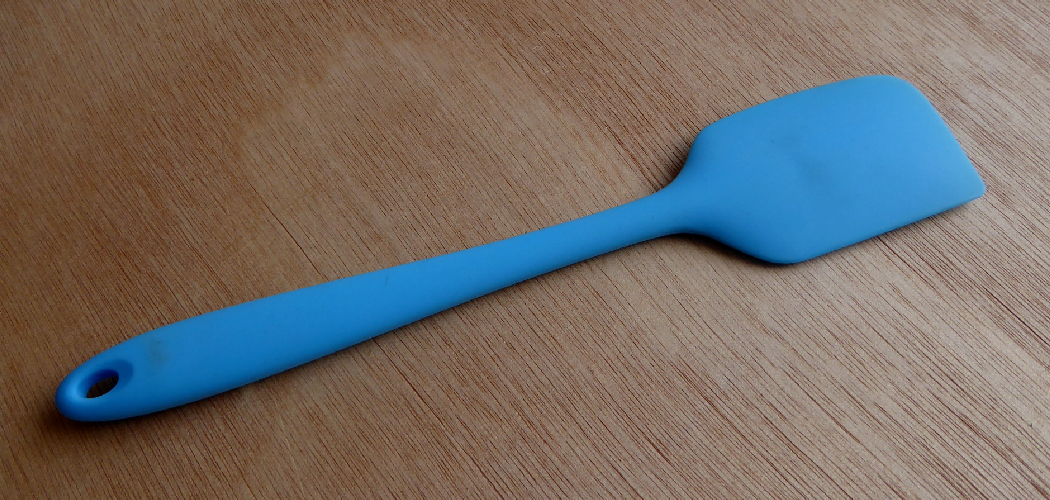
A spatula might look like the simplest tool in your kitchen drawer, but using it well makes a real difference in how your food turns out. From flipping pancakes to scraping the last bit of batter from a bowl, this humble cooking utensil does more work than you might expect. If you’ve ever torn an egg or scratched your favorite pan, you already know that technique matters.
Learning how to use a spatula properly saves you from messy mistakes and ruined meals. It also helps your cookware last longer and keeps your cooking smooth and stress-free. The good news? Anyone can master it with a little practice.
This guide walks you through everything you need to know, step by step, so you can handle any spatula like a confident home cook.
Why Learning Proper Spatula Skills Matters
Good spatula skills change the way you cook. When you know how to slide, lift, and flip with control, your food stays intact and looks better on the plate. No more crumbled fish fillets or pancakes folded in half by accident.
There’s a practical side too. Using the right spatula the right way protects your non-stick pan from scratches and gouges. That means your cookware stays in good shape for years instead of wearing out fast.
For beginners and DIY cooks, this skill builds confidence. Once you trust your hands and your tools, you stop second-guessing every move at the stove. Cooking becomes faster, cleaner, and far more enjoyable. A small skill like this quietly improves nearly every meal you make.
Tools and Materials You’ll Need
Before you start, gather a few basics. You don’t need anything fancy, just the right gear for the job.
- Flat turner spatula – for flipping eggs, pancakes, and burgers
- Silicone spatula – heat-resistant and gentle on non-stick surfaces
- Rubber or scraper spatula – ideal for mixing batter and scraping bowls
- Offset spatula – great for spreading frosting or lifting delicate items
- Non-stick or stainless steel pan – your main cooking surface
- Cooking oil or butter – helps food release cleanly
- Heat-safe spoon rest (optional) – keeps your counter clean between flips
Choose silicone or nylon spatulas if you cook mostly in non-stick pans. Metal spatulas work best with cast iron or stainless steel. Having a couple of different kitchen tools on hand means you’re ready for any recipe.
Step-by-Step Guide on How to Use a Spatula
Step 1 – Choose the Right Spatula for the Job
Start by matching your spatula to the task. A wide, flat turner handles pancakes and eggs, while a slim offset spatula lifts delicate cookies without breaking them. For mixing and scraping, reach for a flexible rubber one.
The material matters just as much as the shape. Silicone and nylon glide gently across a non-stick pan, while metal spatulas stand up to the heat of cast iron. Pick wrong, and you risk scratched cookware or torn food.
Hold the spatula in your hand and feel its weight. A comfortable grip gives you better control. When the tool fits the job, every flip and scrape feels natural and smooth, almost like an extension of your own hand.
Step 2 – Preheat Your Pan Properly
A hot pan is your best friend. Place it over medium heat and give it a minute or two to warm up before adding any oil. You’ll know it’s ready when a drop of water sizzles and dances across the surface.
Add a thin layer of oil or a pat of butter, then let it shimmer. This step prevents food from sticking, which makes flipping far easier later on.
Skipping the preheat is a common slip-up. A cold pan grabs onto food and makes a mess no spatula can save. Listen for that gentle sizzle when your ingredients hit the surface. That sound tells you the temperature is right and your spatula will glide underneath with ease.
Step 3 – Hold the Spatula at the Right Angle
Grip the handle firmly but not too tight. Keep your wrist relaxed so you can move freely. Hold the spatula at a low angle, almost parallel to the pan, so the thin edge can slide right under your food.
A steep angle pushes food forward instead of lifting it. A flat approach lets the blade ease beneath the surface cleanly. Think of it like sliding a card under a coaster.
This angle gives you the leverage you need without crushing whatever you’re cooking. Practice the motion a few times in an empty pan first. Once your wrist learns the feel, slipping under an egg or burger becomes second nature.
Step 4 – Slide Under Gently to Lift Food
Patience pays off here. Wait until the underside of your food has cooked enough to hold together. If it resists when you nudge it, give it a few more seconds.
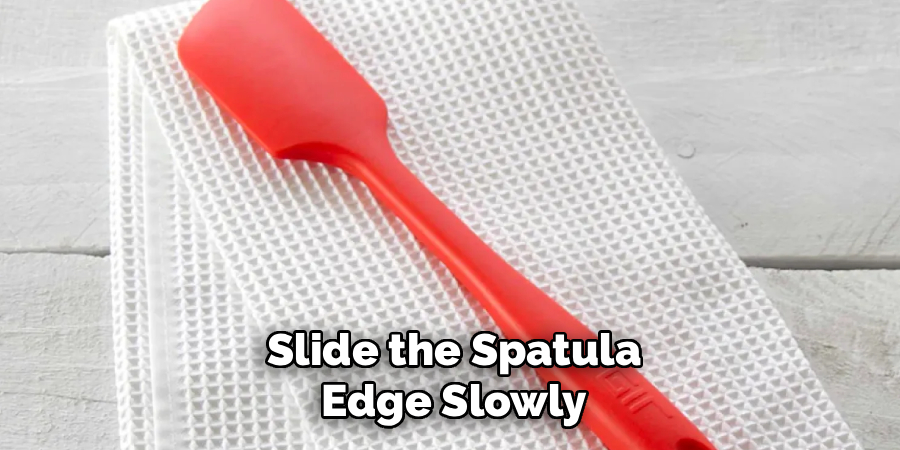
Slide the spatula edge slowly under the food, keeping it flat against the pan. You’ll feel a slight release when it’s ready to lift. Don’t force it, or you’ll tear delicate items like fish or fried eggs.
Once it’s free, lift in one smooth motion. The food should rest evenly on the spatula’s surface. This gentle lifting is the heart of good spatula techniques and the secret behind perfectly intact pancakes, omelets, and golden grilled cheese.
Step 5 – Master the Flip
Flipping is where many cooks freeze up, but it’s easier than it looks. Once your food sits balanced on the spatula, give your wrist a quick, confident turn. Aim to land the food back in the same spot.
Keep the flip low to the pan. A high toss leads to splatters and missed landings. A short, controlled motion keeps everything tidy.
Speed and timing matter more than force. Hesitation often causes a flop, so commit to the move. Knowing how to use a spatula for flipping turns nervous moments into smooth, satisfying ones. After a few tries, you’ll flip eggs and burgers without a second thought.
Step 6 – Use the Edge for Scraping
Your spatula isn’t only for flipping. The flat edge works wonders for scraping stuck bits off the pan or cleaning out a mixing bowl. A flexible silicone or rubber spatula bends into corners and curves with ease.
Press the edge gently against the surface and pull toward you in steady strokes. You’ll feel the resistance give way as the food lifts. This keeps your cooking neat and reduces waste.
For batters and sauces, scraping helps you get every last drop. No more leaving good food behind in the bowl. This simple scraping habit makes baking and mixing cleaner, faster, and far less wasteful in your everyday cooking.
Step 7 – Spread and Smooth with Control
Spatulas shine when you need to spread. An offset spatula smooths frosting on a cake, while a flat one evens out batter in a pan. Light, steady pressure gives you a clean, professional finish.
Move in long, gentle strokes rather than short jabs. This keeps surfaces even and prevents tearing soft foods. For frosting, dip the blade in warm water first for a glassy smooth result.
Take your time and let the tool do the work. Rushing leads to uneven layers and messy edges. With a little patience, this cooking utensil helps you create dishes that look as good as they taste.
Step 8 – Clean and Store Your Spatula
Caring for your spatula keeps it working well for years. Wash it soon after use so food doesn’t dry on. Most silicone and nylon spatulas are dishwasher-safe, but a quick hand wash works just as well.
Check for warped edges or melted spots, especially on plastic ones. Damaged spatulas can scratch your pan or leave bits in your food.
Store them upright in a jar or flat in a drawer where the blades stay protected. Keep metal and non-stick spatulas separate to avoid nicks. A clean, well-kept set of kitchen tools is always ready when you need it.
Critical Mistakes to Avoid When Using a Spatula
Even simple tools come with common traps. The first mistake is using metal on non-stick surfaces. Those sharp edges scratch the coating, which ruins your pan and can leave flecks in your food. Stick with silicone or nylon for non-stick cookware, and save metal for cast iron or stainless steel.
Another frequent slip is flipping too soon. If you rush before the underside sets, your food tears apart and sticks to the pan. Wait for that natural release and you’ll get clean, whole flips every time.
Many cooks also press down hard on their food while flipping burgers or patties. This squeezes out the juices and leaves you with dry, flat results. Let the food cook on its own and resist the urge to push.
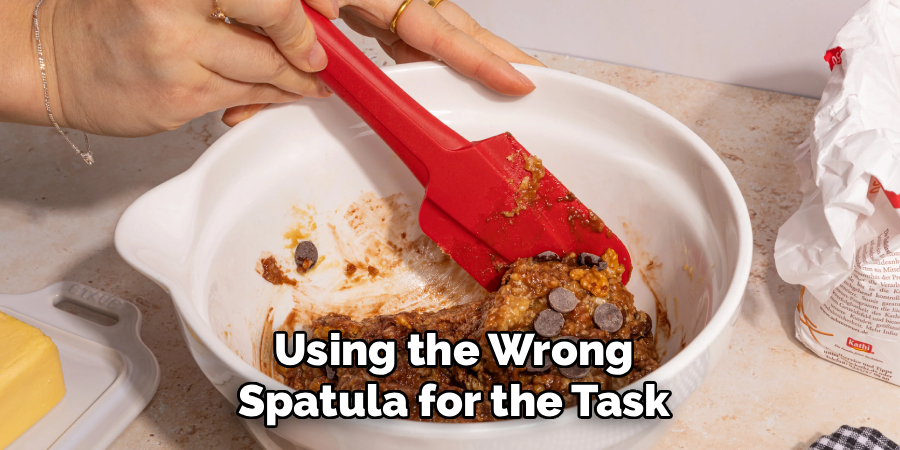
Using the wrong spatula for the task causes trouble too. A stiff turner won’t scrape a bowl, and a floppy rubber one can’t lift a heavy burger. Match the tool to the job.
Finally, ignoring heat damage is risky. Melted or warped spatulas contaminate food and lose their shape. Check yours regularly and replace any that show wear.
Expert Tips
Want to level up your skills? Keep two spatulas within reach while cooking, one for flipping and one for scraping. Switching tools mid-recipe saves time and keeps your hands free.
Warm your metal spatula slightly before lifting delicate foods like fish. A warm edge slides under more smoothly and reduces sticking.
Always let food tell you when it’s ready. If it lifts easily, it’s done on that side. If it clings, give it more time. Forcing it never works.
For baking, a thin offset spatula gives you bakery-level precision when frosting cakes or lifting cookies. And when scraping bowls, use a soft silicone blade to catch every bit of batter. These small habits build real confidence at the stove and make your cooking cleaner and more enjoyable.
Frequently Asked Questions
What is the best type of spatula for beginners?
A silicone flat turner is the best all-around choice for beginners. It’s heat-resistant, gentle on non-stick pans, and flexible enough for flipping eggs, pancakes, and burgers. Silicone won’t scratch your cookware, which makes it forgiving while you learn. Many cooks start with one good silicone spatula and add specialty types, like an offset or scraper, as their skills and recipes grow.
Can I use a metal spatula on a non-stick pan?
No, you should avoid metal spatulas on non-stick surfaces. The hard edges scratch and chip the coating, which shortens your pan’s life and can release flecks into your food. Instead, choose:
- Silicone spatulas for gentle, heat-safe flipping
- Nylon spatulas for everyday cooking
- Wooden spatulas for stirring
Save your metal spatulas for cast iron or stainless steel pans.
How do I stop food from sticking to my spatula?
Food sticks when your pan or spatula is too cold or too dry. Preheat the pan properly and add enough oil or butter before cooking. Wait for the food to develop a cooked crust before lifting, since it releases naturally once ready. For sticky batters, a quick rinse in warm water helps your spatula glide cleanly through soft mixtures.
What spatula should I use for flipping eggs?
Use a thin, flexible silicone or nylon turner for eggs. The slim edge slides under delicate whites without tearing them, and the flexible blade follows the curve of the pan. Keep the angle low and lift gently once the underside sets. This gives you clean, intact fried eggs and folds soft omelets without breaking them apart.
How do I keep my spatula in good condition?
Wash your spatula soon after cooking so food doesn’t harden on it. Check regularly for melted edges, cracks, or warping, especially on plastic and silicone types. Store spatulas upright in a jar or flat in a drawer to protect the blades. Keep metal and non-stick spatulas apart to avoid nicks. Well-kept kitchen tools last longer and perform better.
Conclusion
Mastering this small but mighty tool truly transforms the way you cook. Once you understand the basics, every flip, scrape, and spread becomes smoother and more satisfying. You stop fighting your food and start working with it.
Remember the key takeaways: match the right spatula to each task, preheat your pan, hold the tool at a low angle, and wait for that natural release before you flip. Treat your non-stick cookware gently, avoid pressing down on your food, and keep your spatulas clean and undamaged.
These simple habits protect your cookware, reduce waste, and give you better results with almost no extra effort. Best of all, they build the kind of confidence that makes cooking fun instead of frustrating.
Now that you know how to use a spatula with skill and care, grab one and put these tips to work. Start with something easy, like flipping pancakes, and watch your technique improve with every meal. Happy cooking, and enjoy the difference good spatula skills make.
