
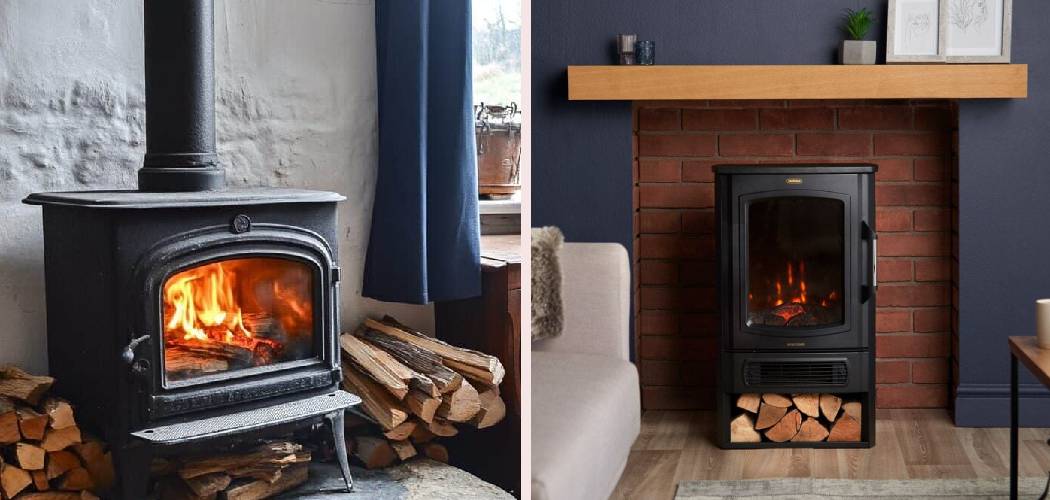
A wood stove works hard all season, and it shows. Soot smudges, fine ash dust, and a film of surface grime slowly dull that once-shiny finish until your stove looks tired and neglected.
Good news: you can bring it back to life yourself. Knowing how to clean wood stove exterior surfaces is a simple skill that protects your appliance, prevents rust, and keeps it heating efficiently. You don’t need a technician or fancy products.

With a few household supplies and a little care, you can wipe away grime, polish cast iron, and restore that warm, welcoming glow. The right approach also keeps the metal safe from scratches and moisture damage.
This guide walks you through every step so you can clean your wood stove safely, confidently, and without damaging its finish.
Why Keeping a Wood Stove Exterior Clean Matters
A clean stove isn’t just about looks, though a tidy appliance certainly brightens any room. Soot buildup and ash dust trap moisture against the metal, which speeds up surface rust and shortens your stove’s life.
This skill matters even more in tight quarters. Campers, RV users, cabin owners, and outdoor beginners often run heating appliances in compact spaces where dust and grime gather fast and ventilation is limited. Regular wiping keeps the air cleaner and the finish protected.
There’s a performance side too. A grimy, dusty exterior can dull heat output, while a clean cast iron stove radiates warmth more efficiently. Caring for the outside also helps you spot small problems early, like loose seams or worn handles. A few minutes of cleaning protects both appearance and function for years.
Tools and Materials You’ll Need
The best part? You likely have most of this already.
Start with a soft brush, like a paintbrush or a dedicated dusting brush, to sweep away loose ash dust without scratching. Keep a stack of microfiber cloths nearby, since they lift grime gently and leave no lint behind. You’ll also want a bucket of warm water and a small amount of mild soap to mix a gentle cleaning solution.
Lay down a drop cloth or old towels to catch falling soot and protect your floor. A pair of rubber gloves keeps your hands clean, and a dry towel handles the final buff. For stubborn spots on painted surfaces, a slightly damp cloth does the trick.
If you want one optional convenience item, grab a tin of stove polish to restore a deep, lasting shine on cast iron after cleaning.
Step-by-Step Guide on How to Clean Wood Stove Exterior
Step 1 – Let the Stove Cool Completely
Safety comes first, always. Never touch a warm stove with a damp cloth, because the heat can burn your hands and cause water to hiss, spit, and even crack a heated finish.
If you’ve used the stove recently, wait several hours or overnight until every surface feels cool to the touch. Press the back of your hand near the door and the top plate to be sure.

Use this waiting time wisely. Gather your supplies, open a window for fresh air, and let any lingering warmth fade. A cool surface lets cleaning products work properly instead of evaporating on contact. Once the cast iron feels room-temperature and the firebox has gone fully cold, you’re ready to start the real work safely.
Step 2 – Lay Down a Drop Cloth
Now protect your space. Spread a drop cloth or a few old towels around the base of the stove, covering the floor and any nearby furniture.
Cleaning stirs up loose soot and fine ash dust, and that dark powder drifts further than you’d expect. A simple cloth saves you from scrubbing grimy streaks off your floorboards or rug later.
Tuck the cloth right up against the stove’s feet so nothing slips underneath. If your stove sits on a hearth pad, cover that too, since soot smudges show easily on light stone or tile. Keeping a tidy workspace also helps you focus on the stove itself. A little prep now means an easy, mess-free cleanup once you’ve finished the job.
Step 3 – Remove Loose Ash and Soot Dust
Start dry, never wet. Take your soft brush and gently sweep away the loose ash dust and soot buildup clinging to the exterior.
Work from the top down so falling debris lands on areas you haven’t cleaned yet. You’ll see a powdery cloud lift away, revealing the duller grime underneath. Brush along the flat top, down the sides, and around the legs.
Removing this dry layer first is key to learning how to clean wood stove exterior surfaces the right way. If you skip it and go straight to water, that loose soot turns into a muddy smear that’s far harder to wipe off. Keep your strokes light and steady, letting the bristles do the work. Once the dust is gone, the real grime becomes much easier to tackle.
Step 4 – Mix a Gentle Cleaning Solution
Keep it simple and mild. Fill a bucket with warm water and add just a small squirt of mild soap, swirling until you see light suds.
You don’t need harsh chemicals here. Strong cleaners can strip a painted stove surface or dull a heat-resistant finish, so gentle is always better. The warm water loosens grime while the mild soap cuts through greasy soot residue.
Stir the mix and check the temperature with your finger; it should feel pleasantly warm, not hot. Dampen a microfiber cloth in the solution, then wring it out well so it’s barely wet. A soaking-wet cloth drips water into seams and invites rust. With your gentle solution ready and your cloth properly wrung, you can move on to the surfaces themselves.
Step 5 – Spot-Test Painted or Cast-Iron Surfaces
Before you wipe everywhere, play it safe. Pick a small, hidden spot, like a lower back corner, and gently rub it with your damp cloth.
You’re checking two things. First, make sure the cleaning solution lifts grime without dulling, streaking, or removing any paint or finish. Second, confirm the surface looks even after it dries.
Wait a minute, then look closely in good light. If the test area stays smooth and the color holds true, you’re clear to clean the whole stove. If you notice fading or flaking on a painted stove surface, switch to a barely damp cloth with plain water instead. This quick check takes under a minute but protects your stove’s appearance from an accidental mistake.
Step 6 – Wipe Away Grime Carefully
Now for the satisfying part. Working in small sections, wipe the exterior with your wrung-out microfiber cloth, using gentle, even strokes.
You’ll feel the grime lift and see the cloth darken as it pulls away soot and dust. Rinse the cloth in your bucket often, then wring it out again, so you’re removing dirt instead of smearing it around. Follow the natural lines of the cast iron stove for an even finish.

Pay attention around raised details and decorative ridges, where grime hides. Don’t soak the metal; a light, damp pass is all it takes. If one spot resists, let the damp cloth rest there a moment to soften the residue, then wipe again. Patience here gives you a clean, streak-free surface without harsh scrubbing.
Step 7 – Dry Thoroughly to Prevent Rust
Don’t skip this step. Moisture is the enemy of cast iron, so grab a clean, dry towel and buff every surface you just cleaned.
Work over the top, sides, legs, and especially any low spots where water might collect. You’ll feel the metal turn from cool and damp to dry and smooth under the towel. Even a thin film of leftover water can trigger surface rust within hours.
Knowing how to clean wood stove exterior metal properly means treating drying as seriously as washing. Open a window or let warm air circulate to help any hidden moisture evaporate. Run your hand across the finish to check for damp patches you missed. Once everything feels completely dry to the touch, your stove is protected and ready for the finishing touches.
Step 8 – Polish and Check Vents, Handles, and Seams
Time for the final flourish. If your stove has bare cast iron, apply a thin layer of stove polish with a soft cloth, then buff with dry buffing strokes until it gleams with a deep, even shine.
Skip polish on painted surfaces; a simple dry cloth keeps those looking their best. As you finish, inspect the details you might have rushed past.
Check the air vents for trapped ash, wipe around the stove door handle where hands leave grime, and run a cloth along the seams where residue loves to hide. A cotton swab reaches tight corners nicely. These small spots make a big difference, leaving your stove fully clean, protected, and looking cared for from every angle.
Critical Mistakes When Cleaning a Wood Stove Exterior
A few common slip-ups can undo your hard work, so let’s clear them up before you begin.
The biggest mistake is cleaning while the stove is still warm. Heat can burn your hands and cause water to spit or crack a heated finish. Always wait until every surface feels completely cool, no exceptions.
Another frequent error is reaching for water before removing dry soot. Wet a dusty surface and you create a muddy paste that smears deep into the metal and takes ages to remove. Always brush away loose ash dust first, then move on to your damp cloth.
Many people also use harsh chemicals or abrasive scrubbers. Strong cleaners strip painted surfaces and dull a heat-resistant finish, while rough pads leave scratches that trap grime and invite rust. Stick to mild soap, warm water, and a soft microfiber cloth.
Leaving the metal wet is another big misstep. Cast iron rusts fast, so skipping a thorough dry-down practically guarantees orange spots within a day. Buff every surface dry before you walk away.
Finally, don’t ignore the hidden spots. Vents, handles, and seams collect soot you can’t see at a glance, and skipping them leaves your stove looking half-done.
Expert Tips
Want to keep cleaning quick and easy? Give the exterior a light dusting with a soft brush every week during heating season. Catching ash dust early means grime never gets the chance to build up and harden.
Always store your stove polish and cleaning cloths together in one spot near the stove, so a quick touch-up never feels like a chore. A two-minute wipe beats an hour of scrubbing later.
For cast iron, a yearly coat of polish keeps the finish rich and adds a protective layer against rust. Apply it at the start of the cold season when the stove is cool and freshly cleaned.
Keep a dedicated cotton swab or small brush handy for vents and seams, since those tight spaces hold the most hidden residue. Tackling them regularly keeps both the look and the airflow in top shape.
Frequently Asked Questions
How often should I clean my wood stove exterior?
It depends on use. During heating season, give it a light dusting with a soft brush once a week to control soot buildup and ash dust. Plan a deeper clean with mild soap and a damp cloth once a month. A thorough wash and polish at the start and end of the cold season keeps the finish protected and looking its best all year.
Can I use water on a cast iron stove?
Yes, but use it sparingly. Dampen a microfiber cloth with warm water and a little mild soap, then wring it out well so it’s barely wet. Wipe gently, then dry the metal thoroughly right away. Cast iron rusts quickly when moisture lingers, so the drying step matters just as much as the washing. Never soak the surface or let water pool in seams.
What’s the best way to remove stubborn soot?
For stubborn soot that won’t budge, try these steps:
- Brush away all loose dust first with a soft brush.
- Press a barely damp, warm, soapy cloth onto the spot for a few seconds to soften it.
- Wipe gently, then repeat rather than scrubbing hard.
This patient approach lifts grime without scratching the finish or stripping any paint.
Do I need special stove polish?
Not always. Stove polish is mainly for bare cast iron, where it restores a deep shine and adds rust protection. Look for a heat-resistant product made specifically for wood stoves, and apply a thin layer with a soft cloth once the stove is cool and clean. Skip polish on painted surfaces, since a simple dry buff keeps those looking great without any product.
How do I prevent rust on my stove?
Rust prevention comes down to moisture control. Always dry the exterior completely after cleaning, paying attention to seams and low spots where water collects. Keep the stove in a dry room, and wipe up any spills or condensation quickly. For bare cast iron, a thin coat of stove polish adds a protective barrier. Regular dusting also stops soot from trapping moisture against the metal.
Conclusion
Bringing your stove back to life is far easier than it looks, and now you have a clear routine to follow. Let it cool fully, lay down a drop cloth, brush off loose ash and soot, mix a gentle solution, spot-test, wipe away grime, dry thoroughly, then polish and check the hidden spots.
Hold on to the key points. Always start with a cool stove, remove dry dust before adding any water, skip harsh chemicals and abrasive pads, and dry every surface to keep rust away.
Once you’ve mastered how to clean wood stove exterior surfaces, you’ll keep your appliance looking warm and well cared for season after season. It’s a quick, low-cost habit that protects the metal, boosts heat efficiency, and brightens your whole room.
So grab your soft brush, mix a little warm water with mild soap, and give your stove the fresh, gleaming finish it deserves. Your space will feel cozier, your stove will last longer, and you’ll take real pride in a job done yourself.

About
Nick Hall has spent the last seven years working at the intersection of kitchen design and home repair — first as a design assistant at a residential renovation studio, then as a freelance writer covering everything from cabinet layouts to leaky faucet fixes.
Her approach is simple: kitchens should look good and function well. That means she’s just as comfortable talking about color palettes and counter materials as she is walking readers through how to fix a wobbly cabinet hinge or troubleshoot a garbage disposal.
Nick has worked directly with homeowners on small-space kitchen makeovers, budget-conscious renovations, and the kind of everyday repairs that don’t need a contractor — just the right instructions. She writes from experience, not theory, and tests most of the fixes and tips she shares before publishing them.
When she’s not writing, Nick is usually hunting for mid-century kitchen finds at estate sales or helping friends plan their own renovations. She lives in Columbus, Ohio.