
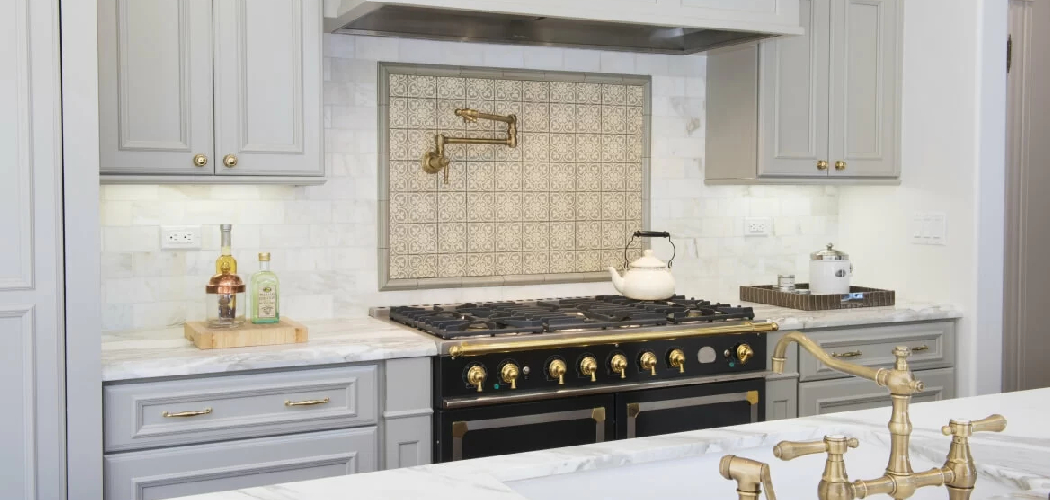
A clean backsplash and uncluttered counter can make your kitchen feel larger, calmer, and more polished. That is why so many homeowners search for how to hide outlets in kitchen designs without giving up safety or convenience. The good news is that you do not need a luxury remodel to make outlets less visible. With the right planning, you can blend them into cabinets, backsplashes, islands, or trim so they work well and fade into the background.

This guide will show you beginner-friendly ways to conceal kitchen outlets while keeping your space practical, code-aware, and easy to use.
Why Hide Outlets
Hiding outlets matters because small visual details shape the whole look of a kitchen. Standard wall plates can interrupt a beautiful tile backsplash, stand out against custom cabinetry, or make a sleek modern design feel busy. When you reduce that visual noise, the room feels more intentional and refined.
It also helps with function. Better outlet placement can free up prep zones, reduce cord clutter, and make appliance use feel more natural. In some kitchens, concealed outlets on islands, under cabinets, or inside appliance garages simply work better than standard eye-level placements. If you are updating your kitchen, this is one of those changes that can improve both style and daily use without changing the entire layout.
Tools & Materials
Before you start, gather the right items for planning, measuring, and installation. The exact list will depend on whether you are repainting plates, adding under-cabinet power, or working with a licensed electrician on new outlet placement.
- Tape measure
- Pencil or painter’s tape for marking locations
- Screwdriver
- Level
- Matching outlet covers or paintable cover plates
- Tile-safe caulk or color-matched sealant, if needed
- Under-cabinet or pop-up outlet kit, if part of your plan
- Stud finder for wall adjustments
- Voltage tester for safety checks
- Cleaning cloth to prep surfaces
- Optional: sample paint or finish swatches to help match covers to cabinets, walls, or backsplash tile
Step-by-Step Guide on How to Hide Outlets in Kitchen
Step 1 – Study your kitchen from normal viewing angles
Start by standing where you usually enter the kitchen. Then look at the room from the sink, island, and dining area. You are trying to spot which outlets pull your eye first and which ones already blend in. This first pass helps you focus on the places that affect the look of the room most.
Pay attention to the backsplash line, cabinet ends, and island sides. A bright white plate on dark tile will stand out right away, while a side-mounted outlet may barely register. Take a few photos on your phone. Pictures often reveal visual clutter that you miss in person, especially when you are used to seeing the space every day.
Step 2 – Check safety rules before changing anything
A kitchen is not the place for guesswork. Outlets near sinks, prep zones, and countertops often need to meet electrical code requirements, including GFCI protection and spacing rules. If you plan to move an outlet, replace a standard one with a recessed option, or add hidden power under cabinets, review your local code first and call a licensed electrician when needed.
This step protects more than your design. It protects your home and the people using the space. A hidden outlet still needs to stay accessible, safe from moisture, and suitable for the appliances you use. If your goal is how to hide outlets in kitchen upgrades without problems later, code compliance should guide every choice.

Step 3 – Choose the best hiding method for each area
Not every outlet should be hidden the same way. For a tile backsplash, a color-matched cover plate may be enough. For an island, a side-mounted outlet placed low and out of direct sight can work well. For coffee stations or mixer zones, an appliance garage with power inside may be the cleanest option.
Think in zones instead of one blanket solution. Your cooking area, prep area, and small-appliance area all have different needs. A pop-up outlet may suit an island, while an under-cabinet power strip may fit a long backsplash better. When the hiding method matches how you actually use the space, the result feels smooth and intentional instead of forced.
Step 4 – Match covers and finishes to surrounding surfaces
One of the easiest ways to reduce outlet visibility is to stop making them contrast with everything around them. A bright plastic plate on stone, wood, or handmade tile will usually look louder than it needs to. Swapping in paintable covers, tile-matched plates, or low-profile screwless plates can make a dramatic difference with very little work.
Look closely at undertones. A cabinet may seem white, but it could lean warm cream, cool gray, or soft beige. Tile can have subtle flecks that affect what “matches” best. Test finishes in daylight and evening light before deciding. The closer the plate color and sheen are to the surrounding material, the less your eye will stop there.
Step 5 – Use under-cabinet power for a cleaner backsplash
If you are remodeling or making a larger update, under-cabinet outlets are one of the best ways to keep a backsplash visually clean. These systems sit beneath upper cabinets, often tucked behind a small lip or angled strip, so they stay useful without interrupting the wall surface. From across the room, the backsplash reads as one continuous plane.
This option is especially helpful if you invested in statement tile, slab stone, or a carefully planned grout pattern. It lets the material shine without plastic plates breaking up the view. Many homeowners exploring how to hide outlets in kitchen remodels choose this route because it balances beauty with everyday access for toasters, blenders, and coffee makers.
Step 6 – Place island outlets where they stay functional but discreet
Kitchen islands need power, but that does not mean outlets must sit at the most visible point. A smart placement choice can make them nearly disappear. Instead of centering them on the side panel, consider locating them closer to the stool side return, lower on the panel, or integrated into a trim detail where they are less obvious from the main sightline.
You still need easy reach for small appliances and charging. Do not hide the outlet so well that plugging something in becomes awkward. Walk around the island and imagine using a mixer, laptop, or slow cooker. The best hidden placement feels natural when you need it and invisible when you do not.
Step 7 – Conceal small-appliance outlets inside cabinets or garages
Some of the messiest kitchen cords come from appliances that live in the same spot every day. Coffee machines, toasters, and mixers often do not need a visible backsplash outlet if they can plug in inside an appliance garage or dedicated cabinet niche. This keeps cords tucked away and lets you close doors when the station is not in use.
Make sure heat, ventilation, and clearance still work for the appliance you store there. A hidden outlet should support convenience, not create a cramped or unsafe setup. If you use the appliance daily, test the motion of opening the cabinet, plugging in, and pulling it forward. The routine should feel easy, not fussy.
Step 8 – Keep access easy for cleaning, repairs, and daily use
A hidden outlet should still be practical. If you need tools to reach it, move heavy equipment every time, or struggle to reset it, the design will become frustrating fast. Good concealment is subtle, not inconvenient. You want outlets to fade from view without disappearing from function.
Think ahead about crumbs, splashes, and maintenance too. Areas behind coffee stations or under cabinets can collect grease and dust. Choose placements and cover styles you can wipe down without much effort. If an outlet has GFCI protection, make sure the reset button remains reachable. A clean look lasts longer when the setup is easy to maintain.

Step 9 – Test the result before calling the project done
Once you install or update your outlet covers and placements, live with the setup for a few days. Plug in the appliances you use most. Stand in your usual sightlines again and check whether your eye still catches any outlet too quickly. Small tweaks in plate color, placement, or trim detail can improve the final result more than you might expect.
Use the kitchen at busy times, not just when it is spotless. Morning coffee, dinner prep, and cleanup reveal whether the hidden outlets still feel convenient. The best outcome looks seamless but performs well under real use. If a solution makes daily tasks harder, revise it now before the details settle into a long-term annoyance.
Common Mistakes
One common mistake is focusing only on looks and forgetting how the kitchen works. An outlet may be hidden well behind decor, inside a cabinet, or low on an island panel, but if it makes appliance use awkward, you will notice that problem every day. Good kitchen design always balances appearance with ease.
Another mistake is ignoring electrical code or trying to move outlets without proper help. Kitchens have strict safety needs because water, heat, and high-use appliances all come together in one space. A concealed outlet still has to meet spacing, protection, and accessibility rules. Saving money upfront is not worth creating a hazard or failing inspection later.
Many people also choose the wrong finish. A “close enough” wall plate can stand out more than a simple white one if the color, gloss, or texture clashes with nearby tile or cabinetry. Test samples in the actual room before making a final choice.
The last major mistake is hiding too many outlets. You do not want a kitchen that looks clean but feels underpowered. Keep enough convenient access points for your routine, and let the most visible locations guide where concealment matters most.
Expert Tips
Start with the outlets that sit at eye level in your strongest sightlines. Those tend to affect the look of the room more than low or side-mounted outlets. If your budget is limited, improving just a few high-impact areas can change the whole feel of the kitchen.
Use finish matching carefully. In many kitchens, the best outlet cover is not an exact color match but a low-contrast one with a similar sheen. Matte finishes often disappear better than glossy ones.
If you are remodeling, bring up outlet placement early with your designer, cabinet maker, or electrician. Hidden power works best when planned before tile, trim, and millwork are installed. That timing gives you cleaner lines and more options without expensive rework.
Frequently Asked Questions
Can I paint outlet covers to match my backsplash or cabinets?
Yes, you can paint certain cover plates, especially paintable models made for that purpose. The key is to use the right prep and finish so the surface stays smooth and durable. Avoid painting the actual receptacle unless you are using a safe, approved approach and know exactly what material you are working with.
Are hidden kitchen outlets still allowed by code?
They can be, but the details matter. Kitchen outlets often must meet rules for spacing, GFCI protection, and accessibility. Hidden does not mean inaccessible. If you are moving outlets, adding under-cabinet systems, or changing island power locations, check local code and use a licensed electrician for anything beyond simple cover replacement.
What is the easiest way to make outlets less noticeable?
The easiest option is usually replacing standard plates with low-profile, color-matched, or paintable covers. This is a simple update that does not require major construction. It works especially well when the outlet location is already functional and safe, but the current plate looks too bright or bulky against the surrounding surface.
Are pop-up outlets a good choice for kitchen islands?
Pop-up outlets can work very well on islands when you want power available without a visible side panel plate. They are especially useful in modern kitchens with clean lines. The tradeoff is cost and complexity, since installation may require more planning, specific countertop compatibility, and professional electrical work.
Should I hide every outlet in my kitchen?
No. The goal is not to make every outlet invisible at all costs. The goal is to reduce visual clutter while keeping the kitchen easy to use. Focus on the outlets that interrupt the design most, such as those on a feature backsplash or in a prominent island view, and leave practical access where it matters.
Conclusion
A well-designed kitchen does not just look good in photos. It feels easy to use, comfortable to clean, and pleasant to look at every day. When you hide outlets thoughtfully, you reduce visual clutter without sacrificing the convenience that makes a kitchen work. Small changes like matching cover plates, better island placement, or under-cabinet power can create a much cleaner finish than most people expect.
The key is to plan around both sightlines and daily habits. Think about where you stand, what appliances you use, and how often you need quick access to power. Then choose concealment methods that support those patterns instead of fighting them.
If you have been wondering how to hide outlets in kitchen projects without making costly mistakes, start with one high-impact area and build from there. A few smart changes can give your kitchen a more seamless, polished look while keeping every task simple and safe.

About
Nick Hall has spent the last seven years working at the intersection of kitchen design and home repair — first as a design assistant at a residential renovation studio, then as a freelance writer covering everything from cabinet layouts to leaky faucet fixes.
Her approach is simple: kitchens should look good and function well. That means she’s just as comfortable talking about color palettes and counter materials as she is walking readers through how to fix a wobbly cabinet hinge or troubleshoot a garbage disposal.
Nick has worked directly with homeowners on small-space kitchen makeovers, budget-conscious renovations, and the kind of everyday repairs that don’t need a contractor — just the right instructions. She writes from experience, not theory, and tests most of the fixes and tips she shares before publishing them.
When she’s not writing, Nick is usually hunting for mid-century kitchen finds at estate sales or helping friends plan their own renovations. She lives in Columbus, Ohio.