
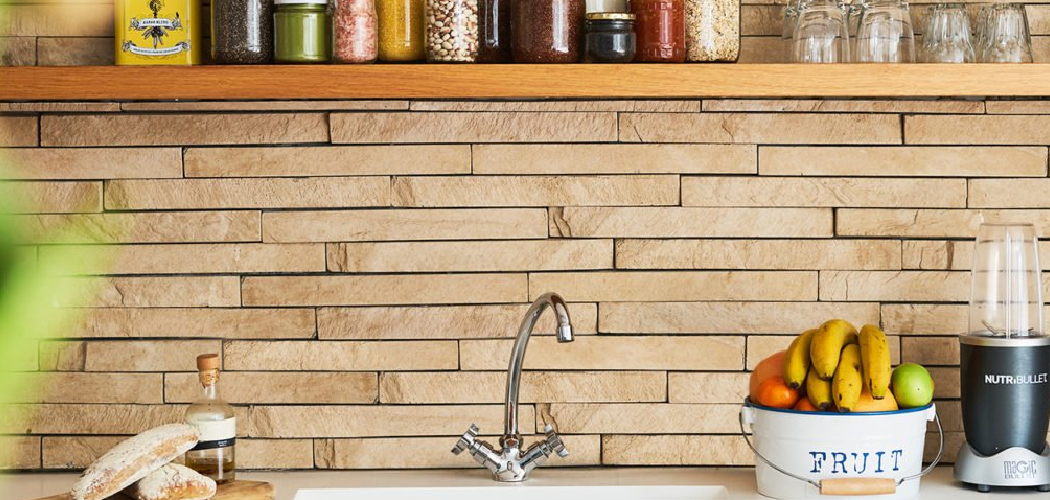

Your kitchen faucet affects how you cook, clean, and move through your day. It is one of the most used fixtures in the house, yet many first-time buyers choose one based on looks alone. If you are trying to learn how to choose a kitchen faucet, it helps to look beyond style and focus on fit, function, finish, and daily use.
A good faucet should match your sink, support your routine, and hold up well over time. Small details like spout height, spray features, and handle placement can make a big difference once you start using it every day. This guide will help you pick a kitchen faucet that feels right for your space, budget, and needs.
Why Choosing the Right Kitchen Faucet Matters
For beginners and new homeowners, choosing a kitchen faucet can feel simple at first, then oddly overwhelming once you see all the options. Pull-down and pull-out sprayers, single-handle and double-handle designs, touchless features, mounting styles, and finish choices can quickly blur together. Learning the basics saves you from buying a faucet that looks great online but works poorly in your kitchen.
The right faucet can improve comfort, water flow, and cleanup speed. It can also prevent common problems like splashing, poor reach, awkward handle movement, or a finish that shows every fingerprint. When you understand what to check before you buy, you make a smarter choice and avoid the cost and hassle of replacing a bad fit later.
Tools and Materials
Before you shop or install, gather a few basic items so you can measure your setup and compare options with confidence.
- Tape measure for checking sink width, faucet hole spacing, and backsplash clearance
- Flashlight to see under the sink and around mounting holes
- Notepad or phone for recording measurements and taking photos
- Basin wrench or adjustable wrench if you plan to remove the old faucet
- Small bucket or towel to catch leftover water under the sink
- Manufacturer spec sheets or product dimensions for faucets you are considering
- Finish sample, cabinet hardware photo, or sink photo to help match the look
- Budget range, including possible costs for supply lines or installation
- Optional: painter’s tape for marking reach and handle clearance around the sink
These simple tools help you compare faucet options based on real fit, not guesswork.
Step-by-Step Guide on How to Choose a Kitchen Faucet
Step 1 – Measure Your Sink and Mounting Holes

Start with the physical layout of your sink area. Measure the number of faucet holes and the distance between them. A single-hole faucet will not always cover a three-hole sink unless it includes a deck plate. You should also measure the space behind the sink, especially if you have a backsplash or a window sill nearby.
Next, check the sink width and basin depth. A faucet with a tall arc may look elegant, but it can splash more if the sink is shallow. Reach matters too. The water stream should land near the center of the basin, not too close to the front edge. This first step makes the rest of the process much easier because it narrows your choices to faucets that actually fit your kitchen.
Step 2 – Choose the Right Mounting Style
Kitchen faucets usually come in deck-mounted or wall-mounted designs, but most homes use deck-mounted models. That means the faucet installs directly into the sink or countertop. This style is easier to replace in a standard kitchen and gives you many options for shape, handle design, and spray functions.
Wall-mounted faucets can create a clean look and free up space around the sink, but they often require plumbing changes inside the wall. That adds cost and complexity. If you are a beginner, deck-mounted options are usually the more practical path. As you work through how to choose a kitchen faucet, always match the faucet style to your current plumbing setup unless you are planning a larger remodel and can budget for extra labor.
Step 3 – Pick a Faucet Type That Fits How You Work
Now think about how you use your sink each day. If you rinse produce, fill tall pots, and wash large pans often, a pull-down faucet is usually the most versatile choice. The spray head pulls straight down into the sink and gives you strong reach and control. It often feels natural in deeper basins.
A pull-out faucet extends more forward than down, which can work well in smaller kitchens or with shallow sinks. Standard fixed-spout faucets are simple and reliable, though they offer less flexibility. Commercial-style spring faucets have a bold look and excellent movement, but they can overwhelm a compact space. Choose a faucet that supports your actual routine, not just the one with the flashiest product photo.
Step 4 – Decide on Handle Style and Control Features
Single-handle faucets are popular because they are easy to use with one hand. You can adjust temperature and flow quickly, which helps when your hands are wet or messy from cooking. They also tend to suit modern kitchens and need less room around the sink deck.

Double-handle faucets offer separate hot and cold controls. Some people prefer their classic look and precise feel, especially in traditional kitchens. You may also want to consider touch or touchless features. These can be helpful when your hands are covered in dough, oil, or soap. Still, they add cost and may require batteries or power. If you want simplicity and reliability, a basic single-handle faucet is often the easiest place to start.
Step 5 – Check Spout Height and Reach Carefully
Spout height changes both the look and function of the faucet. A high-arc faucet gives you more room for filling pitchers, washing stock pots, and stacking large pans under the stream. It can make the sink area feel open and useful. But in a small kitchen, that same height can create extra splash if paired with a shallow basin.
Reach is just as important. The water should fall where you need it, usually near the center of the sink bowl. If the reach is too short, you will crowd the front of the sink and splash water onto the counter. If it is too long, water may hit the back wall of the basin. When learning how to choose a kitchen faucet, this is one detail that prevents daily annoyance.
Step 6 – Compare Spray Functions and Valve Quality
Many kitchen faucets offer more than a standard stream. You may see options like aerated flow, rinse spray, or a stronger blade-style spray for stubborn food bits. These features can make cleanup faster, especially after cooking heavy meals or washing sticky dishes. A pause button on the spray head can also help when moving from sink to pot.
Do not stop at features alone. Pay attention to the internal valve and cartridge quality. A faucet may look sleek on the outside but perform poorly if the internal parts wear out fast. Ceramic disc valves are a strong sign of durability and smooth handle movement. They often last longer and drip less than cheaper alternatives. A dependable faucet should feel solid when you move the handle and sprayer.
Step 7 – Choose a Finish That Matches Your Kitchen and Lifestyle
Finish affects both style and maintenance. Chrome is bright, affordable, and easy to find. It reflects light well and suits many kitchen designs, but it can show water spots and fingerprints more easily. Stainless or brushed nickel often hides smudges better and gives a softer, more understated look.
Matte black creates contrast and feels modern, though it may show mineral residue in areas with hard water. Bronze and brass finishes can add warmth, especially in traditional or farmhouse kitchens. Try to match the faucet to nearby cabinet hardware, light fixtures, or appliances without forcing an exact replica. The goal is a coordinated look. A beautiful finish should also fit your cleaning habits, not just your design mood board.
Step 8 – Balance Budget, Brand, and Warranty
Price matters, but the cheapest faucet is not always the best value. A low-cost model may save money upfront, then develop leaks, loose handles, or finish wear much sooner than expected. On the other hand, the most expensive faucet may include features you will never use. Look for a balance of build quality, function, and support.
Read the warranty details before you buy. A strong warranty often suggests that the manufacturer stands behind the product. Also check replacement part access. If a hose, cartridge, or spray head needs service later, you want parts that are easy to order. Reviews can help too, especially those that mention long-term performance. Focus on comments about installation, smooth operation, spray strength, and reliability after months of use.
Common Mistakes When Choosing a Kitchen Faucet
One common mistake is buying based on appearance alone. A faucet may look perfect in a photo, but if it does not match your sink holes, basin depth, or counter space, it can become a daily frustration. Another mistake is ignoring spout reach and height. These measurements affect splash, comfort, and how easily you can wash larger cookware.
Many beginners also overlook handle clearance. If the handle hits the backsplash or feels cramped against the wall, the faucet will be awkward to use from day one. Choosing the wrong finish is another issue. Some finishes look great at first but show every spot, streak, and fingerprint, which can be frustrating in a busy kitchen.
A final mistake is focusing only on extra features while ignoring build quality. Fancy spray modes and touch controls are nice, but they do not matter much if the faucet drips, loosens, or wears out quickly. Solid internal parts, dependable valves, and a good warranty often matter more than novelty. A smart choice comes from balancing looks, fit, ease of use, and long-term durability.
Expert Tips
Take photos under and around your sink before you shop. This helps you remember hole layout, clearance, and plumbing placement when comparing models online or in a store. It also makes it easier to talk with a plumber or sales associate if you need help.
If possible, test display faucets in person. Move the handle, pull the sprayer, and feel the weight of the body. A faucet that feels loose, light, or flimsy in your hand may not inspire confidence at home. It is also wise to think about water quality. If you have hard water, choose a finish that hides mineral spots well and clean the aerator regularly to maintain steady flow.
Frequently Asked Questions
What is the best type of kitchen faucet for most homes?
For most homes, a pull-down single-handle faucet is the most practical choice. It combines easy control, flexible rinsing, and a shape that works well with common sink sizes. It is especially useful if you wash large pots or prep food at the sink often. This style offers a strong mix of convenience, reach, and everyday comfort.
How do I know if a faucet will fit my sink?
Start by counting the mounting holes in your sink or countertop. Then measure the spacing between holes and the clearance behind the sink. You should also check the faucet’s spout height and reach against your basin depth and width. Product specification sheets usually list these dimensions, and they are essential for avoiding fit problems.
Is a high-arc faucet better than a low-arc faucet?
A high-arc faucet is often better if you need room for tall pots, pitchers, and bulky cookware. It creates more open space under the spout and can feel easier to use. A low-arc faucet may be better in a compact kitchen or with a shallow sink where you want to reduce splashing and keep the overall look more subtle.
Which faucet finish is easiest to maintain?
Brushed finishes, such as brushed nickel or some stainless options, are often easier to maintain because they hide fingerprints and water spots better than polished chrome. Matte finishes can also work well, depending on your water quality. If your area has hard water, choose a finish that does not highlight mineral marks and wipe it down regularly.
Do I need a plumber to install a kitchen faucet?
Not always. If you are replacing a faucet with a similar model and have basic tools, you may be able to do it yourself. Still, tight spaces under the sink can be tricky, and older plumbing can add surprises. If you notice corroded connections, unusual mounting hardware, or supply line issues, hiring a plumber can save time and prevent leaks.
Conclusion
Choosing the right kitchen faucet comes down to a few key decisions: fit, function, finish, and durability. When you measure your sink, check hole spacing, compare spout reach, and think honestly about how you use the space, the options become much easier to sort through. You do not need to memorize every faucet feature on the market. You just need to focus on what works well in your kitchen and feels comfortable in daily use.
A good faucet should make simple tasks feel easier, from rinsing vegetables to scrubbing pans after dinner. It should look at home in your space and hold up to years of regular use. If you have been unsure about how to choose a kitchen faucet, start with the basics and move step by step. A careful choice now can save money, reduce frustration, and make your kitchen work better every single day.

About
Nick Hall has spent the last seven years working at the intersection of kitchen design and home repair — first as a design assistant at a residential renovation studio, then as a freelance writer covering everything from cabinet layouts to leaky faucet fixes.
Her approach is simple: kitchens should look good and function well. That means she’s just as comfortable talking about color palettes and counter materials as she is walking readers through how to fix a wobbly cabinet hinge or troubleshoot a garbage disposal.
Nick has worked directly with homeowners on small-space kitchen makeovers, budget-conscious renovations, and the kind of everyday repairs that don’t need a contractor — just the right instructions. She writes from experience, not theory, and tests most of the fixes and tips she shares before publishing them.
When she’s not writing, Nick is usually hunting for mid-century kitchen finds at estate sales or helping friends plan their own renovations. She lives in Columbus, Ohio.