
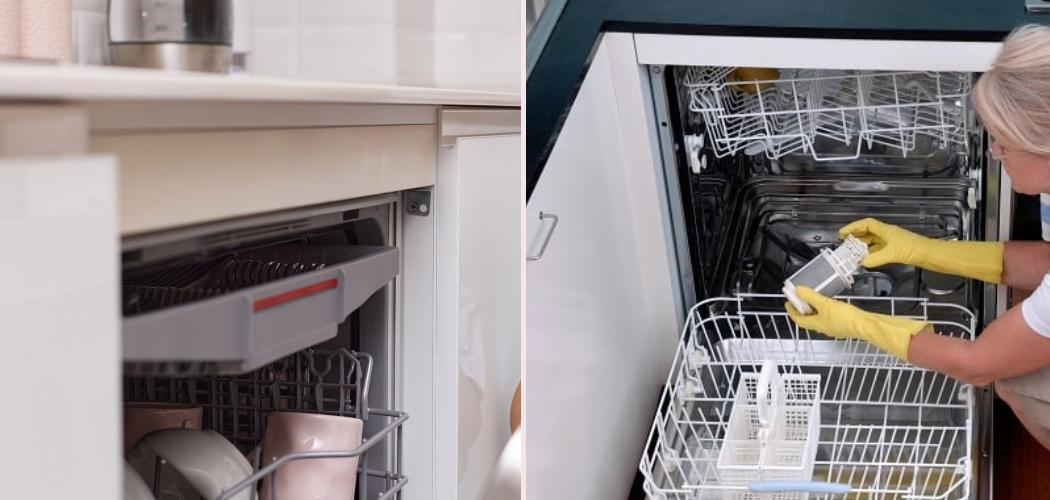
You open your dishwasher expecting clean, fresh dishes, and instead a wave of rotten egg smell hits you. It’s unpleasant, a little embarrassing when guests notice, and it makes you wonder if your plates are even clean.
That sulfur smell usually has nothing to do with actual eggs. More often, trapped food debris, a dirty filter, or buildup in the drain is to blame. The good news? You can fix it yourself, no technician required.
Learning how to get rid of egg smell in dishwasher comes down to a few simple cleaning steps and some everyday household items you probably already own. With a little patience, you’ll have a fresh-smelling machine again.
This guide walks you through every step to track down the source of the odor and banish it for good.
Why Learning to Remove Egg Smell From a Dishwasher Matters
This skill travels well beyond your home kitchen. Campers and outdoor beginners who rely on compact dishwashers in RVs, cabins, or remote rentals often deal with stronger odors, since these units sit unused for stretches and trap moisture. A technician is rarely an option out there, so knowing the fix yourself keeps your trip pleasant.
For home cooks and kitchen-focused readers, the payoff is daily comfort. A dishwasher odor can cling to your dishes and seep into the whole kitchen, and catching it early stops a small problem from becoming a stubborn one.
DIY-minded readers gain real independence here. Once you understand where food debris hides and how buildup creates that rotten egg smell, you can clean smarter, prevent the issue, and skip costly service calls altogether.
Tools and Materials You’ll Need
You won’t need anything fancy to freshen your dishwasher. Most of these supplies are already sitting in your pantry or under the sink.
- Baking soda to neutralize odors and gently scrub surfaces
- White vinegar to cut through grease, hard water buildup, and detergent residue
- A soft brush or old toothbrush for scrubbing the filter and tight corners
- Microfiber cloths or sponges to wipe down the interior walls and gasket
- Rubber gloves to keep your hands clean while you dig into the drain area
- A small bowl or cup that’s dishwasher-safe for the vinegar rinse
For one optional convenience item, keep a bottle of food-grade citric acid handy. It tackles tough hard water deposits faster than vinegar and leaves the inside sparkling.
Step-by-Step Guide on How To Get Rid Of Egg Smell In Dishwasher
Step 1 – Empty the Dishwasher and Check for Trapped Food
Start by pulling out every dish, rack, and utensil holder. You want a completely clear machine so nothing blocks your view or your hands.
Now lean in and look closely at the bottom. Run your gloved fingers along the base and into the corners. You’re hunting for trapped food debris, the most common cause when a dishwasher smells like eggs.
Bits of egg, cheese, or starchy leftovers love to wedge into crevices and rot over time. That decay creates the sulfur smell you’ve been noticing.
Scoop out anything you find and set it aside. Pay attention to the sour, eggy scent as you work. Pinpointing where it’s strongest helps you target the real source instead of guessing.
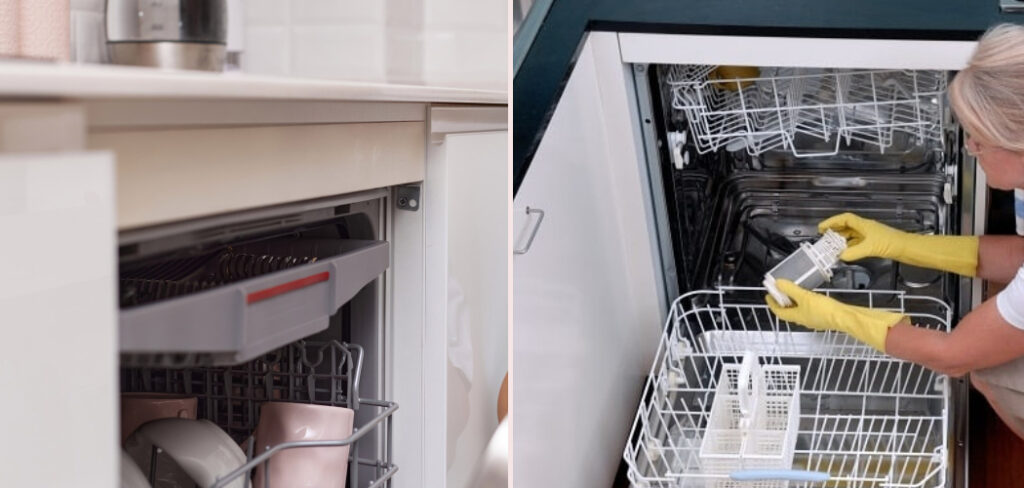
Step 2 – Remove and Clean the Filter
The filter is the number one culprit behind dishwasher odor. Locate it at the bottom of the tub, usually a round, twist-off cylinder sitting over the drain.
Twist it counterclockwise and lift it out. Brace yourself, because a neglected filter often holds a slimy layer of grease, food gunk, and that unmistakable rotten egg smell.
Rinse it under hot running water.
with a little baking soda to scrub away every trace of buildup. Work the bristles into the mesh until the water runs clear.
Give it a sniff. A clean filter should smell like nothing at all. Set it aside to drain while you tackle the rest of the machine.
Step 3 – Scrub the Spray Arms
With the filter out, turn your attention to the spray arms, those spinning plastic bars with tiny holes that blast water onto your dishes.
Over time, those little holes clog with food particles and hard water deposits. When they’re blocked, your dishwasher can’t rinse properly, and leftover residue starts to smell.
Lift or unclip the spray arms if your model allows it. Check your manual if you’re unsure. Hold them up to the light and look for blocked holes.
Poke each clogged hole with a toothpick to free the gunk. Then rinse the arms under warm water and scrub the surface with your brush.
Clear spray arms mean a cleaner rinse, which keeps food debris and odors from coming back.
Step 4 – Clean the Drain Area and Remove Standing Water
Look into the sump, the shallow well beneath where the filter sits. This is where water collects before draining out, and it’s a prime spot for trouble.
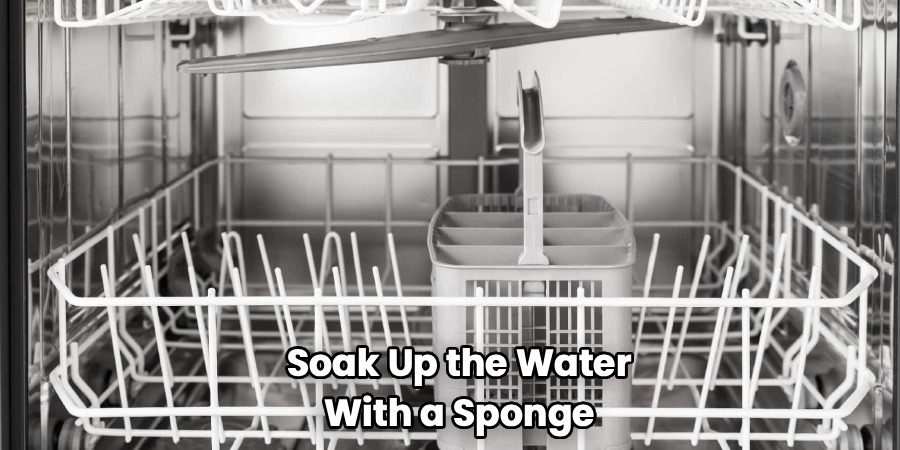
If you spot standing water pooling here, that’s a red flag. Stagnant water grows bacteria fast, and that’s a major source of the sulfur smell.
Soak up the water with a sponge or cloth, then scoop out any sludge or debris with your gloved fingers. Be gentle and thorough.
Wipe the drain area clean and sprinkle a little baking soda into the sump. Run warm water to flush it through.
Notice how the eggy smell fades as you clear this zone. A clean, free-draining sump is essential to a fresh dishwasher.
Step 5 – Wipe Down the Gasket and Interior Walls
The rubber gasket around the door seals in water, but it also traps food, moisture, and grime in its folds. Mold and mildew love this hidden, damp spot.
Dampen a microfiber cloth and dip it in a baking soda paste. Run it firmly along every groove of the gasket, top, sides, and bottom. You’ll likely see dark gunk lift away.
Next, wipe down the interior walls, the door, and the corners. Detergent buildup and splattered food cling here and quietly add to the dishwasher odor.
Press into the seams where surfaces meet. Knowing how to get rid of egg smell in dishwasher means cleaning these overlooked spots, not just the obvious ones. A wiped-down interior smells noticeably fresher.
Step 6 – Inspect the Drain Hose and Garbage Disposal
Sometimes the smell isn’t coming from the tub at all. Your dishwasher’s drain hose connects to your sink plumbing, often through the garbage disposal.
If that disposal is full of rotting food, the odor can drift back into your dishwasher. Run the disposal with cold water and a handful of baking soda to freshen it.
Next, check the drain hose for kinks or clogs. A blocked hose traps dirty water and creates a sulfur smell over time. Feel along its length for hard lumps.
If you recently installed the dishwasher, make sure the hose loops up high before connecting. A missing high loop lets sink water flow backward into the machine, which causes lingering odors.
Step 7 – Run a Vinegar Deodorizing Cycle
Now it’s time to deep clean from the inside out. Reassemble your clean filter and spray arms first.
Pour two cups of white vinegar into a dishwasher-safe bowl and set it upright on the top rack. Leave the rest of the machine empty.
Run a hot wash cycle without detergent. The vinegar circulates through the spray arms, drain, and hose, cutting through grease, hard water buildup, and detergent residue along the way.
As the cycle runs, that sharp vinegar scent replaces the eggy one. Vinegar naturally dissolves the gunk that feeds bacteria.
When it finishes, open the door and breathe in. You should notice a clean, neutral smell where the rotten egg smell used to live.
Step 8 – Follow Up With a Baking Soda Rinse
For a final freshening touch, sprinkle one cup of baking soda across the bottom of the empty tub.
Run a short, hot rinse cycle. The baking soda lifts away any lingering odor molecules the vinegar left behind and brightens the interior at the same time.
This one-two punch of vinegar followed by baking soda is the gentlest, most effective way to freshen a dishwasher without harsh chemicals.
When the cycle ends, leave the door cracked open for an hour or two. Letting air circulate dries out the damp interior and stops mold and mildew from setting up shop again.
Take a deep sniff. Clean, neutral, and fresh? You’ve successfully chased out the smell and given your machine a proper deep cleaning.

Critical Mistakes When Removing Egg Smell From a Dishwasher
A few common slip-ups keep that smell hanging around longer than it should. The biggest one is ignoring the filter entirely. Many people run cycle after cycle hoping the odor clears, but if the filter is packed with rotting food debris, you’re just circulating the smell. Always pull it out and scrub it first.
Another frequent mistake is mixing vinegar and baking soda in the same cycle. They neutralize each other when combined, leaving you with salty water and little cleaning power. Run them in separate cycles, vinegar first, then baking soda, for the best results.
People also overlook the source outside the machine. If your garbage disposal or sink drain reeks, that smell travels straight into the dishwasher. Cleaning only the tub won’t help when the real problem sits in your plumbing.
Using too much detergent backfires, too. Excess soap leaves a sticky residue that traps food and feeds bacteria, making the odor worse over time. Stick to the recommended amount.
Finally, don’t skip the air-drying step. Slamming the door shut after cleaning seals in moisture, which invites mold and mildew right back. Leave it cracked open to dry completely.
Expert Tips
Want to keep your dishwasher smelling fresh long-term? Prevention beats cleanup every time. Scrape plates well before loading, since leftover food is the root of nearly every odor problem.
Run a vinegar cycle once a month as routine maintenance. This habit dissolves buildup before it ever has a chance to stink.
Leave the door slightly open after each wash. A few inches of airflow dries the interior and stops mold and mildew cold.
If you have hard water, wipe the interior weekly and consider a rinse aid. Mineral deposits trap grime and worsen odors.
Check your filter every couple of weeks, not just when something smells off. A quick rinse takes thirty seconds and saves you from a full deep cleaning later. Small, steady habits keep that sulfur smell from ever returning.
Frequently Asked Questions
Why does my dishwasher smell like rotten eggs?
That sulfur smell almost always comes from trapped, decaying food. The most common hiding spots include:
- The filter, where grease and food gunk collect
- The drain area, especially if standing water pools there
- The spray arms, when clogged holes leave residue behind
Occasionally, the source is your garbage disposal or sink plumbing rather than the dishwasher itself. Clean the filter and drain first, then check your plumbing if the smell lingers.
Can I use bleach to get rid of the egg smell?
It’s best to avoid bleach. Many dishwashers have stainless steel interiors or parts that bleach can damage and discolor. Bleach can also react badly with leftover food proteins and other cleaners. Stick with safer options like white vinegar and baking soda, which neutralize odors, cut through buildup, and won’t harm your machine or leave harmful residue on dishes.
How often should I clean my dishwasher to prevent odors?
Aim for a quick filter rinse every two weeks and a full vinegar deodorizing cycle once a month. If you cook often or have hard water, lean toward the more frequent end. Regular maintenance stops food debris, detergent buildup, and bacteria from accumulating, which means that rotten egg smell never gets a chance to take hold in the first place.
What if the smell comes back after cleaning?
If the odor returns quickly, the source is likely outside the tub. Check your garbage disposal and sink drain for rotting food. Inspect the drain hose for a missing high loop, which lets dirty sink water flow back into the machine. Persistent smells paired with slow draining can signal a plumbing issue worth investigating before you blame the dishwasher itself.
Is a smelly dishwasher a sign of a bigger problem?
Usually no, it’s just buildup you can clean away. But sometimes a stubborn sulfur smell points to plumbing trouble, like a venting issue or a clogged drain line. If you’ve deep cleaned everything and the odor persists alongside standing water or poor draining, the problem may live in your home’s plumbing rather than the appliance.
Conclusion
Banishing that eggy odor really comes down to working through the sources one by one. Start by clearing trapped food and scrubbing the filter, then clean the spray arms, drain area, gasket, and interior walls. From there, check your drain hose and garbage disposal, run a vinegar deodorizing cycle, and finish with a baking soda rinse.
The secret is consistency. Most odors trace back to food debris and buildup, both of which you can prevent with simple monthly maintenance and a habit of leaving the door cracked to dry.
Don’t let a stinky machine make you doubt yourself. With everyday items like white vinegar and baking soda, you have everything you need to fix this without spending a dime on a technician.
Now that you know how to get rid of egg smell in dishwasher, grab your supplies, follow the steps, and enjoy that fresh, clean scent again. Your dishes, your kitchen, and your confidence will all thank you for it.

About
Nick Hall has spent the last seven years working at the intersection of kitchen design and home repair — first as a design assistant at a residential renovation studio, then as a freelance writer covering everything from cabinet layouts to leaky faucet fixes.
Her approach is simple: kitchens should look good and function well. That means she’s just as comfortable talking about color palettes and counter materials as she is walking readers through how to fix a wobbly cabinet hinge or troubleshoot a garbage disposal.
Nick has worked directly with homeowners on small-space kitchen makeovers, budget-conscious renovations, and the kind of everyday repairs that don’t need a contractor — just the right instructions. She writes from experience, not theory, and tests most of the fixes and tips she shares before publishing them.
When she’s not writing, Nick is usually hunting for mid-century kitchen finds at estate sales or helping friends plan their own renovations. She lives in Columbus, Ohio.