
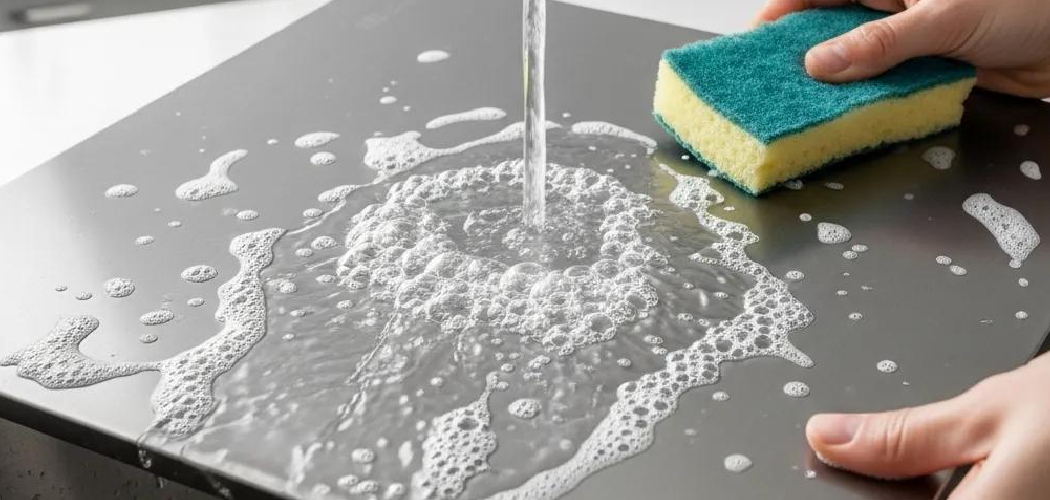
Open your dishwasher mid-cycle and find a mountain of foam spilling out the door? Don’t panic. This happens to almost everyone at some point, usually after a tired moment of reaching for the wrong soap.

Here’s the thing. Regular dish soap and hand soap create huge amounts of suds, while dishwasher detergent is designed to clean without all that foam. One squirt of the wrong product, and your machine turns into a bubble factory.
The good news is that fixing it doesn’t take a technician or any special skill. You just need a calm approach and a few items from your kitchen. Learning how to get bubbles out of dishwasher is a simple, satisfying fix that anyone can handle. This guide walks you through every step to clear the foam, clean up safely, and stop it from happening again.
Why Learning to Remove Bubbles From a Dishwasher Matters
This skill comes in handy far beyond your home kitchen. Campers and outdoor beginners often rely on compact dishwashers in RVs, cabins, and rentals, where the wrong soap is easy to grab in a rush. Knowing how to clear the suds fast means no flooded floors miles from help.
For home cooks and kitchen-focused readers, the payoff is daily peace of mind. You’ll handle a foam overflow without stress and get back to clean dishes in minutes.
DIY-minded readers gain the most here. Once you understand how detergent, the dispenser, and the drain work together, you can solve the problem yourself and avoid an expensive service call. That knowledge saves money, protects your floors from water damage, and gives you real confidence the next time something goes sideways with your machine.
Tools and Materials You’ll Need
You won’t need a toolbox for this one. Most of what you need is already within arm’s reach in your kitchen.
- Old towels or rags to soak up foam and any standing water
- A bowl or large cup for scooping suds out of the tub
- A sponge or microfiber cloth to wipe the interior and dispenser
- Salt or ice cubes to help knock down stubborn suds
- The correct dishwasher detergent, either pods, powder, or gel made for machines
- A small amount of cooking oil, used carefully only if foam refuses to settle
For one optional convenience item, keep a wet/dry shop vacuum nearby. It makes sucking up large amounts of foam and water quick and mess-free, especially if the overflow reached your floor.
Step-by-Step Guide on How To Get Bubbles Out Of Dishwasher
Step 1 – Turn Off the Machine Immediately
The moment you spot foam, stop the cycle. Press the cancel or power button, or open the door slowly to pause everything. The sooner you act, the less foam you’ll have to deal with.
If suds are already creeping onto the floor, unplug the dishwasher or flip its breaker for safety. You don’t want water near electrical parts while you work.
Take a breath and look at the scene. A wall of soft, soapy bubbles might look alarming, but it’s harmless and easy to manage. Stopping the cycle prevents the spray arms from whipping up even more foam.

This first move sets up everything that follows. A paused, powered-down machine gives you a calm, safe space to start your cleanup.
Step 2 – Remove the Dishes and Racks
With the machine off, pull out your dishes. They’ll feel slippery and coated in soap film, so set them in the sink to rinse later.
Slide both racks out if they lift free. Foam loves to hide underneath them, and clearing the racks gives you full access to the tub.
You’ll probably notice suds clinging to glasses and bowls like whipped cream. That’s just the excess soap, and a quick rinse handles it.
Set everything aside on a towel near the sink. Don’t run them through another cycle yet, since the machine still holds soap. Getting the dishes and racks out of the way clears the deck so you can tackle the foam at its source without working around obstacles.
Step 3 – Scoop and Soak Up the Foam
Now for the satisfying part. Grab your bowl and start scooping foam straight out of the tub. Dump each scoop into the sink as you go.
Once you’ve cleared the bulk, switch to your towels. Press them into the corners and along the bottom where suds and standing water collect. The foam will soak right in.
You’ll feel the soft, airy bubbles collapse under the towel, leaving a slick, soapy residue behind. Keep wringing out your rags in the sink and going back for more.
Work patiently until most of the visible foam is gone. This hands-on cleanup removes the soap that’s actively feeding the problem, which makes the rinse cycles later far more effective.
Step 4 – Check for Dish Soap Contamination
Time to find the culprit. Most of the time, the foam comes from regular dish soap or hand soap accidentally used in place of dishwasher detergent.
Think back to your last load. Did someone squirt liquid soap into the dispenser? Even a small amount creates an avalanche of suds once the hot water hits it.
Look at the detergent dispenser and sniff around the tub. A strong, sudsy, lemony scent usually points straight to the wrong soap. Knowing how to get bubbles out of dishwasher starts with confirming this cause so you don’t repeat it.
Once you understand what went in, you’ll know exactly how much rinsing it’ll take to flush it all out. Identifying the source saves you guesswork.
Step 5 – Wipe the Tub and Inspect the Dispenser
Take your damp sponge and wipe down the interior walls, the door, and the bottom of the tub. You’re removing the slippery soap film that keeps generating foam.
Pay close attention to the detergent dispenser. Open it up and clean out any leftover soap or residue sitting inside. If liquid hand soap got in there, wipe it completely clean and dry.
Run your cloth around the door seal too, since suds settle into those rubber folds. You’ll feel the surfaces shift from slick to squeaky clean as the soap lifts away.
A thoroughly wiped tub holds far less soap, which means fewer bubbles when you restart. This step bridges your hand cleanup and the rinse cycles ahead.
Step 6 – Run Short Rinse Cycles
With the machine empty and wiped, close the door and start a short rinse cycle with no detergent at all. The goal is to flush out the last of the trapped soap.
Listen as the water sprays and drains. When the cycle ends, open the door and check for foam. You’ll likely still see some, and that’s normal.
Run another rinse cycle, then check again. Repeat until the water inside looks clear and the foam stops forming. This usually takes two or three rounds.
Each cycle pushes more soap through the drain and out of the spray arms. Patience pays off here. Rinsing fully now prevents a repeat foam show the next time you actually wash dishes.
Step 7 – Knock Down Stubborn Suds Safely
If foam still lingers after a few rinses, you can break it down with a simple kitchen trick. Sprinkle a little salt or scatter a few ice cubes across the bottom of the tub before your next rinse.
Salt helps collapse the bubbles, while ice cools and settles the foam fast. Both are gentle and safe for your machine.
For truly stubborn suds, add just a teaspoon of cooking oil to the tub. Oil disrupts the bubbles without harming the dishwasher, but use only a tiny amount so you don’t leave a greasy residue.
Run one more short rinse afterward to clear everything out. These small fixes handle the last of the clingy foam that plain water leaves behind.
Step 8 – Restart With the Correct Detergent and Check for Issues
Now you’re ready to wash properly. Add the right dishwasher detergent in the correct amount, never overfilling the dispenser, and load your rinsed dishes back in.
Run a normal cycle and watch the first few minutes through the door if you can. You should see clean water moving, with no foam building up.
When it finishes, check around the base of the machine and on the floor for any leaks or leftover standing water. A little inspection now catches problems early.
If bubbles keep returning despite the right detergent, look at your rinse aid level and filter, since buildup there can cause recurring suds. Otherwise, enjoy your fresh, foam-free load of clean dishes.
Critical Mistakes When Removing Bubbles From a Dishwasher
A few common slip-ups turn a quick fix into a soggy afternoon, so let’s steer you clear of them. The biggest mistake is restarting the machine before removing the soap. People panic, hit start again, and the spray arms simply whip the leftover dish soap into even more foam. Always scoop, wipe, and rinse first.
Another frequent error is pouring in more detergent to “wash away” the suds. This makes things dramatically worse, since detergent and especially regular soap are exactly what’s creating the bubbles. Run plain rinse cycles with no soap at all instead.
Many people also ignore the detergent dispenser during cleanup. If hand soap residue stays inside it, your very next cycle foams up all over again. Wipe it out completely before restarting.

Overusing rinse aid is a quieter culprit, too. Too much rinse aid adds to the suds and leaves a slick film, so fill that compartment only to the marked line. Finally, don’t forget the floor. Leaving standing water around the base risks slips and water damage, so mop up every puddle as part of your cleanup.
Expert Tips
Want to avoid this mess entirely? Keep your dishwasher detergent and your dish soap stored in separate spots, far apart, so no one grabs the wrong bottle in a hurry. This single habit prevents most foam disasters.
Always measure detergent rather than eyeballing it. More soap doesn’t mean cleaner dishes, just more residue and risk of suds.
Check your rinse aid compartment monthly and fill only to the line. Overfilling quietly contributes to foam and leaves streaks on glassware.
Clean your filter and wipe the spray arms regularly, since trapped residue can trigger sudsing over time. A quick rinse keeps water flowing freely through the drain.
If you ever run out of dishwasher detergent, skip the cycle rather than substituting hand soap. A little planning beats a foamy cleanup every time.
Frequently Asked Questions
Why is my dishwasher full of bubbles?
Almost always, it’s the wrong soap. Regular dish soap or hand soap creates massive foam because it isn’t formulated for machines. Other causes include too much rinse aid, leftover detergent residue, or an interrupted cycle that left soap sitting in the tub. To fix it, scoop out the foam, wipe the interior, and run plain rinse cycles until the water runs clear.
Can I just keep rinsing until the bubbles go away?
Yes, and that’s the safest approach. Run short rinse cycles with no detergent, checking after each one. It usually takes two or three rounds to flush the soap through the drain. If foam stubbornly lingers, add a sprinkle of salt or a few ice cubes to the tub before the next rinse to help the bubbles collapse faster.
Will dish soap damage my dishwasher?
A one-time accident won’t ruin your machine, but it does create overflow that can reach electrical parts or your floor. The real risks are water damage and slips, not the dishwasher itself. Clear the suds promptly, wipe the dispenser clean, and rinse thoroughly. Going forward, only use detergent labeled for dishwashers to keep everything running safely and foam-free.
How much detergent should I actually use?
Less than you think. Follow the package directions or fill the dispenser only to its marked line. Pods and tablets are pre-measured, which removes the guesswork entirely.
- Powder or gel: fill to the line, not above
- Pods: one per normal load
- Heavily soiled loads: a slightly fuller dispenser, never overflowing
Overfilling leads to residue and suds, not cleaner dishes.
What if bubbles keep coming back after cleaning?
Recurring foam points to leftover soap or a maintenance issue. Check that you wiped the detergent dispenser completely, since hidden hand soap residue restarts the problem. Also inspect your rinse aid level and clean the filter, as buildup there can cause repeated sudsing. If foam returns even with correct detergent and a clean tub, run a couple more empty rinse cycles to fully flush the system.
Conclusion
Clearing a foamy dishwasher really comes down to staying calm and working in order. Start by turning off the machine and removing your dishes and racks. Then scoop out the foam, soak up the standing water, and figure out whether the wrong soap caused the suds in the first place.
From there, wipe the tub and detergent dispenser clean, run short rinse cycles until the water runs clear, and knock down any stubborn suds with a little salt, ice, or a touch of cooking oil. Finish by restarting with the correct dishwasher detergent and checking for leaks or recurring foam.
Take it one step at a time, and what looked like a disaster becomes a quick, manageable fix. You’ll handle the next soapy surprise like a pro, without reaching for the phone to call a technician.
Now that you know how to get bubbles out of dishwasher the right way, grab your towels and the proper detergent, and get your machine back to washing dishes the way it should. A foam-free dishwasher is completely within your reach.

About
Nick Hall has spent the last seven years working at the intersection of kitchen design and home repair — first as a design assistant at a residential renovation studio, then as a freelance writer covering everything from cabinet layouts to leaky faucet fixes.
Her approach is simple: kitchens should look good and function well. That means she’s just as comfortable talking about color palettes and counter materials as she is walking readers through how to fix a wobbly cabinet hinge or troubleshoot a garbage disposal.
Nick has worked directly with homeowners on small-space kitchen makeovers, budget-conscious renovations, and the kind of everyday repairs that don’t need a contractor — just the right instructions. She writes from experience, not theory, and tests most of the fixes and tips she shares before publishing them.
When she’s not writing, Nick is usually hunting for mid-century kitchen finds at estate sales or helping friends plan their own renovations. She lives in Columbus, Ohio.