
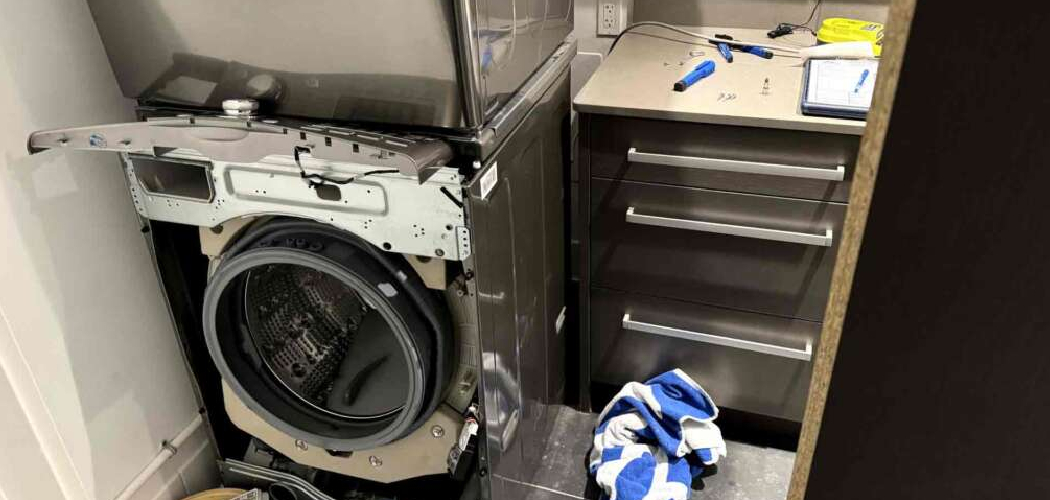
Few things stop your kitchen flow like opening the dishwasher and finding a pool of dirty water at the bottom. It’s frustrating, a little gross, and easy to assume something major has broken. The good news? Most drainage problems are simple fixes you can handle yourself. Learning how to get Frigidaire dishwasher to drain again usually comes down to clearing a clog, checking a hose, or cleaning a filter—no technician required.

You don’t need fancy skills or expensive gear. With a little patience and the right approach, you can solve the issue in an afternoon and get back to spotless dishes.
This guide walks you through every step, from spotting the cause of standing water to running a clean drain cycle, so you can fix the problem with confidence.
Why Fixing a Frigidaire Dishwasher That Won’t Drain Matters
A dishwasher full of standing water isn’t just annoying—it can lead to bigger headaches. Sitting water grows bacteria, creates a sour smell, and can eventually damage the drain pump or seals if you ignore it.
Fixing it yourself saves real money. A service call alone often costs more than the part you’d replace, and many drainage issues need no parts at all—just a good cleaning.
There’s confidence in it too. Once you’ve cleaned a filter or cleared a drain hose, you understand how your appliance works. That knowledge makes future hiccups far less scary.
For busy households, that independence is huge. You fix the problem on your own schedule, skip the labor fee, and keep dishes moving without missing a beat.
Tools and Materials You’ll Need
Gather everything before you start so you’re not hunting for tools with wet hands. Here’s your checklist:
- Phillips and flathead screwdrivers
- Pliers and an adjustable wrench
- A shallow bowl, cup, or turkey baster for scooping water
- Sponge and old towels for cleanup
- Bucket to catch drips from the drain hose
- Soft brush or toothbrush for cleaning the filter
- Flashlight to see into the sump
- Work gloves to protect your hands
- White vinegar and baking soda for freshening
- Optional but handy: a wet/dry vacuum, which makes clearing a stubborn clog in the drain hose far faster
Keeping these within reach lets you stay focused. Nothing breaks your rhythm like crawling out from under the sink to find a missing screwdriver halfway through.
Step-by-Step Guide on How to Get Frigidaire Dishwasher to Drain
Step 1 – Cut the power for safety
Always start with safety. Head to your breaker panel and switch off the circuit feeding your kitchen, or unplug the dishwasher if you can reach the cord.
Water and electricity don’t mix, and you’ll be working near wet components. Flipping that breaker takes ten seconds and protects you from a nasty shock.
If your dishwasher shares a circuit with the garbage disposal, turn that off too. You’ll be checking the sink connection later, and you don’t want anything kicking on unexpectedly.
Lay your towels around the base now while you’re thinking about it. Standing water tends to slosh out the moment you open the door wide.
Take a breath. This calm, careful start sets the tone for a smooth, mess-free repair.
Step 2 – Scoop out the standing water
Before you investigate anything, clear that pool of standing water from the bottom of the tub. Working in dirty water is messy and hides the parts you need to see.
Open the door slowly and pull out the lower rack. Use a cup, shallow bowl, or turkey baster to scoop water into your bucket.
For the last bit, a sponge or wet/dry vacuum works wonders. Soak up every drop around the sump until the basin sits dry and clear.
Keep your towels close, because the water near the filter often hides bits of food and grease. Wipe those away as you go.

A clean, dry tub makes the rest of the job easier and lets you spot clogs at a glance.
Step 3 – Clean the filter
A dirty filter is the number one reason a Frigidaire stops draining. Food, grease, and gunk build up over time and block water flow.
Locate the filter assembly at the bottom of the tub, usually near the spray arm base. Twist it counterclockwise and lift it out.
Rinse it under warm running water and scrub gently with a soft brush. Get into every crevice until the mesh looks clean and clear.
While it’s out, peek into the sump opening below. Shine your flashlight in and remove any chunks of food, glass shards, or labels that washed off jars.
Reseat the filter firmly, twisting it back into place. A clean filter alone solves a surprising number of drainage problems.
Step 4 – Inspect the drain hose for kinks and clogs
Now follow the drain hose, which carries dirty water from the dishwasher to your sink or garbage disposal. Pull the appliance out gently if needed, guiding the hose so it doesn’t pinch.
Look along its full length for kinks, sharp bends, or crushed spots. Even a small fold can choke off water flow completely.
Disconnect the hose at one end, keeping your bucket underneath to catch the water inside. Feel for soft clogs by squeezing along the length.
Run water through it or push a flexible brush through to clear any blockage. A wet/dry vacuum can suck stubborn gunk out fast.
Reattach the hose snugly and tighten the hose clamp. Knowing how to get Frigidaire dishwasher to drain often hinges on this single hose.
Step 5 – Check the garbage disposal and knockout plug
If your dishwasher drains into a garbage disposal, this step matters. A clogged disposal or a forgotten plug stops drainage cold.
First, run the disposal with water to clear any food trapped inside. A backed-up disposal pushes water right back into your dishwasher.
If you recently installed a new disposal, check for the garbage disposal knockout plug. Manufacturers leave this plastic plug in place, and it must be punched out for the dishwasher hose to drain through.
Look inside the disposal inlet where the hose connects. If you see a solid plug blocking the way, tap it out with a screwdriver and pull the pieces free.
This tiny detail trips up many beginners after a kitchen upgrade.
Step 6 – Examine the air gap
Many kitchens have an air gap, that small chrome cylinder sitting on the countertop near the faucet. It prevents dirty water from siphoning back into your dishwasher.
When it clogs, water backs up and your dishwasher won’t drain. Lift off the cap and the inner cover to peek inside.
You’ll often find a paste of food debris blocking the flow. Scoop it out with your fingers or a small brush, then flush it with water.
Check the short hose running from the air gap to the disposal or drain line, too. Clear any gunk you find there.
Snap everything back together. A clean air gap restores smooth drainage and often fixes a stubborn backup in minutes.
Step 7 – Inspect the drain pump and check valve
If water still won’t move, the drain pump or check valve deserves a look. Both sit near the sump at the bottom of the tub.
The check valve lets water exit but blocks it from flowing back. If debris jams it open or shut, drainage fails.
Remove the sump cover and shine your light inside. Look for the pump impeller and rotate it gently with your finger to feel for trapped glass, food, or a stuck object.
Clear anything you find, then check that the impeller spins freely. A blocked pump often makes a humming noise without moving water.
Reassemble the sump carefully. A clean pump and a working valve get water flowing the way it should.
Step 8 – Reassemble everything
With each part checked and cleaned, work backward to put things together. Reseat the filter, secure the sump cover, and confirm the spray arm clicks back into place.
Slide the dishwasher back into its cabinet if you pulled it out, guiding the drain hose so nothing pinches behind it.
Double-check that the hose clamp at the sink connection sits tight. A loose clamp leaks the moment water flows.
Glance over every connection one more time. A forgotten cover or loose hose shows up fast during testing, and it’s easier to catch now.
Run your fingers along each joint to confirm it holds. This final check rewards you with peace of mind before you flip the power back on.
Step 9 – Restore power and run a test drain cycle
The moment of truth has arrived. Flip the breaker back on and turn the garbage disposal switch on if you shut it off earlier.
Start a short drain cycle and stay close. Listen as the pump hums and water rushes out through the hose.
Watch the bottom of the tub. The water should disappear quickly, leaving the sump dry and clean.
Shine your flashlight under and behind the unit, checking the hose connections and sink connection for any drips. Touch the joints to feel for dampness.
If everything drains smoothly and stays dry, congratulations—you fixed it yourself. Wipe down your workspace and enjoy the satisfaction of a job done right, without a single service call.

Critical Mistakes When Fixing a Frigidaire Dishwasher That Won’t Drain
Even careful beginners hit a few snags, so let’s cover the common ones before they slow you down.
The biggest mistake is skipping the power shut-off. Reaching into a wet tub or near the drain pump with the circuit live risks a real shock. Always flip the breaker first, every single time, no exceptions.
Another frequent slip-up happens after installing a new garbage disposal. People forget the garbage disposal knockout plug, that little plastic piece blocking the drain inlet. If you don’t punch it out, water has nowhere to go, and you’ll chase phantom clogs for hours.
Many folks also ignore the filter entirely. A clogged filter causes most drainage problems, yet beginners often jump straight to the pump. Start simple—clean the filter before tearing anything apart.
Overtightening the hose clamp ranks high too. Cranking it too hard can crack the fitting or kink the drain hose, creating the very blockage you’re trying to fix. Snug is plenty.
Finally, rushing the reassembly leaves loose connections behind. A sump cover that isn’t seated or a hose that isn’t clamped leads straight to leaks during your first test drain cycle.
Expert Tips
A few small habits turn a frustrating chore into a smooth fix. First, clean your filter once a month. This single routine prevents most drainage problems before they ever start.
Run hot water at your kitchen sink for a few seconds before starting a wash. It clears the line and helps your dishwasher drain into warm, flowing pipes instead of cold, sluggish ones.
Toss in a cup of white vinegar on an empty cycle every few weeks. It dissolves grease in the drain hose and keeps odors away.
Avoid pre-rinsing dishes so thoroughly that you scrape nothing into the trash—but always remove large chunks. Big debris is what clogs the sump and check valve. These tiny steps keep your machine draining like new.
Frequently Asked Questions
Why does my Frigidaire dishwasher have standing water at the bottom?
A little water in the sump is normal—it keeps seals moist. But a full pool of standing water signals a problem. Common causes include:
- A clogged filter packed with food debris
- A kinked or blocked drain hose
- A garbage disposal that’s backed up or still has its knockout plug
- A jammed drain pump or check valve
Start by cleaning the filter, since that solves most cases quickly.
How often should I clean my dishwasher filter?
Aim for once a month if you run your dishwasher regularly. If you skip pre-rinsing or wash heavily soiled dishes, clean it every two weeks. A clogged filter is the leading cause of poor drainage and smelly tubs. Cleaning takes just five minutes—twist it out, rinse under warm water, scrub gently, and reseat it. This simple habit prevents most drainage headaches.
Do I need to replace the drain pump?
Usually not. Most drainage problems come from clogs in the filter, hose, or air gap—not a failed pump. Before buying parts, clear those areas first. If the pump only hums without moving water, check for debris jamming the impeller. Replace the pump only if it’s cracked, silent, or stays blocked after you’ve cleared everything else and confirmed nothing else is causing the backup.
Could a new garbage disposal cause my dishwasher to stop draining?
Yes, and it’s a common surprise. New disposals ship with a garbage disposal knockout plug sealing the dishwasher inlet. If the installer forgets to remove it, your dishwasher hose drains into a dead end, leaving standing water behind. Check the disposal’s side inlet, tap out the plastic plug with a screwdriver, and remove the loose pieces. This quick fix solves the problem instantly.
How do I know if my drain hose is clogged?
Listen and look during the drain cycle. Signs of a clogged drain hose include:
- Water draining very slowly or not at all
- A gurgling sound without water leaving the tub
- Visible kinks or crushed spots along the hose
Disconnect the hose, keep a bucket ready, and flush it with water or a flexible brush. Clearing it often restores full drainage right away.
Conclusion
You now have everything you need to solve this problem yourself. From scooping out standing water and cleaning the filter, to checking the drain hose, air gap, and pump, each step brings your dishwasher closer to draining like new again.
The key takeaways are simple. Always cut the power first, start with the easy fixes like the filter and hose before assuming the worst, and don’t forget the garbage disposal knockout plug if you’ve recently upgraded. Tighten every hose clamp gently, and finish with a test drain cycle to confirm your work.
The best part? You handled it on your own, skipped the service fee, and learned how your appliance really works. That confidence carries straight into your next kitchen project.
So grab your tools, lay down a towel, and trust the process. Knowing how to get Frigidaire dishwasher to drain is one of those satisfying wins that makes your kitchen feel truly yours. Go enjoy those clean, dry dishes—you earned it.

About
Nick Hall has spent the last seven years working at the intersection of kitchen design and home repair — first as a design assistant at a residential renovation studio, then as a freelance writer covering everything from cabinet layouts to leaky faucet fixes.
Her approach is simple: kitchens should look good and function well. That means she’s just as comfortable talking about color palettes and counter materials as she is walking readers through how to fix a wobbly cabinet hinge or troubleshoot a garbage disposal.
Nick has worked directly with homeowners on small-space kitchen makeovers, budget-conscious renovations, and the kind of everyday repairs that don’t need a contractor — just the right instructions. She writes from experience, not theory, and tests most of the fixes and tips she shares before publishing them.
When she’s not writing, Nick is usually hunting for mid-century kitchen finds at estate sales or helping friends plan their own renovations. She lives in Columbus, Ohio.