
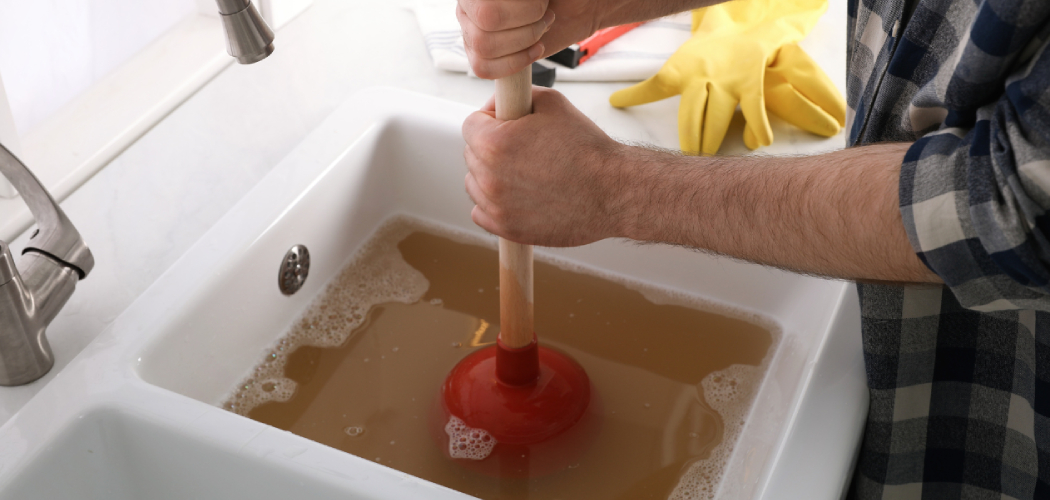
A smelly kitchen sink can make the whole room feel dirty, even when the counters are clean and the dishes are done. The odor may come from food scraps, grease residue, a dry drain trap, bacteria, or buildup inside the garbage disposal. If you are learning how to remove odor from kitchen sink drain areas for the first time, the good news is that most causes are simple to fix with basic supplies.

You do not need harsh chemicals or plumbing experience to handle many common drain smells. You just need a safe process, a few household materials, and a little patience. This guide shows you how to identify the source of the smell, clean the drain, and keep odors from coming back.
Why Learning to Remove Kitchen Sink Drain Odor Matters
Knowing how to remove kitchen sink drain odor helps you keep your space cleaner, healthier, and more comfortable. This matters at home, but it is especially useful in RV sinks, trailers, cabins, outdoor kitchens, and compact plumbing setups where smells can spread fast.
Campers and outdoor beginners often deal with gray water smells, stagnant water, food buildup, and grease residue in small sink systems. A musty drain can make a tiny kitchen feel unpleasant, and a sewer odor may point to a dry trap or poor maintenance.
Learning this skill gives you more control over simple home care. You can deodorize the drain, protect the plumbing, and prevent small problems from becoming bigger repairs.
Tools and Materials You’ll Need
Gather your supplies before you start so the cleaning process feels smooth. Most items are inexpensive and easy to find. You may already have several in your kitchen or cleaning kit.
- Baking soda
- White vinegar
- Hot water
- Dish soap
- Rubber gloves
- Drain brush or bottle brush
- Old toothbrush
- Clean sponge or rag
- Flashlight
- Small bowl or cup
- Paper towels
- Garbage disposal cleaning brush, if needed
- Optional convenience item: a sink stopper to hold cleaning solution in place for a short soak
8 Step-by-Step Guide on How to Remove Odor From Kitchen Sink Drain
Step 1 – Identify Where the Smell Is Coming From
Start by standing near the sink and noticing the type of odor. A sour smell often points to food buildup or grease. A musty smell may come from biofilm, which is a slimy layer of bacteria inside the drain.

Run a little water and smell again. If the odor gets stronger when water flows, the buildup may sit inside the drain opening, splash guard, garbage disposal, or drain trap. If the smell appears after the sink sits unused, stagnant water or a dry trap may be the cause.
This first check helps you clean the right area instead of guessing.
Step 2 – Flush the Drain With Hot Water
Run hot water into the sink for 1 to 2 minutes. The water should be hot enough to loosen residue, but it does not need to be boiling. In RVs, trailers, or older plumbing, boiling water can stress seals or plastic parts.
Listen as the water moves through the drain. A smooth flow is a good sign. Slow draining may mean food particles, grease buildup, or soap film are narrowing the pipe.
This simple flush softens grime before deeper cleaning. It also helps carry loose debris away so the next steps work better.
Step 3 – Clean the Drain Opening and Rim
Put on gloves and wipe around the drain opening with dish soap and a damp sponge. Food oils often collect where the metal drain meets the sink surface. That thin film can smell sour after a few days.
Use an old toothbrush around the drain rim and any visible grooves. You may notice a sticky texture or dark residue. Scrub until the surface feels smooth under the brush.
If you want to understand how to remove odor from kitchen sink drain parts at the source, do not skip this visible area. Odors often start right where scraps and moisture sit.
Step 4 – Use Baking Soda to Absorb Odor
Pour about 1/2 cup of baking soda into the drain. Try to send it down the opening instead of leaving it on the sink surface. Baking soda helps absorb smells and lightly scours the inside of the drain.
Let it sit for 10 to 15 minutes. During this time, it can cling to damp residue and help break up sour odors. You may notice the smell soften even before you rinse.
For a garbage disposal, sprinkle baking soda around the splash guard too. That rubber guard can hide old food bits underneath its flaps.
Step 5 – Add White Vinegar and Let It Fizz
Slowly pour 1 cup of white vinegar into the drain. The mixture will foam and fizz as it reacts with the baking soda. That bubbling action helps loosen grime, biofilm, and light buildup inside the drain.
Let the fizzing settle for about 10 minutes. You may hear soft crackling or see bubbles rise around the drain opening. That is normal and useful.
This method works well for routine deodorizing, but it is not a fix for a major clog. If water backs up, stop and deal with the blockage first.
Step 6 – Scrub the Splash Guard or Disposal Area
If your sink has a garbage disposal, lift each splash guard flap and scrub underneath with a brush. This area often holds greasy food residue, coffee grounds, and soft particles that rot over time. The smell can be sharp, sour, or swampy.
Use dish soap and warm water as you scrub. A flashlight helps you see dark buildup on the underside of the rubber. Work slowly so you do not cut your fingers on disposal parts.
Never place your hand deep inside the disposal. Turn off power at the switch or breaker if you need to clean close to the chamber.
Step 7 – Brush Inside the Drain
Use a drain brush or bottle brush to clean the upper pipe. Push it in gently, then rotate it to loosen slime from the inner walls. Pull it out slowly, and wipe the brush with paper towels as needed.

The residue may look gray, brown, or black. It can smell unpleasant, but removing it makes a real difference. This layer is often biofilm, and it can return if the drain stays wet and dirty.
At this point in how to remove odor from kitchen sink drain cleaning, you are removing the material that rinses alone cannot reach.
Step 8 – Rinse, Test, and Repeat if Needed
Flush the drain again with hot water for 1 to 2 minutes. If you have a disposal, run it with water flowing to wash away loosened debris. The sink should smell fresher, and the water should drain cleanly.
After rinsing, wait a few minutes and smell the drain again. If a light odor remains, repeat the baking soda and vinegar treatment once more. Strong sewer odor, slow drainage, or gurgling may need a deeper inspection of the drain trap.
Finish by drying the sink basin. A dry surface helps prevent new residue from forming right away.
Common Mistakes When Removing Odor From a Kitchen Sink Drain
One common mistake is pouring strong chemical drain cleaners into the sink before checking the simple causes. These products may not remove biofilm or food residue near the drain opening, and they can be harsh on older pipes, RV plumbing, and disposal parts. Start with cleaning, flushing, and inspection first.
Another mistake is ignoring the garbage disposal splash guard. Many people clean the drain but never scrub under the rubber flaps. That hidden area traps wet food particles, grease, and bacteria, which can create a sour smell even after the pipe is rinsed.
Some beginners use boiling water in every sink. Very hot water can help melt grease, but boiling water may damage plastic fittings or seals in compact plumbing setups. Hot tap water is usually safer for routine maintenance.
A fourth mistake is treating sewer odor like a simple food smell. If the drain trap is dry, sewer gas can rise into the kitchen. Run water into unused sinks regularly, especially in cabins, trailers, and seasonal homes.
Finally, do not forget prevention. A clean drain can smell bad again if grease, rice, pasta, coffee grounds, and food scraps keep going down the sink.
Expert Tips
Clean your kitchen sink drain on a regular schedule instead of waiting for a strong odor. A quick hot water flush after washing greasy pans can help reduce buildup. Once a week, use baking soda and white vinegar for light deodorizing.
If you have a garbage disposal, run cold water while grinding food and keep it running for several seconds after the sound clears. Cold water helps grease stay firmer so it can move through instead of coating the pipe.
For RVs, cabins, and outdoor kitchens, drain maintenance matters even more. Empty gray water tanks as needed, rinse sink lines after use, and keep traps wet during long breaks.
Frequently Asked Questions
Why Does My Kitchen Sink Drain Smell Bad?
Your kitchen sink drain may smell bad because of food buildup, grease residue, bacteria, or biofilm inside the pipe. If you have a garbage disposal, trapped scraps under the splash guard can also cause odor. A sewer smell may mean the drain trap is dry or not working correctly. Start with cleaning the drain opening, then check deeper areas if the smell remains.
Can Baking Soda and Vinegar Really Remove Drain Odor?
Baking soda and vinegar can help remove many mild drain odors. Baking soda absorbs smells, while vinegar helps loosen residue and mineral film. The fizzing action can clean light buildup, but it will not fix a heavy clog or a damaged drain trap. For best results, scrub visible grime first, then rinse well with hot water after the fizzing stops.
How Often Should I Clean a Kitchen Sink Drain?
For most homes, cleaning the drain once a week keeps odors under control. If you cook often, use a garbage disposal daily, or wash greasy pans in the sink, you may need to clean it more often. RVs, trailers, and cabins also need regular attention because compact plumbing can hold smells in tight spaces. A quick rinse after each use helps a lot.
What If the Drain Smells Like Sewer Gas?
A sewer odor can mean the drain trap has dried out, allowing gas to rise through the pipe. Run water for a minute and see if the smell fades. This often happens in guest sinks, cabins, or seasonal trailers that sit unused. If the odor continues, you may have a venting issue, loose connection, or trap problem that needs closer inspection.
Is It Safe to Use Bleach in a Smelly Kitchen Sink Drain?
Bleach can reduce odor-causing bacteria, but it is not always the best first choice. It does not remove grease buildup or stuck food, and it can react badly with other cleaners. Never mix bleach with vinegar or ammonia. If you use it, dilute it and rinse well. For routine cleaning, dish soap, baking soda, vinegar, brushing, and hot water are usually safer.
Conclusion
A smelly sink drain is unpleasant, but it is usually manageable when you know where odors start. Food scraps, grease buildup, biofilm, stagnant water, and a dirty splash guard can all create smells that spread through the kitchen. With simple tools and a steady process, you can clean the visible drain area, deodorize the pipe, scrub hidden residue, and rinse everything clear.
The key is to work from the easiest fixes to the deeper ones. Start with hot water and surface cleaning, then use baking soda, white vinegar, and a drain brush. If the odor smells like sewer gas or keeps returning, check the trap and consider professional help.
Now that you know how to remove odor from kitchen sink drain areas safely, you can keep your kitchen, RV, cabin, or outdoor sink fresher with regular care.

About
Nick Hall has spent the last seven years working at the intersection of kitchen design and home repair — first as a design assistant at a residential renovation studio, then as a freelance writer covering everything from cabinet layouts to leaky faucet fixes.
Her approach is simple: kitchens should look good and function well. That means she’s just as comfortable talking about color palettes and counter materials as she is walking readers through how to fix a wobbly cabinet hinge or troubleshoot a garbage disposal.
Nick has worked directly with homeowners on small-space kitchen makeovers, budget-conscious renovations, and the kind of everyday repairs that don’t need a contractor — just the right instructions. She writes from experience, not theory, and tests most of the fixes and tips she shares before publishing them.
When she’s not writing, Nick is usually hunting for mid-century kitchen finds at estate sales or helping friends plan their own renovations. She lives in Columbus, Ohio.