
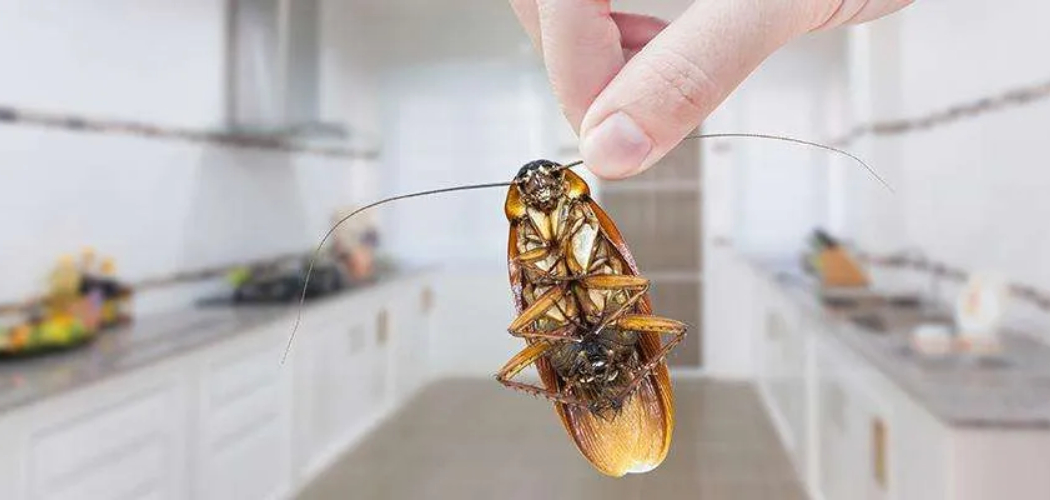
Seeing a roach in your kitchen can make your stomach drop, especially when you are trying to keep food, dishes, and cooking surfaces clean. Roaches move fast, hide well, and often come out when the lights go off, which makes the problem feel bigger than it first appears. If you are learning how to remove roaches from kitchen areas for the first time, start with calm, steady action instead of panic spraying.

Most kitchen roach problems come from three things: food, water, and shelter. Once you remove those and use the right control methods, you can reduce activity and prevent a larger infestation. This guide shows you how to find, clean, treat, and monitor roaches in a safe, beginner-friendly way.
Why Learning to Remove Roaches From the Kitchen Matters
Learning to handle kitchen roaches matters because these pests can spread germs, contaminate food, and make compact spaces feel unhealthy fast. In RV kitchens, cabins, outdoor cooking areas, and small apartments, a few crumbs or drops of standing water can attract cockroaches overnight.
Campers and outdoor beginners often deal with tighter food storage, shared campground facilities, damp sinks, and warm cooking zones. These conditions can invite German roaches and other pests into storage bins, cabinets, coolers, and baseboards.
Good sanitation and early action help protect your food, gear, and peace of mind. When you know what to look for, you can stop a small problem before it turns into a stubborn infestation.
Tools and Materials You’ll Need
Gather your supplies before you start so you can clean, inspect, and treat the kitchen without stopping halfway. Most of these items are easy to find and safe to use when you follow label directions.
- Rubber gloves
- Flashlight
- Paper towels or disposable rags
- Trash bags
- Dish soap or degreasing cleaner
- Scrub brush or old toothbrush
- Vacuum with crevice attachment
- Airtight food containers
- Caulk or sealant
- Sticky traps
- Roach bait stations
- Gel bait labeled for cockroaches
- Optional convenience item: a headlamp for checking dark cabinets and areas under appliances
8 Step-by-Step Guide on How to Remove Roaches From Kitchen
Step 1 – Inspect the Kitchen at Night
Roaches prefer darkness, so inspect your kitchen after sunset or when the room has been quiet for a while. Turn on the light and watch where they scatter. That quick movement often points to hiding spots near baseboards, under appliances, or inside cabinet corners.

Use a flashlight to check behind the stove, under the sink, around the refrigerator motor area, and along cracks and crevices. Look for droppings that resemble black pepper, small egg cases, shed skins, or a musty odor. The first part of how to remove roaches from kitchen spaces is knowing exactly where they live.
Step 2 – Remove Food Sources Immediately
Roaches can survive on tiny bits of food residue, so treat crumbs like a serious clue. Wipe counters, sweep floors, and clean under the toaster, microwave, and coffee maker. Grease splatter behind the stove can also feed cockroaches for days.
Empty the trash each night and use a can with a tight lid. Store cereal, rice, flour, pet food, snacks, and camping meals in airtight containers. In RV kitchens and cabins, avoid leaving open food in soft bags because roaches can crawl through small gaps and seams.
Step 3 – Eliminate Water and Moisture
Roaches need water, and kitchens often provide it without you noticing. Check under the sink for slow leaks, damp wood, dripping pipes, or wet sponges. Even a few drops near a drain can keep German roaches active.
Dry the sink before bed and do not leave standing water in cups, pans, or pet bowls overnight. Wring out dishcloths and hang them where they can dry. In compact living spaces, moisture builds up quickly, so good airflow and dry surfaces make the kitchen less inviting.
Step 4 – Deep Clean Hidden Roach Zones
Focus on the places you usually skip during normal cleaning. Pull appliances forward if you can do it safely, then vacuum crumbs, dust, and dead insects from the floor. The air may smell stale or greasy when you first move the stove, which is a sign that residue has built up.
Scrub cabinet corners, drawer tracks, kick plates, and baseboards with warm soapy water. Use an old toothbrush to clean tight edges where food and grime collect. This step removes attractants and makes bait more effective because roaches will have fewer competing food sources.
Step 5 – Place Sticky Traps to Track Activity
Sticky traps help you learn where roaches travel. Place them along walls, under the sink, behind the refrigerator, near the trash can, and inside lower cabinets. Roaches usually move along edges, so traps work best when they touch baseboards or cabinet walls.
Check the traps after 24 to 48 hours. If one trap catches several roaches, that area needs extra attention. Sticky traps do not solve the whole problem, but they show patterns. They also help you confirm whether your cleaning and treatment steps are reducing activity over time.
Step 6 – Apply Roach Bait Correctly
Bait stations and gel bait work because roaches eat the bait and carry the effect back to hiding areas. Place bait near activity zones, but keep it away from open food, dishes, children, and pets. Always follow the product label.
Use small dots of gel bait in cracks and crevices, behind appliances, near cabinet hinges, and along hidden edges. Do not smear it across open surfaces. When learning how to remove roaches from kitchen areas, bait placement matters more than using a large amount. Fresh, well-placed bait usually works better than heavy, messy applications.
Step 7 – Seal Entry Points and Hiding Places
After cleaning and baiting, reduce the places roaches can hide or enter. Seal gaps around pipes under the sink, cracks near baseboards, and small openings behind cabinets. Use caulk for narrow gaps and appropriate sealant for larger spaces.

In cabins, trailers, and outdoor kitchens, check around utility lines, vents, storage compartments, and door seals. Roaches can squeeze through surprisingly thin spaces. Sealing does not replace cleaning or baiting, but it lowers the chance of new pests moving in and makes the kitchen easier to monitor.
Step 8 – Monitor, Repeat, and Know When to Get Help
Roach control takes patience. Keep cleaning nightly, refresh bait as the label allows, and check sticky traps every few days. You may see more activity at first because bait draws roaches out of hiding, but numbers should drop over time.
If you keep finding egg cases, young roaches, or heavy droppings after two to three weeks, call a licensed pest control professional. A large infestation may be hiding inside walls, appliances, or shared building spaces. Fast help is especially important in apartments, RV parks, and cabins where pests can spread between nearby units.
Common Mistakes When Removing Roaches From a Kitchen
One common mistake is spraying insecticide everywhere before cleaning. Sprays may kill the roaches you see, but they often miss hidden cockroaches, egg cases, and nests. Some sprays can also repel roaches away from bait, which makes gel bait and bait stations less effective.
Another mistake is leaving food available overnight. A few crumbs under the toaster, a greasy pan in the sink, or an open pet food bowl can undo your progress. Roaches are persistent because they can feed on very small amounts of residue.
Many beginners place traps or bait in the middle of the room. Roaches prefer edges, shadows, warmth, and tight spaces, so treatments work better near baseboards, under appliances, and inside cabinet corners. Poor placement wastes time and gives you a false sense that the product failed.
A fourth mistake is stopping too soon. Seeing fewer roaches after a few days feels encouraging, but eggs may still hatch. Keep monitoring for several weeks so you catch new activity before the population grows again.
Expert Tips
Use a “clean, bait, seal, monitor” routine instead of relying on one product. Roaches survive because they adapt to messy spaces, hidden moisture, and easy food. When you remove all three, control becomes much easier.
For German roaches, focus on warm and damp zones near the sink, dishwasher, refrigerator, and stove. These pests often live close to food and water, not far across the house.
Avoid mixing too many products at once. A strong spray smell can push roaches deeper into walls or away from bait. If you use bait, keep the area clean and let the bait do its job. In shared housing or campground facilities, report activity early so the whole area can be treated.
Frequently Asked Questions
What Attracts Roaches to a Kitchen?
Roaches come to kitchens for food, water, warmth, and shelter. Crumbs, grease, dirty dishes, pet food, leaky pipes, and damp sponges can all attract them. They also hide in dark cracks, cabinet corners, and spaces under appliances. In small kitchens, even light food residue can support roach activity, so nightly cleanup makes a big difference.
How Do I Know If I Have German Roaches?
German roaches are small, light brown, and usually have two dark stripes behind the head. They often hide near sinks, dishwashers, refrigerators, and cabinets. You may see tiny droppings, egg cases, or young roaches at night. They reproduce quickly, so early treatment matters. If you see them often during the day, the infestation may already be large.
Are Roach Bait Stations Better Than Sprays?
Bait stations are often better for kitchen infestations because they target roaches that hide. Roaches eat the bait and may spread its effect to others. Sprays can kill on contact, but they may not reach nests or egg cases. Sprays can also contaminate food-prep areas if used carelessly. For beginners, bait plus sanitation is usually the safer starting point.
How Long Does It Take to Get Rid of Kitchen Roaches?
A light roach problem may improve within one to two weeks if you clean well, remove water, and place bait correctly. A heavier infestation can take several weeks or more. Egg cases may hatch after treatment begins, so keep monitoring with sticky traps. If activity stays high after consistent effort, contact a pest control professional for a deeper inspection.
Can Roaches Live in an RV or Cabin Kitchen?
Yes, roaches can live in RV and cabin kitchens, especially where food, moisture, and warmth are available. They may hide behind panels, under compact appliances, inside storage areas, or near gray water plumbing. Keep dry goods sealed, clean cooking areas after each meal, and empty trash often. Before storing an RV or closing a cabin, clean thoroughly and remove all food.
Conclusion
Roaches in the kitchen feel stressful, but you can take control with a clear plan. Start by inspecting at night, then remove food, dry up moisture, deep clean hidden areas, and place traps where roaches travel. After that, use bait carefully and seal the gaps that give pests easy shelter.
The most important habit is consistency. Roaches return when crumbs, grease, standing water, and clutter come back. A clean kitchen, sealed food storage, and steady monitoring protect your home, RV, cabin, or outdoor cooking area from repeat problems.
Now that you know how to remove roaches from kitchen spaces, begin with step one tonight. A careful inspection, a clean surface, and the right bait placement can move you from worry to real progress.

About
Nick Hall has spent the last seven years working at the intersection of kitchen design and home repair — first as a design assistant at a residential renovation studio, then as a freelance writer covering everything from cabinet layouts to leaky faucet fixes.
Her approach is simple: kitchens should look good and function well. That means she’s just as comfortable talking about color palettes and counter materials as she is walking readers through how to fix a wobbly cabinet hinge or troubleshoot a garbage disposal.
Nick has worked directly with homeowners on small-space kitchen makeovers, budget-conscious renovations, and the kind of everyday repairs that don’t need a contractor — just the right instructions. She writes from experience, not theory, and tests most of the fixes and tips she shares before publishing them.
When she’s not writing, Nick is usually hunting for mid-century kitchen finds at estate sales or helping friends plan their own renovations. She lives in Columbus, Ohio.