
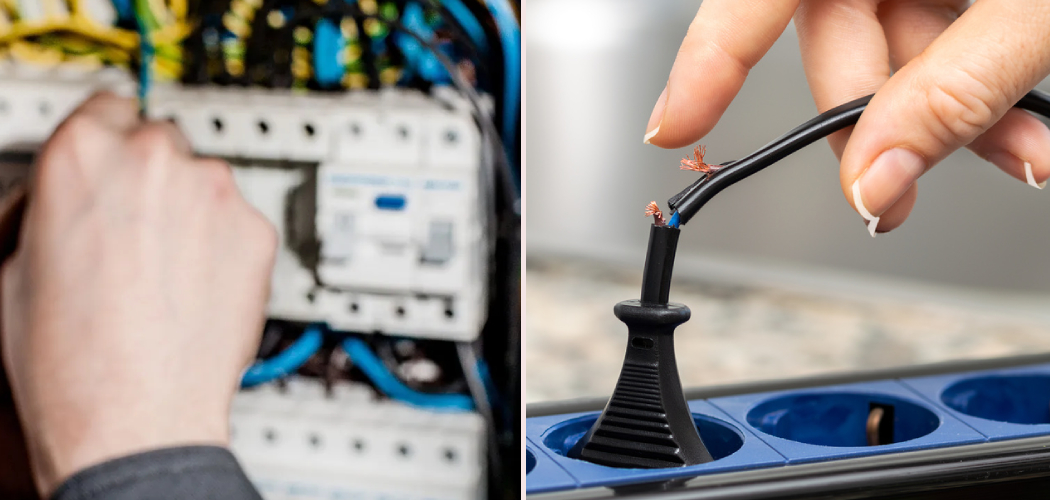
A kitchen mixes water, metal, heat, and power in one busy space, which makes electrical safety more important than many people realize. A small mistake like touching a wet plug, using a damaged cord, or overloading an outlet can lead to a painful shock or even a serious injury. If you are new to home safety, learning how to prevent electric shock in the kitchen gives you a simple way to protect yourself, your family, and your appliances.

In this guide, you will learn the main hazards to watch for, the tools that make kitchen safety easier, and the daily habits that lower your risk. You will also see common mistakes and practical fixes. The purpose of this guide is to help you build safe, confident kitchen habits from the ground up.
Why Understanding Kitchen Electrical Safety Matters
Kitchen electrical safety matters because the kitchen is one of the most high-risk rooms in any home. Water from the sink, steam from cooking, wet hands, metal counters, and plugged-in appliances all increase the chance of electrical contact. Even everyday tasks like making toast or blending soup can become risky when cords are frayed or outlets are poorly placed.
Learning these basics helps you prevent injuries before they happen. It also helps you spot warning signs early, such as buzzing outlets, warm plugs, or tripped breakers. That matters because quick action can stop a minor issue from turning into a dangerous one.
Good safety habits also protect your equipment. When you use outlets, cords, and countertop appliances the right way, you reduce wear, avoid short circuits, and extend the life of the tools you depend on every day.
Tools and Materials
Here are the basic tools and materials that help support kitchen electrical safety:
- GFCI outlets or GFCI protection near sinks and wet areas
- Outlet tester to check whether receptacles are wired correctly
- Surge protector designed for small kitchen appliance use where appropriate
- Dry microfiber cloths for wiping hands and surfaces before plugging in devices
- Electrical tape for temporary cord identification, not permanent repair
- Appliance manuals for safe use, wattage limits, and cleaning instructions
- Flashlight for checking behind counters, under cabinets, and around outlets
- Cord organizers or clips to keep appliance cords away from water and hot surfaces
- Non-slip mat to reduce slipping near wet work zones
- Optional: plug-in GFCI adapter for added convenience in older kitchens
Step-by-Step Guide on How to Prevent Electric Shock in the Kitchen
Step 1 – Identify Every High-Risk Area
Start by looking at your kitchen with safety in mind, not just convenience. Focus first on places where water and electricity sit close together, such as the sink, dishwasher area, coffee station, and countertops near the stove. These zones deserve extra attention because a splash, leak, or wet hand can complete an electrical path in a second.
Walk slowly around the room and note outlet locations, power strips, appliance cords, and any place where moisture collects. Look for steam buildup near kettles and drip marks under small appliances. If an outlet sits close to a sink and does not have GFCI protection, move that issue to the top of your list.
This first inspection gives you a clear picture of where risk lives in your daily routine.
Step 2 – Check Outlets for GFCI Protection
Ground fault circuit interrupter outlets are one of the best defenses against shock in wet areas. They are designed to cut power fast when they detect an imbalance in electrical current. In a kitchen, that quick shutoff can make a major difference if water reaches an appliance or outlet.
Press the test and reset buttons on each GFCI outlet to make sure it works as expected. If an outlet near the sink lacks GFCI protection, have a qualified electrician install one. Do not treat this as a minor upgrade. It is a core safety feature.
When people ask how to prevent electric shock in the kitchen, this is one of the first answers because it protects you even when human habits fail.
Step 3 – Inspect Cords, Plugs, and Appliances
Take time to examine every appliance you use often, including the toaster, microwave, blender, electric kettle, and mixer. Look at the cord from end to end. If you see cracks, exposed wires, melted spots, or bent prongs, stop using that item right away.

Run your fingers lightly along the cord when it is unplugged. A healthy cord should feel smooth and intact, not brittle or sticky. Also smell for any burned odor around plugs or outlet faces. That sharp, heated-plastic smell often points to damage or overload.
Do not repair major appliance cords with household tape. Replace the appliance or have it serviced properly. A damaged plug may still work for a while, but it raises the risk every time you use it.
Step 4 – Keep Water Away from Power Sources
This step sounds obvious, but it is where many kitchen accidents begin. You need more than a general rule to “be careful around water.” Build specific habits that make water and electricity less likely to meet. Dry your hands before touching a switch, plug, or appliance. Wipe counters before setting down powered equipment.
Keep blenders, coffee makers, and other plug-in devices a safe distance from the sink edge. Do not let cords hang where they can brush against puddles or damp cloths. If you clean around appliances, unplug them first and let the area dry fully before plugging them back in.
Safe kitchens rely on routine, not luck. Moisture control is one of the simplest ways to reduce risk without spending much money.
Step 5 – Avoid Overloading Outlets
Many kitchen appliances draw a lot of power, especially heating devices like toasters, air fryers, electric griddles, and microwaves. Plugging too many into one outlet or one power strip can overheat the circuit. That can damage wiring, trip breakers, or create a shock and fire hazard.
Pay attention to what runs at the same time. A coffee maker and toaster may seem harmless together, but adding a space heater or high-watt mixer can push the load too far. If plugs feel warm or the breaker trips often, your setup needs attention.
A safer approach is to spread appliance use across separate outlets and avoid running several high-watt tools at once. Good load management protects both you and your kitchen wiring.
Step 6 – Unplug Appliances the Right Way
Unplugging safely matters as much as plugging in safely. Always grip the plug itself, not the cord. Pulling on the cord weakens the internal wiring over time and can loosen the connection at the plug head. That damage may stay hidden until the appliance sparks or fails.
Get in the habit of unplugging small appliances after use, especially those that heat up. Toasters, kettles, and sandwich makers should not sit powered when idle. This lowers wear and reduces the chance of accidental contact during cleanup.
If you want to know how to prevent electric shock in the kitchen during everyday tasks, this habit belongs near the top of the list. It is quick, free, and easy to repeat every day.
Step 7 – Clean Appliances Safely
Cleaning is a common time for electrical mistakes. People often wipe around plugged-in appliances, spray cleaner too close to buttons or vents, or rush to clean while surfaces are still hot and damp. Those choices raise the chance of shock and equipment damage.
Before cleaning, switch the appliance off and unplug it. Let it cool fully. Use a lightly damp cloth rather than spraying liquid directly onto the unit. Keep moisture away from seams, controls, and cord entry points. If crumbs or residue are stuck inside, follow the manual instead of improvising with metal tools.
A clean kitchen is safer only when cleaning itself is done safely. Slow down here. Most accidents happen during ordinary moments, not dramatic ones.
Step 8 – Watch for Warning Signs and Respond Fast
Electrical systems often give warnings before a serious incident. Listen for buzzing sounds from outlets or switches. Watch for flickering lights when appliances start, outlets that feel warm, scorch marks, or breakers that trip again and again. None of these signs should be ignored.
If you notice any of them, unplug the nearby appliance if it is safe to do so. Stop using that outlet until the cause is checked. Do not keep resetting a breaker without finding the reason behind it. Repeated problems usually mean an overload, a wiring fault, or a failing appliance.
Quick response matters. Treat early signs as a safety alert, not an annoyance, and you can prevent bigger trouble later.
Step 9 – Build Daily Safety Habits for Everyone at Home
The safest kitchen is one where good habits happen automatically. Teach everyone in the household to dry hands before touching plugs, keep cords off wet counters, and avoid using appliances with damaged parts. Children should know that outlets and appliance cords are not toys, and older adults should have easy access to safe outlet locations.
Post simple rules if needed, especially in a busy family kitchen. Check your appliance setup every few weeks. Seasonal changes, new gadgets, and rearranged counters can create new hazards without warning.
When you make safety part of the routine, protection becomes easier to maintain. That is the long-term answer to a safer kitchen: steady habits practiced by everyone who uses the space.
Common Mistakes
One common mistake is using appliances with wet hands because the task feels small and familiar. People often think a quick touch will not matter, but moisture lowers resistance and makes electrical contact more dangerous. Another mistake is placing appliances too close to the sink for convenience. A short cord run may look tidy, yet it increases the chance of splashes reaching the plug or outlet.
Many people also ignore damaged cords until the appliance stops working. Fraying, loose plugs, and bent prongs are not cosmetic issues. They are warning signs that the protective barrier around the current is failing. Using extension cords as a long-term kitchen fix is another problem. Most are not ideal for heavy appliance loads, especially in warm, damp spaces.
A final mistake is dismissing early signs like buzzing outlets or repeated breaker trips. People reset the breaker and move on, which allows the root issue to grow. What most people do is wait for a clear failure. What works is acting at the first hint that something is off. Fast action reduces the risk of shock, equipment damage, and more costly repairs later.
Expert Tips
Treat your kitchen safety check like a monthly reset. Test GFCI outlets, inspect cords, and look behind appliances for trapped moisture, grease, or heat damage. These quick checks take only a few minutes, but they catch problems early.

Label high-watt appliances if several people share the kitchen. That makes it easier to avoid running too many at once. If your home is older, consider having an electrician review kitchen circuits and outlet placement. Many safety issues come from outdated wiring, not careless use.
Also pay attention to appliance quality. Cheap replacement cords, loose adapters, and bargain power accessories often create weak points in the system. Reliable equipment and simple habits work better than last-minute fixes.
Frequently Asked Questions
Can you get an electric shock from a kitchen appliance that is turned off?
Yes, you can. If the appliance is still plugged in, electricity is still present at the cord, plug, and outlet connection. A damaged cord, internal fault, or wet surface can still create danger. That is why unplugging appliances after use adds an extra layer of protection, especially near sinks and prep areas.
What is a GFCI outlet and why is it important in a kitchen?
A GFCI outlet is a safety device that shuts off power quickly when it senses a current imbalance. In a kitchen, that matters because water raises the risk of shock. If a fault occurs, the outlet reacts much faster than a standard one, which helps reduce the chance of serious injury.
Is it safe to use an extension cord for kitchen appliances?
It is usually best to avoid extension cords for regular kitchen appliance use. Many kitchen devices draw high wattage, and extension cords can overheat or create unstable connections. If you must use one briefly, choose a heavy-duty cord rated for the appliance, keep it dry, and never run it under rugs or across wet areas.
What should I do if an outlet sparks in the kitchen?
A small spark can happen occasionally when plugging in some devices, but repeated sparking is a warning sign. Stop using the outlet right away if the spark is large, loud, or paired with a burning smell, heat, or discoloration. Unplug nearby appliances if safe, and have the outlet checked by a qualified electrician.
How often should I inspect kitchen cords and outlets?
A quick visual check every month is a good standard, especially for appliances you use often. Look for frayed cords, loose plugs, cracked outlet covers, and signs of heat. You should also inspect right away after any leak, spill, breaker trip, or appliance malfunction. Frequent checks help you catch hazards before they become emergencies.
Conclusion
Kitchen electrical safety comes down to simple actions done well and done often. Keep water away from outlets and appliances, use working GFCI protection, inspect cords, avoid overloaded circuits, and respond fast to warning signs. These steps do not require advanced skill, but they do require steady attention.
If you are learning how to prevent electric shock in the kitchen, start with a full safety check today. Test your outlets, move appliances away from wet zones, and stop using anything with visible cord damage. Then turn those checks into regular habits.
A safer kitchen is not built through one big fix. It is built through small, smart choices that protect you every time you cook, clean, or plug something in. Review your setup, correct one risk at a time, and make electrical safety part of your daily routine.

About
Nick Hall has spent the last seven years working at the intersection of kitchen design and home repair — first as a design assistant at a residential renovation studio, then as a freelance writer covering everything from cabinet layouts to leaky faucet fixes.
Her approach is simple: kitchens should look good and function well. That means she’s just as comfortable talking about color palettes and counter materials as she is walking readers through how to fix a wobbly cabinet hinge or troubleshoot a garbage disposal.
Nick has worked directly with homeowners on small-space kitchen makeovers, budget-conscious renovations, and the kind of everyday repairs that don’t need a contractor — just the right instructions. She writes from experience, not theory, and tests most of the fixes and tips she shares before publishing them.
When she’s not writing, Nick is usually hunting for mid-century kitchen finds at estate sales or helping friends plan their own renovations. She lives in Columbus, Ohio.