
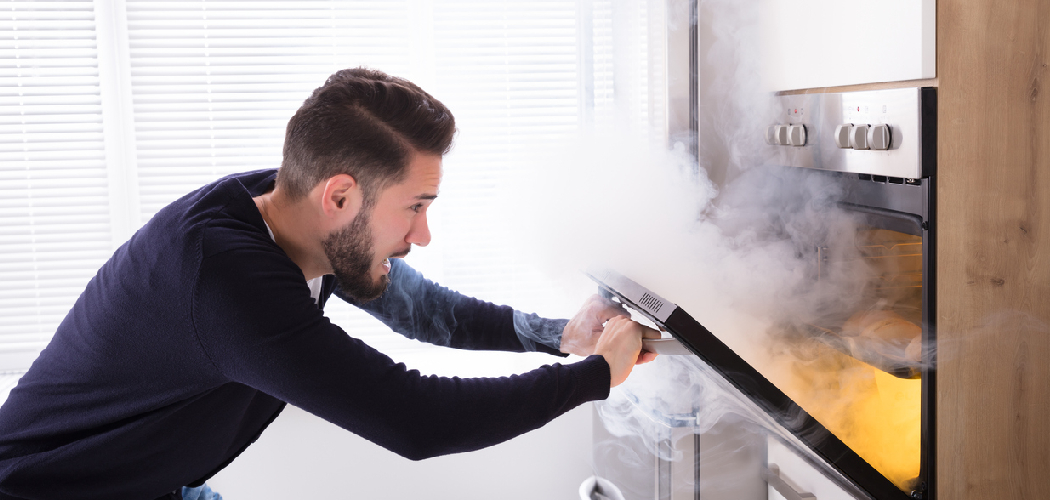
A smoky kitchen can feel stressful fast, especially if you are new to cooking or dealing with a sudden flare-up on the stove. The good news is that most indoor cooking smoke clears much faster when you take the right steps in the right order. If you know how to clear smoke from kitchen, you can improve air quality, reduce odors, and make the space feel safe and comfortable again without making the problem worse.

This guide will walk you through simple, practical steps to remove smoke, freshen the air, and prevent the same issue from happening again.
Why Learning to Clear Smoke From a Kitchen Matters
Knowing how to handle kitchen smoke is a useful home skill, but it also helps campers and outdoor beginners who cook in cabins, RVs, vans, or small indoor camp kitchens. In those spaces, smoke builds up quickly because ventilation is often limited. A little burnt oil, a hot pan, or damp firewood brought inside can create a lot of haze in a short time.
When you learn to clear smoke properly, you protect your lungs, reduce lingering cooking smells, and lower the chance of setting off smoke alarms again and again. You also become more confident in unfamiliar cooking setups. Whether you are in a house, a rental cabin, or a camper, the same basic habits help you restore clean air and stay calm under pressure.
Tools and Materials You’ll Need
Before you start, gather a few basic items so you can work quickly and safely:
- Oven mitts or heat-resistant gloves to handle hot cookware
- A fan, box fan, or ceiling fan to improve airflow
- Access to windows and doors for cross-ventilation
- A clean towel or paper towels for wiping grease and residue
- Mild dish soap and warm water for cleaning smoky surfaces
- A trash bag for burnt food, charred paper, or other odor sources
- Baking soda to help absorb stubborn smells after the smoke clears
- A range hood or exhaust fan, if your kitchen has one
- Optional: an air purifier with a carbon filter for faster odor control
These simple tools help you remove the source, move stale air out, and make the room feel normal again.
Step-by-Step Guide on How to Clear Smoke From Kitchen
Step 1 – Turn Off the Heat and Stop the Source
Your first move is to stop whatever is making the smoke. Turn off the burner, oven, toaster oven, or broiler right away. If food is burning, do not stand there watching it continue to smoke. End the heat source first so the smoke does not keep building.
If a pan is still very hot, move it carefully to a cool burner or a heat-safe surface if you can do so safely. Use oven mitts and stay calm. You may hear sizzling oil, smell scorched butter, or see a gray cloud rising from the pan. That is normal in the moment, but you want it contained. Once the heat is off, the room stops getting worse, and you can focus on clearing the air.
Step 2 – Open Windows and Create Cross-Ventilation
Fresh air is your best friend when smoke hangs in the kitchen. Open nearby windows as wide as possible. If you have a back door, patio door, or another window across the room, open that too. Moving air through the space works much better than opening only one small window.
This is the first practical move in how to clear smoke from kitchen because it gives the smoke a path to leave. You may notice the air shift right away, especially if there is even a light breeze outside. The sharp burnt smell often starts to thin within a few minutes. If it is cold or rainy outside, still open the windows for a short period. A quick exchange of air matters more than indoor comfort for those first several minutes.

Step 3 – Turn On the Exhaust Fan or Range Hood
Once windows are open, switch on your range hood or kitchen exhaust fan at the highest setting. If your microwave has a vent fan underneath, use that too. Mechanical ventilation helps pull smoky air upward and out before it spreads deeper into the house.
Listen for the fan and stand under it for a second to make sure it is actually drawing air. Some range hoods recirculate air through a filter instead of venting outside, but they can still help catch grease and reduce some odor. If the smoke is dense, let the fan run longer than you think you need. The room may still smell burnt at first, but the haze should begin to lift. Keep interior doors open only if you need airflow. Otherwise, close doors to keep smoke from drifting into bedrooms and closets.
Step 4 – Use a Fan to Push Smoke Out
A portable fan can speed things up a lot when used the right way. Place a box fan or standing fan near an open window and aim it outward. That pushes smoky indoor air outside instead of blowing it around the room. If you have a second fan, place it farther back to help move fresh air toward the kitchen.
This step is often what makes how to clear smoke from kitchen feel manageable instead of frustrating. You can usually see the difference as the smoky layer near the ceiling starts to break apart. The smell may go from harsh and heavy to faint and dry. Avoid pointing a fan directly at the smoky pan or source if grease is involved, since that can spread particles around. Focus on airflow direction, not speed alone.
Step 5 – Remove Burnt Food and Smoke-Causing Debris
Even after the visible smoke fades, the source can keep releasing odor. Toss burnt toast, scorched paper, charred food scraps, or overheated packaging into a sealed trash bag and take it outside. If a pan has blackened food stuck to it, move it to the sink only after it cools enough to handle safely.
The smell of burned garlic, oil, or melted plastic can cling to the room if the source stays inside. You may not see fresh smoke anymore, but your nose will tell you the problem is not gone. Clearing the kitchen means removing what caused the issue, not just opening a window. If the oven caused the problem, check for drips or burnt bits on the bottom once it cools. Small leftovers can keep producing that stale, acrid smell long after cooking ends.
Step 6 – Wipe Down Nearby Surfaces
Smoke leaves behind more than odor. It can settle as a thin film on counters, backsplash tile, cabinet fronts, and the stovetop. Mix a little dish soap with warm water and wipe down the surfaces closest to the smoke source. This helps remove greasy particles that hold onto burnt smells.
Focus on areas that feel tacky or smell strongest when you lean in. You may notice that the air seems cleaner once the residue is gone, even if the kitchen looked fine before. If you skip this step, the room can keep smelling smoky for hours or even days. Use a clean cloth and rinse it often so you are not spreading residue around. Gentle cleaning works well. You do not need harsh chemicals to get rid of most cooking smoke.
Step 7 – Absorb Lingering Odors
After the smoke clears, stubborn odor can still hang in the air. Place small bowls of baking soda around the kitchen, especially near the stove, sink, or trash area. Baking soda helps absorb odors over time and is a simple fix for mild to moderate leftover smell.
You can also run an air purifier if you have one, especially a model with a carbon filter. That is helpful when the air feels stuffy even after ventilation. Avoid spraying heavy perfume-like air fresheners right away. They often mix with the burnt smell and make the room feel worse. Instead, aim for neutral, clean air first. Once the kitchen smells mostly normal again, you can simmer lemon slices or open the space to fresh outdoor air for a little longer to finish the job.

Step 8 – Reset the Kitchen and Prevent the Next Smoke Event
When the air is clear, take a minute to figure out what caused the smoke. Maybe the pan was too hot, oil reached its smoke point, food dripped in the oven, or the range hood filter was clogged. Small details matter. Prevention is easier than cleanup.
Check your cookware, wipe any remaining residue, and wash filters if needed. Next time, preheat more carefully, use the right burner size, and keep a closer eye on food that browns quickly. If you often cook high-heat meals, open a window or start the exhaust fan before you begin. These habits make your kitchen easier to manage and less stressful to cook in. Clear air, clean surfaces, and a little planning go a long way toward keeping smoke from becoming a repeat problem.
Common Mistakes When Clearing Smoke From a Kitchen
One common mistake is panicking and waving a towel through the air. That may feel useful, but it usually just pushes smoke around the room and into nearby hallways. Another mistake is leaving the burnt item in the kitchen while trying to freshen the air. If the source stays inside, the smell stays with it.
Many people also turn on a fan in the wrong direction. If the fan faces into the kitchen from the window, it can spread smoke deeper into the home instead of pushing it out. Placement matters more than raw power. A fan should help create a clear exit path for smoky air.
A third mistake is forgetting to clean surfaces after the visible haze is gone. Smoke and grease settle on cabinets, counters, and stove controls. If you skip that cleanup, the kitchen may still smell burnt the next morning. Some people also rely too heavily on scented sprays or candles. Those products can cover the odor for a moment, but they do not remove smoke particles or grease residue.
Finally, people often restart cooking too soon. Give the room time to clear, clean the area, and fix the cause first. That makes the kitchen safer and much more comfortable.
Expert Tips
Start ventilation early whenever you cook at high heat. If you are searing meat, frying food, or broiling, turn on the range hood before the pan gets hot. That one habit prevents a lot of smoke buildup. It also keeps grease from settling as heavily on nearby surfaces.
Clean your hood filter and stovetop regularly. A greasy filter cannot move air well, and old residue can start smoking again the next time you cook. Use oils with the right smoke point for your recipe, and avoid overcrowding a hot pan. Too much food lowers control, traps steam, and often leads to burning. If your kitchen smokes often, consider adding a small air purifier nearby for extra support after cooking.
Frequently Asked Questions
How long does it take to clear smoke from a kitchen?
It depends on how heavy the smoke is and how quickly you improve airflow. Light smoke from burnt toast may clear in 10 to 20 minutes with open windows and a fan. Heavier smoke from oil or oven spills can take longer, especially if the odor has settled onto surfaces. Cleaning the source and wiping nearby areas usually speeds things up.
Should I use the air conditioner when the kitchen is smoky?
Usually, no. Central air can pull smoky air through vents and spread the smell to other rooms. It is better to use open windows, an exhaust fan, and a portable fan aimed outward first. Once the smoke is gone and the air smells cleaner, you can turn the system back on if needed.
What removes burnt smell from the kitchen fastest?
The fastest method is a combination of actions. Remove the burnt item, open windows, turn on the exhaust fan, and use a portable fan to push air outside. After that, wipe down greasy surfaces and set out baking soda or run an air purifier. Odor fades much faster when you deal with both the air and the residue.
Is kitchen smoke dangerous if it is only from cooking?
Cooking smoke can still irritate your eyes, throat, and lungs, especially in a small or poorly ventilated kitchen. Smoke from overheated oil, burnt food, or melted materials is not something you want to breathe for long. If the smoke is thick, step into fresh air for a moment, then return to ventilate the room safely.
Why does my kitchen still smell smoky after the air looks clear?
Visible smoke often disappears before the smell does. That is because tiny particles and grease can cling to cabinets, walls, fabrics, and filters. The room may look normal but still hold odor. Clean the nearby surfaces, empty the trash, and keep airflow moving for a while longer. That usually solves the problem.
Conclusion
Clearing kitchen smoke is mostly about staying calm and acting in the right order. First, stop the heat and remove the cause. Next, open windows, turn on the exhaust fan, and use a portable fan to push smoky air outside. Then clean surfaces and deal with leftover odor so the kitchen feels fresh again. These steps are simple, but they work because they address both the visible haze and the hidden residue that holds onto smell.
Once you practice this process a time or two, it becomes much less intimidating. You do not need special equipment to handle most everyday cooking smoke. You just need good airflow, quick cleanup, and better prevention the next time you cook. If you remember the basics of how to clear smoke from kitchen, you will protect your indoor air, keep your space more comfortable, and feel much more confident every time something starts to burn.

About
Nick Hall has spent the last seven years working at the intersection of kitchen design and home repair — first as a design assistant at a residential renovation studio, then as a freelance writer covering everything from cabinet layouts to leaky faucet fixes.
Her approach is simple: kitchens should look good and function well. That means she’s just as comfortable talking about color palettes and counter materials as she is walking readers through how to fix a wobbly cabinet hinge or troubleshoot a garbage disposal.
Nick has worked directly with homeowners on small-space kitchen makeovers, budget-conscious renovations, and the kind of everyday repairs that don’t need a contractor — just the right instructions. She writes from experience, not theory, and tests most of the fixes and tips she shares before publishing them.
When she’s not writing, Nick is usually hunting for mid-century kitchen finds at estate sales or helping friends plan their own renovations. She lives in Columbus, Ohio.