
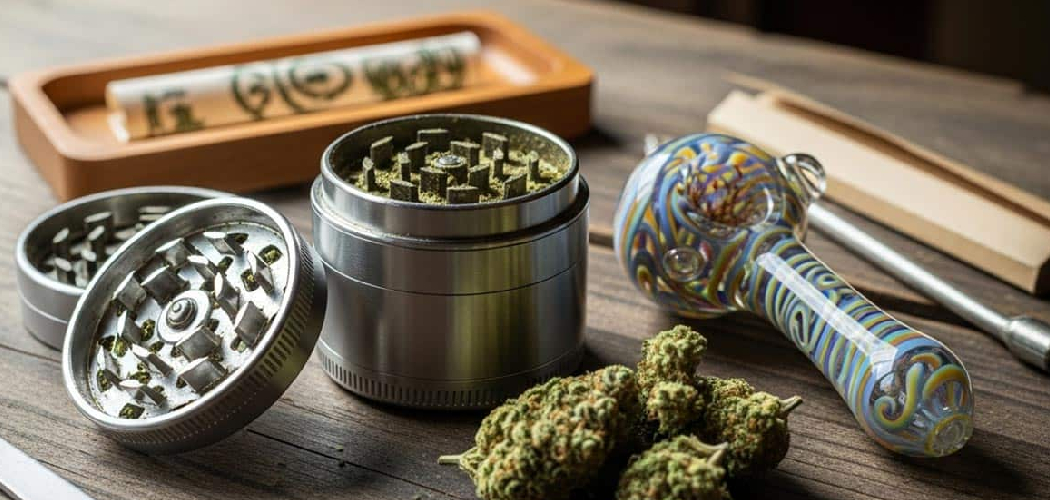
A metal grinder works hard every time you crush herbs and spices, so it slowly fills up with sticky residue, fine particles, and oily buildup. Before long, the lid sticks, the teeth feel gummy, and your spices lose that fresh, punchy aroma.
The good news? You don’t need any special skills or expensive products to fix this. With a few common household items and a little patience, you can bring your grinder back to like-new condition right at your kitchen sink.
If you’ve been wondering how to clean a metal grinder without damaging it, you’re in exactly the right place. This guide walks you through every step, from the metal teeth to the kief screen, so your grinder spins smoothly, smells fresh, and grinds better than it has in ages.

Why Cleaning a Metal Grinder Matters
A clean grinder does more than look nice. Old residue traps moisture and odor, dulls the flavor of whatever you grind next, and slowly gums up the metal teeth until they barely turn. Regular maintenance keeps the action smooth, protects the threads from grinding themselves down, and stops cross-flavors from ruining a fresh batch of spices.
There’s a hygiene factor too, since buildup is a perfect hiding spot for grime and bacteria.
This habit pays off outdoors as well. Campers and outdoor cooks know that gear care, cleanliness, and packing light all matter when you’re far from a full kitchen. Learning to clean and maintain small tools at home builds the self-reliance that makes camp cooking easier, keeps your gear lasting longer, and ensures every meal tastes the way it should.
Tools and Materials You’ll Need
You probably have most of these items in your kitchen already. Gather everything before you start so the job goes quickly and smoothly:
- A soft brush or old toothbrush for loosening stuck particles
- Isopropyl alcohol (90% or higher) to dissolve sticky residue and oily buildup
- Warm water and a few drops of dish soap for a gentle wash
- A small bowl or container to soak the parts
- A toothpick or cotton swab for reaching tight corners and the screen
- A clean, dry towel or paper towels for drying
- A pair of tweezers to clear stubborn bits from the kief screen
One optional convenience item: a small ultrasonic cleaner. If you clean grinders often, it shakes loose buildup from every crevice with almost no scrubbing, making maintenance effortless.
Step-by-Step Guide on How To Clean A Metal Grinder
Step 1 – Empty and Take the Grinder Apart
Start by tapping out all the loose contents into the trash or a bowl. Hold the grinder upside down and give it a few firm taps against your palm to free the stray particles clinging inside.
Now unscrew the pieces. Most metal grinders separate into a lid, a grinding chamber with teeth, a collection chamber, and a fine kief screen at the bottom. Twist each section apart gently.
Lay the parts out on a towel so nothing rolls away. As you separate them, you’ll notice where the buildup hides most, usually around the metal teeth and the threads. Taking everything apart gives you full access to every surface, which makes the rest of the job far easier.
Step 2 – Brush Away the Loose Residue
Before any liquid touches the metal, grab your soft brush or old toothbrush and sweep out the dry, loose residue. Work over the metal teeth, into the corners of each chamber, and across the kief screen.
You’ll feel the fine particles flake loose under the bristles, and a fresh, earthy smell may rise as you stir them up. Brush gently around the screen, since the fine mesh bends easily if you press too hard.
A toothpick helps here too, poking out packed bits wedged between the teeth or stuck in the threads. Getting rid of this dry layer first means your soak does less work later. Tap the parts again to release everything you’ve loosened.
Step 3 – Soak the Parts in Isopropyl Alcohol
For the sticky residue that brushing can’t budge, isopropyl alcohol is your best friend. Pour enough into a small bowl to fully cover the metal parts, then drop them in.
Let them soak for fifteen to thirty minutes. As they sit, the alcohol dissolves the oily buildup, and you’ll watch the liquid turn cloudy and brown. That color tells you it’s working.
Skip the kief screen if it’s delicate, or soak it only briefly. Swirl the bowl now and then to speed things along. Knowing how to clean a metal grinder well means trusting this soak to break down the gunk so you barely have to scrub. The smell will be sharp, so keep a window open while you wait.
Step 4 – Scrub the Metal Teeth and Threads
After the soak, pull the parts out one at a time. The residue should feel soft and loose now, ready to wipe away with little effort.
Use your toothbrush to scrub the metal teeth, working the bristles between each point to clear the gunk. Run the brush along the threads too, since stuck buildup there is what makes the lid hard to turn.
A cotton swab reaches the tight spots a brush can’t. You’ll feel the surface go from gritty to smooth as the buildup lifts free. Take your time with the screen, brushing lightly so the mesh stays intact. Once every part feels clean and the teeth gleam, you’re ready to rinse off the alcohol.

Step 5 – Rinse With Warm Water and Dish Soap
Now wash off the loosened residue and any leftover alcohol. Fill your bowl with warm water and add a few drops of dish soap, then swish the parts around.
The warm water rinses away the dissolved buildup while the soap cuts any remaining oily film. Give each piece a quick scrub with the brush if you spot a stubborn patch.
Pay attention to the threads and the inside corners, where soap can hide. Rinse everything thoroughly under clean running water until no suds remain and the metal squeaks when you touch it. You’ll notice the parts already look brighter. A good rinse here prevents soapy or alcohol tastes from sneaking into your next grind, so don’t rush it.
Step 6 – Clear the Kief Screen
The fine kief screen needs special care, since clogged mesh blocks the powder from passing through. Hold it up to the light and check for trapped particles dimming the holes.
Use a soft brush in small circles to coax the buildup free, brushing from both sides. For packed spots, a toothpick or the tip of your tweezers gently lifts out the debris without tearing the mesh.
Go slowly and use a light touch, because the screen is the most fragile part of the whole grinder. As the holes clear, you’ll see the light shine through brightly again. A clean screen keeps your grinder working the way it should, letting every bit of fine powder fall where it belongs.
Step 7 – Dry Everything Completely
Drying matters more than people think. Leftover moisture causes rust on the metal, dulls the teeth, and invites that musty smell you worked so hard to remove.
Pat each part with a clean, dry towel, then spread the pieces out on a fresh cloth. Let them air-dry for at least thirty minutes, longer if your kitchen is humid.
Make sure the threads and the screen are bone-dry, since water loves to hide in those spots. You can speed things up with a hair dryer on low if you’re impatient. Run your finger along the metal to confirm there’s no dampness left. Only fully dry parts go back together, so resist the urge to rush this final waiting step.
Step 8 – Reassemble and Test
With every piece clean and dry, it’s time to put your grinder back together. Set the screen in place first, then stack the chambers, and finish by screwing on the lid.
Thread the lid on slowly to avoid cross-threading, and you’ll feel it turn smoothly now that the buildup is gone. Give the grinder a few test spins.
Listen for that easy, gritty turn and notice how freely the teeth move compared to before. Add a small pinch of dry spice and grind it to confirm everything flows right through the screen. Mastering how to clean a metal grinder this way keeps it spinning like new, and regular maintenance means you’ll rarely face heavy buildup again.

Critical Mistakes When Cleaning a Metal Grinder
Even an easy job can go wrong if you rush or skip the right steps, so let’s cover the slip-ups that trip people up most.
The biggest mistake is putting your metal grinder in the dishwasher. The harsh heat and detergent can dull the finish, warp delicate parts, and ruin the fine kief screen. Hand washing is always the safer choice.
Another common error is scrubbing the screen too hard. That mesh is fragile, and one heavy pass with a stiff brush or a sharp tool can tear it or stretch the holes, letting powder slip through where it shouldn’t. Always use a light touch.
Many folks also reassemble the grinder while it’s still damp. Trapped moisture leads to rust on the metal teeth, sticky threads, and a musty smell that defeats the whole cleaning. Let every part dry fully first.
Skipping the soak is another miss. Trying to scrub off thick, oily buildup without softening it first wastes effort and can scratch the metal. Finally, don’t use harsh abrasives like steel wool, since they scratch the surface and create rough spots where residue clings even faster next time.
Expert Tips
A few smart habits keep your grinder fresh with far less effort between deep cleans.
Pop your metal grinder in the freezer for fifteen minutes before cleaning. The cold hardens the sticky residue, so it flakes off the teeth and threads more easily under your brush.
Give it a quick brush-out after every few uses. This little habit stops heavy buildup from ever forming, which means you’ll rarely need a full alcohol soak.
Always grind dry herbs and spices, never anything damp, since moisture is the main cause of clogs and sticky gunk. And store your grinder in a cool, dry spot with the lid loosely on, so air can circulate and odors don’t settle into the metal between uses.
Frequently Asked Questions
How often should I clean my metal grinder?
It depends on how much you use it. Give it a quick brush-out every few uses to clear loose particles, and do a full deep clean with isopropyl alcohol once a month. Watch for these signs that it’s time:
- A lid or chamber that’s hard to twist
- A clogged kief screen that won’t let powder through
- A stale or musty smell when you open it
Catching buildup early keeps the job quick.
Can I put a metal grinder in the dishwasher?
It’s best to avoid the dishwasher. The intense heat and strong detergent can dull the metal finish, loosen the parts, and damage the delicate kief screen over time. Hand washing with warm water, dish soap, and a soft brush is gentler and just as effective. For sticky buildup, soak the parts in isopropyl alcohol first, then rinse and dry them fully by hand.
What’s the best thing to dissolve sticky residue?
High-proof isopropyl alcohol, ideally 90% or higher, works best for breaking down oily buildup and sticky residue on metal. Soak the parts for fifteen to thirty minutes and the gunk lifts right off. For a milder option, warm water with dish soap handles light residue. Always rinse thoroughly afterward and let everything dry completely so no alcohol or soap taste lingers on your next grind.
Why is my grinder hard to twist?
A stiff, hard-to-turn grinder almost always means buildup on the metal threads and teeth. Sticky residue acts like glue, gripping the parts as you twist. Take the grinder apart, brush out the dry bits, then soak the pieces in isopropyl alcohol to dissolve the gunk. Scrub the threads with a toothbrush, rinse, and dry well. Once clean, the lid should spin smoothly and freely again.
How do I clean the kief screen without damaging it?
Treat the screen as the most fragile part. Brush it gently in small circles with a soft brush from both sides to free trapped particles. For packed spots, lift the debris out with a toothpick or tweezers using a light touch. Avoid stiff brushes, sharp scraping, or long alcohol soaks, since these can stretch or tear the mesh. Hold it to the light afterward to confirm the holes are clear.
Conclusion
Bringing a metal grinder back to life is one of the most satisfying little kitchen tasks you can tackle yourself. With just a soft brush, some isopropyl alcohol, and a bit of warm soapy water, you’ve cleared the sticky residue, freed up the metal teeth, unclogged the kief screen, and chased away that stale smell. No replacement, no fuss, just a tool that spins like new.
Remember the key moves: take it apart, brush out the loose bits, soak away the oily buildup, scrub the teeth and threads, rinse, and dry everything completely before putting it back together. Each step builds on the last for a truly fresh result.
Now that you know how to clean a metal grinder from top to bottom, you can keep it working smoothly with quick, regular maintenance. Brush it out often, grind only dry spices, and store it in a cool, dry spot. Set aside half an hour this week, gather your supplies, and give your hardworking grinder the care it deserves. Your spices, and your taste buds, will thank you.

About
Nick Hall has spent the last seven years working at the intersection of kitchen design and home repair — first as a design assistant at a residential renovation studio, then as a freelance writer covering everything from cabinet layouts to leaky faucet fixes.
Her approach is simple: kitchens should look good and function well. That means she’s just as comfortable talking about color palettes and counter materials as she is walking readers through how to fix a wobbly cabinet hinge or troubleshoot a garbage disposal.
Nick has worked directly with homeowners on small-space kitchen makeovers, budget-conscious renovations, and the kind of everyday repairs that don’t need a contractor — just the right instructions. She writes from experience, not theory, and tests most of the fixes and tips she shares before publishing them.
When she’s not writing, Nick is usually hunting for mid-century kitchen finds at estate sales or helping friends plan their own renovations. She lives in Columbus, Ohio.