
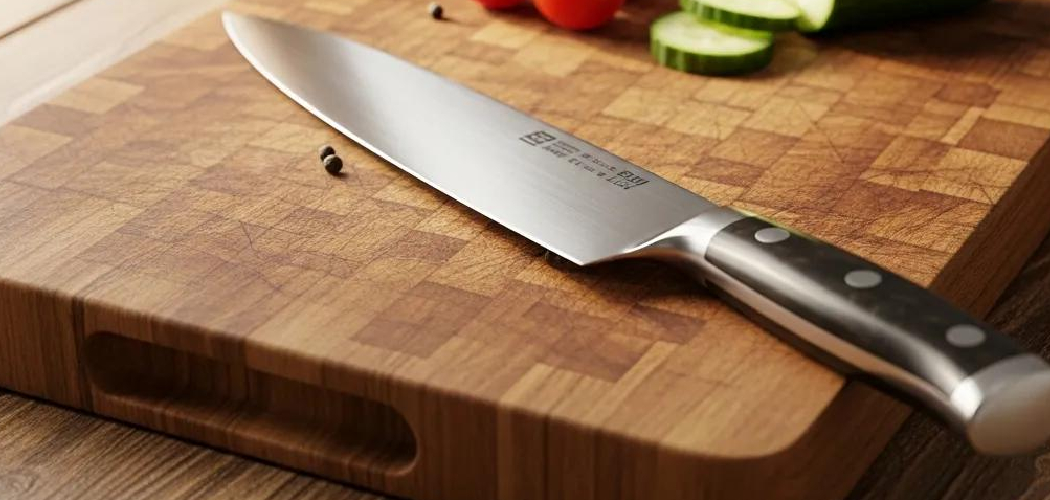
A wooden cutting board is the heart of a busy kitchen. It handles your veggies, your bread, your Sunday roast, and just about everything in between. But over time, that beautiful butcher block soaks up odors, stains, and bits of raw meat residue you can’t always see.
A quick rinse won’t cut it. To keep your board safe and fresh, it needs a real, thorough clean now and then.
The good news? You can do this yourself with simple pantry items, no fancy gear required. This guide walks you through how to deep clean wood cutting board surfaces step by step, so your favorite board stays hygienic, smooth, and ready for years of chopping.
Why Deep Cleaning a Wood Cutting Board Matters
Wood is naturally porous, which means it traps moisture, food particles, and bacteria deep in the grain. Skip regular deep cleaning, and your board becomes a hidden home for odors and germs that plain dish soap won’t reach.
A clean board protects your food and your family. It also keeps the wood smooth and crack-free for the long haul.
For campers and outdoor beginners, this skill is gold. Out on a trip, you’re often prepping food with limited water and no dishwasher in sight. Knowing how to sanitize a board with coarse salt and lemon, then dry it properly, keeps your camp kitchen safe. Good kitchen hygiene matters even more outdoors, where bacteria thrive and clean gear is harder to find.
Tools and Materials You’ll Need
Gather your supplies before you begin so the job runs smoothly. Most of these sit right in your pantry already.
- Coarse salt – scrubs away grime and lifts trapped particles
- A fresh lemon – natural acid that cuts odors and brightens stains
- White vinegar – disinfects and tackles lingering smells
- Baking soda – gentle scrub for stubborn stains and odors
- Warm water – rinses and loosens stuck-on food
- A drop of dish soap – for everyday grease and grime
- A soft scrub brush or sponge – works the cleaner into the grain
- A clean towel – for drying
- Mineral oil or board cream (optional) – for conditioning after cleaning
Steer clear of bleach and harsh chemicals, since they soak into the wood and aren’t food-safe. With these basics ready, you’re set to give your board the care it deserves.
Step-by-Step Guide on How To Deep Clean Wood Cutting Board
Step 1 – Clear and Pre-Rinse the Board
Start by clearing your board of all crumbs, peels, and leftover bits. Give it a good shake over the trash, then brush off anything clinging to the surface.
Next, rinse the board under warm running water. Keep the stream gentle and quick, since you don’t want to soak the wood through.
You’ll feel the loose food slide away under your fingers. This first rinse clears the way so your cleaning agents can reach the grime that’s settled into the grain.
Don’t drench the board or let it sit in a sink full of water. A fast rinse is all you need here. This simple start sets you up for a much deeper clean in the steps ahead.
Step 2 – Wash With Warm Water and Dish Soap
Now give the board a proper wash. Add a small drop of dish soap to your sponge or scrub brush, then work it across the surface in firm, even strokes.
Follow the direction of the grain as you scrub. You’ll see soapy suds lift away grease, sauce, and the day’s everyday mess.
Pay close attention to any knife marks, since food and bacteria love to hide in those tiny grooves. Work the soap into them gently but thoroughly.
Rinse the board under warm water until the suds vanish completely. Run your hand over the surface, and it should feel clean and slightly slick. This wash handles the surface grime before you tackle the deeper odors and stains.
Step 3 – Sprinkle Coarse Salt Over the Surface
Here’s where the natural magic begins. Sprinkle a generous layer of coarse salt evenly across the damp board.
The salt acts like a gentle scrubbing agent, digging into the grain to pull out trapped food particles and moisture. It’s one of the oldest tricks for cleaning a wooden cutting board, and it truly works.
Don’t be shy with the amount. You want enough to coat the whole surface, especially over any stained or smelly spots.
Let the salt sit for a moment while you grab your lemon. You’ll notice the crystals start to draw out grime as they settle. This humble pantry item is about to do some serious heavy lifting for your board’s deep clean.
Step 4 – Scrub With Half a Lemon
Cut a lemon in half and grab one piece, cut-side down. Press it onto the salt-covered board and start scrubbing in small circles.
As you work, the lemon juice mixes with the salt to form a natural paste. You’ll smell that bright, fresh citrus scent fill the air, and that’s the odors lifting away.
The acid in the lemon breaks down stains, while the salt scours the grain. Together they sanitize and freshen without any harsh chemicals.
Squeeze gently as you go to release more juice over stubborn spots. Cover the entire surface, paying extra attention to dark stains and areas that touched raw meat. This combo is a powerhouse for safe, natural cleaning that’s gentle on the wood.
Step 5 – Tackle Stains and Odors With Baking Soda
For stains and smells that won’t budge, baking soda is your next ally. Sprinkle it directly over the trouble spots, then add a splash of warm water to form a thick paste.
Knowing how to deep clean wood cutting board surfaces means treating the toughest areas with extra care. Work the paste in with your fingers or a soft brush, scrubbing in slow circles.
You’ll feel the gritty paste lift dark stains and neutralize lingering odors. Baking soda is mildly abrasive, so it cleans without scratching the wood.
Let it sit for five minutes to do its job. The longer it works, the more it pulls out. This step rescues boards that look tired, dull, or stained beyond hope.
Step 6 – Sanitize With White Vinegar
Now it’s time to disinfect. Pour a little white vinegar onto a clean cloth, or spray it lightly across the board’s surface.
Vinegar is a natural, food-safe sanitizer that kills lingering bacteria left behind by raw meat residue. You’ll catch its sharp, clean scent, which fades fast as the wood dries.
Wipe the whole surface, working the vinegar into the grain and any knife marks. Let it sit for a minute or two so it can do its sanitizing work.
There’s no need to rinse heavily afterward, since vinegar is harmless and evaporates quickly. A light wipe with a damp cloth is plenty. This step gives you real peace of mind that your board is truly clean and safe to use.
Step 7 – Rinse and Dry the Board Upright
Give your board a final rinse under warm water to wash away all the salt, lemon pulp, baking soda, and vinegar. Run your fingers across it to make sure no gritty residue remains.
Pat the board dry with a clean towel, soaking up as much moisture as you can. Then, and this part is key, stand it upright to air-dry fully.
Drying upright lets air reach both sides evenly. Laying it flat traps moisture underneath, which leads to warping and cracking over time.
Pick a spot with good airflow and let it sit for several hours. You’ll know it’s ready when the wood feels completely dry and cool to the touch.
Step 8 – Condition With Mineral Oil
Once your board is bone-dry, treat it to a little conditioning. Pour a small amount of food-grade mineral oil or board cream onto a clean cloth.
Rub it into the wood, following the grain in long, even strokes. You’ll watch the surface drink it in, turning rich and warm in color.
This oil seals the grain, locking out moisture and preventing the cracking and warping that ruin neglected boards. It also keeps the wood smooth and beautiful.
Let the oil soak in for a few hours, or overnight if you can. Wipe off any excess with a dry cloth before storing. Regular conditioning, every few weeks, keeps your butcher block looking and performing like new for years.
Critical Mistakes When Deep Cleaning a Wood Cutting Board
Even careful cooks make slip-ups that quietly damage their boards. The biggest one is soaking the board in water or running it through the dishwasher. Wood absorbs moisture fast, and prolonged soaking leads to swelling, warping, and ugly cracks that can’t be undone. Always wash quickly and dry upright instead.
Another common mistake is reaching for bleach or harsh chemical cleaners. These soak deep into the porous wood and aren’t food-safe, leaving residue right where you prep your meals. Stick to natural options like salt, lemon, and vinegar that clean without the risk.
Many people also skip conditioning entirely. Without regular oil, the wood dries out, splits, and turns rough over time. A dry, cracked board traps bacteria far more easily than a well-oiled one.
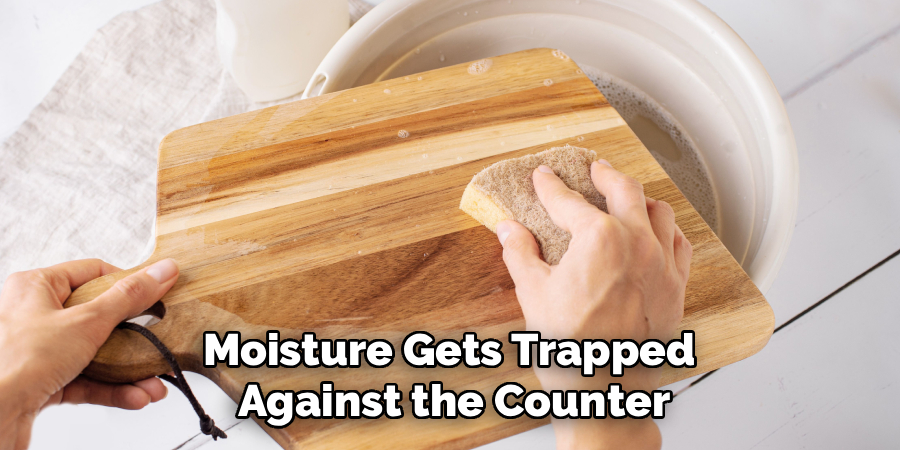
Drying the board flat is another sneaky error. Moisture gets trapped against the counter, encouraging warping and even mold. Always stand your board upright with good airflow.
Finally, don’t ignore odors and stains until they set in. The longer raw meat residue or onion smells linger, the harder they are to remove, and the greater the risk to your kitchen hygiene.
Expert Tips
Want your board to last for decades? Treat it kindly and clean it consistently. Wipe it down right after each use, before food has a chance to dry into the grain.
Keep a dedicated board for raw meat if you can. This simple habit slashes the risk of cross-contamination and keeps your produce safe.
For a quick refresh between deep cleans, rub the surface with a lemon half or a vinegar-dampened cloth. It freshens odors in seconds.
Always store your board in a dry, airy spot, never crammed in a damp cupboard. And re-oil it the moment the wood starts looking dull or feeling dry. A well-conditioned board repels moisture, resists stains, and rewards you with a smooth surface every single time you chop.
Frequently Asked Questions
How often should I deep clean my wooden cutting board?
Aim for a deep clean once a week if you use your board daily, or right after cutting raw meat, fish, or anything with strong odors. For everyday use, a quick wash with warm water and dish soap is fine. Watch for these signs you need a deeper clean:
- Lingering smells
- Visible stains
- A rough or dull surface
Can I use bleach to sanitize a wood cutting board?
It’s best to avoid bleach. Wood is porous and soaks up liquids, so bleach can leave harmful residue right where you prep food. Instead, reach for white vinegar, which sanitizes naturally and is completely food-safe. A pinch of coarse salt and a lemon half also work wonders for killing bacteria and lifting odors without any risk to your health.
How do I get deep stains out of a butcher block?
Make a thick paste of baking soda and warm water, then spread it over the stain. Scrub gently in circles and let it sit for five to ten minutes before rinsing. For tougher marks, sprinkle coarse salt and scrub with a lemon half. The salt scours while the lemon’s acid breaks down discoloration, leaving your butcher block fresh and brighter.
Why does my cutting board keep cracking?
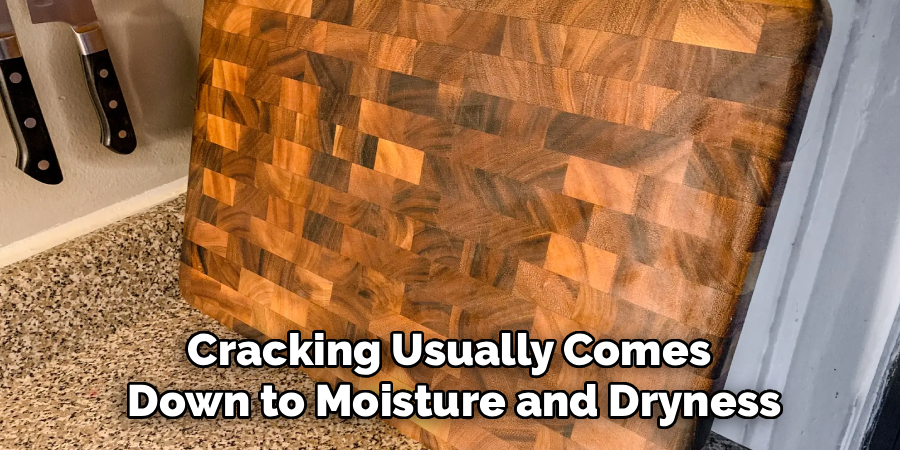
Cracking usually comes down to moisture and dryness, a frustrating combination. Soaking the board or leaving it wet causes swelling, while skipping conditioning lets the wood dry out and split. The fix is simple: wash quickly, dry upright, and rub in mineral oil or board cream every few weeks. This keeps the grain sealed, flexible, and protected against warping and cracks.
Is mineral oil safe for cutting boards?
Yes, food-grade mineral oil is one of the safest and best choices for conditioning your board. It’s tasteless, odorless, and won’t go rancid like cooking oils such as olive or vegetable oil. Apply a thin coat along the grain, let it soak in, then wipe off the excess. Board cream, which blends mineral oil with beeswax, works beautifully too for extra protection.
Conclusion
Caring for your wooden cutting board is easier than you might think, and it pays off for years. Start by clearing and rinsing the board, then wash it with warm water and dish soap. Use coarse salt and lemon to scrub away odors, baking soda to lift stubborn stains, and white vinegar to sanitize and finish the job.
The real secret lies in the final steps: rinse well, dry upright to prevent warping, and condition with mineral oil to keep the wood smooth and crack-free.
Now that you know how to deep clean wood cutting board surfaces the natural way, you can keep your favorite board safe and fresh without spending a dime on special products. Whether you’re prepping dinner at home or cooking out at the campsite, these simple steps protect your food and your board. Skip the bleach, dry it right, and give it a little oil now and then. Your cutting board will reward you with clean, beautiful service for many meals to come.

About
Nick Hall has spent the last seven years working at the intersection of kitchen design and home repair — first as a design assistant at a residential renovation studio, then as a freelance writer covering everything from cabinet layouts to leaky faucet fixes.
Her approach is simple: kitchens should look good and function well. That means she’s just as comfortable talking about color palettes and counter materials as she is walking readers through how to fix a wobbly cabinet hinge or troubleshoot a garbage disposal.
Nick has worked directly with homeowners on small-space kitchen makeovers, budget-conscious renovations, and the kind of everyday repairs that don’t need a contractor — just the right instructions. She writes from experience, not theory, and tests most of the fixes and tips she shares before publishing them.
When she’s not writing, Nick is usually hunting for mid-century kitchen finds at estate sales or helping friends plan their own renovations. She lives in Columbus, Ohio.