
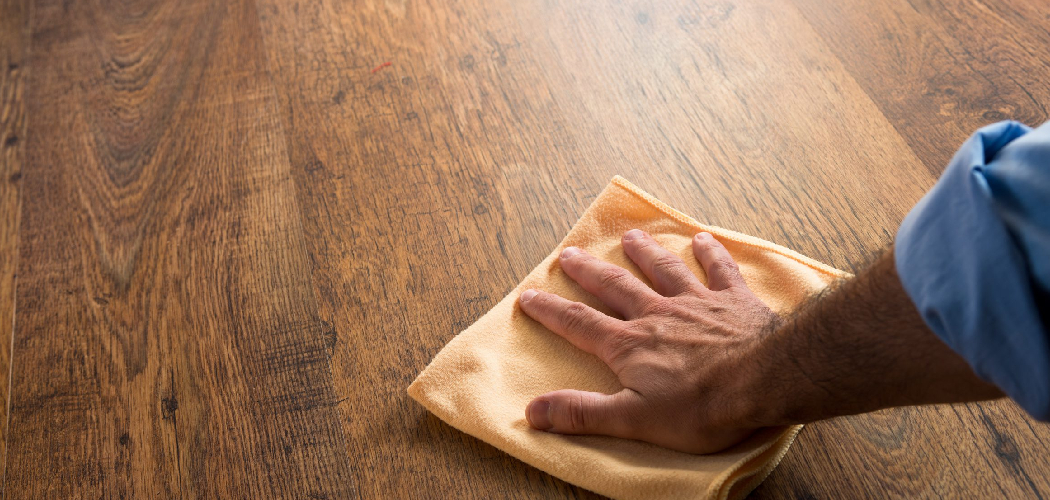
Particle board shows up all over your home, from kitchen cabinets to bookshelves to that trusty desk in the corner. It’s affordable, lightweight, and surprisingly sturdy when you treat it right. But here’s the catch: this material doesn’t handle water and grime the way solid wood does.
One wrong move with a soaking wet rag, and you’re staring at swollen edges or a bubbled laminate finish. That’s why gentle, smart cleaning makes all the difference.
The good news is that you don’t need fancy products or a handyman to keep these surfaces fresh. With a few household items and the right technique, anyone can do it. This guide shows you how to clean particle board safely, so your furniture and cabinet shelves stay looking sharp for years.
Why Cleaning Particle Board Matters
Particle board is made of compressed wood chips and glue, sealed under a thin laminate or melamine surface. That coating is its only armor against moisture. Once water sneaks past it, the board swells, weakens, and falls apart fast.
Cleaning the right way protects that surface coating and keeps your furniture solid for the long haul. It also prevents the grease buildup and grime that wear down the finish over time.
For campers and outdoor beginners, this skill is a real lifesaver. Many camper cabinets, fold-out tables, and trailer shelves are built from particleboard furniture. Out in humid or wet conditions, these surfaces face constant water exposure. Knowing how to clean and dry them quickly keeps your gear from warping, peeling, or rotting on the road.
Tools and Materials You’ll Need
Before you start, gather your supplies so the job goes smoothly. Most of these are already sitting in your kitchen.
- Mild dish soap – cuts grease without harming the finish
- White vinegar – tackles stubborn grime and freshens surfaces
- Warm water – the gentle base for your cleaning solution
- A spray bottle – for light, controlled application
- A soft cloth – wipes surfaces without scratching
- A microfiber towel – dries quickly and lifts dust
- A small bowl – for mixing your solution
- Cotton swabs – reach into corners and seams
- A clear sealant or surface coating (optional) – seals edges for extra protection
Steer clear of abrasive scrubbers and harsh chemical sprays. They scratch the laminate finish and let moisture seep in. With these basics ready, you’re set to clean safely and effectively.
Step-by-Step Guide on How To Clean Particle Board
Step 1 – Clear and Dust the Surface
Start by removing everything from the surface you plan to clean. Take books off the shelves, clear the countertop, and empty those cabinet shelves so you can reach every inch.
Next, grab your microfiber towel and wipe away loose dust and crumbs. Work in long, smooth strokes across the surface. You’ll feel the grit lift away, leaving the board smooth under your fingers.
Pay attention to the corners and edges, where dust loves to gather. A dry cotton swab helps you reach those tight seams.
This dry pass matters more than it seems. Wiping dust with a wet cloth first just smears it into muddy streaks. Clear it dry, and your real cleaning goes faster and cleaner.
Step 2 – Mix a Gentle Cleaning Solution
Now prepare your cleaner. Fill your spray bottle with warm water and add just a few drops of mild dish soap. Give it a gentle swirl until you see light suds form.
Keep the soap amount small. Too much creates a sticky residue that’s hard to wipe off and attracts more dust later.
For tougher jobs, mix equal parts white vinegar and warm water in a separate bowl. The vinegar smells sharp at first, but that scent fades fast as it dries. It’s a champ at cutting grease buildup without harsh chemicals.
Knowing how to clean particle board the safe way means controlling moisture from the very start. A light, soapy mist is all you need to lift everyday grime.
Step 3 – Wipe Down With a Damp Cloth
Spray your soapy solution lightly onto your soft cloth, not directly onto the board. This small trick keeps you in control of how much moisture touches the surface.
Wipe the board in gentle, even strokes, following one direction. You’ll watch the cloth pick up dust, fingerprints, and light grime as you go.
Wring the cloth often so it stays barely damp, never dripping. The goal is a quick, light pass that cleans without soaking. Excess water is the enemy here.
Run your hand across the surface as you work. It should feel clean and only slightly cool from the dampness. Keep your touch light, and let the cleaner do the work instead of scrubbing hard.
Step 4 – Tackle Stubborn Grime and Grease
Some spots need a little extra love, especially near kitchen cabinets where grease buildup loves to settle. For these, reach for your vinegar-and-water mix.
Dampen a corner of your cloth with the solution and press it onto the sticky spot. Let it sit for a few seconds to loosen the grime, then wipe gently in small circles.
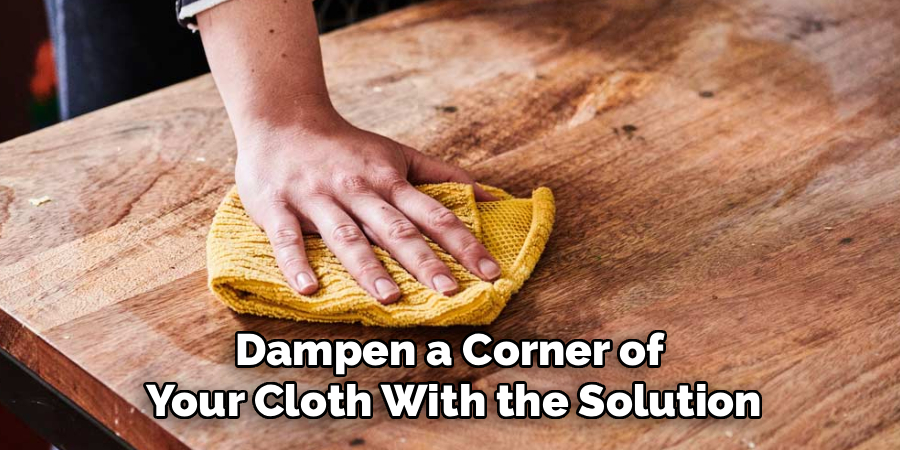
You’ll feel the greasy film give way and lift off. The vinegar breaks it down without you having to scrub hard or risk scratching the laminate finish.
For grime hiding in seams or around handles, dip a cotton swab in the solution and trace the tight spots. Avoid soaking these areas, since exposed edges drink up water faster than the sealed surface.
Step 5 – Address Light Scratches and Marks
Particle board surfaces pick up scratches and scuff marks over time, especially on busy furniture. You can soften their look with a little care.
For light marks, rub a dab of mild soap solution over the scratch with a soft cloth, then buff gently with your microfiber towel. Many surface scuffs fade with this simple touch.
For deeper scratches in the laminate, a matching furniture marker or wax fill stick blends them in nicely. Apply a small amount, then wipe away the excess right away.
Don’t expect miracles on deep gouges, since the core beneath the coating is exposed there. But for everyday wear, gentle cleaning and a quick buff keep the surface looking smooth and cared for.
Step 6 – Dry the Surface Immediately
This step is the most important of all. The moment you finish wiping, grab a fresh, dry microfiber towel and dry the surface completely.
Never let moisture sit on particle board. Water that lingers seeps past the laminate, swelling the board and creating those ugly puffy edges that ruin furniture.
Drying immediately is your best defense against moisture damage. Wipe in firm, even strokes until the surface feels totally dry and smooth to the touch.
Pay special attention to seams, corners, and any spot where the edge is exposed. These areas soak up water fastest. A few extra seconds here saves you from warped shelves and bubbling later. Treat fast drying as a non-negotiable habit every single time.
Step 7 – Inspect and Reseal Exposed Edges
Take a close look at the edges and corners of your board. Over time, the protective coating can chip, peel, or wear thin, leaving the raw core open to moisture.
Run your fingertip along each edge. If you feel rough, exposed particleboard, that spot needs sealing to stay safe.
Brush on a thin layer of clear sealant or edge banding to cover the bare wood. This surface coating locks out water exposure and keeps the board strong.
Sealing edges is a small task that pays off big. It’s the difference between furniture that lasts for years and a shelf that swells the first time it gets splashed. Let the sealant dry fully before placing anything back on the surface.
Step 8 – Polish and Restock the Surface
With the board clean, dry, and sealed, give it one final buff. Run a clean microfiber towel over the entire surface to lift any leftover streaks and bring out a soft shine.
You’ll notice the finish looks brighter and feels smooth and refreshed. That’s the satisfying payoff for your careful work.
Now you can restock the surface. Place your items back gently, and consider adding felt pads under heavy or sharp objects to prevent future scratches.
If you’ve learned how to clean particle board this thoroughly, you’ll find the routine gets faster each time. A quick weekly wipe keeps grime from building up. Your cabinets and furniture will reward you by staying fresh, sturdy, and looking great for the long haul.
Critical Mistakes When Cleaning Particle Board
The most damaging mistake by far is using too much water. Particle board and water are sworn enemies. Soaking the surface, or wiping with a dripping cloth, lets moisture sneak under the laminate finish. The result is swelling, bubbling, and swollen edges that you can’t undo. Always wipe with a barely damp cloth and dry immediately.
Another common slip-up is reaching for harsh chemicals or abrasive scrubbers. Steel wool, scouring pads, and strong cleaners scratch the protective coating, opening the door for moisture damage. Stick to mild dish soap and soft cloths for safe, gentle cleaning.
Many people also ignore exposed edges. Once that coating chips away, the raw core soaks up water like a sponge. Skipping the inspection and sealing step leaves your furniture vulnerable to fast, hidden decay.
Finally, letting cleaning solution air-dry is a quiet but serious error. Even a thin film of leftover moisture has time to penetrate the board. Never walk away mid-job. Wipe, then dry on the spot, every time, to keep your particleboard furniture solid and looking its best.
Expert Tips
Want your particle board to last for years? Make light cleaning a regular habit instead of waiting for grime to pile up. A quick weekly wipe with a barely damp cloth keeps dust and grease from settling in.
Always test any new cleaner on a hidden spot first. This simple check protects you from accidental discoloration on the melamine surface.
Keep moisture away from the edges, which are the weakest point on any board. If you spill something, wipe and dry it instantly.
For high-use kitchen cabinets, consider applying a fresh coat of sealant once a year. It refreshes the protective barrier and fights moisture damage. Add felt pads under heavy items, too, and your surfaces will stay smooth and scratch-free far longer.
Frequently Asked Questions
Can I use water to clean particle board?
You can, but only a little. Particle board hates standing water because moisture seeps under the laminate and causes swelling. Always:
- Dampen your cloth lightly instead of soaking it
- Spray solution onto the cloth, not the board
- Dry the surface immediately after wiping
A barely damp cloth followed by quick drying keeps the board safe and clean without risking moisture damage.
What’s the best cleaner for greasy kitchen cabinets made of particle board?
A mix of mild dish soap and warm water handles most grease beautifully. For stubborn grime and grease buildup, use equal parts white vinegar and warm water. Dampen a soft cloth, wipe the greasy spot gently, then dry right away. Vinegar cuts through oily film without harsh chemicals or scratching the laminate finish, making it a safe, budget-friendly choice.
How do I fix swollen edges on particle board furniture?
Swollen edges come from water exposure, and minor damage is sometimes fixable. Let the area dry completely, then gently sand the raised spot. Apply wood filler if needed, smooth it out, and seal the edge with clear sealant or edge banding. Severe swelling usually can’t be fully repaired, so prevention through drying immediately and sealing edges is always your best strategy.
Will vinegar damage the laminate finish?
No, diluted white vinegar is safe for most laminate and melamine surfaces when used correctly. Always mix it with equal parts water rather than using it straight. Wipe gently, then dry the surface right away. Avoid letting vinegar pool or sit too long. For peace of mind, test it on a hidden spot first to confirm it won’t affect the finish.
How can I protect particle board from future damage?
Prevention is simple and worth the effort. Seal any exposed edges with clear sealant or edge banding to block moisture. Wipe up spills the second they happen, and never let water sit. Add felt pads under heavy or sharp items to prevent scratches. A yearly coat of sealant on high-use surfaces keeps the protective layer strong and your furniture sturdy.
Conclusion
Keeping particle board fresh and sturdy comes down to a few simple habits. Start by dusting the surface dry, then wipe it with a barely damp cloth and a gentle soap solution. Use a vinegar mix for stubborn grime, soften scratches with a quick buff, and always dry the surface immediately to keep moisture out.
The real secret lies in protection. Inspect those edges, seal any exposed spots, and treat water as your board’s biggest threat. A little care goes a long way.
Now that you know how to clean particle board the safe way, you can keep your cabinets, shelves, and furniture looking great without calling in a pro or spending a fortune. Whether you’re sprucing up your kitchen at home or maintaining camper cabinets on the road, these steps protect your surfaces for years to come.
Skip the heavy water, dry as you go, and seal those edges. Your particle board furniture will thank you with clean, smooth, reliable service every single day.

About
Nick Hall has spent the last seven years working at the intersection of kitchen design and home repair — first as a design assistant at a residential renovation studio, then as a freelance writer covering everything from cabinet layouts to leaky faucet fixes.
Her approach is simple: kitchens should look good and function well. That means she’s just as comfortable talking about color palettes and counter materials as she is walking readers through how to fix a wobbly cabinet hinge or troubleshoot a garbage disposal.
Nick has worked directly with homeowners on small-space kitchen makeovers, budget-conscious renovations, and the kind of everyday repairs that don’t need a contractor — just the right instructions. She writes from experience, not theory, and tests most of the fixes and tips she shares before publishing them.
When she’s not writing, Nick is usually hunting for mid-century kitchen finds at estate sales or helping friends plan their own renovations. She lives in Columbus, Ohio.