
Steaming food sounds simple, yet so many home cooks reach for the boil setting and end up with mushy vegetables or unevenly cooked fish. Your Instant Pot can fix that. With its sealed, pressurized environment, it locks in flavor, color, and nutrients while doing most of the work for you.
Learning how to use Instant Pot steam turns a guessing game into a reliable, hands-off routine. You don’t need fancy skills, just a few good habits and a little setup before you press start.
This guide walks you through prepping your pot, loading food correctly, setting the steam cycle, releasing pressure safely, and cleaning up fast, so you can serve tender, healthy meals every single time.
Why Learning to Use Instant Pot Steam Matters
This skill travels far beyond your kitchen counter. A single appliance that steams reliably becomes a quiet hero for RV cooking and outdoor beginners who want real meals without a full setup.
Picture a small camper galley or a cozy cabin stay where space and power feel tight. Portable power setups can run an electric pot, and steaming uses gentle heat with very little water, which keeps things efficient. You load your food, lock the lid, and walk away while it cooks.
That reliability matters most in unfamiliar spaces. You won’t fuss over a stovetop you don’t know or babysit a pan that scorches. For compact meal prep, you can steam vegetables, fish, or grains in one tidy pot. It’s a simple way to eat well, even far from your usual kitchen.
Tools and Materials You’ll Need
You won’t need much to get started, and most of these pieces already come with your appliance. Gather everything first so the process stays smooth and stress-free.
- Your Instant Pot – with a clean, properly seated sealing ring
- The steam rack or trivet – to lift food above the water line
- Fresh water or broth – for creating steam in the inner pot
- A steamer basket – handy for small or loose foods like vegetables
- Tongs or silicone mitts – to lift hot racks and baskets safely
- A measuring cup – to pour the right water level every time
- A clean kitchen towel – for handling the lid and wiping condensation
- A condensation collector (optional) – a small attachment that catches drips and keeps your counter dry
Keep these tools close before you begin. When everything sits within reach, you can focus on timing instead of hunting for accessories mid-cook.
Step-by-Step Guide on How to Use Instant Pot Steam
Step 1 – Check the Sealing Ring and Steam Rack
Start with a quick safety check. Lift the lid and look at the sealing ring tucked into its groove. It should sit flat and snug all the way around, with no tears, stretching, or stuck-on food. A loose or cracked ring lets pressure escape and ruins your results.
Next, grab the steam rack or trivet and make sure it’s clean and steady. This little stand keeps your food lifted above the water so steam circulates freely instead of boiling your ingredients.
Run your finger along the ring and rack to confirm both feel clean and dry. This thirty-second habit prevents leaks, uneven cooking, and off flavors. A solid start here sets up everything that follows.
Step 2 – Add the Right Amount of Liquid
Now pour water or broth into the inner pot. Most models need about one cup, but check your manual since the amount shifts by size. This liquid creates the steam that does all the cooking.
Aim for enough water to last the full cycle without touching the food above. Too little can scorch the bottom or trigger a burn warning, while too much can splash up and leave your vegetables soggy.
Pour slowly and watch the level settle below the rack. Listen for that soft slosh as it pools at the base. Getting this water level right is the quiet secret behind tender, evenly cooked food. Spend an extra moment here, and the rest of the process runs beautifully.
Step 3 – Load the Food Properly
Place the steam rack inside, then arrange your food on top. Spread everything in a single, even layer when you can, so steam reaches every surface. Crowding traps cold pockets and leaves you with half-cooked bites.
For tender vegetables, set them in a steamer basket to keep small pieces from slipping through. Lay fish fillets flat with a little space between them. Dumplings need room too, since they puff up as they cook and can stick together.
Keep delicate foods off the very bottom so they don’t sit in liquid. Notice how the layout looks balanced and open. Loading thoughtfully now means each piece finishes at the same time, with no soggy edges or stubborn raw centers.
Step 4 – Lock the Lid Securely
With your food in place, set the lid on top and turn it until it clicks into the locked position. You’ll feel it catch and hear that satisfying little snap. A lid that isn’t sealed won’t build pressure, so don’t rush this step.
Now turn your attention to the pressure release valve on top. Flip it to the sealing position, not venting. This small switch decides whether steam stays trapped to cook your food or escapes uselessly into the air.
Give the lid a gentle wiggle to confirm it’s firmly seated. Double-check the valve once more. These two quick confirmations protect you from a stalled cycle and keep everything safely contained while the pressure builds.
Step 5 – Set the Steam Function
Head to the control panel and find the steam setting. Press it, then adjust the timer to match your food. Tender vegetables often need just two to four minutes, fish around three to five, and dumplings closer to eight, depending on size.
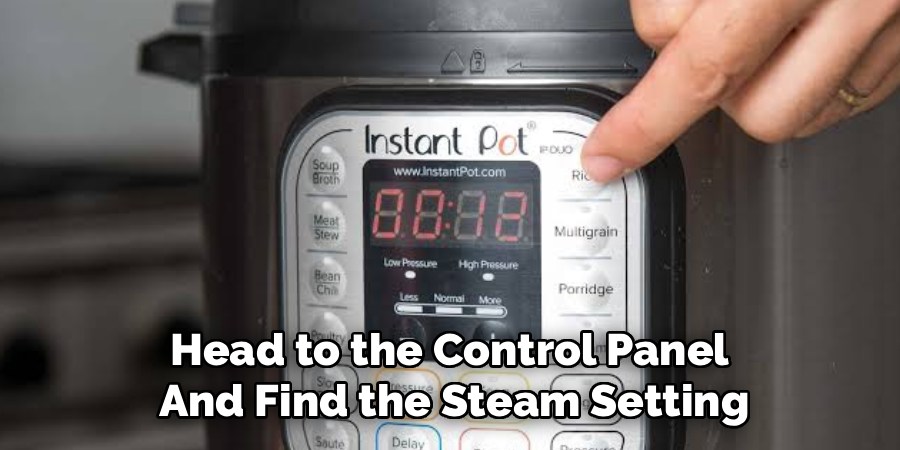
This is where knowing how to use Instant Pot steam settings saves you from guesswork. The steam program uses intense, direct heat, so a few minutes goes a long way. When in doubt, start short, since you can always cook a little longer.
Watch the display light up and confirm your chosen time. The control panel makes this part foolproof once you know which button to press. Setting the right time now is what stands between crisp-tender perfection and an overcooked, mushy mess.
Step 6 – Let the Pressure Build
Once you press start, the pot doesn’t cook right away. First it heats the liquid and builds pressure, which can take five to ten minutes. You’ll hear a faint hum and see a little steam wisp from the valve before it seals tight.
Be patient during this stage. The timer you set only begins counting once full pressure builds, so the total time runs longer than the number on the screen.
Watch for the float valve, that small metal pin near the lid, to pop up. That’s your signal the pot is fully pressurized and now actively steaming. The kitchen fills with a gentle, warm aroma. Resist the urge to touch the lid. Let the appliance do its quiet, steady work.
Step 7 – Release the Pressure Safely
When the timer beeps, you’ve reached the most important moment. You have two choices for releasing pressure, and knowing how to use Instant Pot steam release safely keeps you protected.
For delicate foods like fish or vegetables, use a quick release. Turn the pressure release valve to venting and stand back, since hot steam shoots out fast and loud. Keep your hands and face clear, and use a towel or long spoon to flip the valve.
For heartier dishes, a natural release lets pressure drop slowly on its own over several minutes. Wait until the float valve sinks back down before opening. Never force the lid. That dropped pin is your green light that it’s finally safe to open.
Step 8 – Check Doneness and Clean the Pot
Open the lid away from your face so the rising steam doesn’t catch you. Check your food with a fork. Vegetables should feel crisp-tender, fish should flake easily, and dumplings should look puffed and set. If anything needs more time, reseal and steam another minute or two.
Lift the rack out with tongs or mitts, since everything runs hot. Then comes the easy cleanup. Pour out the leftover water and wash the inner pot, rack, and basket with warm, soapy water.
Pull the sealing ring out and rinse it too, since it holds onto smells. Dry every piece fully before storing. This quick reset keeps your pot fresh and ready for tomorrow’s meal prep.
Critical Mistakes When Using Instant Pot Steam
A few common slip-ups can turn an easy meal into a frustrating one, so let’s clear them up before you start.
The most frequent mistake is skipping the liquid check. Without enough water, the pot can’t build steam and may trigger a burn warning that stops the cycle cold. Always add the recommended amount, and make sure it sits below the rack, not touching your food.
Forgetting to set the valve to sealing trips up countless beginners. If the pressure release valve stays in venting, steam escapes and the pot never pressurizes, leaving your food raw. Make that quick check a firm habit every single time.
Overcooking is another regret. Because pressurized steam works fast, even an extra two minutes can turn bright vegetables limp and gray. Start with shorter times and add more only if needed.
Finally, many people rush the pressure release. Opening too soon, or yanking a lid that won’t budge, sends scalding steam toward your hands. Wait for the float valve to drop, release pressure properly, and always open the lid away from your face. Patience here keeps you safe.
Expert Tips
Want consistently great steamed meals? A handful of small habits make all the difference.
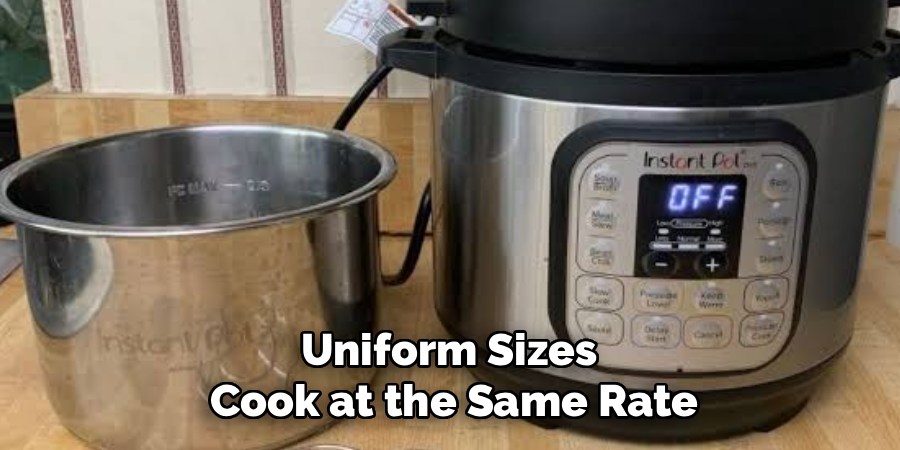
First, cut your food into even pieces. Uniform sizes cook at the same rate, so you avoid that frustrating mix of mushy and underdone bites. This single move improves your results more than anything else.
Next, keep a simple cheat sheet of your favorite steam times taped inside a cabinet. Once you nail the timing for broccoli, salmon, or dumplings, repeating it becomes effortless.
Try adding a slice of lemon or a few herbs to the water when steaming fish. The gentle infusion lifts the flavor without extra fat. And always swap or deep-clean your sealing ring if it starts holding strong odors, since a smelly ring can pass flavors onto your next dish. Small touches like these turn good results into great ones.
Frequently Asked Questions
How much water do I need to steam food?
Most Instant Pots need about one cup of water, though larger models may want a bit more. The goal is enough liquid to produce steam for the full cycle without touching your food. Check your manual for the minimum, since running dry can scorch the pot or trigger a burn alert. When unsure, stick with one cup and adjust as you learn your appliance.
Should I use quick release or natural release?
It depends on what you’re cooking:
- Quick release works best for delicate foods like vegetables and fish, where extra cooking time would overdo them.
- Natural release suits heartier dishes and lets pressure drop slowly on its own.
For most steamed meals, quick release keeps food crisp-tender. Always wait for the float valve to drop before opening, no matter which method you choose.
Why are my vegetables turning out mushy?
Mushy vegetables usually mean too much time under pressure. Steam cooks fast, so even an extra minute or two can soften them past the point you want. Try cutting your steam time shorter, then use a quick release the moment it beeps. Cutting pieces into similar sizes also helps everything finish together, keeping your veggies bright and crisp-tender instead of limp.
Can I steam frozen food directly?
Yes, you can steam many frozen foods without thawing first. Just add a couple of extra minutes to your usual time, since the pot needs longer to heat through. Frozen vegetables, dumplings, and fish all work well. Keep them in a single layer on the rack or basket so steam circulates evenly. Check doneness with a fork and reseal for another minute if anything needs it.
How do I stop my pot from smelling like old food?
Odors usually cling to the sealing ring, which absorbs strong smells over time. To keep things fresh:
- Remove and wash the ring after every use.
- Run a quick water-and-vinegar steam cycle to deodorize it.
- Keep a separate ring for sweet and savory dishes.
Drying every piece fully before storing also prevents trapped, musty smells from building up.
Conclusion
Steaming in your Instant Pot doesn’t have to feel mysterious or risky. With a little setup and a few good habits, you can serve tender vegetables, flaky fish, and fluffy dumplings any night you like, all with very little effort or mess.
Remember the basics: check your sealing ring, add the right water level, and lift your food on the rack. Lock the lid, set the valve to sealing, and choose a short, smart cook time. Then release the pressure safely, check doneness, and enjoy the easy cleanup that comes with one-pot steaming.
This skill follows you everywhere, from your home kitchen to RVs, cabins, and compact setups where a healthy meal feels like a real win. Once you understand how to use Instant Pot steam with confidence, wholesome, hands-off meals become a regular part of your routine.
So grab your pot, pour in that cup of water, and steam something delicious today. Your dinner just got a whole lot easier.

About
Nick Hall has spent the last seven years working at the intersection of kitchen design and home repair — first as a design assistant at a residential renovation studio, then as a freelance writer covering everything from cabinet layouts to leaky faucet fixes.
Her approach is simple: kitchens should look good and function well. That means she’s just as comfortable talking about color palettes and counter materials as she is walking readers through how to fix a wobbly cabinet hinge or troubleshoot a garbage disposal.
Nick has worked directly with homeowners on small-space kitchen makeovers, budget-conscious renovations, and the kind of everyday repairs that don’t need a contractor — just the right instructions. She writes from experience, not theory, and tests most of the fixes and tips she shares before publishing them.
When she’s not writing, Nick is usually hunting for mid-century kitchen finds at estate sales or helping friends plan their own renovations. She lives in Columbus, Ohio.