
Your dishwasher used to hum along quietly, leaving dishes sparkling clean. Now it sits there with a pool of water at the bottom, making a strange grinding sound, and your plates come out half-washed. Something’s off, and the pump is a likely suspect.
Before you panic or call for help, know this: you can investigate the problem yourself with a little patience and the right approach. A dishwasher pump moves water through the machine and pushes it out the drain, so when it fails, you’ll notice fast.
Figuring out how to tell if dishwasher pump is bad doesn’t require fancy tools or years of training. You just need to follow a clear, safe checklist. This guide walks you through every sign and step so you can diagnose the issue with confidence.
Why Learning to Spot a Bad Dishwasher Pump Matters
This skill pays off in more places than you’d expect. Campers and outdoor beginners often use compact dishwashers in RVs, cabins, and remote rentals, where a technician is hours away or simply unreachable. Knowing how to read the warning signs means you won’t waste a trip or your vacation on a flooded machine.
For home cooks and kitchen-focused readers, the benefit is everyday convenience. You’ll catch a failing pump early, before standing water turns into a bigger mess or a costly repair.
DIY-minded readers gain the most. Once you understand how the drain pump, circulation pump, and motor work together, you can pinpoint the real problem instead of guessing. That knowledge saves money, prevents unnecessary part swaps, and tells you exactly when a quick fix will do and when it’s time to call a pro.
Tools and Materials You’ll Need
You won’t need a full workshop for this diagnosis. Most of these items are already tucked away in a kitchen drawer or garage.
- A flashlight to see into the dark sump and pump area
- Old towels to soak up standing water and catch drips
- A screwdriver set, both Phillips and flathead, for removing the filter or covers
- Rubber gloves to protect your hands from sharp debris and grime
- A small bucket or shallow pan to scoop and hold drained water
- A soft brush or sponge to clear away food residue and gunk
For one optional convenience item, keep a wet/dry shop vacuum nearby. It makes clearing standing water from the tub fast and tidy, which gives you a clean space to inspect the pump and drain.
Step-by-Step Guide on How To Tell If Dishwasher Pump Is Bad
Step 1 – Cut the Power and Water Safely
Before you touch anything, shut off the power. Unplug the dishwasher or flip its breaker in your electrical panel. Water and electricity don’t mix, and you’ll be reaching into damp spaces.
Next, turn off the water supply valve, usually located under the sink. This stops any fresh water from entering while you work.
Take a moment to feel the area around the machine. If it’s still warm from a recent cycle, give it time to cool. You don’t want to handle hot parts.
A safe, powered-down dishwasher gives you room to investigate without risk. This simple first move protects you and sets the stage for an accurate, stress-free diagnosis of what’s really going on inside.
Step 2 – Listen for Unusual Noises
Sound tells you a lot. Run a short wash cycle and stand close with your ear near the machine. A healthy pump produces a steady, low hum.
Listen for trouble. A loud grinding sound often means debris is caught in the impeller or the motor bearings are wearing out. A high-pitched humming with no water movement suggests the pump is trying to run but can’t.
If your dishwasher is making noise that’s sharp, rattling, or strained, note it. These sounds point straight toward pump or motor problems rather than a simple clog.
Pay attention to when the noise happens, too. Grinding during draining hints at the drain pump, while noise during washing points to the circulation pump. Your ears are doing real detective work here.
Step 3 – Check for Standing Water
Open the door after a finished cycle. A little moisture is normal, but a puddle sitting in the bottom is not.
Standing water usually means the dishwasher isn’t draining properly. This is one of the clearest signs of a failing drain pump, though a clog can cause it too.
Reach in and scoop the water with your bucket or soak it up with towels. Notice how much there is and whether it drains slowly on its own. Slow, sluggish draining suggests a weak or struggling pump.
Run your fingers along the bottom of the tub. Feel for grease, food bits, or grit. Standing water combined with debris tells you the pump may be overwhelmed, clogged, or simply worn out.
Step 4 – Inspect the Filter and Sump
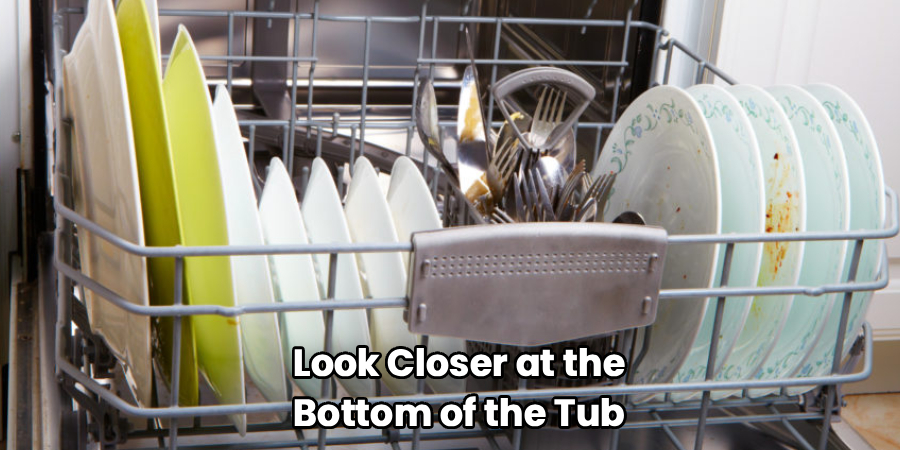
Now look closer at the bottom of the tub. Locate the filter, usually a round, twist-off piece sitting over the sump. Twist it free and lift it out.
Hold it up to your flashlight. A filter packed with food, glass shards, or greasy sludge restricts water flow and can mimic pump failure. Rinse it clean under the tap.
Peer into the sump, the shallow well beneath the filter. This is where water collects before the pump moves it out. Clear away any debris you see with your brush.
Knowing how to tell if dishwasher pump is bad means ruling out simple clogs first. A blocked filter or sump often gets blamed on the pump, when a quick cleaning solves everything.
Step 5 – Examine the Drain Hose for Clogs
Follow the drain hose from the back of the dishwasher to where it connects under the sink or to the garbage disposal. This flexible tube carries dirty water out.
Disconnect it carefully, keeping your bucket underneath to catch spills. Feel along its length and squeeze gently. A kink, bulge, or hard lump signals a clog blocking the flow.
Blow through one end or run water through it to test. If water won’t pass easily, you’ve found a clog, not a pump failure.
A blocked drain hose creates standing water and stops proper draining, exactly like a bad pump would. Clearing it might fix your dishwasher not draining without touching the pump at all. Always check this before assuming the worst.
Step 6 – Access and Inspect the Pump Housing
If the filter, sump, and hose are clear, it’s time to look at the pump itself. Many dishwashers let you reach the pump housing from inside the tub once the filter and sump cover are removed.
Shine your flashlight into the opening. Look for the pump assembly and the impeller, the small fan-like part that spins to push water.
Reach in gently with gloved hands and check for trapped debris, like a piece of glass or a fruit pit, jamming the impeller. Remove anything you find.
Be honest about your comfort level here. Some pumps sit underneath the machine and require pulling the dishwasher out. If access feels beyond your reach, that’s a fair point to pause.
Step 7 – Test the Impeller and Motor
With the pump area exposed, examine the impeller closely. Try turning it gently with your finger. It should rotate freely, not feel stuck, gritty, or wobbly.
A frozen impeller often means debris is jammed or the motor bearings have seized. A loose, broken, or cracked impeller can’t move water, which explains weak spray pressure from the spray arms.
Listen back to what you heard earlier. A humming motor with a stuck impeller usually means the motor is straining against a blockage or has failed internally.
Spin it, feel it, look at it. If the impeller is damaged or the motor won’t drive it, your pump is likely the culprit. This hands-on check confirms what the noises and standing water suggested.
Step 8 – Confirm the Diagnosis and Decide Your Next Move
Now pull all your clues together. Standing water, sluggish draining, grinding or humming, weak spray, and interrupted wash cycles all pointing the same way? Your pump is probably bad.
Rule out the simple stuff one last time. A clean filter, clear drain hose, and free-spinning impeller that still leaves you with a dead pump confirms the diagnosis.
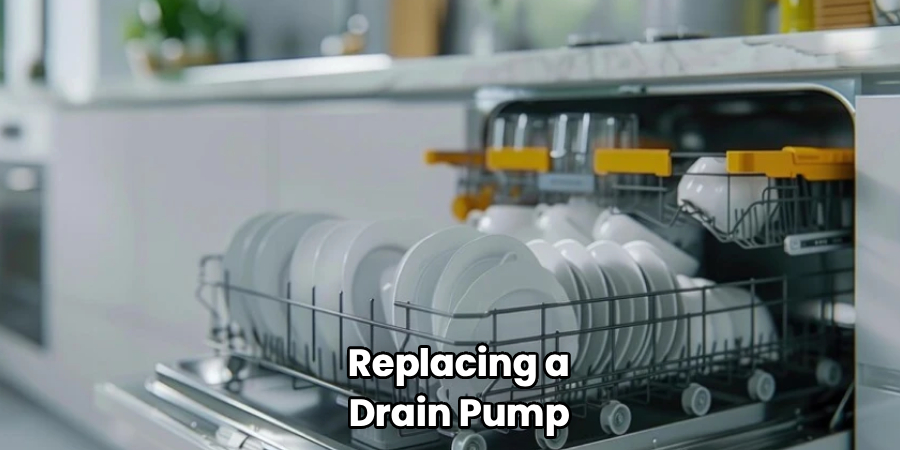
Decide what’s right for you. Replacing a drain pump or circulation pump is doable for confident DIYers with the correct part and a service manual.
If the machine is leaking, the wiring looks damaged, or accessing the pump means major disassembly, stop here. Calling a professional protects you and your dishwasher from costly mistakes when the repair grows beyond a beginner job.
Critical Mistakes When Diagnosing a Bad Dishwasher Pump
A few common errors send people down the wrong path, so let’s help you sidestep them. The biggest mistake is blaming the pump before checking for clogs. A blocked filter, clogged drain hose, or debris in the sump causes the exact same standing water and draining problems a bad pump does. Always clean and inspect these first, or you risk replacing a perfectly good pump for nothing.
Another frequent slip-up is skipping the power and water shut-off. Reaching into a live, water-filled machine is dangerous, and it’s tempting to rush. Take those thirty seconds to stay safe.
Many people also misread the noises. They hear humming and assume the worst, when a humming motor often just means a jammed impeller you can clear in minutes. Listen carefully and match the sound to the right moment in the cycle.
Forcing a stuck impeller is risky, too. Yanking or prying it can crack the part and turn a small clog into a real failure. Work gently. Finally, don’t ignore your own limits. Pushing ahead on a repair that needs the dishwasher fully pulled out can lead to leaks and bigger bills than a technician would ever charge.
Expert Tips
Want a faster, more accurate diagnosis next time? Always start with the easy, cheap checks before the hard ones. Clean the filter and inspect the drain hose first, since a clog mimics pump failure and costs nothing to rule out.
Keep a log of symptoms. Note when the noise happens, how much standing water appears, and whether dishes come out clean. Patterns make the cause obvious.
Run your dishwasher regularly. Pumps and seals last longer with use than when left sitting idle for weeks.
Scrape plates well before loading. Food bits are the number one enemy of the impeller and filter, and they cause most clogs people mistake for a dying pump.
Finally, match your repair to your skill. Knowing when to stop and call a pro is its own kind of expertise.
Frequently Asked Questions
How do I know if it’s the pump or just a clog?
Start by ruling out the clog, since it’s the easier fix. Clean the filter, clear the sump, and check the drain hose for blockages. If water still won’t drain and the impeller spins freely after all that, the pump or motor is the likely problem. A clog usually clears with cleaning, while a bad pump keeps failing even after everything else is spotless.
What does a bad dishwasher pump sound like?
A failing pump often makes itself heard. Listen for these clues:
- Grinding or rattling during draining, hinting at the drain pump or debris in the impeller
- High-pitched humming with no water moving, meaning the motor is straining
- Loud buzzing that’s new or growing worse over time
A healthy pump produces only a steady, quiet hum, so any harsh new noise deserves attention.
Can I run my dishwasher with a bad pump?
It’s best not to. Running it with a failing pump can leave standing water, worsen the motor strain, and risk leaking onto your floor. You may also burn out the motor completely by forcing it to work against a clog or seized impeller. Shut the machine down, diagnose the issue, and either clear the blockage or replace the pump before running another wash cycle.
Why is there standing water but no noise?
Silence with standing water often points to a pump that isn’t running at all, possibly due to a failed motor, a tripped connection, or a complete pump failure. It can also mean a fully blocked drain hose stopping all flow. Check power to the machine, inspect the hose for clogs, and listen during a cycle. No sound and no draining usually means the pump needs attention.
Is replacing a dishwasher pump worth it?
Often, yes. A replacement pump costs far less than a new dishwasher, and many models make the swap manageable for a careful DIYer. Weigh the machine’s age, though. If your dishwasher is over ten years old and showing other problems, putting money into it may not pay off. For a newer unit, a fresh pump can add years of reliable, quiet service.
Conclusion
Diagnosing a troubled dishwasher really comes down to working through the clues in order. Start by cutting the power and water, then listen for grinding or humming, check for standing water, and clean the filter and sump. From there, inspect the drain hose, access the pump housing, and test the impeller and motor by hand.
Pull your findings together at the end. If you’ve cleared every clog and the pump still won’t move water, you’ve found your answer. And if the repair grows beyond a comfortable beginner job, calling a professional is the smart, safe choice.
Take it one step at a time, and a problem that felt overwhelming becomes a clear, solvable puzzle. You’ll save money, skip unnecessary service calls, and gain real confidence with your appliances.
Now that you know how to tell if dishwasher pump is bad, grab your flashlight and towels, run through the checklist, and trust what the signs are telling you. A working dishwasher, and the satisfaction of figuring it out yourself, is well within your reach.

About
Nick Hall has spent the last seven years working at the intersection of kitchen design and home repair — first as a design assistant at a residential renovation studio, then as a freelance writer covering everything from cabinet layouts to leaky faucet fixes.
Her approach is simple: kitchens should look good and function well. That means she’s just as comfortable talking about color palettes and counter materials as she is walking readers through how to fix a wobbly cabinet hinge or troubleshoot a garbage disposal.
Nick has worked directly with homeowners on small-space kitchen makeovers, budget-conscious renovations, and the kind of everyday repairs that don’t need a contractor — just the right instructions. She writes from experience, not theory, and tests most of the fixes and tips she shares before publishing them.
When she’s not writing, Nick is usually hunting for mid-century kitchen finds at estate sales or helping friends plan their own renovations. She lives in Columbus, Ohio.