
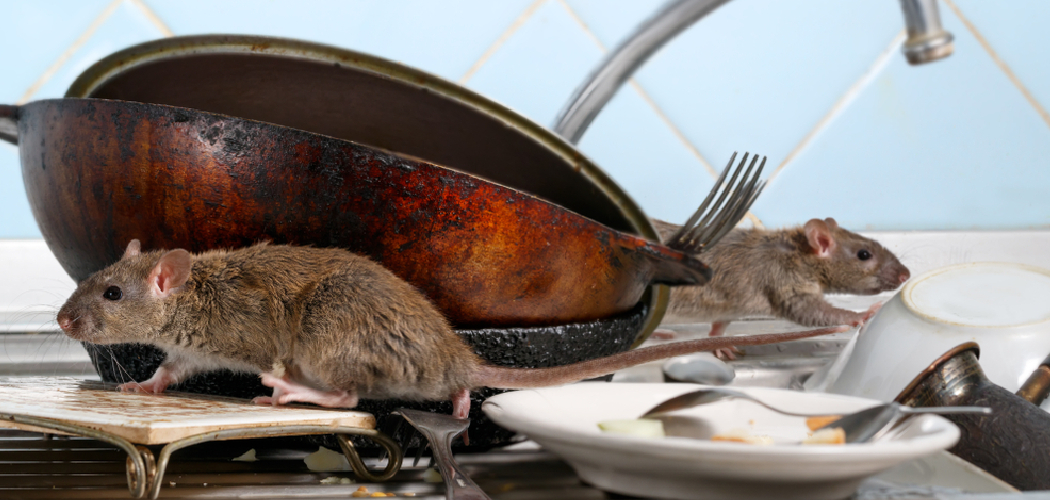
Finding signs of mice near your oven can make your whole kitchen feel unsafe. You may notice tiny droppings, a stale odor, shredded nesting material, or scratching sounds behind the stove at night. Mice look for warmth, crumbs, grease, and quiet gaps, so an oven can become an easy hiding place if the area is not sealed and cleaned well.
Learning how to keep mice out of oven helps you protect your food, wiring, insulation, and family from a growing rodent infestation. It also helps you avoid fire risks caused by nesting material near heat.
This guide shows you how to clean, inspect, seal, and maintain your cooking area so mice have fewer reasons and fewer ways to get inside.
Why Keeping Mice Out of Your Oven Matters
Mice around an oven create more than a nuisance. They can chew wiring, damage oven insulation, leave droppings, and drag nesting material into warm appliance gaps. That creates odor, contamination, and possible safety issues when the oven heats up.
This skill matters even more if you manage a seasonal cabin, RV kitchen, campsite, or vacation home. These places often sit empty for weeks, giving mice time to explore baseboards, cabinets, pantry shelves, and the stove cavity. Outdoor beginners may also store food in ways that attract pantry pests and rodents without realizing it.
A clean, sealed oven area gives you peace of mind and makes your kitchen safer to use.
Tools and Materials You’ll Need
Gather your supplies before you move the oven or clean behind it. A few simple tools make the job safer, cleaner, and more effective.
- Work gloves
- Flashlight or headlamp
- Mild degreasing cleaner
- Paper towels or washable rags
- Vacuum with hose attachment
- Steel wool
- Exterior-grade caulk or sealant
- Disposable mask
- Trash bags
- Screwdriver for the kick plate, if needed
- Airtight food containers
- Peppermint oil for scent-based support
- Optional convenience item: a small mirror or inspection camera for tight appliance gaps
Use safety precautions when cleaning droppings. Avoid sweeping dry waste, since that can push dust and particles into the air.
Step-by-Step Guide on How to Keep Mice Out of Oven
Step 1 – Inspect the Oven Area Carefully
The first step in how to keep mice out of oven is to slow down and inspect before you start moving things. Put on gloves, turn on a bright flashlight, and look around the kick plate, baseboards, cabinet edges, and the appliance gap behind the stove.
Check for droppings that look like dark grains of rice. Look for greasy footprints, chewed packaging, shredded paper, or a musky smell near the floor. These signs help you understand how active the problem is.
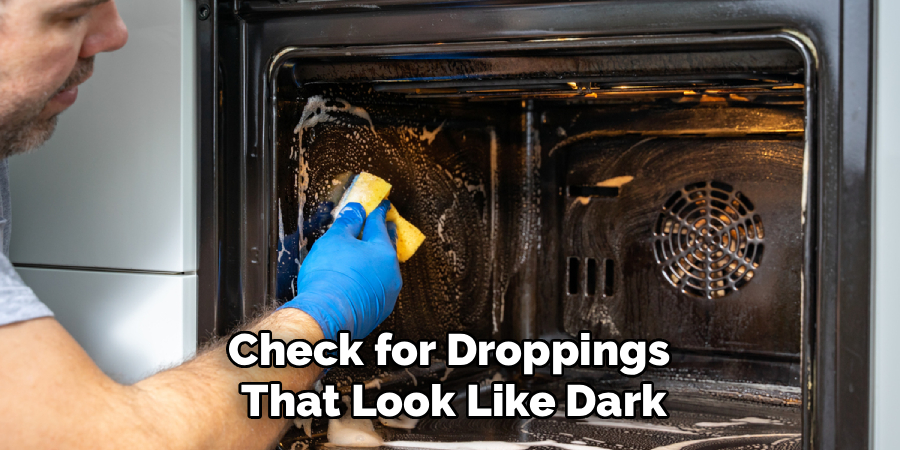
Do not pull the oven out fast. Gas lines, power cords, and flooring can get damaged if you rush.
Step 2 – Turn Off Power or Gas Before Moving the Appliance
Before you slide the oven forward, protect yourself and the appliance. If you have an electric range, unplug it or switch off the breaker. If you have a gas oven, do not force it away from the wall unless you understand the gas connection and shutoff valve.
Move slowly and listen for scraping, clicking, or cord tension. The space behind an oven often holds dust, crumbs, dry pasta, pet food, and old grease buildup. These smells attract mice long after the kitchen looks clean from the front.
If the oven feels stuck, stop and check the leveling feet or anti-tip bracket.
Step 3 – Clean Crumbs, Grease, and Food Residue
Mice stay where food is easy to find. Vacuum loose crumbs behind the oven, under the lower drawer, along cabinet seams, and near the baseboards. Then wipe sticky grease, sauce stains, and food residue with a mild degreasing cleaner.
The smell may be unpleasant at first, especially if old crumbs have mixed with warm dust. Keep wiping until the surface feels smooth, not tacky. Pay close attention to the floor under the front edge of the appliance, where small scraps often collect.
Good sanitation removes the reward. Without food, mice have less reason to return.
Step 4 – Remove Droppings and Nesting Material Safely
If you find droppings or nesting material, treat the area with care. Put on gloves and a disposable mask. Lightly dampen the waste with cleaner before wiping it up, because dry sweeping can stir particles into the air.
Bag the waste right away and seal the trash. Do not place dirty rags on counters or near food prep areas. If nesting material sits inside the stove cavity or near oven insulation, stop and consider calling an appliance technician or pest control professional.
Mice can carry debris into hidden areas. Cleaning only what you can see may not solve a deeper problem.
Step 5 – Seal Entry Points Around the Stove
Once the area is clean, search for entry points. Mice can squeeze through very small openings around pipes, wall gaps, cabinet backs, floor holes, and baseboards. Shine your flashlight low across the wall and floor to spot shadows or cracks.
Pack small gaps with steel wool, then secure it with caulk where appropriate. Steel wool helps block chewing, while caulk holds the repair in place. Do not seal vents, gas clearances, or appliance parts that need airflow.
This is where mouse-proofing becomes practical. You are not just cleaning; you are closing the path that brought them in.
Step 6 – Protect Food Storage Near the Oven
Food storage can make or break your results. Move cereal, flour, rice, pet food, birdseed, and snacks into airtight containers. Thin cardboard and plastic bags are easy for mice to chew, especially in cabins and RVs where food may sit untouched.
Check nearby drawers for crumbs, wrappers, and loose seasoning packets. Mice often travel from pantry shelves to the oven because the route gives them cover. If your kitchen smells like oil, sugar, or grains, they may keep exploring.
Clean nearby cabinets as part of the same project. A protected oven area works best when the whole kitchen supports it.
Step 7 – Use Repellents as Support, Not the Main Fix
Many beginners ask whether peppermint oil can solve the problem. It may help as a scent deterrent, but it should never replace sealing and sanitation. A few drops on cotton pads near baseboards can add a strong smell, yet hungry mice may ignore it.
The best answer to how to keep mice out of oven combines clean surfaces, closed entry points, and reduced food access. Repellents can support that system, but they cannot repair holes or remove grease.
Refresh any scent-based method often. If the smell fades, it stops helping.
Step 8 – Monitor the Area and Repeat Maintenance
After cleaning and sealing, watch the area for at least two weeks. Check behind the kick plate, under the oven drawer, and along the appliance gap every few days. Fresh droppings, new chewing marks, or a returning odor mean mice still have access.
Use traps in nearby travel paths if needed, but keep them away from children, pets, and food prep surfaces. If activity continues, call a pest control expert to inspect walls, crawl spaces, and exterior entry points.
The final part of how to keep mice out of oven is routine care. Clean spills fast, store food tightly, and inspect seasonal spaces before each trip.
Common Mistakes When Trying to Keep Mice Out of an Oven
One common mistake is cleaning only the visible floor. Mice often travel behind cabinets, under the kick plate, and through small openings near pipes. If you do not inspect those hidden areas, the problem can return within days.
Another mistake is relying only on peppermint oil or store-bought repellents. Strong scents may discourage light activity, but they do not block entry points or remove food sources. The better approach combines sanitation, sealing, and monitoring.
People also forget about grease buildup. Even if you sweep crumbs daily, old cooking oil behind the stove can keep attracting rodents. Warm grease smells stronger when the oven runs, which can draw mice back to the same area.
A fourth mistake is ignoring safety precautions. Pulling a gas oven too far, touching damaged wiring, or cleaning dry droppings without care can create health and safety risks. If you see chewed wires, damaged oven insulation, or nesting inside the appliance, stop using the oven until a professional checks it.
Expert Tips
Think like a mouse: it wants warmth, cover, food, and a quiet route. If you remove those four things, your oven becomes much less attractive. Start outside the kitchen by checking exterior gaps, crawl space vents, garage doors, and utility lines that enter the home.
For a seasonal cabin or RV kitchen, do a full reset before leaving. Empty food, wipe grease, remove trash, and leave drawers clean. Store dry goods in sealed bins, not paper boxes.
If you hear scratching inside the oven or smell burning when it runs, turn it off. Nesting material near heat can become dangerous, and damaged wiring needs expert attention.
Frequently Asked Questions
Can Mice Live Inside an Oven?
Yes, mice can hide in parts of an oven area, especially around insulation, lower drawers, and gaps behind the appliance. They usually enter for warmth, food smells, or shelter. If you suspect mice inside the appliance itself, avoid using it until you inspect safely or have a technician check for damage.
Is It Safe to Use an Oven After Finding Mouse Droppings?
Do not use the oven until you clean the surrounding area and check for signs of nesting, chewed wires, or damaged insulation. Droppings near the floor may be handled with careful cleaning. Droppings inside the oven cavity, control area, or insulation require more caution and may need professional service.
What Smell Keeps Mice Away from an Oven?
Peppermint oil may help discourage mice because the scent is strong, but it works best as a support method. It will not fix holes, remove crumbs, or stop a serious rodent infestation. Use it after cleaning and sealing gaps, not as your only solution.
How Do Mice Get Behind a Stove?
Mice usually enter through gaps near baseboards, pipe openings, cabinet backs, wall voids, or spaces under doors. Once inside, they follow edges and dark pathways. The narrow appliance gap behind a stove gives them cover, warmth, and access to crumbs or grease.
When Should I Call Pest Control?
Call pest control if you see repeated droppings, hear scratching, smell strong odors, or find nesting material after cleaning. You should also get help if you see chewed wiring, damaged oven insulation, or signs of mice in walls. A professional can find entry points you may miss.
Conclusion
Keeping mice away from your oven starts with a simple plan: inspect, clean, seal, store food well, and monitor the area. Mice do not choose an oven by accident. They follow warmth, crumbs, grease, and hidden entry points, so each step should remove one of those attractions.
You do not need advanced skills to make progress. With gloves, a flashlight, steel wool, caulk, and steady sanitation, you can protect your kitchen, RV, cabin, or seasonal home from repeat activity.
Now that you know how to keep mice out of oven, take action before the problem grows. Start with a careful inspection, clean the hidden mess, close the gaps, and keep checking until the area stays clear.

About
Nick Hall has spent the last seven years working at the intersection of kitchen design and home repair — first as a design assistant at a residential renovation studio, then as a freelance writer covering everything from cabinet layouts to leaky faucet fixes.
Her approach is simple: kitchens should look good and function well. That means she’s just as comfortable talking about color palettes and counter materials as she is walking readers through how to fix a wobbly cabinet hinge or troubleshoot a garbage disposal.
Nick has worked directly with homeowners on small-space kitchen makeovers, budget-conscious renovations, and the kind of everyday repairs that don’t need a contractor — just the right instructions. She writes from experience, not theory, and tests most of the fixes and tips she shares before publishing them.
When she’s not writing, Nick is usually hunting for mid-century kitchen finds at estate sales or helping friends plan their own renovations. She lives in Columbus, Ohio.