
You opened the oven door, and there it is: a greasy puddle pooling on the floor of your oven, maybe still sizzling and sending up a thin curl of smoke. Spilled oil happens to everyone, whether a roasting pan overflowed or a dish bubbled over during baking.
Left alone, that oil bakes onto the surface, turns into stubborn burnt residue, and fills your kitchen with a burnt smell every time you preheat. The longer it sits, the harder it clings.
The good news? You don’t need harsh chemicals or a repair person to fix it. With a few pantry staples and a little patience, you can lift that grease and freshen your oven again. This guide shows you exactly how to clean spilled oil in oven surfaces step by step, safely and without fuss.
Why Cleaning Spilled Oil in an Oven Matters
A spill might seem harmless, but leaving oil in your oven causes real trouble. As it bakes onto the floor and interior walls, it hardens into baked-on grease that smokes every time you cook. That smoke can taint the flavor of your food and trigger smoke alarms.
There’s a safety side too. Pooled oil near the heating element is a fire hazard, and grease splatter that ignites can be dangerous fast.
For campers and outdoor beginners, this skill matters even more. Camp ovens, RV ovens, and portable units run hot in tight spaces, and a greasy oven floor can flare up quickly far from help. Knowing how to clean it keeps your gear safe, your food tasting clean, and your equipment lasting longer wherever you cook.
Tools and Materials You’ll Need
Gather everything before you start so the cleanup flows smoothly. You likely already own most of these items.
- Baking soda – lifts grease and absorbs leftover oil
- White vinegar – cuts through residue and loosens stubborn stains
- Dish soap – breaks down oily film with warm water
- Warm water – for rinsing and mixing your cleaning paste
- A non-abrasive sponge – scrubs without scratching the surface
- A microfiber cloth – wipes clean and buffs away streaks
- Paper towels – soak up the initial spill and wet mess
- Rubber gloves – keep your hands clean and protected
- A plastic scraper – lifts hardened grease gently
- A commercial degreaser (optional) – handy for heavy, baked-on buildup
Skip steel wool and harsh metal scrapers, since they scratch the interior. With these basics ready, you’re set for an easy, thorough clean.
Step-by-Step Guide on How To Clean Spilled Oil In Oven
Step 1 – Turn Off the Oven and Let It Cool
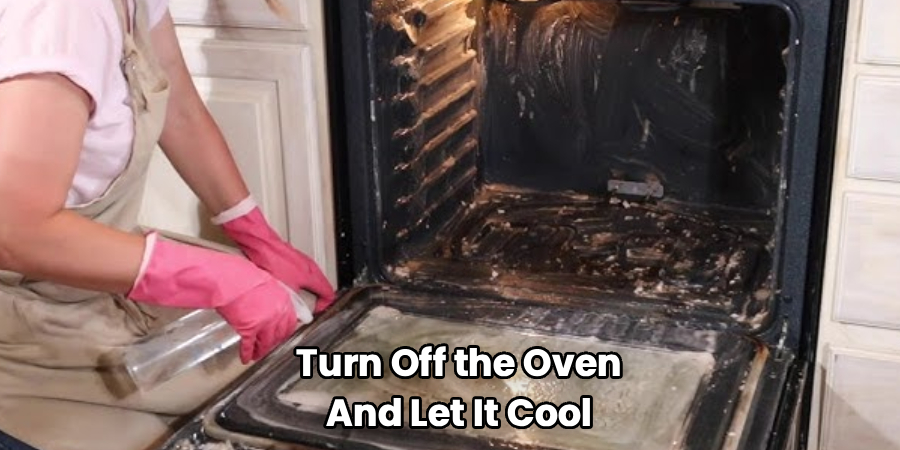
Safety always comes first. Switch off the oven and, if you can, unplug it or shut the gas valve. Hot oil and hot metal cause nasty burns, so resist the urge to clean right away.
Let the oven cool until the interior feels just slightly warm, not hot. A little warmth actually helps, since it keeps the grease soft and easier to lift. Give it twenty to thirty minutes after a bake.
While you wait, crack a window or run the exhaust fan to clear any lingering smoke and burnt smell. Pull on your rubber gloves and lay paper towels nearby. Knowing the oven is cool and safe lets you clean with confidence and no rush.
Step 2 – Soak Up the Loose Oil
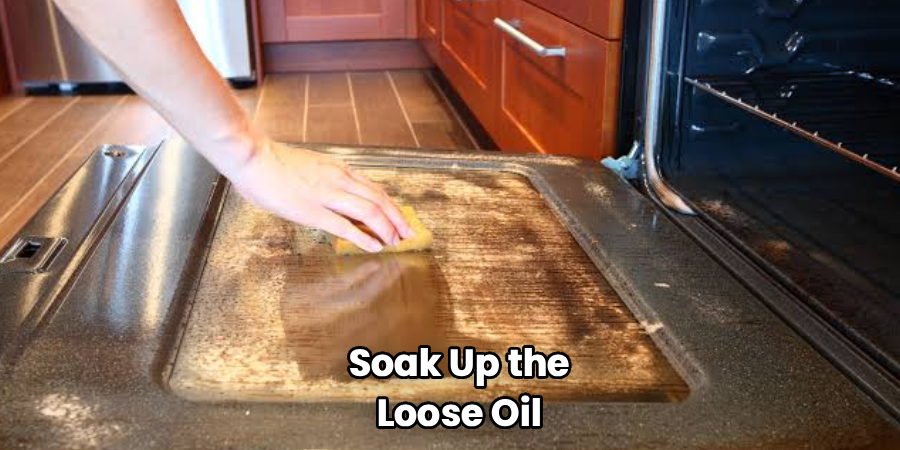
Start with the easy part: removing the liquid oil before it spreads. Grab a stack of paper towels and gently press them onto the puddle on the oven floor. You’ll feel them soak up the slick grease quickly.
Work from the outside of the spill inward so you don’t smear it across clean areas. Keep swapping fresh towels until they stop coming up greasy.
For thicker pools, sprinkle a layer of baking soda directly on the oil first. Watch it darken as it draws the grease up, then scoop the clumps away with a paper towel. This simple step removes most of the mess and makes the deeper cleaning that follows far less work.
Step 3 – Remove the Racks and Drip Tray
Now clear the oven so you can reach every surface. Slide out the oven racks and lift out the drip tray if your oven has one. These parts often catch the worst of the grease splatter.
Set them in a sink filled with hot water and a generous squirt of dish soap. Let them soak for fifteen to twenty minutes while you work on the inside. The warm water loosens the baked-on grease so it wipes off easily later.
You’ll notice the soaking water turn cloudy as the residue lifts. Handling the racks separately gives you full access to the oven floor and interior walls, which makes cleaning up the spilled oil much faster and more thorough.
Step 4 – Apply a Baking Soda Paste
Time to tackle the stuck-on grease. In a small bowl, mix baking soda with a little warm water until you get a thick, spreadable paste, about the texture of toothpaste.
Spread the paste over the greasy spots on the oven floor and any splatter on the interior walls. Use your fingers or a sponge to coat the residue evenly. You’ll see it cling to the burnt areas and start softening them.
Let the paste sit for at least twenty minutes, or longer for heavy buildup. This is the heart of how to clean spilled oil in oven surfaces, since the baking soda quietly breaks down the grease while you wait. The longer it sits, the easier the next step becomes.
Step 5 – Spray with Vinegar and Scrub
Here’s where the magic happens. Pour white vinegar into a spray bottle and mist it over the baking soda paste. You’ll hear a satisfying fizz as the two react and foam up, loosening the grip of the burnt residue.
Let it bubble for a few minutes. Then grab your non-abrasive sponge and scrub in slow circles. You’ll feel the grease give way as the paste turns into a loosened, gritty film.
For stubborn stains that won’t budge, add more paste and a fresh spritz of vinegar, then wait again. Use your plastic scraper to gently lift hardened spots near the oven floor. Avoid pressing too hard, since gentle, patient scrubbing protects the surface and still clears the mess.
Step 6 – Wipe the Interior Clean
With the grease loosened, it’s time to wipe it all away. Dampen a microfiber cloth with warm water and run it over the interior walls and oven floor. You’ll watch the baking soda, vinegar, and dissolved grease come off together.
Rinse the cloth often in clean water and keep wiping until no gritty paste remains. Streaks and cloudy patches mean you need another pass, so don’t rush this part.
Pay close attention around the heating element, but never let it get soaked. Wipe gently around it instead. As the surfaces come clean, you’ll notice the burnt smell fading and the metal looking fresh again. Keep going until your cloth wipes clean with no greasy film left behind.
Step 7 – Clean the Racks and Drip Tray
Now return to the racks and drip tray soaking in the sink. The hot, soapy water should have loosened most of the baked-on grease by now. Scrub each rack with your non-abrasive sponge, working along the bars.
For stubborn spots, sprinkle baking soda onto a damp sponge and rub the grease away. You’ll feel it lift with a little pressure. A commercial degreaser helps here if the buildup is really heavy.
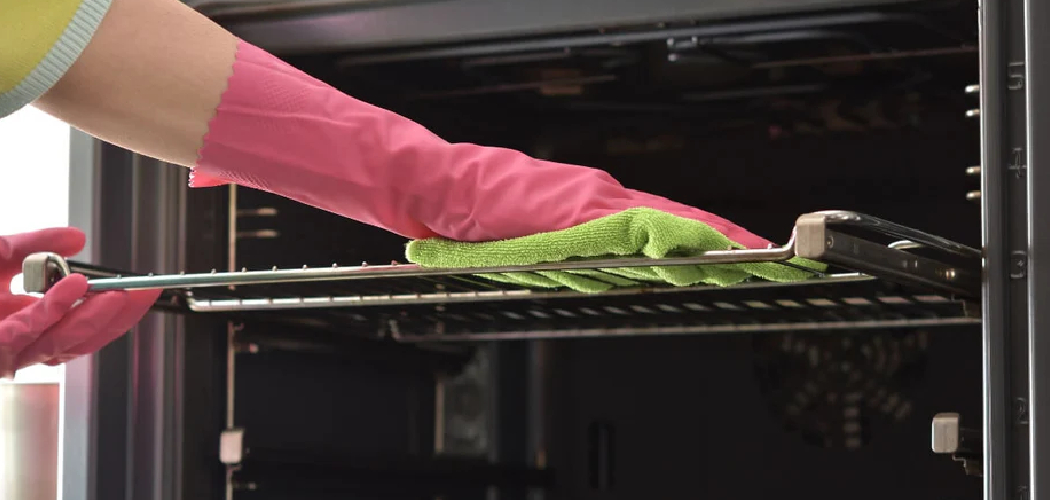
Rinse everything under warm running water until it’s squeaky clean and free of soap. Dry the racks and drip tray with a towel or let them air dry fully. Slide them back into the oven once they’re completely dry so no moisture sits near the metal.
Step 8 – Rinse, Dry, and Air It Out
Finish strong with a final freshening pass. Wipe the entire interior once more with a clean, damp microfiber cloth to remove any leftover baking soda or vinegar. Lingering residue can smoke the next time you cook.
Then dry the surfaces with a fresh cloth so no moisture lingers near the heating element. Leave the oven door open for fifteen minutes to air it out and clear any last burnt smell.
For a final check, run the oven on low for ten minutes with the window open. If you catch a whiff of smoke, wipe down any spots you missed. Once it heats cleanly with no odor, your oven is fresh, safe, and ready for your next meal.
Critical Mistakes When Cleaning Spilled Oil in an Oven
Even careful cooks make slips that turn a quick cleanup into a bigger problem. The biggest mistake is cleaning while the oven is still hot. Hot oil burns skin in an instant, and cold cleaning solutions hitting hot glass can crack it. Always let the oven cool to just warm before you start.
Another common error is reaching for steel wool or harsh metal scrapers. These scratch the interior coating, and those scratches trap grease and rust faster, leaving your oven worse off than before. Stick with a non-abrasive sponge and a plastic scraper instead.
Many people also soak the heating element or oven sensors with water and cleaner. That moisture can damage the components or cause uneven heating later. Wipe gently around these parts and keep them as dry as possible.
Using too much harsh chemical degreaser is another trap. Leftover fumes bake into your food and fill the kitchen with chemical smells. If you use one, rinse thoroughly afterward. Finally, don’t skip the final wipe-down, since leftover residue smokes and brings back that burnt smell the moment you preheat.
Expert Tips
Want to make oven cleanups easier and rarer? Prevention beats scrubbing every time. Place a baking sheet or foil tray on the rack below dishes that tend to bubble over, so spills land there instead of on the oven floor.
Wipe up small splatters while the oven is still slightly warm, since fresh grease lifts in seconds before it bakes on. A quick swipe now saves a deep clean later.
Keep a baking soda and vinegar routine going every few weeks to stop baked-on grease from building. For tough corners, an old toothbrush reaches where sponges can’t. And always run the exhaust fan while cooking oily dishes to cut down on grease splatter. These small habits keep your oven fresh, safe, and smoke-free with hardly any effort.
Frequently Asked Questions
How soon should I clean spilled oil in my oven?
Clean it as soon as the oven cools to just warm, ideally the same day. Fresh oil wipes away easily, but once it bakes on, it hardens into stubborn residue that takes far more scrubbing. If you can’t get to it right away, sprinkle baking soda on the spill to absorb the grease and prevent smoke until you have time for a full clean.
Can I use the oven’s self-clean function instead?
You can, but use it carefully. The self-clean cycle burns residue to ash at very high heat, which works for light grease. However, a large oil spill can create heavy smoke and a strong burnt smell, and the intense heat sometimes damages oven components over time. For big spills, it’s safer to wipe up the oil first, then run a short self-clean cycle if needed.
Will the burnt smell go away on its own?
It usually fades once you remove the grease, but a few steps speed it up:
- Wipe all surfaces clean of any oily residue
- Leave the oven door open to air it out
- Run the oven on low with a bowl of water and lemon slices inside
If the smell lingers, you likely missed a greasy spot, so check the corners and oven floor.
Is baking soda and vinegar safe for all ovens?
Yes, this combo is safe for most standard ovens and gentle on the interior. It’s non-toxic, leaves no harmful fumes, and works well on baked-on grease. Just avoid soaking the heating element or sensors. For self-cleaning ovens with special coatings, check your manual first, since some manufacturers recommend only water and a mild cloth to protect the surface.
What if the grease is really baked on and won’t budge?
For tough, hardened grease, give it more time and a stronger approach:
- Reapply the baking soda paste and let it sit overnight
- Spray with vinegar to fizz and loosen the residue
- Gently lift hardened spots with a plastic scraper
- Use a commercial degreaser for the worst areas
Patience matters more than pressure, so repeat the soak rather than scrubbing hard and scratching the surface.
Conclusion
A greasy oven doesn’t have to ruin your day or call for a technician. With a few pantry basics, baking soda, white vinegar, dish soap, and a little patience, you can lift that spill, clear the burnt residue, and freshen your oven again.
Keep the key steps in mind: cool the oven first, soak up the loose oil, pull out the racks and drip tray, apply a baking soda paste, spray with vinegar and scrub gently, wipe everything clean, wash the racks, then dry and air it out. Avoid steel wool, never soak the heating element, and always do that final wipe so no smoke or odor returns.
Now that you know how to clean spilled oil in oven surfaces the right way, you can handle any spill with confidence, whether it’s in your kitchen at home or a camp oven on the road. Try these steps the next time something bubbles over, and you’ll keep your oven safe, clean, and ready for your next meal. A few minutes of care goes a long way.

About
Nick Hall has spent the last seven years working at the intersection of kitchen design and home repair — first as a design assistant at a residential renovation studio, then as a freelance writer covering everything from cabinet layouts to leaky faucet fixes.
Her approach is simple: kitchens should look good and function well. That means she’s just as comfortable talking about color palettes and counter materials as she is walking readers through how to fix a wobbly cabinet hinge or troubleshoot a garbage disposal.
Nick has worked directly with homeowners on small-space kitchen makeovers, budget-conscious renovations, and the kind of everyday repairs that don’t need a contractor — just the right instructions. She writes from experience, not theory, and tests most of the fixes and tips she shares before publishing them.
When she’s not writing, Nick is usually hunting for mid-century kitchen finds at estate sales or helping friends plan their own renovations. She lives in Columbus, Ohio.