
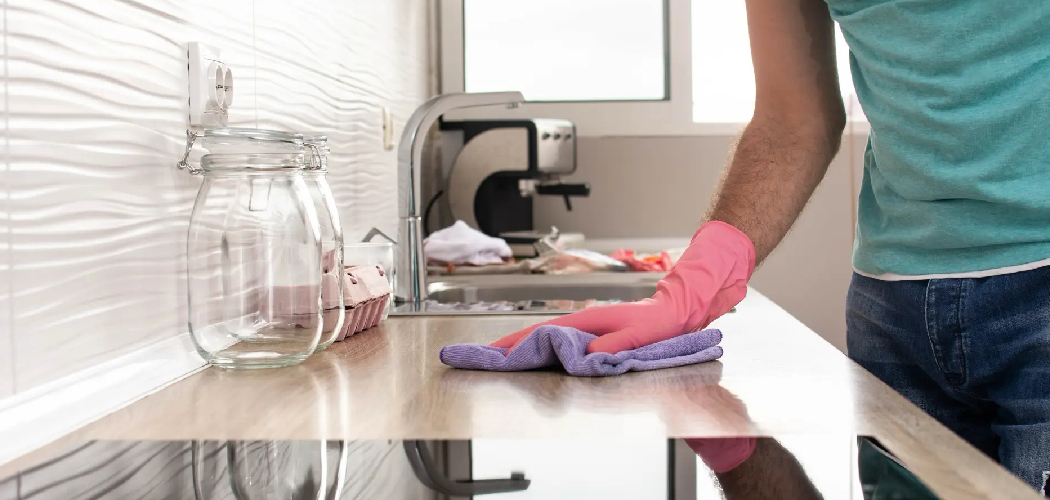
Few kitchen problems feel as annoying as a cloud of tiny flies rising from the sink when you turn on the tap. These pests seem to appear overnight, and once they find moisture, food residue, and a place to breed, they multiply fast. If you have been searching for how to get rid of fruit flies in kitchen sink, the good news is that you do not need harsh chemicals or advanced plumbing skills to solve the problem.
In most homes, the real issue is not the visible insects. It is the buildup inside the drain, disposal, or overflow area that gives them food and shelter. This guide will show you how to clean the source, stop the breeding cycle, and keep your sink fresh.

Why Understanding Drain Hygiene Matters
A kitchen sink handles more than water. Tiny bits of food, grease, soap film, and organic sludge can cling to the drain walls and create the perfect place for fruit flies to feed and lay eggs. When you understand how drain hygiene affects pest problems, you can stop infestations before they spread to counters, trash bins, and nearby produce.
Good drain care also helps your home in other ways. It reduces odors, lowers the risk of clogs, and keeps your kitchen feeling cleaner overall. A fresh sink is not just about appearance. It supports a healthier routine and makes everyday cooking and cleanup more pleasant. Once you learn what attracts these insects, prevention becomes much easier and faster.
Tools and Materials
You do not need a long list of supplies to tackle this problem. Most of the items are probably already in your kitchen or cleaning cabinet.
- Rubber gloves
- Dish soap
- Baking soda
- White vinegar
- Boiling water
- A drain brush or bottle brush
- A flashlight
- A sponge or cleaning cloth
- A small scrub brush or old toothbrush
- A bowl or cup for mixing
- Paper towels
- Optional: enzyme-based drain cleaner for stubborn organic buildup
Choose tools that let you reach into the drain opening, around the rim, and under the sink stopper if your sink has one. The goal is to remove the sticky residue where flies breed, not just rinse the surface.
Step-by-Step Guide on How to Get Rid of Fruit Flies in Kitchen Sink
Step 1 – Confirm the sink is the source
Before you start cleaning, make sure the sink drain is really where the insects are coming from. Fruit flies often gather near overripe produce, compost bins, mops, and trash cans, so take a close look around the kitchen. Stand still for a minute and watch where the flies land most often. If they hover over the drain or crawl along the sink rim, that is a strong sign.
Use a flashlight to inspect the drain opening. You may notice a dark, damp film clinging to the inside walls or around the disposal splash guard. That slimy layer is exactly what attracts pests. Knowing the true source saves time and helps you focus your effort where it will work best.
Step 2 – Clear out visible food debris
Start with the simplest fix: remove any fresh scraps that may be feeding the flies. Pull out the sink strainer and wash it well with hot water and dish soap. If you see bits of pasta, fruit peel, coffee grounds, or grease trapped near the opening, wipe them away completely.
Take your time with this step. Even a small amount of rotting food can keep the infestation alive. If your sink has a garbage disposal, check beneath the rubber flap where soft debris often hides. That area can smell sour or musty when buildup has been sitting there for days. Cleaning away the obvious mess gives you a better shot at solving the deeper drain problem.
Step 3 – Scrub the drain walls and rim
This is where real progress happens. To learn how to get rid of fruit flies in kitchen sink, you need to remove the sticky organic film lining the drain, not just pour cleaner over it. Put on gloves, add a few drops of dish soap to your brush, and scrub the drain opening, the inside rim, and the upper section of the pipe as far as the brush can reach.
Work the bristles in firm circles. You may feel resistance at first because the slime can be thick and tacky. That coating is often made of grease, soap residue, and tiny food particles. Scrub until the surface feels cleaner and less slippery. This physical cleaning breaks up breeding areas that liquid alone may miss.
Step 4 – Flush with boiling water
Once you have loosened debris, flush the drain with boiling water. Heat a kettle or pot until the water is fully boiling, then pour it slowly and carefully down the drain in stages. The hot water helps wash away softened grime and carries loosened residue deeper into the plumbing system.
Listen as the water moves through the pipe. A clear drain often makes a smooth rushing sound, while a partially dirty one may gurgle or drain slowly. If you have older pipes, use caution and avoid extreme temperature shock if your plumbing is delicate. For most kitchen sinks, this rinse helps melt greasy residue and leaves the drain noticeably fresher. You may even notice the sour smell fading right away.

Step 5 – Use baking soda and vinegar to loosen residue
After the hot water rinse, pour baking soda into the drain, followed by white vinegar. The mixture will fizz quickly, and that bubbling action can help lift grime from small crevices. Let it sit for about 15 to 20 minutes so it has time to work on the remaining organic matter.
This step is not magic, but it is useful. The fizzing can reach spots that your brush could not touch, especially around the edges of the pipe or disposal parts. While it sits, wipe down the sink basin, faucet base, and counter area nearby. Fruit flies often rest on damp surfaces, so cleaning the whole zone gives you better control and reduces the chance of survivors hanging around.
Step 6 – Clean the garbage disposal and sink overflow
If your sink includes a garbage disposal, focus on the rubber splash guard and underside of the flap. These surfaces often hold wet residue that smells slightly fermented, which fruit flies love. Lift the edges carefully and scrub underneath with a soapy brush or toothbrush. Rinse well with hot water once the residue is gone.
Some sinks also have an overflow opening or seams where moisture collects. These hidden spots can support a new wave of insects even after the main drain looks clean. If you are still wondering how to get rid of fruit flies in kitchen sink, this is the step many people skip. The hidden, damp edges around sink hardware often keep the problem going long after the obvious mess is removed.
Step 7 – Set a simple trap for adult flies
Cleaning the drain removes the breeding area, but adult flies may still be buzzing around for a few days. Set a small bowl or jar near the sink with apple cider vinegar and a drop of dish soap. The sweet smell draws them in, and the soap breaks the surface tension so they sink.
Place the trap close to the problem area but out of the way of food prep. You should start seeing results within hours. This step does not replace drain cleaning, but it helps reduce the current population while you wait for eggs and larvae to stop developing. A trap gives you visible proof that the infestation is shrinking, which can be very encouraging when you are dealing with a persistent kitchen pest.
Step 8 – Dry the area and remove nearby attractants
Moisture is part of what keeps these insects active, so finish by drying the area well. Wipe the sink basin, faucet, countertop, and any wet spots around the drain. Empty the trash if it contains food waste, and move ripe bananas, tomatoes, or other produce into the fridge or a sealed container.
Look for forgotten attractants nearby. Damp sponges, recycling bins, mop heads, and compost containers can all support a rebound infestation. The kitchen should smell clean, not sweet, sour, or fermented. When the area stays dry and free of food residue, fruit flies lose the conditions they need to survive. Prevention begins once the last visible fly disappears, not before.

Common Mistakes
One common mistake is treating the problem as if the flies are only on the surface. Many people spray the air, wipe the sink, and expect the insects to vanish. That rarely works because the real issue is often the film inside the drain where eggs and larvae develop.
Another mistake is relying only on vinegar or bleach without scrubbing. Liquids can help, but they do not always remove the slimy coating stuck to pipe walls, disposal flaps, and hidden seams. If that residue stays in place, fruit flies will keep coming back.
A third mistake is forgetting nearby sources. The sink may be the main breeding zone, but trash cans, recycling containers, compost bins, and overripe fruit can keep the infestation alive. If you clean the drain but leave a sticky banana peel in the trash overnight, you may still see flies the next morning.
People also often stop too soon. After one cleaning, the number of flies may drop, but a few adults can remain. Keep the area clean and dry for several days, and maintain traps while the breeding cycle ends. Consistency matters more than one dramatic treatment.
Expert Tips
If you want faster, longer-lasting results, clean the drain at night and leave the sink dry until morning. Fruit flies are most active around moisture and food residue, so an overnight dry period helps break their routine. It also gives treatments more time to work without new debris washing into the drain.
For stubborn infestations, an enzyme-based drain cleaner can help digest organic buildup over time. This is especially useful in sinks with garbage disposals or drains that smell musty even after scrubbing. Also, make drain cleaning part of your weekly kitchen routine. A quick scrub and hot water flush once a week is much easier than fighting another full infestation later.
Frequently Asked Questions
Are fruit flies and drain flies the same thing?
Not always. Fruit flies are usually tan or light brown and are drawn to fermenting food, sugary residue, and produce. Drain flies are fuzzier, darker, and more moth-like. In a kitchen sink, people often confuse the two because both gather near drains. The cleaning approach is similar, since both pests thrive in moist organic buildup.
How long does it take to get rid of them completely?
If you clean the drain thoroughly and remove nearby attractants, you may notice fewer flies within one day. Full control often takes several days because eggs and larvae may already be present. Keep cleaning, drying the sink, and using traps for at least a week to make sure the breeding cycle fully stops.
Will bleach solve the problem?
Bleach may reduce odor and kill some surface material, but it often does not remove the sticky film where insects breed. It also may not reach hidden residue under disposal flaps or around drain edges. Physical scrubbing is usually more important than bleach. If you use any chemical product, always follow safety directions and never mix cleaners.
Why do fruit flies keep coming back to my sink?
They usually return because some food residue, grease, or moisture remains in the area. Hidden buildup under the sink strainer, inside the disposal, or near trash and compost bins can restart the problem quickly. Regular drain care, dry surfaces, and better food storage make a big difference in keeping the kitchen less inviting to pests.
When should I call a plumber or pest professional?
Call a plumber if the drain is slow, smells foul even after cleaning, or seems to have deep buildup you cannot reach. A pest professional may help if flies continue appearing after you have cleaned the sink, removed food sources, and set traps for a full week. Persistent infestations can point to a hidden source elsewhere in the home.
Conclusion
Getting rid of fruit flies in your kitchen sink is usually less about killing the insects you can see and more about removing the damp, dirty buildup you cannot. Once you scrub the drain, flush out residue, clean hidden sink parts, and dry the area well, you take away the conditions that let them breed. Add a simple trap and a few smart prevention habits, and the problem becomes much easier to manage.
The biggest lesson is to be thorough. Clean the drain walls, check the garbage disposal, wipe up moisture, and look beyond the sink for other food sources. A few extra minutes of careful cleaning can save you days of frustration later. If you stay consistent, how to get rid of fruit flies in kitchen sink becomes a simple home care task rather than a recurring mystery. Your kitchen can smell fresh, feel clean, and stay fly-free with the right routine.

About
Nick Hall has spent the last seven years working at the intersection of kitchen design and home repair — first as a design assistant at a residential renovation studio, then as a freelance writer covering everything from cabinet layouts to leaky faucet fixes.
Her approach is simple: kitchens should look good and function well. That means she’s just as comfortable talking about color palettes and counter materials as she is walking readers through how to fix a wobbly cabinet hinge or troubleshoot a garbage disposal.
Nick has worked directly with homeowners on small-space kitchen makeovers, budget-conscious renovations, and the kind of everyday repairs that don’t need a contractor — just the right instructions. She writes from experience, not theory, and tests most of the fixes and tips she shares before publishing them.
When she’s not writing, Nick is usually hunting for mid-century kitchen finds at estate sales or helping friends plan their own renovations. She lives in Columbus, Ohio.