
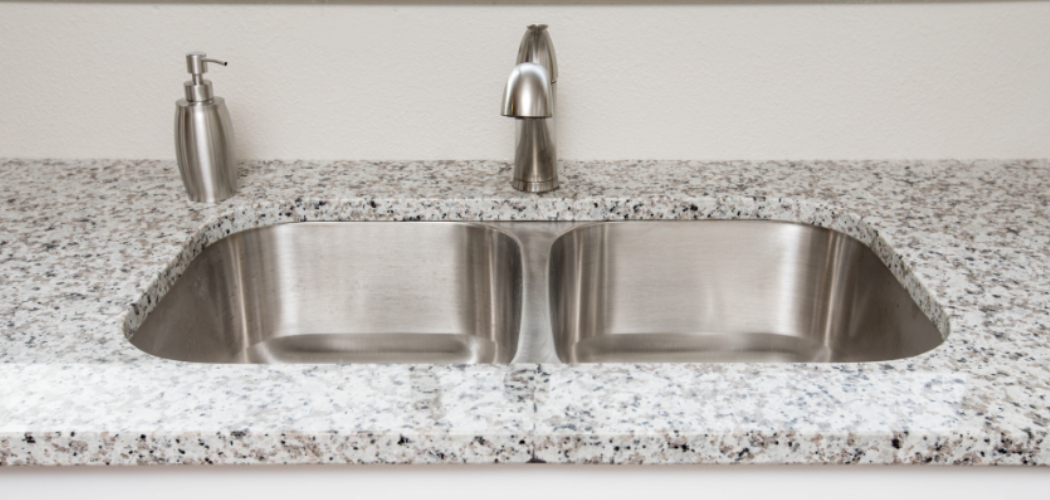
A quartz sink is one of those kitchen workhorses you probably use dozens of times a day without a second thought. It handles everything from rinsing veggies to scrubbing pots, all while looking sleek and modern. But that smooth matte surface needs a little love to stay looking its best.
Here’s the good news. Keeping it spotless is easier than you think. With a few everyday items and a gentle touch, you can banish dull film, water marks, and greasy residue in minutes.
Learning how to clean quartz sinks the right way protects your investment, keeps your kitchen hygienic, and saves you from costly repairs down the road.
This guide walks you through every step so you can keep your quartz sink fresh, clean, and beautiful with confidence.
Why Learning to Clean Quartz Sinks Matters
A clean sink is the heart of a healthy kitchen. Food residue and grease buildup invite bacteria, and a neglected basin quickly grows grimy around the drain. Regular cleaning keeps your space sanitary and your sink smelling fresh.
There’s a beauty side, too. Proper quartz composite sink care protects that lovely finish, prevents stubborn stains, and stops hard water spots from dulling the surface. Treat it gently and your sink stays gorgeous for years, saving you money on replacements.
This skill travels well, too. If you cook in an RV kitchen, a camper, or a compact cabin with a quartz-style or composite sink, the same care keeps things tidy in tight quarters. Even an outdoor prep station benefits from a quick, gentle clean, so you enjoy fresh, hygienic surfaces wherever you happen to be cooking.
Tools and Materials You’ll Need
You don’t need fancy supplies for this job, just a few gentle basics you likely already own. Start with a soft sponge and a microfiber cloth, since both lift grime without scratching that smooth matte surface. Pair them with mild dish soap and warm water for your everyday cleaning routine.

For tougher spots, keep baking soda on hand. It works as a gentle, non-abrasive cleaner that tackles stains and grease without harming the finish. White vinegar helps too, but only on nearby fixtures and faucets, never as a prolonged soak on quartz. A soft-bristle brush reaches into the drain area, and paper towels or a dry towel handle the final buff.
As an optional convenience, a sink grid or rubber mat protects the bottom from scratches and daily wear.
Step-by-Step Guide on How To Clean Quartz Sinks
Step 1 – Clear Out the Sink
Start with an empty basin so you can actually see what you’re working with. Move dishes, sponges, and any leftover clutter out of the way before you begin.
You’ll probably spot dark crumbs around the drain, bits of food splatter on the sides, and maybe a greasy ring near the bottom. That’s all completely normal after a busy day of cooking.
Give the sink a quick rinse with warm water to wash away the loose debris. This simple flush clears food residue and preps the surface for a proper clean.
Take a moment to notice the trouble spots, like cloudy areas or dull film. Knowing where the grime hides helps you focus your effort and makes the rest of the job quick and easy.
Step 2 – Rinse with Warm Water
Now run warm water across the entire basin to loosen anything still clinging to the surface. Warm water softens grease and lifts light food residue without any scrubbing at all.
Use your hand or a soft sponge to guide the water into the corners and along the edges. You’ll feel the surface go slick as the warmth melts away that greasy residue.
Pay attention to the drain area, where crumbs and gunk love to gather. A good rinse here saves you trouble later.
This gentle warm-up step does a lot of the work for you. By the time you reach for soap, half the grime is already gone, leaving you with a much easier clean ahead.
Step 3 – Apply Mild Dish Soap
Squirt a small amount of mild dish soap onto your soft sponge or directly into the damp basin. A little goes a long way, so resist the urge to overdo it.
Work the soap into a light lather, moving the sponge in gentle circles across the matte surface. You’ll watch the suds grab onto grease and food splatter, lifting them right off.
Soap is your best friend for daily kitchen cleanup because it’s effective yet kind to the quartz. Knowing how to clean quartz sinks really comes down to this gentle, consistent approach.
Cover every inch, including the sides and the sloped areas near the drain. The sponge should glide easily, leaving a sudsy film that’s busy breaking down the day’s mess.
Step 4 – Tackle Stains with Baking Soda
For stubborn marks that soap won’t budge, baking soda steps in as your gentle powerhouse. Sprinkle a little directly onto the stain or mix it with water to form a soft paste.
Spread the paste over cloudy spots, coffee rings, or any lingering discoloration. Let it sit for a few minutes so it can work its magic without you lifting a finger.
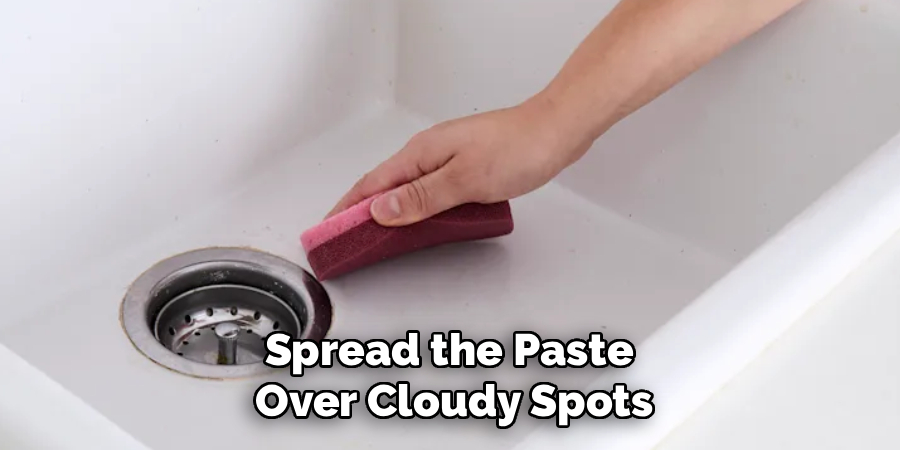
Then gently rub with your soft sponge using light, circular motions. You’ll feel the grit lifting the stain while staying safe on the finish, since baking soda is a true non-abrasive cleaner for this job.
This trick handles most everyday stain removal beautifully. Just avoid scrubbing too hard, and let the baking soda do the heavy lifting for you.
Step 5 – Clean the Drain Area
The drain deserves special attention, since it collects dark crumbs, food bits, and grime you can’t always see. Grab your soft-bristle brush for this part.
Dip the brush in soapy water and scrub gently around the drain opening and the metal strainer. You’ll dislodge trapped residue and clear away that hidden gunk that causes odors.
Work the bristles into the grooves and edges where buildup likes to hide. A little baking soda here boosts your cleaning power if things look especially grimy.
Rinse the area well once you’re done. Keeping this spot clean is a key part of good sink maintenance, and it stops smells before they start. A fresh drain means a fresher kitchen overall.
Step 6 – Address Hard Water Spots
Those cloudy, chalky marks you see? Those are hard water spots, and they’re incredibly common. They form as mineral-rich water dries and leaves a dull film behind.
For the quartz itself, stick with your baking soda paste and a soft sponge to gently lift the residue. Avoid letting any acidic cleaner sit on the surface for long.
If your faucet or nearby fixtures have spots, you can dab a little white vinegar on those metal parts only. Just keep it off the quartz for any prolonged contact, and rinse quickly.
Buff the area gently until the cloudiness fades and the shine returns. Tackling these spots regularly keeps your sink looking crisp and stops the mineral haze from building up over time.
Step 7 – Rinse Thoroughly
Once everything’s scrubbed and treated, give the whole sink a generous rinse with warm water. You want to wash away every trace of soap, baking soda, and loosened grime.
Run the water around all the sides, into the corners, and over the drain area. Leftover cleaner can dry into a new dull film, so be thorough here.
Use your hand to guide the water and check for any slippery soapy patches you might have missed. The surface should feel clean and smooth, not filmy or gritty.
A complete rinse makes a huge difference in the final result. It clears out residue and sets you up for that satisfying, streak-free finish in the next and final step.
Step 8 – Dry and Buff
Never skip drying, because this is what gives your sink that fresh, polished look. Grab a clean microfiber cloth or dry towel and wipe the entire basin.
Drying prevents new water marks and hard water spots from forming as droplets evaporate. You’ll feel the surface go from damp to smooth and dry under your hand.
Buff the sides and bottom in gentle strokes, paying attention to any spots that tend to streak. The matte finish should look even and clean, with no cloudy haze left behind.
That fresh clean feel after drying is the best part. Make this simple habit part of your protective sink routine, and your quartz will reward you with lasting beauty.
Critical Mistakes When Cleaning Quartz Sinks
Even with good intentions, a few common slip-ups can damage that beautiful finish, so let’s clear them up.
The biggest mistake is reaching for harsh abrasives. Steel wool, scouring pads, and gritty powders might seem like they’ll tackle tough grime, but they leave tiny scratches that dull the surface permanently. Always stick with a soft sponge and gentle motions instead.
Another serious error is using strong chemicals. Bleach, oven cleaner, and other aggressive products can discolor or etch quartz composite over time. These are far too harsh for daily kitchen cleanup, so keep them away from your sink entirely.
Many people also let acidic or alkaline cleaners sit too long. Even white vinegar, while handy for nearby fixtures, shouldn’t soak on quartz for any extended time. Prolonged contact with strong acids or alkaline cleaners can damage the finish, so rinse promptly and never leave them pooling in the basin.
Skipping the drying step is a frequent regret, too. Air-drying leaves behind water marks and cloudy mineral spots that build up fast. A quick buff with a dry towel prevents this completely. Finally, don’t ignore daily wipe-downs, since letting grease buildup and food residue linger only makes future cleaning harder.
Expert Tips
Want your quartz sink to stay gorgeous with minimal effort? A few smart habits make all the difference.
Wipe down your sink after every use, even if it’s just a quick rinse and a swipe with a cloth. This stops grease buildup and food residue from settling in, so deep cleaning becomes a breeze.
Dry the basin nightly to keep hard water spots at bay. Just a few seconds with a towel preserves that clean, even finish.
Use a sink grid or rubber mat to protect the bottom from scratches, dropped pots, and daily wear. It’s a small investment that pays off in long-term beauty.
Tackle stains as soon as you spot them, before they have time to set. A quick baking soda treatment keeps your quartz composite sink looking showroom-fresh year after year.
Frequently Asked Questions
How often should I clean my quartz sink?
For best results, give your quartz sink a quick clean every day and a deeper clean once a week. A simple routine looks like this:
- A daily rinse and wipe-down after cooking
- A nightly towel-dry to prevent water spots
- A weekly scrub with mild soap and baking soda for stains
Frequent care keeps grime from building up, making each cleaning faster and protecting that lovely finish over time.
Can I use bleach on a quartz sink?
No, and this one really matters. Bleach is far too harsh for quartz composite and can discolor or damage the surface, especially with repeated use. The same goes for oven cleaner and other aggressive chemicals. Stick with mild dish soap and baking soda for safe, effective cleaning. If you ever face a stubborn stain, gentle and consistent care works far better than harsh products that risk ruining your sink.
What removes hard water spots from quartz?
A baking soda paste is your safest bet for hard water spots on quartz. Mix baking soda with a little water, apply it to the cloudy areas, and gently rub with a soft sponge. For spots on nearby metal faucets, a quick dab of white vinegar works, but keep it off the quartz itself. Always rinse well and dry the surface afterward to stop new mineral spots from forming.
Is vinegar safe for quartz sinks?
Vinegar should be used carefully. It’s great for cleaning nearby fixtures and faucets, but it’s acidic, so it shouldn’t soak on your quartz surface for long. Prolonged contact can dull or damage the finish over time. If you do use it near the sink, apply it only to metal parts and rinse the area quickly. For the quartz itself, baking soda and mild soap are much safer choices.
How do I prevent scratches on my quartz sink?
Prevention comes down to a few easy habits. Avoid steel wool, scouring pads, and gritty powders, since they cause tiny scratches that dull the surface. Always clean with a soft sponge or microfiber cloth instead. A sink grid or rubber mat protects the bottom from dropped pots and pans. Handle heavy cookware with care, and your matte finish will stay smooth and beautiful for years.
Conclusion
Keeping your quartz sink spotless doesn’t have to be a chore. With a soft sponge, mild soap, a little baking soda, and a gentle touch, you can handle everyday grime and stubborn stains all on your own.
Remember the simple rhythm: clear out the sink, rinse with warm water, wash with soap, treat stains with baking soda, clean the drain, tackle hard water spots, rinse thoroughly, then dry and buff. Each step protects your sink’s finish, keeps your kitchen hygienic, and helps that gorgeous surface last for years.
The key is gentleness. Skip the harsh abrasives, bleach, and oven cleaner, and never let strong acids linger on the quartz. Your sink will thank you with a fresh, polished look every single day.
Now that you know how to clean quartz sinks the smart way, you’ve got everything you need to keep yours sparkling. So grab your sponge, build a quick daily habit, and give your trusty sink the care it truly deserves.

About
Nick Hall has spent the last seven years working at the intersection of kitchen design and home repair — first as a design assistant at a residential renovation studio, then as a freelance writer covering everything from cabinet layouts to leaky faucet fixes.
Her approach is simple: kitchens should look good and function well. That means she’s just as comfortable talking about color palettes and counter materials as she is walking readers through how to fix a wobbly cabinet hinge or troubleshoot a garbage disposal.
Nick has worked directly with homeowners on small-space kitchen makeovers, budget-conscious renovations, and the kind of everyday repairs that don’t need a contractor — just the right instructions. She writes from experience, not theory, and tests most of the fixes and tips she shares before publishing them.
When she’s not writing, Nick is usually hunting for mid-century kitchen finds at estate sales or helping friends plan their own renovations. She lives in Columbus, Ohio.