
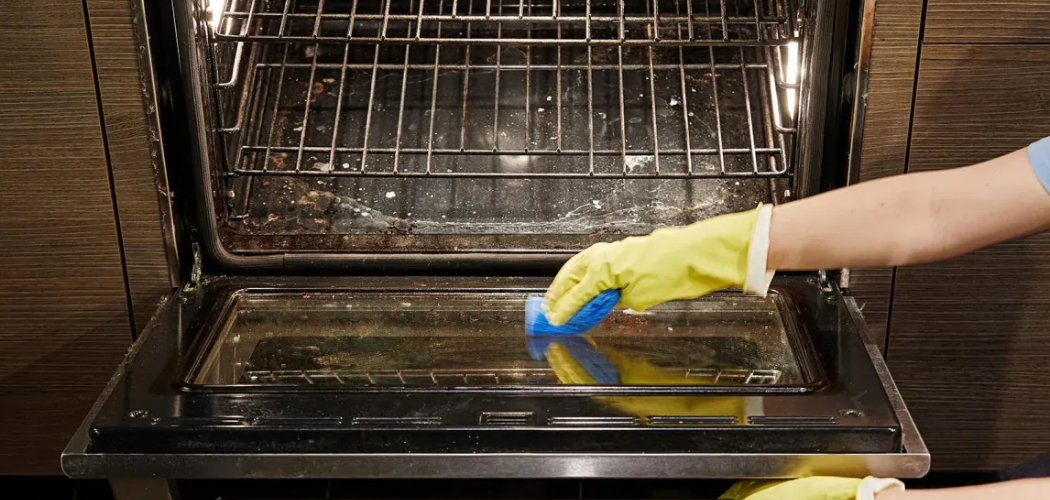
That cloudy haze on your oven door window can be frustrating. You open the oven, hope to peek at your roasting chicken or bubbling lasagna, and all you see is a foggy, grease-streaked mess. If you’ve ever wondered how to clean window in oven door without scratching the glass or making a bigger mess, you’re in the right place.
The good news? You don’t need a technician or fancy equipment. With a few items from your kitchen cupboard and a little patience, you can bring that glass back to crystal-clear shine. The grime you see is usually grease buildup and baked-on residue, and it comes off easier than you’d think.
This guide walks you through everything, step by step, so you can clean your oven door window safely and effectively at home.
Why Cleaning the Window in Your Oven Door Matters
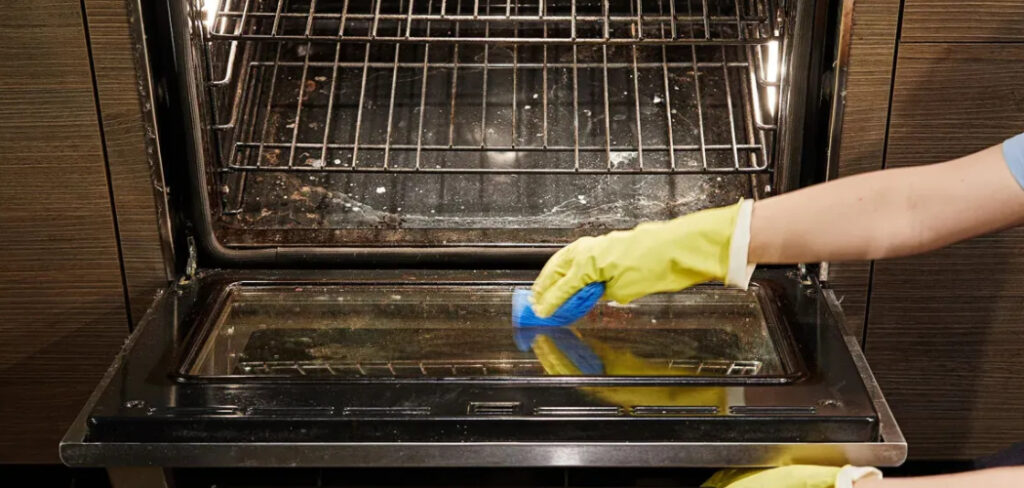
Keeping your oven door glass clean is about more than looks. When you can actually see inside, you bake smarter. You spot browning edges, rising dough, and bubbling sauces without opening the door and losing heat.
A clean window also tells you a lot about your oven’s health. Heavy grease buildup near the glass can carry odors into your food and even create faint smoke when the oven heats up. Nobody wants their cookies tasting like last month’s casserole.
For DIY beginners, this is one of the easiest kitchen wins out there. You build confidence, save money on professional cleaners, and protect your appliance for the long haul. Once you learn the routine, you’ll keep that glass spotless with just a few minutes of effort each month.
Tools and Materials You’ll Need
You probably have most of these items already. For cleaning supplies, grab a soft microfiber cloth or two, a non-abrasive cleaner or a homemade paste of baking soda and water, and a small spray bottle of vinegar. You’ll also want a bowl of warm soapy water and a sponge with a soft side.
For tackling the inner glass panel, keep a screwdriver handy. Most oven doors use Phillips-head screws, so check yours first. A clean towel to lay parts on protects both your glass and your countertop.
One optional convenience item makes a real difference: a plastic scraper or an old gift card. It lifts stubborn baked-on residue without scratching the surface. Trust me, your fingertips will thank you later.
Step-by-Step Guide on How To Clean Window In Oven Door
Step 1 – Cool the Oven Completely and Unplug It
Safety comes first, always. Before you touch anything, make sure your oven is completely cool to the touch. A warm glass surface can crack if it meets cold cleaner, and hot metal edges can burn your hands.
Turn the oven off and unplug it if you can reach the cord. For gas ovens, switch off the gas supply too. This protects you from accidental ignition while you work.
Give the appliance a good hour or two after your last bake. Press the back of your hand near the glass to confirm it’s cool. Once everything feels room temperature, you’re ready to start. Take this moment to clear your countertop and lay down that protective towel.
Step 2 – Wipe Away Loose Crumbs and Surface Grime
Start with the easy stuff. Grab your dry microfiber cloth and gently wipe the oven door glass to remove loose crumbs, dust, and flaky bits of food. You’ll feel the gritty texture lift away with each pass.
Don’t add water yet. Removing dry debris first stops it from turning into a muddy smear once you spray your cleaner. Pay attention to the corners and the bottom edge, where crumbs love to hide.
If you spot chunks of stuck-on food, use your plastic scraper at a low angle to nudge them free. Work slowly and let the tool do the work. This quick prep makes the deeper cleaning much smoother and saves you from grinding grit into the glass later.
Step 3 – Apply Warm Soapy Water to the Outer Glass
Now bring out the warm soapy water. Dip your sponge, wring it so it’s damp but not dripping, and wipe the outer surface of the door in slow circles. You’ll watch the light grease buildup loosen and lift right off.
The warmth helps melt softer oils, while the soap breaks them down. Rinse your sponge often so you’re not just pushing dirt around. For greasy fingerprints near the handle, give them an extra pass.
Once the outer glass feels slick and clean, wipe it with a fresh damp cloth to remove soap traces. Then buff it dry with a clean microfiber cloth. You should already see a noticeable difference in clarity at this point.
Step 4 – Make and Apply a Baking Soda Paste for Tough Stains
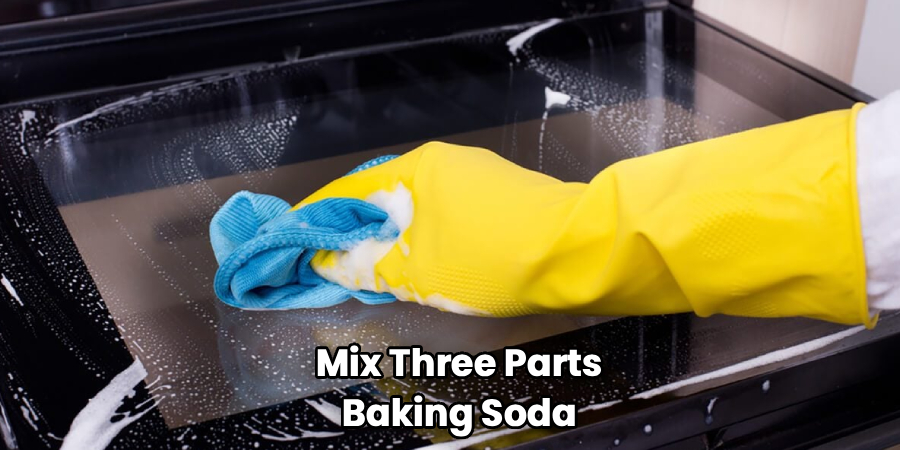
For baked-on residue that won’t budge, mix three parts baking soda with one part water until you get a thick, spreadable paste. It should feel a bit like frosting.
Spread the paste over the stained areas with your fingers or a soft cloth. Focus on the darkest spots where grease has cooked onto the surface. The paste clings nicely and starts pulling at the grime right away.
Let it sit for fifteen to twenty minutes. This is where patience pays off, so resist the urge to scrub immediately. As it works, you’ll notice the residue softening. Use this waiting time to wipe down the rest of your stovetop or sip your coffee. The chemistry is doing the heavy lifting for you.
Step 5 – Gently Scrub and Wipe the Paste Away
After the paste has done its work, dampen your sponge and start scrubbing in small circles. Use the soft side, not the rough green pad, to avoid scratching the oven door glass.
You’ll feel the loosened residue rolling off under your hand. For really stubborn patches, your plastic scraper helps lift the gunk without damaging anything. Keep your touch light and let the softened paste guide you.
Wipe away the residue with a clean, damp cloth, rinsing it often. You may need a few passes to clear all the baking soda. A little white film left behind is normal, and a quick vinegar spray in the next step takes care of it. The glass should now look dramatically clearer.
Step 6 – Tackle the Inner Glass Panel
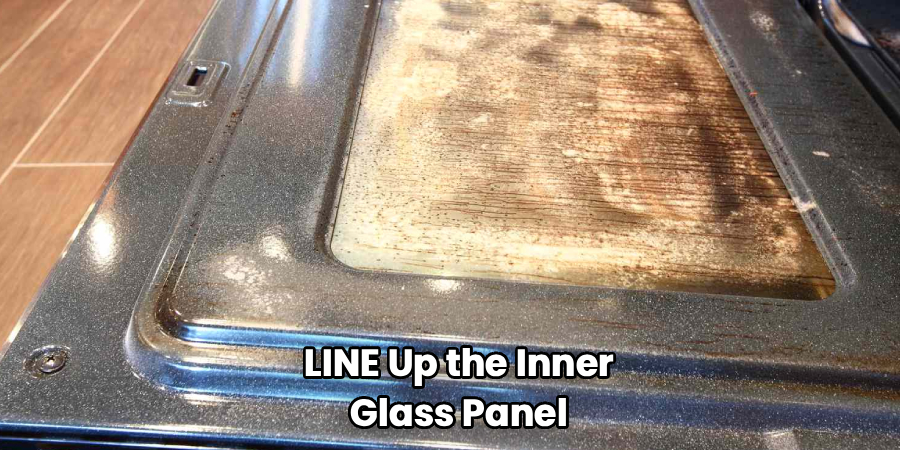
Here’s where many people get stuck. The inner glass panel often traps grime between the layers, so a surface wipe won’t cut it. Check your oven manual to see if the door is designed to come apart.
If it is, open the door fully and look along the top edge for the screws that hold the panels together. Carefully remove the screws with your screwdriver, keeping them in a small bowl so none roll away. Some doors lift off their hinges instead, so support the weight with both hands.
Set the door flat on your towel. With the panels separated, you can finally reach that trapped grease. Take your time and note how each piece fits back together.
Step 7 – Clean Between the Glass Layers
With the panels open, you’ll likely see streaks and spots that have annoyed you for months. Spray your non-abrasive cleaner or a vinegar solution onto a microfiber cloth, not directly onto the glass, to control the moisture.
Wipe both inner surfaces in long, even strokes. The trapped grease buildup usually lifts easily since it’s protected from baking heat. Breathe in that fresh, clean scent as the haze disappears.
Buff each panel dry with a separate clean cloth so you don’t leave lint behind. Hold the glass up to the light and check for missed streaks. This is the satisfying moment when you finally see why learning how to clean window in oven door is so worth the effort. Make sure everything is fully dry before moving on.
Step 8 – Reassemble and Do a Final Polish
Carefully line up the inner glass panel with its frame and reinsert the screws. Tighten them snugly but not too hard, since overtightening can stress the glass. If your door uses hinges, set it back in place and confirm it swings smoothly.
Once everything is secure, give both sides of the door a final polish with a dry microfiber cloth. This removes any last fingerprints and brings out a brilliant shine.
Step back and admire your work. Open and close the door a couple of times to make sure it seals properly. Plug the oven back in or restore the gas supply. You’ve just done a job that many people pay good money for, and your kitchen looks better for it.
Critical Mistakes When Cleaning the Window in Your Oven Door
A few common slip-ups can turn an easy job into a headache, so let’s keep you out of trouble. The biggest mistake is using abrasive scrubbers or harsh scouring pads on the glass. Steel wool and gritty sponges leave tiny scratches that trap future grime and cloud the surface permanently. Always reach for a soft sponge or microfiber cloth instead.
Another error is cleaning while the oven is still warm. Cold cleaner on hot glass can cause cracks, and you risk burning your hands on heated metal edges. Wait until everything cools fully.
Many people also skip reading the manual before removing the door panels. Every model handles screws and hinges differently, and forcing parts apart can break clips or chip the inner glass panel. A two-minute read saves you from costly damage.
Spraying cleaner directly onto the glass is another problem, since liquid can seep into the door’s electronic components or pool between layers. Spray your cloth instead. Finally, don’t rush the drying step. Leaving moisture behind invites streaks and even mold along the seals, undoing all your hard work.
Expert Tips
Want pro-level results? Clean little and often rather than waiting for thick grease buildup to form. A quick wipe after big roasting sessions keeps the glass from ever getting that stubborn, baked-on look.
For sparkle without chemicals, mix equal parts white vinegar and water in a spray bottle. It cuts grease beautifully and leaves no harsh smell once dry. Buff with a dry microfiber cloth for a streak-free finish.
Keep your screws in a labeled cup whenever you open the door panels. It sounds simple, but losing one small screw can sideline your whole oven. And if your door feels heavy or awkward to lift off its hinges, grab a helper. Two hands make the job safer and protect that inner glass panel from accidental knocks.
Frequently Asked Questions
How often should I clean my oven door window?
Aim for a light cleaning once a month and a deeper clean every three to four months. If you cook greasy or splattery meals often, you’ll want to wipe the glass more frequently. Regular attention stops grease buildup from baking on hard, which makes each cleaning faster and far easier than tackling months of stubborn grime all at once.
Can I use a razor blade to scrape stuck-on food?
You can, but be careful. Hold the razor at a low, flat angle and keep the glass slightly damp so the blade glides without digging in. Use gentle, short strokes only on flat areas. For most jobs, a plastic scraper or old gift card works just as well and carries far less risk of scratching the oven door glass.
What’s the safest cleaner for oven door glass?
Stick with a non-abrasive cleaner or simple homemade options. Good choices include:
- Baking soda paste for baked-on residue
- White vinegar and water spray for grease and streaks
- Warm soapy water for everyday wiping
Avoid harsh chemicals and gritty powders. These gentle solutions clean effectively without scratching or leaving harmful residue near your food.
Do I really need to take the oven door apart?
Only if grime is trapped between the glass layers. For surface grease, a good wipe handles it. But when you see streaks you can’t reach, separating the panels is the only way to clean the inner glass panel properly. Always check your manual first, since some doors aren’t designed to come apart safely.
Why does my oven door glass look cloudy even after cleaning?
Cloudiness usually means leftover mineral deposits or trapped grease between the panels. A vinegar solution often clears mineral haze on the surface. If the fog sits between the layers, you’ll need to open the door and clean the inner glass. Streaky drying with a dirty cloth can also cause haze, so always finish with a fresh microfiber cloth.
Conclusion
Bringing that oven door window back to a sparkling shine is far simpler than it looks. With a little warm soapy water, a baking soda paste, and a soft microfiber cloth, you can clear away grease buildup and baked-on residue in under an hour. The trick is working on a cool oven, using gentle non-abrasive tools, and taking your time with the inner glass panel when needed.
You’ve now got a complete routine, from wiping loose crumbs to reassembling the screws and hinges with confidence. Each step builds on the last, and none of it requires calling a technician or spending money on pricey services.
Knowing how to clean window in oven door is a small skill that pays off every time you peek at a bubbling casserole through crystal-clear glass. So roll up your sleeves, grab your supplies, and give your oven the refresh it deserves. Once you see that gleaming window, you’ll wonder why you ever put it off. Your kitchen, and your next batch of cookies, will thank you.

About
Nick Hall has spent the last seven years working at the intersection of kitchen design and home repair — first as a design assistant at a residential renovation studio, then as a freelance writer covering everything from cabinet layouts to leaky faucet fixes.
Her approach is simple: kitchens should look good and function well. That means she’s just as comfortable talking about color palettes and counter materials as she is walking readers through how to fix a wobbly cabinet hinge or troubleshoot a garbage disposal.
Nick has worked directly with homeowners on small-space kitchen makeovers, budget-conscious renovations, and the kind of everyday repairs that don’t need a contractor — just the right instructions. She writes from experience, not theory, and tests most of the fixes and tips she shares before publishing them.
When she’s not writing, Nick is usually hunting for mid-century kitchen finds at estate sales or helping friends plan their own renovations. She lives in Columbus, Ohio.