
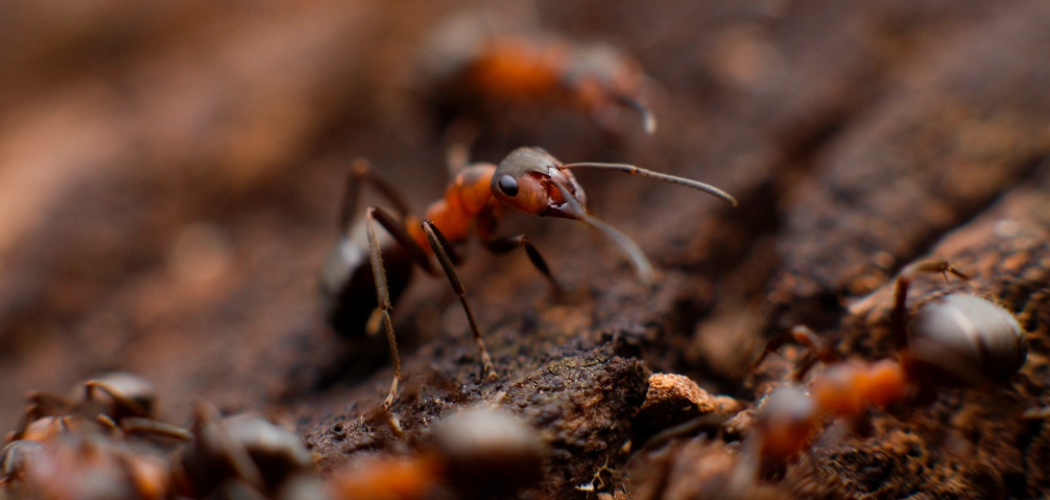
Ghost ants are tiny, fast, and easy to miss until they seem to be everywhere. Their pale legs and abdomen make them look almost invisible against counters, tile, and light-colored walls. That is part of what makes them so frustrating in kitchens, where even a few crumbs, drops of juice, or damp spots can attract a growing trail.
If you are searching for how to get rid of ghost ants in kitchen, the good news is that you can solve the problem with a clear plan. You do not need to panic or spray every corner of the room. You need to identify where they travel, remove what draws them in, and use the right control method in the right place. This guide will show you how to remove ghost ants safely and keep them from coming back.

Why Ghost Ant Control Matters in a Kitchen
A kitchen gives ghost ants almost everything they want. It offers sugar, grease, water, warmth, and plenty of hiding places behind baseboards, under sinks, and around appliances. Once scouts find a food source, they leave a scent trail that helps the rest of the colony follow. What starts as a few tiny ants near the sink can turn into a daily problem.
Learning to handle ghost ants early helps you protect your food prep areas, reduce contamination risks, and avoid a much larger infestation later. It also saves time and money because small colonies are easier to manage than established ones spread through walls or cabinets. When you know what attracts them and how they behave, you can act with confidence instead of guessing. That makes kitchen pest control simpler, cleaner, and more effective.
Tools and Materials You’ll Need
Before you begin, gather a few basic supplies so you can work through the problem without stopping midway.
- Paper towels or microfiber cloths for wiping trails, spills, and sticky residue
- Mild dish soap and warm water for cleaning counters, floors, and ant paths
- Airtight food storage containers to protect sugar, snacks, cereal, and pet food
- A flashlight for checking dark cabinet corners, plumbing gaps, and baseboards
- Caulk or sealant to close cracks around windows, pipes, and trim
- Ant bait labeled for indoor household ants, especially sweet liquid or gel bait
- Disposable gloves for cleaner handling of bait and cleaning products
- A small trash bag for food scraps, crumbs, and infested packaging
- Optional: painter’s tape or sticky notes to mark active trails and bait locations
Step-by-Step Guide on How to Get Rid of Ghost Ants in Kitchen
Step 1 – Confirm that you are dealing with ghost ants
Start by taking a close look at the ants you see. Ghost ants are very small, usually around 1.3 to 1.5 millimeters long. Their heads and thorax are darker, while their legs and abdomen look pale or almost transparent. That two-tone body is one of the easiest ways to tell them apart from other common indoor ants.
Watch how they move. Ghost ants often form thin, busy trails along countertops, backsplash edges, electrical cords, and plumbing lines. You may notice them clustering around sweet spills, fruit, syrup, or damp spots near the sink. Correct identification matters because treatment works best when it matches the species. If you mistake them for another ant, you may use the wrong product and make the problem harder to control.
Step 2 – Find the food and moisture sources
The next step is to figure out why the ants chose your kitchen. Ghost ants are strongly drawn to sweets, but they also seek moisture. Check around fruit bowls, sugar containers, recycling bins, dish racks, coffee stations, and pet bowls. Even a thin ring of juice under a bottle can keep a trail active.
Look under the sink and around dishwasher hoses for damp wood, drips, or condensation. Open cabinets and inspect corners where crumbs gather. Smell the area as you work. Sour trash, sticky spills, and damp sponges often point to hidden attractants. When you understand what is feeding them, how to get rid of ghost ants in kitchen becomes much easier, because you stop supporting the colony while you treat it.
Step 3 – Clean every active trail the right way
Once you spot active travel paths, clean them thoroughly. Use warm water with a little dish soap and wipe the full trail, not just the ants you can see. This helps remove the scent markers they use to guide nestmates back to food. If you only kill visible ants and leave the trail in place, more will often return within hours.
Pay close attention to edges and seams. Wipe along baseboards, under small appliances, behind the toaster, and around the sink rim. Rinse your cloth often so you do not spread sticky residue from one spot to another. As you clean, you may notice a faint sweet or musty smell in neglected areas. That is often a clue that food or moisture has built up there over time and needs more than a quick surface wipe.
Step 4 – Store food and remove hidden attractants
Now make the kitchen less inviting. Transfer pantry foods into sealed containers, especially sugar, cereal, flour, snack bars, and pet treats. Do not forget open bags in drawers or half-used baking supplies on high shelves. Ghost ants can find tiny food traces that people overlook.
Take out the trash, rinse recyclables, and clean the inside of the bin if there is any sticky film. Wash dishes promptly and avoid leaving cups with juice, soda, or tea residue overnight. Wipe the stove and the floor under cabinets where grease and crumbs collect. Small changes here make a big difference. You are cutting off the easy rewards that keep ants exploring the room and encouraging them to move on from your kitchen.

Step 5 – Use bait instead of relying on spray alone
This is the step many people get wrong. Sprays may kill the ants you see, but ghost ant colonies often split and relocate when disturbed. That can spread the infestation into more wall voids or cabinets. Bait works better because worker ants carry it back to the colony and share it.
Place small amounts of sweet liquid or gel bait near active trails, but not directly on food prep surfaces. Set bait along baseboards, behind appliances, near sink plumbing, or at cabinet corners where you saw steady activity. Be patient after placement. You may see more ants at first, which is normal. When people ask how to get rid of ghost ants in kitchen, the most effective answer is usually careful sanitation paired with the right bait strategy.
Step 6 – Seal entry points after activity slows
Do not rush to seal cracks on day one. If you block openings before the bait has had time to move through the colony, you may trap ants inside wall voids or push them to another route. Wait until activity has clearly dropped, then inspect likely entry points.
Look around windowsills, pipe openings, backsplash gaps, loose trim, and spaces where cabinets meet the wall. Use caulk or sealant to close narrow openings. Work slowly and neatly so you create a lasting barrier. This step matters because ghost ants can squeeze through tiny spaces you might never notice at first glance. Sealing those gaps helps keep new scouts from entering once the main trail has disappeared.
Step 7 – Monitor the kitchen for several days
After cleaning, baiting, and sealing, keep watching the area. Check the same spots each day, especially early morning and evening when ant activity may be easier to spot. Use a flashlight to inspect under the sink, behind the microwave, and along wall edges. If the bait is empty or dried out, replace it.
You may still see a few stragglers for a short time. That does not always mean the treatment failed. Colonies take time to decline, especially if there are satellite nests nearby. Keep surfaces dry and clean during this period. A single syrup drip or overflowing trash bag can restart activity. Good monitoring helps you decide whether the problem is fading as expected or whether you need a stronger response.
Step 8 – Know when to call a pest control professional
Some infestations are too established for a simple DIY fix. If ants keep returning after one to two weeks of proper baiting and cleaning, there may be multiple nests inside walls, under floors, or around plumbing lines. A professional can inspect hidden areas and use products and placement methods that are not practical for most homeowners.
Call for help sooner if you live in a multi-unit building, if the infestation spreads beyond the kitchen, or if you have repeated outbreaks in warm, humid weather. Persistent ghost ant issues often point to moisture problems or structural gaps that need expert attention. Knowing how to get rid of ghost ants in kitchen also means knowing when the fastest, cleanest solution is to bring in a trained technician.

Common Mistakes When Removing Ghost Ants From a Kitchen
One common mistake is using too much spray too soon. It feels satisfying because you see ants die right away, but this often works against you. Ghost ants are known for fragmenting under pressure, which means part of the colony may move and start new trails elsewhere. That can turn one visible problem into several hidden ones.
Another mistake is cleaning only what you can see. If you wipe the counter but ignore the sticky syrup bottle, the damp sponge, or the crumbs under the toaster, the ants still have a reason to stay. Kitchens often have tiny food and water sources tucked into corners, and ghost ants are excellent at finding them.
Many people also place bait in the wrong spot. If bait sits far from active trails, workers may never find it. If it is placed on a freshly sprayed surface, ants may avoid it entirely. Bait should be close to where they travel, but in safe locations away from direct food prep.
The last major mistake is giving up too early. Ghost ant control takes patience. You may see more ant activity after bait placement because workers are recruiting others to the food source. That is often a sign the bait is doing its job, not proof that the treatment failed.
Expert Tips
For better results, rotate your attention between sanitation, moisture control, and bait performance instead of focusing on only one part of the process. Ghost ants often shift their feeding preferences, so if one bait is ignored, a different sweet formulation may work better. Keep bait fresh and small rather than applying large messy amounts.
It also helps to think beyond the countertop. Check nearby bathrooms, laundry rooms, and utility areas because ghost ants often follow plumbing and move through connected wall spaces. If your kitchen problem keeps returning, inspect for slow leaks, soft caulk, or damp wood. Long-term control usually comes from fixing the conditions that support the colony, not just removing the ants you see today.
Frequently Asked Questions
Are ghost ants dangerous in the kitchen?
Ghost ants are not considered dangerous in the way stinging or biting pests can be, but they are still a problem indoors. They can crawl over food prep surfaces, dishes, and stored food, which makes your kitchen less sanitary. Their small size also lets them spread quickly before you notice them, so prompt control is still important.
Why do ghost ants keep coming back after I clean?
Cleaning helps, but it is only one part of control. If a colony is nesting nearby or if small food and moisture sources remain, ants can return fast. They may also keep using hidden entry points in walls or around pipes. Pair cleaning with bait, sealing, and moisture control for better long-term results.
Should I use vinegar to remove ghost ants?
Vinegar can help wipe away trails and reduce food odors on surfaces, so it may disrupt where ants travel for a short time. Still, it usually does not eliminate the colony. Think of vinegar as a cleaning aid, not a full treatment plan. For lasting control, you usually need sanitation, bait, and exclusion together.
How long does it take to get rid of ghost ants?
Many small infestations improve within several days, but full control often takes one to two weeks. The exact timing depends on colony size, the number of nests, and whether the ants are feeding on the bait. If activity stays strong after consistent treatment, you may be dealing with a larger or hidden infestation.
Can ghost ants nest inside kitchen walls?
Yes, they can. Ghost ants often nest in wall voids, behind cabinets, under sinks, and near warm, moist spaces. They also form multiple nesting sites, which makes them tricky to remove with surface treatment alone. That is why recurring trails often point to a hidden nesting area rather than a simple spill on the counter.
Conclusion
Getting rid of ghost ants takes more than wiping the counter and hoping for the best. You need to identify the ants correctly, remove food and moisture sources, clean scent trails, place bait where workers will find it, and seal entry points after activity drops. When you follow those steps in order, you give yourself the best chance of stopping both the visible trail and the colony behind it.
If the ants seem stubborn, do not assume you have failed. These pests are small, persistent, and good at hiding in places you cannot easily reach. Stay consistent, keep your kitchen dry and clean, and monitor the problem for several days. If needed, bring in a pest control expert before the infestation spreads further.
Once you understand how to get rid of ghost ants in kitchen, the process feels far less overwhelming. With patience and a smart plan, you can take back your kitchen and keep it cleaner, calmer, and ant-free.

About
Nick Hall has spent the last seven years working at the intersection of kitchen design and home repair — first as a design assistant at a residential renovation studio, then as a freelance writer covering everything from cabinet layouts to leaky faucet fixes.
Her approach is simple: kitchens should look good and function well. That means she’s just as comfortable talking about color palettes and counter materials as she is walking readers through how to fix a wobbly cabinet hinge or troubleshoot a garbage disposal.
Nick has worked directly with homeowners on small-space kitchen makeovers, budget-conscious renovations, and the kind of everyday repairs that don’t need a contractor — just the right instructions. She writes from experience, not theory, and tests most of the fixes and tips she shares before publishing them.
When she’s not writing, Nick is usually hunting for mid-century kitchen finds at estate sales or helping friends plan their own renovations. She lives in Columbus, Ohio.