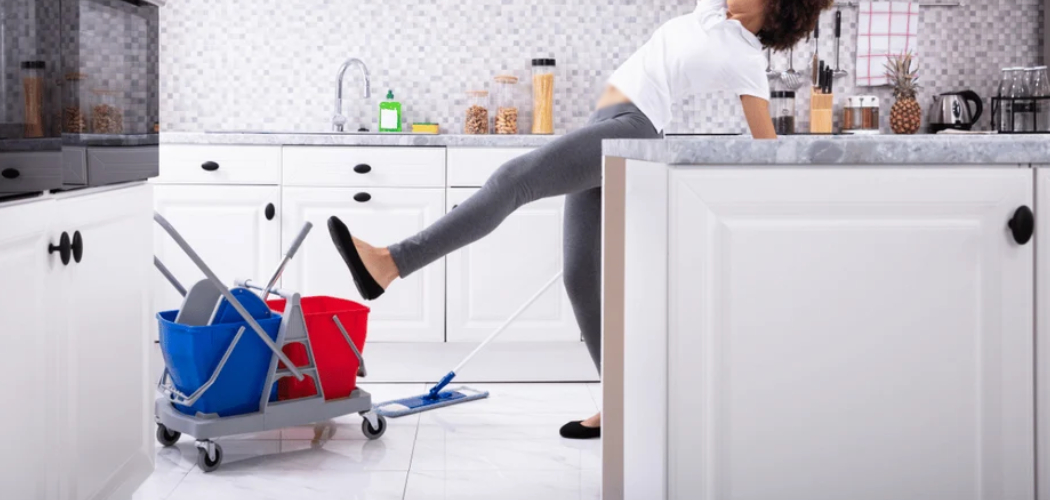
The kitchen is the busiest room in most homes, and it’s also one of the slipperiest. Between greasy splashes near the stove, wet footprints by the sink, and crowded walkways, hazards hide in plain sight.
Here’s the reassuring part: most kitchen falls are completely avoidable. With a few smart habits and simple tweaks, you can turn a risky space into a safe, confident one.
You don’t need a contractor or fancy gear. Learning how to prevent falls in the kitchen comes down to better traction, smarter lighting, and tidy floors.
Whether you cook daily or only on weekends, small changes make a big difference for you and your family.
This guide walks you through every step in plain, friendly language so you can build a safer kitchen with total confidence.
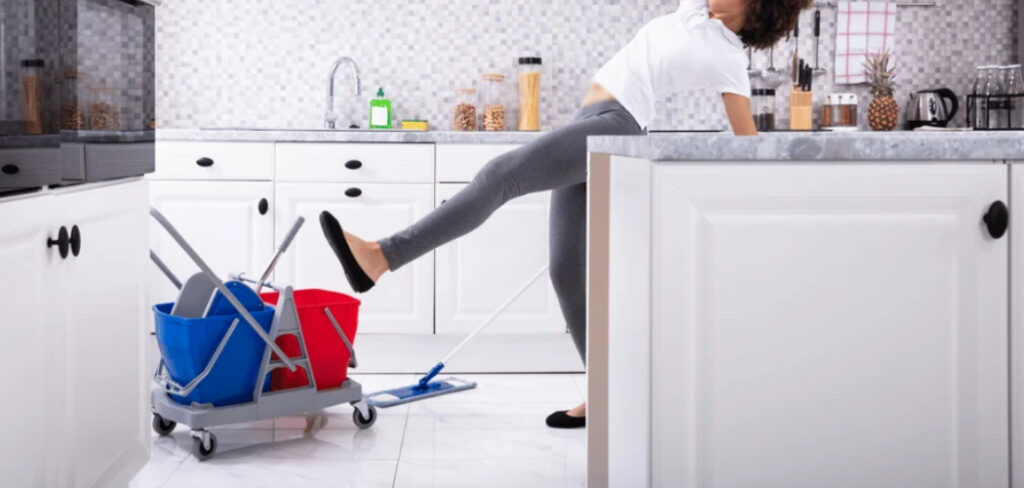
Why Preventing Kitchen Falls Matters
A safe kitchen protects everyone who walks through it. Falls cause real injuries, and the kitchen’s hard floors and sharp corners make them especially risky.
For homeowners and kitchen enthusiasts, fall prevention protects both your loved ones and your peace of mind. A single slip on a wet floor can lead to bruises, broken bones, or worse.
For DIY beginners, this skill is empowering. You learn how floor traction works, why lighting improvement matters, and how a quick hazard check stops accidents before they happen.
Families with kids and older adults benefit most of all. Little feet rush, and aging joints need stable footing, so a non-slip surface keeps everyone secure.
Most of all, a safer kitchen lets you relax and enjoy cooking. When the floor feels solid and dry underfoot, you move with ease instead of worry.
Tools and Materials You’ll Need
Gather your supplies before you start so the whole project flows smoothly. Begin with a set of non-slip mats for high-traffic zones like the sink and stove, since they grip the floor and catch drips. Keep absorbent towels or paper towels within reach for fast spill cleanup, and have a reliable mop ready for quick wet-floor fixes.
A pair of non-slip footwear makes a surprising difference, giving you stable footing even on slick tile. Grab brighter task lighting or replacement bulbs to brighten dim corners, plus cable organizers to clear tripping hazards from cords. A sturdy step stool with rubber feet helps you reach high shelves safely.
One optional convenience item, an anti-slip floor cleaner, boosts floor traction over time while keeping surfaces fresh. It makes daily floor maintenance feel almost effortless.
Step-by-Step Guide on How To Prevent Falls In The Kitchen
Step 1 – Do A Full Hazard Check
Before changing anything, walk through your kitchen with fresh eyes. Look for trouble spots you usually ignore during the daily rush.
Notice where the tile feels slick underfoot, where cords snake across walkways, and where dim corners hide spills. Check near the stove for greasy splashes and around the sink for wet footprints.
Open cabinets and look for items stored too high, since reaching for them often leads to wobbling and falls.
Jot down each slip hazard you spot. A simple list keeps you focused and makes sure nothing gets missed.
This quick hazard check takes just a few minutes. Once you know exactly where the dangers live, fixing them becomes far easier and a lot less overwhelming.
Step 2 – Clear Your Walkways
Cluttered walkways cause more falls than people realize. Bags on the floor, open drawers, and stray pet bowls all wait to trip you.
Start by clearing the main paths between your sink, stove, and fridge. These routes see the most foot traffic, so they need to stay completely open.
Move trash cans, recycling bins, and step stools out of the natural flow. Tuck them against walls or into corners where they won’t surprise you mid-stride.
Picture yourself carrying a hot pot with both hands full. You won’t be watching your feet, so the floor must stay clear on instinct alone.
Good walkway clearance gives you room to move with confidence. A tidy path is one of the simplest, fastest safety wins you’ll make.
Step 3 – Tame Loose Cords And Cables
Loose cords are silent trip hazards, and modern kitchens have plenty. Toasters, kettles, blenders, and chargers all trail wires across counters and floors.
Grab your cable organizers and bundle each cord neatly. Keep them close to the wall and well away from walkways where feet pass.
Never let a cable dangle across the floor between an outlet and an appliance. One careless step can yank the cord and send you, or a hot appliance, tumbling.
Unplug small appliances when you finish using them, then coil the cords tidily. This habit clears clutter and reduces electrical risks too.
Knowing how to prevent falls in the kitchen often starts with these overlooked details. Tidy cords keep your floor open, safe, and free of hidden surprises.
Step 4 – Tackle Slippery Floors
Slick floors are the number one culprit behind kitchen falls. Smooth tile gets dangerously slippery the moment water or grease lands on it.
Lay non-slip mats in the spots that get wet most, like in front of the sink and beside the stove. They grip the floor and catch drips before they spread.
Mop regularly with an anti-slip floor cleaner to build lasting floor traction. You’ll feel the difference as the surface grips your shoes instead of sliding.
Watch out for grease buildup near the stove, since oily film makes any floor treacherous. Wipe it away as soon as you spot that telltale shine.
A solid non-slip surface gives you stable footing every time you cook, turning a risky floor into a secure one.

Step 5 – Clean Spills Immediately
Spills happen constantly in a busy kitchen. The trick is treating every one as an urgent job, not a “later” task.
The moment water, oil, or sauce hits the floor, grab your towels or paper towels and wipe it up. Even a small puddle near the sink can send you sliding.
Keep absorbent towels in an easy-to-reach spot so you never hesitate. The faster you act, the less chance anyone steps in it first.
For greasy splashes, use a little soap with your spill cleanup, since plain water just smears the slick film around.
Run your hand or shoe over the spot afterward. That dry, secure feel tells you the floor is safe again. Fast cleanup is your best everyday defense.
Step 6 – Brighten Up The Space
Poor lighting hides hazards you’d otherwise dodge with ease. Dim corners, shadowy counters, and gloomy floors all set the stage for missteps.
Walk through your kitchen at night and notice where shadows gather. Those dark zones are exactly where spills and clutter go unseen.
Swap dim or burnt-out bulbs for brighter ones, and add task lighting under cabinets to illuminate countertops. Good lighting improvement lets you spot a wet floor before you step in it.
Place a small light near the sink and stove, the busiest and most accident-prone areas. Bright, even light keeps every surface visible.
When you can clearly see the floor and counters, you move with far more confidence. Better visibility is one of the easiest upgrades for real accident prevention.
Step 7 – Reach High Shelves Safely
Climbing on chairs or wobbly stools causes countless kitchen falls. That quick reach for a high shelf often ends in a nasty tumble.
Keep a sturdy step stool with rubber feet in your kitchen, and use it every single time. Those rubber feet grip the floor and stop the dreaded wobble.
Before stepping up, make sure the stool sits flat on a dry, level surface. Never balance it on a mat or uneven tile.
Store your everyday items on lower, easy-to-reach shelves. Save the high spots for things you rarely touch.
Hold the counter or shelf as you climb, and never overreach. A stable stool and a calm, careful approach keep your footing secure and your feet safely off the chairs.
Step 8 – Build A Daily Safety Routine
A safe kitchen stays safe through small, consistent habits. The goal is making prevention feel automatic rather than a chore.
Wipe spills the instant they happen, and give the floor a quick scan before you leave the room each night. Catch hazards while they’re small.
Mop slippery zones a couple of times a week, and tidy cords and walkways daily. Regular floor maintenance keeps traction strong and clutter low.
Wear your non-slip footwear whenever you cook, especially during big meals when splashes fly.
Do a fresh hazard check every month to catch new risks, like a worn mat or a flickering bulb.
Once these habits become second nature, kitchen safety takes care of itself. You’ll cook with ease, knowing your floor stays clear, dry, and secure underfoot.
Critical Mistakes to Avoid When Preventing Kitchen Falls
The biggest mistake by far is leaving spills for later. A small puddle by the sink feels harmless, but it’s a serious slip hazard the moment someone rushes past. Treat every spill as urgent, and wipe it the instant it lands. Quick spill cleanup prevents more falls than any other single habit.
Another common slip is ignoring grease buildup near the stove. Oily film coats the floor invisibly and makes even textured tile dangerously slick. Plain water just smears it around, so you need soap or a degreasing cleaner to truly restore floor traction.
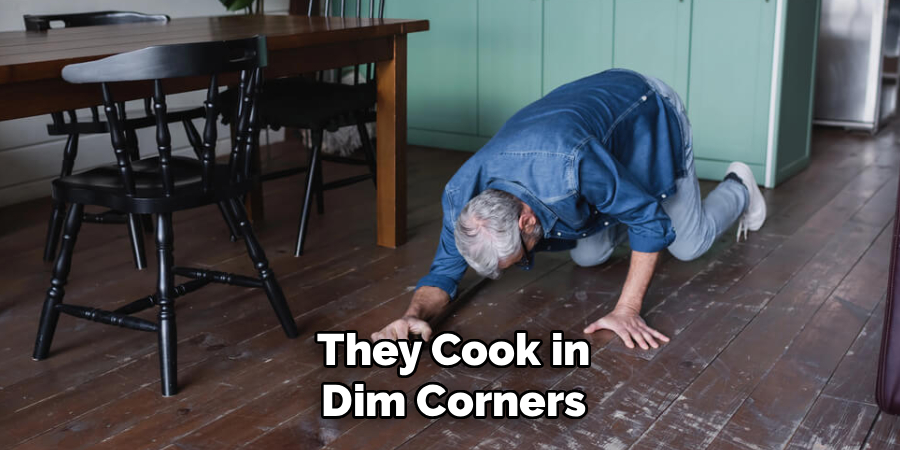
Many people also overlook lighting. They cook in dim corners and never see the wet floor or stray cord until it’s too late. A simple lighting improvement, like brighter bulbs or under-cabinet lights, dramatically boosts accident prevention.
Then there’s the classic chair-climbing mistake. Standing on a wobbling stool or kitchen chair to reach high shelves invites disaster. Always use a stable step stool with rubber feet instead. Finally, don’t forget loose cords. Trailing cables across walkways trip even careful cooks, so tidy them up for safer, stable footing.
Expert Tips
Want a genuinely safer kitchen? Keep a stack of absorbent towels in two spots, near the sink and near the stove, so cleanup is never more than a step away.
Test your floor traction by walking across it in your usual cooking shoes after mopping. If it feels even slightly slick, switch to an anti-slip cleaner and add a mat.
Store heavy items at waist height, not up high. You’ll avoid risky overreaching and skip the step stool altogether for everyday cooking.
Place a small rug with a rubber backing where you stand most, but check the edges weekly so they never curl into a tripping hazard.
Finally, schedule a monthly hazard check. Mark your calendar, and walk the room looking for new risks, so household safety never slips your mind.
Frequently Asked Questions
What Is The Most Common Cause Of Kitchen Falls?
Slippery floors top the list by far. Water, grease, and dropped food create a slick surface that sends feet sliding without warning. The fix is simple but constant:
- Wipe spills immediately before anyone steps in them
- Use non-slip mats near the sink and stove
- Clean grease buildup with soap, not just water
Stay on top of these, and you’ll prevent most kitchen slips.
Are Non-Slip Mats Really Worth It?
Absolutely. Non-slip mats give you reliable floor traction exactly where spills happen most, like in front of the sink and stove. They catch drips, cushion your feet, and grip the floor so you stay steady. Just choose mats with a rubber backing and flat edges, and check them weekly for curling. A good mat is an inexpensive, effective upgrade for everyday kitchen safety.
How Can I Make My Tile Floor Less Slippery?
Start with an anti-slip floor cleaner, which builds lasting traction with regular use. Add non-slip mats in wet zones, and wipe greasy splashes right away, since oil makes tile especially treacherous. Wearing non-slip footwear helps too. For a longer-term fix, you can apply an anti-slip floor treatment that subtly textures the surface. Together, these steps turn a slick tile floor into a secure one.
Is Better Lighting Important For Fall Prevention?
Yes, more than most people think. Dim corners hide spills, clutter, and cords until you’ve already stepped in trouble. Brighter bulbs and under-cabinet task lighting let you spot a wet floor before it catches you. Focus extra light on the busiest, riskiest areas, like the sink and stove. Good visibility is one of the cheapest, easiest ways to boost accident prevention in your kitchen.
What Shoes Should I Wear In The Kitchen?
Wear closed-toe shoes with non-slip rubber soles for the best stable footing. Avoid socks, smooth-soled slippers, and bare feet, since they offer little grip on slick tile. A dedicated pair of non-slip kitchen shoes works wonderfully, especially during big cooking sessions when splashes fly. The goal is simple: maximum traction and solid protection so your feet stay planted, even on a wet floor.
Conclusion
Creating a safer kitchen is simpler than it looks, and the payoff is huge. A few smart habits protect you, your family, and everyone who steps into the room.
Remember the essentials. Start with a thorough hazard check, then clear your walkways and tame loose cords. Tackle slippery floors with non-slip mats and good floor traction, and clean every spill the instant it happens. Brighten dim corners, reach high shelves with a stable step stool, and build a daily safety routine you can stick to.
The real reward goes beyond avoiding accidents. You’ll cook with confidence, move with ease, and enjoy that secure feeling of a dry, clear floor underfoot every single day.
So grab your supplies and give it a try this weekend. Once you understand how to prevent falls in the kitchen with these simple, practical steps, you’ll wonder why it ever felt complicated. Take it one step at a time, build the habits slowly, and enjoy your safer, calmer kitchen. You’ve totally got this.
