
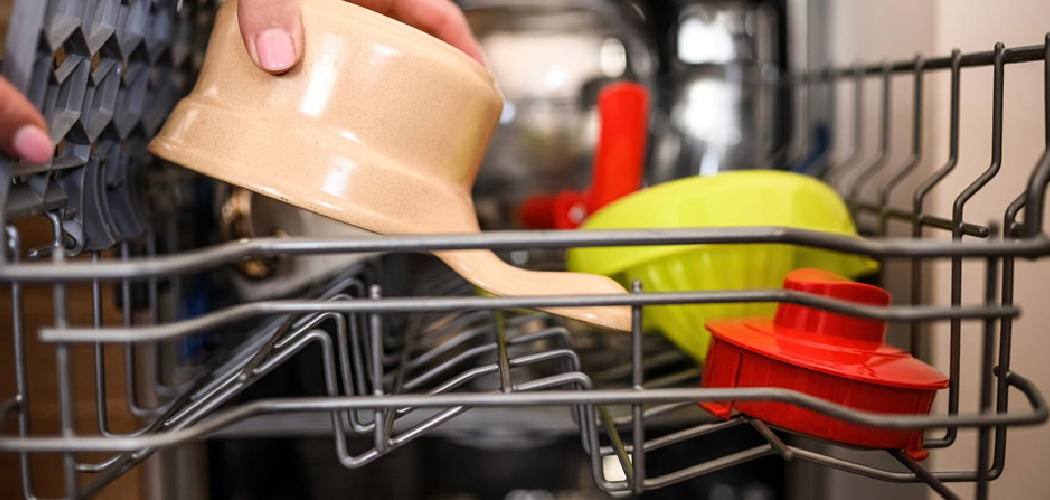
A dishwasher that smells a little funky or leaves a cloudy film on your glasses isn’t broken. It’s just asking for a quick cleanup. Over time, food debris, grease, and hard water minerals build up in places you rarely see, and that grime drags down performance.
The good news? You can fix this with something already sitting in your pantry. A simple cup of white vinegar does the heavy lifting, no harsh chemicals required.
Learning how to run vinegar through the dishwasher is one of the easiest maintenance habits you can pick up. It freshens the interior, cuts through buildup, and keeps your machine running smoothly.
This guide walks you through every step, plus the safety tips and common mistakes to avoid, so you can clean your dishwasher with total confidence.
Why Learning to Run Vinegar Through the Dishwasher Matters
Knowing this simple trick saves you money and keeps your dishes sparkling. Instead of buying pricey commercial cleaners, you reach for a cheap, natural ingredient that works just as well on mineral buildup and odor.
This skill travels well, too. Campers and outdoor beginners often rely on compact or portable dishwashers in RVs and cabins, where space and supplies are tight. White vinegar is light to pack and does double duty for cleaning, so it’s a smart staple for life on the road.
For home cooks and DIY appliance owners, the payoff runs deeper. Regular vinegar rinses prevent clogs, extend the life of your machine, and help you spot small problems before they grow. You learn how your dishwasher actually works, which means fewer surprises and fewer service calls down the line.
Tools and Materials You’ll Need
The best part about this job is how little you need. Most of these items are probably in your kitchen right now.
- White vinegar (about one to two cups) for the cleaning cycle
- A dishwasher-safe cup or bowl to hold the vinegar on the top rack
- A soft cloth or sponge to wipe down the interior walls afterward
- An old toothbrush to scrub the filter and tight corners
- Warm soapy water for rinsing the filter
- Your owner’s manual to confirm the manufacturer allows acidic cleaners
- Rubber gloves to keep your hands comfortable during scrubbing
For one optional convenience item, grab a small flashlight. It helps you peek into the drain, spray arms, and dark corners so you don’t miss any hidden food debris or residue.
Step-by-Step Guide on How To Run Vinegar Through The Dishwasher
Step 1 – Empty the Dishwasher Completely
Start with a clean slate. Pull out every plate, glass, and utensil so the machine sits totally empty. You want nothing blocking the water or the vinegar as they move through the cycle.
Slide both racks out and give them a quick glance. If you spot stuck-on food or crumbs in the basket, shake them into the trash.
An empty dishwasher lets the vinegar reach every corner of the interior, from the top rack down to the bottom. Crowding the tub with dishes wastes the cleaning power you’re about to unleash.
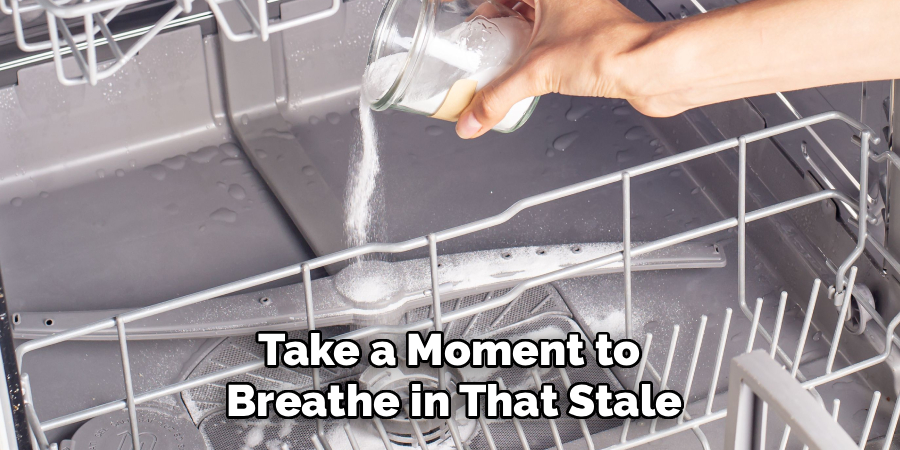
Take a moment to breathe in that stale, slightly sour smell. That odor is exactly what you’re about to wipe out, so an empty tub gives you the best possible result.
Step 2 – Check and Rinse the Filter
Now find the filter at the bottom of the tub, usually a round piece you can twist and lift out. This little part traps food debris, and it’s often the hidden source of bad odor.
Pull it free and hold it under warm running water. You’ll likely see trapped bits of food, grease, and grime rinse away. Use an old toothbrush to scrub the mesh gently until the water runs clear.
The first time you do this, you might be surprised at what comes out. That gunk is exactly why your dishes haven’t felt fresh lately.
Once the filter looks clean, twist it back into place until it locks. A clean filter sets the stage for a much more effective vinegar rinse.
Step 3 – Inspect the Spray Arms
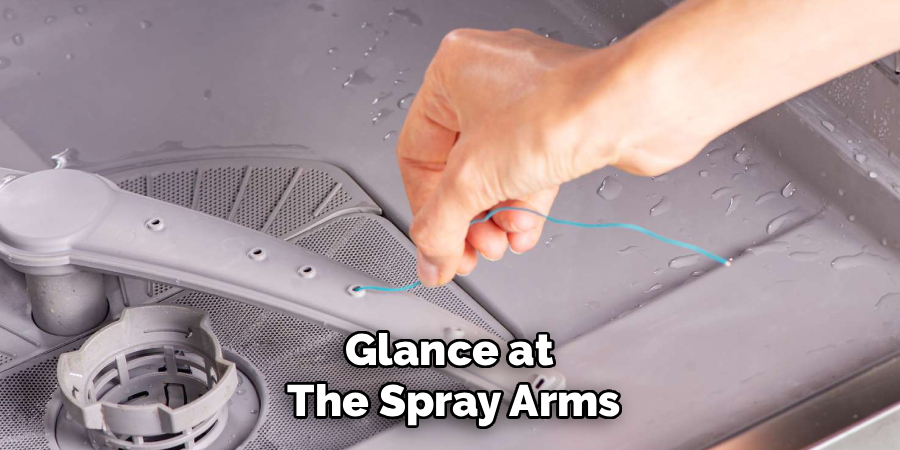
With the filter sorted, turn your attention to the spray arms. These are the spinning bars that shoot water across your dishes, and clogged holes mean weak cleaning.
Spin each arm gently with your fingers. It should rotate smoothly without catching. If it sticks, look for trapped food or buildup blocking the path.
Check the tiny holes along each arm. Hard water leaves mineral deposits that slowly plug them up. Use your toothbrush or a toothpick to clear any clogged openings you find.
Run your flashlight over the arms to spot residue you might otherwise miss. Free-moving spray arms with clear holes let water and vinegar reach every surface, which is the real secret behind a deep, satisfying clean.
Step 4 – Place White Vinegar Safely on the Top Rack
Here’s where the magic begins. Fill a dishwasher-safe cup or bowl with one to two cups of white vinegar. Glass or ceramic works great, and avoid flimsy plastic that might warp.
Set the cup upright on the top rack, toward the center, so it stays stable through the cycle. As the machine runs, the vinegar slowly releases and mixes with the hot water, spreading its cleaning power throughout the interior.
Never pour vinegar directly into the detergent dispenser or onto the tub floor. Keeping it in an open cup lets it disperse gradually for the best effect.
This is the heart of how to run vinegar through the dishwasher, so take a second to make sure the cup sits secure and won’t tip.
Step 5 – Choose a Hot Water Cycle Without Detergent
Now close the door and pick your cycle. Select the hottest wash setting your machine offers, often labeled “Heavy,” “Sanitize,” or “Hot.” Heat helps the vinegar dissolve grease and mineral buildup far better than cool water.
Skip the detergent entirely. You want only vinegar and hot water working together this time. Adding soap here just muddies the job and wastes the natural cleaning action.
Double-check that no rinse aid or pod sneaks into the mix. The whole point is a pure, vinegar-only rinse.
Once you’ve set the hot cycle, you’re ready to let the machine do the heavy lifting. The combination of heat and acid loosens stubborn residue clinging to the interior walls and drain.
Step 6 – Let the Cycle Run Fully
Press start and walk away. This is the easy part, so resist the urge to pause or interrupt the cycle partway through.
You’ll hear the familiar rush of water filling the tub, followed by the steady hum of the wash. As the hot water swirls, it carries the vinegar into every nook, breaking down odor and dissolving buildup along the way.
Let the cycle finish completely. Stopping early leaves vinegar and loosened grime sitting in the tub, which defeats the purpose.
If at any point you notice unusual leaking around the base or catch a strong electrical smell, stop the machine right away and cut the power. Those signs point to a real problem that needs a closer look before you run anything else.
Step 7 – Wipe Down the Interior
Once the cycle ends, open the door and breathe in. That sour stale smell should be gone, replaced by a clean, neutral scent.
Now grab your soft cloth or sponge. Wipe down the interior walls, the door, and especially the rubber seal around the edge, where grime and mold love to hide.
Pay attention to the bottom corners and the area around the drain, since these spots collect the most residue. A little gentle scrubbing here makes a big difference.
Don’t forget the rubber gasket. Run your cloth along its folds to lift any trapped gunk. This final wipe-down captures whatever the vinegar loosened but didn’t fully flush away, leaving your machine spotless inside.
Step 8 – Check for Lingering Odor or Buildup
Finish with a quick inspection. Lean in and take one more sniff. A fresh, neutral smell means your cleaning worked beautifully.
Run your fingers along the interior walls and the filter area. They should feel smooth, not gritty or slimy. If you still feel rough mineral buildup or catch a faint odor, you can repeat the process or sprinkle baking soda on the tub floor and run a second short hot cycle.
Glance at the spray arms and drain one last time to confirm everything looks clear.
If your machine has sensitive rubber components, space out these vinegar rinses to once a month rather than weekly. With this simple maintenance habit, your dishwasher will keep your dishes gleaming for years.
Critical Mistakes When Running Vinegar Through the Dishwasher
A few common slip-ups can turn this easy job into a headache, so let’s help you steer clear of them. The biggest mistake is mixing vinegar with bleach or commercial cleaners. This combination can create harmful fumes and damage your machine, so always run vinegar on its own with nothing but hot water.
Another frequent error is using vinegar too often. While it’s gentle, the acid can slowly wear down rubber seals and gaskets on some machines. Once a month is plenty for most kitchens, and overdoing it does more harm than good.
Many beginners also skip cleaning the filter first. They pour in vinegar, run a cycle, and wonder why the odor lingers. Vinegar can’t fix a filter packed with food debris, so always rinse that part before you start.
Pouring vinegar straight onto the tub floor or into the detergent dispenser is another misstep. It drains away too fast and never gets the chance to spread. Keep it in an open dishwasher-safe cup on the top rack instead.
Finally, plenty of people ignore the owner’s manual. Some manufacturers warn against acidic cleaners, so check yours first. If your machine advises against vinegar, follow that guidance and choose a recommended cleaner instead.
Expert Tips
Want to get the most from this simple routine? Pair your vinegar rinse with a baking soda boost. After the vinegar cycle, sprinkle a cup of baking soda across the tub floor and run a short hot cycle. The two together tackle odor and stains like a dream.
Run hot water at your kitchen sink for a few seconds before starting the cycle. This sends warm water straight into the machine, so the vinegar goes to work immediately instead of waiting for the tub to heat up.
Make this a monthly habit and jot it on your calendar. Regular maintenance prevents buildup from ever taking hold, which means less scrubbing later.
If you live with hard water, wipe the spray arms and seal more often. And if odor returns quickly despite your efforts, check the drain hose, since a hidden clog might be the real culprit.
Frequently Asked Questions
How often should I run vinegar through my dishwasher?
For most households, once a month keeps your machine fresh and free of buildup. If you have very hard water or use your dishwasher heavily, you might bump it up slightly. Avoid doing it weekly, though, since frequent acid exposure can wear down rubber seals over time. Spacing it out protects both your machine and its sensitive components while still keeping everything clean.
Can I use any type of vinegar?
Stick with plain white vinegar for the best results. It’s affordable, effective, and free of added sugars or colors that could leave residue behind. Avoid these types:
- Apple cider vinegar, which can stain and leave a faint smell
- Balsamic or wine vinegars, which contain sugars and pigments
- Cleaning vinegar at high strength, unless diluted
Plain distilled white vinegar gives you reliable, clean results every time.
Will vinegar damage my dishwasher?
Used occasionally, vinegar is safe for most machines. The concern comes from overuse, since the acid can slowly degrade rubber seals and gaskets if you run it too often. Once a month is gentle enough to avoid trouble. Always check your owner’s manual first, because a few manufacturers advise against acidic cleaners. If yours does, follow that guidance and pick a recommended alternative instead.
Do I add detergent with the vinegar?
No, skip the detergent entirely for this cleaning cycle. You want only vinegar and hot water working together. Adding soap interferes with the vinegar’s natural ability to dissolve grease and mineral buildup. Run a pure vinegar rinse on the hottest setting, then go back to your regular detergent for your next load of dishes. Keeping the two separate gives you the cleanest result.
Why does my dishwasher still smell after using vinegar?
A lingering odor usually points to a spot the vinegar couldn’t reach. Check these common culprits:
- A filter still clogged with trapped food debris
- A dirty rubber seal hiding mold or grime
- A partially blocked drain or drain hose
- Food stuck in the spray arm holes
Clean these areas by hand, then run another vinegar cycle to freshen things up completely.
Conclusion
Keeping your dishwasher fresh really is this simple. With a single cup of white vinegar and a little time, you can wipe out odor, dissolve hard water buildup, and keep your machine running like new.
Always start with the basics: empty the tub, rinse the filter, and check the spray arms for clogs. Set your vinegar in a dishwasher-safe cup on the top rack, choose the hottest cycle without detergent, and let it run all the way through. Finish by wiping down the interior walls and rubber seal, then check for any lingering odor or residue.
Remember the safety rules, too. Never mix vinegar with bleach, space out your cleanings to protect the seals, and check your owner’s manual before you begin.
This small maintenance habit saves money, prevents clogs, and keeps your dishes sparkling. Now that you know how to run vinegar through the dishwasher, you can tackle this whenever your machine needs a refresh and enjoy a cleaner, fresher kitchen for years to come.

About
Nick Hall has spent the last seven years working at the intersection of kitchen design and home repair — first as a design assistant at a residential renovation studio, then as a freelance writer covering everything from cabinet layouts to leaky faucet fixes.
Her approach is simple: kitchens should look good and function well. That means she’s just as comfortable talking about color palettes and counter materials as she is walking readers through how to fix a wobbly cabinet hinge or troubleshoot a garbage disposal.
Nick has worked directly with homeowners on small-space kitchen makeovers, budget-conscious renovations, and the kind of everyday repairs that don’t need a contractor — just the right instructions. She writes from experience, not theory, and tests most of the fixes and tips she shares before publishing them.
When she’s not writing, Nick is usually hunting for mid-century kitchen finds at estate sales or helping friends plan their own renovations. She lives in Columbus, Ohio.