
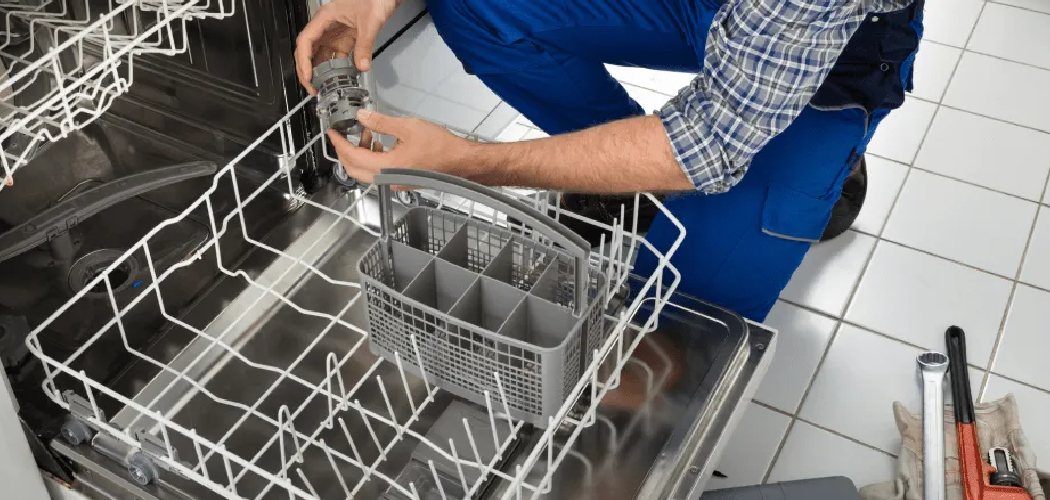
Standing in front of a quiet LG dishwasher full of dirty plates can feel oddly stressful, especially when nothing happens after you press a few buttons. The truth is, these machines are simpler than they look. Once you know the right order of steps, starting one becomes second nature.
A good wash starts long before the water flows. You load the dishes, add detergent, pick a cycle, and let the machine do its job. Miss one small step, though, and it may sit there refusing to budge.
This is exactly why learning how to start a lg dishwasher the right way pays off. This guide walks you through every step in plain language, so you can run a confident, spotless wash every single time.
Why Learning to Start an LG Dishwasher Matters
Knowing how to run your dishwasher properly saves water, energy, and a whole lot of rewashing. When you load it right and pick the correct cycle, your dishes come out clean on the first try.
This skill travels farther than you’d think. Campers and outdoor beginners often use compact or portable dishwashers in RVs and cabins, and these units follow the same basic logic: confirm power, check the water supply, latch the door, and press start. Master one machine and you can handle almost any model you meet.
For home cooks and DIY appliance owners, the benefits run deeper. You’ll understand how the control panel works, where common slip-ups happen, and how to spot a real problem early. That confidence keeps your kitchen running smoothly and saves you from unnecessary service calls.
Tools and Materials You’ll Need
The best part about this job? You hardly need anything at all. Starting a dishwasher relies more on a little know-how than a packed toolbox.
- Dishwasher detergent (pods, gel, or powder) for the detergent dispenser
- Rinse aid to help dishes dry spot-free
- A clean, dry towel to keep your hands dry near the control panel
- A flashlight to inspect the spray arms, filter, and door latch
- Your owner’s manual to match cycle options and indicator lights
- A soft cloth to wipe the door edge and seal before closing
For one optional convenience item, grab a small measuring spoon. It helps you add the right amount of powder detergent without overfilling, which keeps the dispenser clean and your dishes free of cloudy residue.
Step-by-Step Guide on How To Start A LG Dishwasher
Step 1 – Check Power and Water Supply
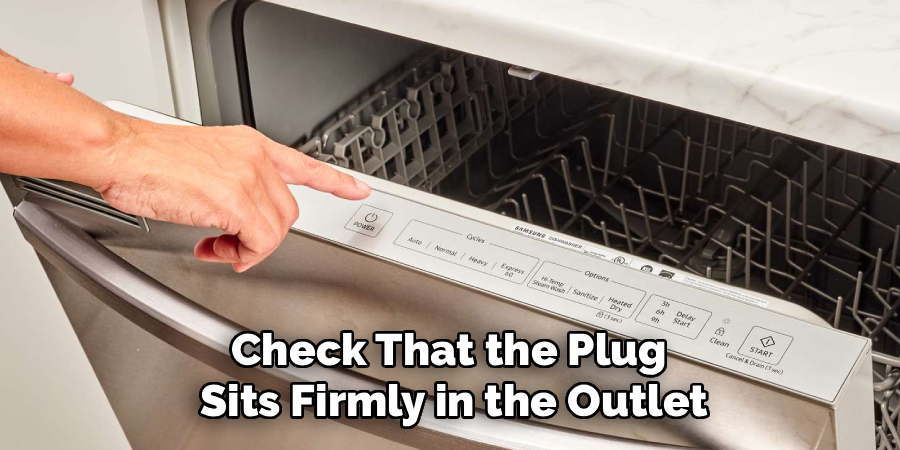
Before anything else, make sure the machine has what it needs to run. Look for a glowing indicator light or a lit power button on the control panel. If the panel stays dark, the unit may not be getting power.
Check that the plug sits firmly in the outlet, and confirm the breaker hasn’t tripped. Keep your hands dry whenever you touch the plug or control panel.
Next, peek under the sink and confirm the water supply valve is fully open. Turn it counterclockwise until it stops if it feels tight.
A dishwasher with no power or no water simply won’t start, so these two checks solve a surprising number of “it won’t turn on” moments right at the source.
Step 2 – Load the Dishes Correctly
Now load your dishes with a little thought. Place plates and bowls so they face the center, where the water spray hits hardest. Stack them at a slight angle so water drains off instead of pooling.
Put cups, glasses, and small bowls on the top rack, and save the bottom rack for plates, pots, and larger items. Keep silverware spread out in the basket so pieces don’t nest together and block the water.
Avoid overcrowding. When dishes are jammed in tight, the water can’t reach every surface, and you’ll end up rewashing half the load.
Listen for that satisfying click as each rack rolls back into place. A well-loaded machine cleans better and runs quieter, too.
Step 3 – Add Detergent and Rinse Aid
With the dishes loaded, it’s time to add your cleaning agents. Open the detergent dispenser on the inside of the door and drop in a pod, or measure your powder or gel to the fill line.
Close the dispenser lid until it snaps shut. If it stays open, the detergent may release too early and waste its cleaning power.
Check the rinse aid reservoir nearby, usually marked with a small fan or star symbol. Top it off if it’s low. Rinse aid helps water sheet off your dishes, so they dry clear instead of spotty.
Wipe up any spilled powder with your towel. A clean dispenser area means a smoother release once the cycle begins.
Step 4 – Make Sure the Spray Arms Move Freely
This quick check prevents a lot of disappointment. Reach in and gently spin the spray arms with your fingers. They should rotate smoothly without catching on anything.
Look for tall items, like a roasting pan handle or a long utensil, that might block their path. Even one stray fork sticking up can stop an arm cold, leaving your top rack barely rinsed.
While you’re in there, glance at the filter at the bottom of the tub. If it looks clogged with food bits, give it a quick rinse under the tap and pop it back in place.
Free-moving spray arms and a clean filter let water reach every dish, which is the real secret behind a sparkling load.
Step 5 – Close and Latch the Door
Closing the door sounds simple, but it matters more than you’d guess. The machine won’t run unless it knows the door is fully sealed.
Push the door shut with a firm, steady press until you hear and feel a solid click from the door latch. Never force it against a dish poking out of the rack, as that can bend the rack or damage the seal.
If the door won’t close all the way, open it back up and check for a tall item blocking the path. Slide it down or rearrange the load.
A clean seal keeps water inside where it belongs. Run your finger along the edge to brush away any crumbs or stuck food before that final push.
Step 6 – Select the Right Cycle
Now choose the cycle that fits your load. Tap the power button to wake the control panel, then browse the options. Most LG models offer Auto, Heavy, Normal, and a quick wash for lightly soiled dishes.
Pick Heavy for greasy pots and Normal for everyday plates. The quick cycle works great when you’re short on time and the dishes aren’t too dirty.
If you want the wash to begin later, set the delay start option. This handy feature lets you load up at night and wake to clean dishes.

Knowing how to start a lg dishwasher with the right cycle saves both water and energy. Watch the indicator lights confirm your choice before you move to the final step.
Step 7 – Press Start and Let It Begin
Here’s the moment you’ve prepped for. Press the start button firmly with a dry finger, then close the door fully if you haven’t already.
You’ll usually hear a soft beep, followed by the gentle hum of water beginning to fill the tub. That reassuring rush of water tells you the machine is doing its job.
Some models need the door shut within a few seconds of pressing start, or the cycle pauses until you close it. If the wash doesn’t begin, open and reshut the door with a firm click.
Resist the urge to peek too soon. Once you understand how to start a lg dishwasher properly, you can walk away and trust it to handle the rest.
Step 8 – Troubleshoot if It Doesn’t Start
If the machine sits silent after you press start, don’t panic. Run through the basics first. Check that the door latch clicked, the power button is lit, and the water supply valve is open.
A blinking indicator light often points to the child lock being on. Press and hold the marked button for three seconds to clear it. Some models also pause if the delay start was set by accident.
Stop right away if you smell burning, hear unusual clicking, or notice water leaking around the base. These signs mean something’s wrong, so cut the power and call a technician.
For everything else, a simple recheck of the door, power, and cycle settings usually gets the wash moving again.
Critical Mistakes When Starting an LG Dishwasher
A few common slip-ups can leave you with a dead machine or dishes that come out dirty, so let’s help you dodge them. The most frequent mistake is not latching the door fully. People give it a soft push, hear no click, and assume it’s shut. The machine won’t run without that solid latch, so press firmly every time, but never force it against a dish poking out of the rack.
Another big one is overloading. Jamming in too many plates blocks the spray arms and stops water from reaching every surface. Your dishes come out half-clean, and you waste a full cycle. Leave a little breathing room between items.
Many beginners also accidentally trigger the delay start or child lock and then panic when nothing happens. Always glance at the indicator lights before assuming the machine is broken. A quick check often reveals a setting you bumped by mistake.
Skipping the detergent dispenser check causes trouble, too. If the lid doesn’t snap shut, the detergent releases early and your dishes never get properly cleaned. Finally, ignoring warning signs is dangerous. If you smell burning, hear odd clicking, or spot leaking around the base, stop and call a technician rather than restarting.
Expert Tips
Want your dishwasher to run flawlessly every time? Start by scraping food off plates before loading, but skip the heavy pre-rinsing. Modern LG cycles work best with a little residue to grab onto, and you’ll save water in the process.
Run hot water at your sink for a few seconds before starting a cycle. This sends warm water straight into the machine, which boosts cleaning power right from the first fill.
Clean the filter every week or two. A clogged filter is the top hidden cause of cloudy glasses and lingering odors, and it takes just a minute to rinse.
Keep the rinse aid topped off for spot-free drying, and wipe the door seal now and then to prevent buildup. If the same starting problem keeps returning despite these steps, the control board may need a closer look from a pro.
Frequently Asked Questions
Why won’t my LG dishwasher start even though it has power?
A dishwasher with power but no action usually has a small, fixable cause. Check these first:
- The door isn’t latched fully, so press until you hear a click
- The child lock is on, shown by a blinking indicator light
- A delay start was set by accident
- The water supply valve is closed or only partly open
Run through these one by one, and the machine usually springs to life.
How do I turn off the child lock?
The child lock keeps little hands from starting a cycle, but it can confuse you when the panel won’t respond. Look for a button marked with a lock symbol or labeled “Child Lock,” often shared with another key. Press and hold it for about three seconds until the indicator light turns off. Your control panel will then accept button presses normally, and you can select a cycle and press start.
Which cycle should I choose for everyday dishes?
For typical daily loads, the Normal or Auto cycle works perfectly. Auto senses how dirty your dishes are and adjusts water and time to match, which saves energy. Save the Heavy cycle for greasy pots and baked-on messes, and use the quick wash when dishes are lightly soiled and you’re short on time. Matching the cycle to the load keeps everything clean without wasting water.
Do I really need rinse aid?
Rinse aid isn’t strictly required, but it makes a real difference. It helps water sheet off your dishes during the final rinse, so glasses dry clear instead of spotty and plastic items dry faster. Without it, you’ll often see cloudy film or water droplets left behind. Just fill the small reservoir near the detergent dispenser every few weeks, and your dishes will look noticeably cleaner.
When should I call a technician?
Call a professional when the basics check out but the machine still won’t start, or when you spot real warning signs. A burning smell, repeated clicking, water leaking around the base, or a control panel that never responds all point to deeper issues like a faulty control board or wiring fault. These repairs carry real risk, so cut the power and let a qualified technician handle them safely.
Conclusion
Starting your LG dishwasher really does get easier once you break it into clear, simple steps. With a little practice, the whole routine becomes something you do without a second thought, and your dishes come out spotless every time.
Always begin with the basics: confirm power and water, load your dishes with room to breathe, and add detergent and rinse aid. Check that the spray arms spin freely, then close the door until it clicks with a firm, confident press. Pick the right cycle for your load, press start with a dry finger, and listen for that gentle rush of water.
If the machine stays silent, don’t worry. A quick check of the door latch, child lock, and water supply solves most problems in seconds. And always stop if you smell burning or see leaking, since safety comes first.
This little skill saves water, energy, and the frustration of rewashing. Now that you know how to start a lg dishwasher with confidence, you can run a perfect load anytime and keep your kitchen humming along beautifully.

About
Nick Hall has spent the last seven years working at the intersection of kitchen design and home repair — first as a design assistant at a residential renovation studio, then as a freelance writer covering everything from cabinet layouts to leaky faucet fixes.
Her approach is simple: kitchens should look good and function well. That means she’s just as comfortable talking about color palettes and counter materials as she is walking readers through how to fix a wobbly cabinet hinge or troubleshoot a garbage disposal.
Nick has worked directly with homeowners on small-space kitchen makeovers, budget-conscious renovations, and the kind of everyday repairs that don’t need a contractor — just the right instructions. She writes from experience, not theory, and tests most of the fixes and tips she shares before publishing them.
When she’s not writing, Nick is usually hunting for mid-century kitchen finds at estate sales or helping friends plan their own renovations. She lives in Columbus, Ohio.