
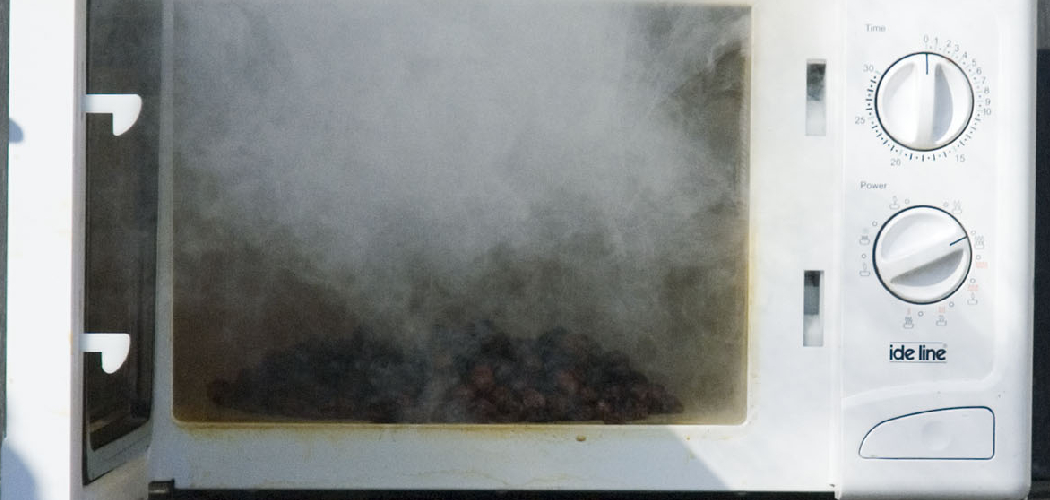
An oven fire can turn a normal meal into a frightening moment in seconds. You may see orange flames behind the oven door, smell smoke, or hear grease popping on a hot pan. The good news is that many small oven flare-ups can be controlled safely if you stay calm and act in the right order. Learning how to put out oven fire without extinguisher helps you respond before panic takes over, especially when a fire extinguisher is not within reach.
The key is to reduce heat, limit oxygen, avoid dangerous mistakes, and know when to leave and call emergency services.
This guide teaches you a safe, beginner-friendly way to handle a small oven fire while protecting yourself and your home.
Why Learning to Handle an Oven Fire Matters
Oven fires often start from grease, charred food, spilled oil, parchment paper, or food placed too close to the broiler or heating element. If you cook at home, in a camper, or in an outdoor kitchen setup, you may not always have every safety tool nearby. Knowing what to do can keep a small flare-up from becoming a larger fire hazard.
This skill matters even more for campers and outdoor beginners because help may take longer to arrive. A gas oven in an RV, cabin, or camp kitchen adds extra concerns, including propane supply and ventilation.
You do not need to be a firefighter to learn basic kitchen safety. You need calm steps, clear judgment, and a strong rule: your safety comes before saving food or cookware.
Tools and Materials You’ll Need
You do not need many items to respond to a small oven fire, but a few basics help you stay safer. Keep these near your cooking area before problems start.
- Oven mitts or heat-resistant gloves
- Baking soda for small grease-related flare-ups
- Metal lid or baking sheet for covering nearby stovetop flames
- Flashlight in case smoke reduces visibility
- Phone to call emergency services
- Clear path to an exit
- Knowledge of how to shut off power to an electric oven
- Knowledge of how to turn off gas to a gas oven
- Optional convenience item: a kitchen timer to prevent forgotten food
Never use water on a grease fire. Water can spread burning oil and make flames jump.
Step-by-Step Guide on How to Put Out Oven Fire Without Extinguisher
Step 1 – Stay Calm and Keep the Oven Door Closed
The safest first move in how to put out oven fire without extinguisher is to avoid opening the oven door. Flames need oxygen to keep burning. When you open the door, fresh air rushes in and can make the fire grow fast.
Take one step back and look through the oven window if you can. You may see flames licking around a pan, black smoke curling upward, or sparks near charred food. Keep your hands away from the handle unless you need to turn the oven off.
Do not grab the burning pan. Hot grease can slosh, and a sudden flare-up can burn your face or arms.
Step 2 – Turn Off the Oven Heat
Turn the oven control to off right away. This cuts heat to the broiler, bake element, or gas burner, depending on your appliance. In an electric oven, the heating element may stay red for a short time, but it will begin cooling.
If you have a gas oven, turn the oven knob off first. If you smell gas, hear hissing, or suspect the flame has affected the gas supply, leave the area and call emergency services. Only turn off gas at the supply valve if you can reach it safely.
Removing heat helps stop the fire from feeding on grease, food, or paper inside the oven.
Step 3 – Shut Off Power or Gas if Safe
If flames stay inside the closed oven and you can move safely, shut off power to the appliance. For a plug-in range, unplug it only if the cord is easy to reach and away from smoke or heat. For a hardwired electric oven, use the breaker if you know which one controls it.
For a gas oven, turn off gas at the supply valve only when the valve is accessible and the area feels safe. Do not bend near flames, breathe heavy smoke, or reach behind a hot appliance.
This step lowers the risk of electrical issues, gas flow problems, and reignition.
Step 4 – Watch the Fire Through the Window
Stand nearby, but not directly in front of the oven door. Watch the flames through the glass. With the heat off and the door closed, many small oven fires shrink within a few minutes because the oxygen supply drops.
You may notice the flames turn smaller, smoke thicken, and food continue to crackle. That is normal during the first moments. Keep pets, children, and other people out of the kitchen.
If the fire grows, escapes the oven, or spreads to cabinets, towels, curtains, or the wall, leave immediately. Close doors behind you if possible and call emergency services from outside.
Step 5 – Use Baking Soda Only for a Small, Safe Flare-Up
Baking soda can help smother a small grease fire, but only if the flames are minor and you can use it without opening the oven wide. In most oven fires, the better choice is to keep the oven door closed and let the fire die.
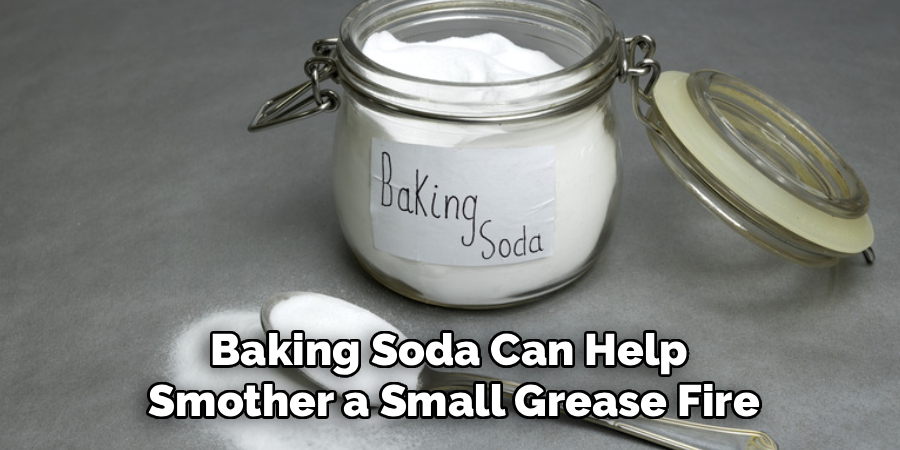
If you must use baking soda, open the door only a crack and toss it gently toward the base of the flames. Wear oven mitts and keep your face back. Do not use flour, sugar, baking powder, or towels. These can burn and make the fire worse.
If the flames do not drop quickly, close the door and move away.
Step 6 – Never Use Water or Fan the Smoke
Water is one of the most dangerous choices for a grease fire. When water hits hot oil, it can flash into steam and throw burning grease across the oven cavity. That can spread flames to your hands, floor, or cabinets.
Do not wave towels, blow on the flames, or turn on a fan pointed at the oven. Moving air can feed the fire with more oxygen. A range hood may help remove smoke later, but only use it if the fire is already out and the fan area is not hot or smoky.
Your goal is simple: remove heat and avoid feeding the flames.
Step 7 – Wait Until the Oven Fully Cools
Once the flames disappear, keep the oven door closed for at least 15 to 30 minutes. The inside may still be hot enough to reignite grease or charred food. Smoke may continue to drift from vents, and the glass may feel warm.
This waiting period is an important part of how to put out oven fire without extinguisher because it prevents a second flare-up. Do not rush to check the food, save the pan, or clean the mess.
If smoke fills the room after the fire is out, open windows from a safe distance. Avoid breathing heavy smoke, especially in a small camper or cabin.
Step 8 – Inspect the Oven Before Using It Again
When the oven feels completely cool, open the door slowly. Wear oven mitts, stand to the side, and let any trapped smoke escape. Look for melted plastic, burned wiring smells, cracked glass, warped racks, or damage near the heating element or burner area.
Remove charred food and grease-soaked material carefully. If the oven had large flames, heavy smoke, a gas smell, or visible appliance damage, do not use it again until a qualified technician checks it.
The final part of how to put out oven fire without extinguisher is knowing when the danger has truly passed. A clean-looking oven can still have hidden heat damage or electrical problems.
Common Mistakes When Handling an Oven Fire
One major mistake is opening the oven door too soon. Fresh oxygen can make small flames surge, especially when grease or spilled oil fuels the fire. Even a quick look can turn a contained flare-up into a larger kitchen emergency.
Another mistake is throwing water on the fire. Water may seem harmless, but it can spread hot grease and create violent steam. This is especially dangerous when the fire started from fatty food, roasting drippings, or oil on a pan.
Some people try to carry the burning pan to the sink or outside. That puts flames close to your clothes, hands, flooring, and doorways. A pan can also spill, leaving a trail of burning grease.
Waiting too long to call emergency services is another risk. If flames escape the oven, smoke becomes thick, or you feel unsure, leave the home and get help. You can replace an oven, but you cannot replace your health.
Finally, many people use the oven again without checking for damage. Heat can harm wiring, controls, seals, or gas components. When in doubt, have the appliance inspected.
Expert Tips
Keep your oven cleaner than you think it needs to be. Built-up grease, fallen cheese, and old food crumbs create fuel for future flare-ups. Wipe spills after the oven cools, and deep-clean the oven before heavy holiday cooking or long camping trips.
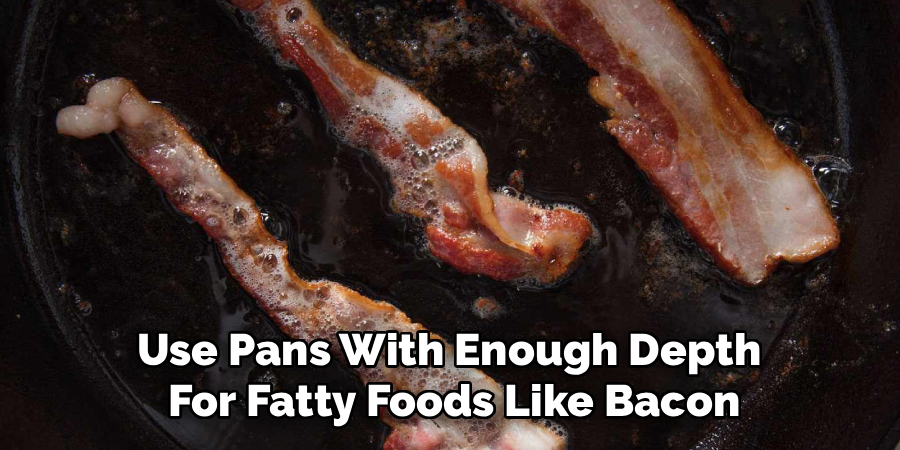
Use pans with enough depth for fatty foods like bacon, roasts, casseroles, and pies. Place a baking sheet under dishes that may bubble over, but keep it from touching the heating element or blocking airflow.
Stay near the kitchen when cooking at high heat or using the broiler. Broiling can ignite food fast because the heat source sits close to the surface. If you feel nervous, set a timer and check food often.
Most importantly, keep a proper kitchen-rated fire extinguisher nearby for future emergencies.
Frequently Asked Questions
Can I Use Salt Instead of Baking Soda on an Oven Fire?
Salt can smother a very small grease flare-up, but baking soda is usually the better household option because it releases carbon dioxide when heated. Still, you should not open the oven door wide to apply either one. If the fire is contained inside the oven, turn off the heat, keep the door closed, and let oxygen drop.
When Should I Call Emergency Services?
Call emergency services if flames leave the oven, smoke becomes heavy, you smell gas, the fire grows, or you cannot turn the oven off safely. You should also call if anyone feels dizzy, coughs heavily, or has trouble breathing. Do not wait to see if a serious fire improves on its own.
Is It Safe to Open the Oven After the Flames Stop?
Wait until the oven cools before opening the door. Flames may be gone, but hot grease, charred food, and metal parts can still reignite. Give it at least 15 to 30 minutes, then open the door slowly while standing to the side. If smoke or heat rushes out, close it again and wait longer.
What Causes Most Oven Fires?
Most oven fires start from grease, food scraps, overflowing dishes, parchment paper, or items placed too close to the broiler or heating element. Fatty foods can drip onto hot surfaces and ignite. Dirty ovens raise the risk because old residue becomes fuel. Regular cleaning and using the right cookware help prevent many flare-ups.
Can I Use My Oven Again After a Fire?
You can use the oven again only after it cools, you clean out burned material, and you confirm there is no visible damage or strange odor. If the fire was large, involved heavy smoke, or affected a gas oven, get a professional inspection first. Damaged wiring, seals, or gas parts can create a new hazard.
Conclusion
An oven fire feels intense, but a calm response can make a major difference. Keep the oven door closed, turn off the heat, shut off power or gas only if you can do it safely, and give the fire time to lose oxygen. Avoid water, avoid moving burning cookware, and never risk your safety to save a meal.
Baking soda may help with a tiny flare-up, but containment is often the safer choice inside an oven. Afterward, wait for full cooling, inspect for damage, clean away burned food, and call a technician if anything looks or smells wrong.
Now that you understand how to put out oven fire without extinguisher, take one clear next step: check your kitchen setup today. Learn where your shutoffs are, clean old grease, keep baking soda nearby, and add a proper fire extinguisher as soon as possible.

About
Nick Hall has spent the last seven years working at the intersection of kitchen design and home repair — first as a design assistant at a residential renovation studio, then as a freelance writer covering everything from cabinet layouts to leaky faucet fixes.
Her approach is simple: kitchens should look good and function well. That means she’s just as comfortable talking about color palettes and counter materials as she is walking readers through how to fix a wobbly cabinet hinge or troubleshoot a garbage disposal.
Nick has worked directly with homeowners on small-space kitchen makeovers, budget-conscious renovations, and the kind of everyday repairs that don’t need a contractor — just the right instructions. She writes from experience, not theory, and tests most of the fixes and tips she shares before publishing them.
When she’s not writing, Nick is usually hunting for mid-century kitchen finds at estate sales or helping friends plan their own renovations. She lives in Columbus, Ohio.