
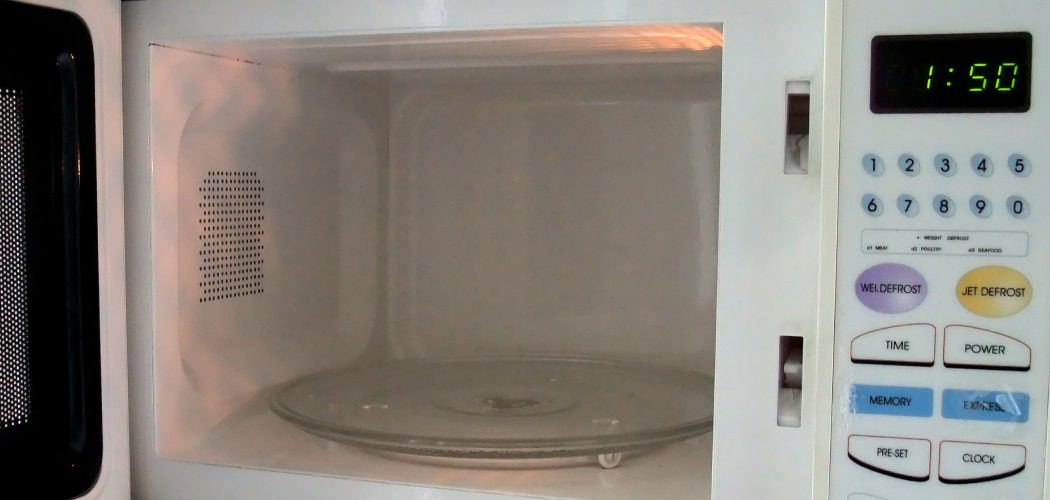
An old microwave can feel awkward to get rid of. It is bulky, has electrical parts, and may not belong in your regular trash. If you are replacing a broken unit, clearing out a camper, or cleaning a small cabin kitchen, learning how to dispose of old microwave oven helps you avoid safety issues and local waste violations.
Microwaves contain metal, glass, wiring, and electronic parts that can often be recycled or handled through appliance recycling programs. Some units may also be safe to donate if they still work well.
This guide shows you the safest, simplest, and most responsible way to remove an old microwave from your home, RV, cabin, or campsite.
Why Learning to Dispose of an Old Microwave Matters
Microwave disposal matters because this appliance is more than a metal box. It includes a power cord, circuit board, magnetron, plastic housing, glass tray, and reusable parts that should not always end up in a county landfill. Many areas treat small appliances as e-waste or electronic waste, which means your local waste management rules may require special handling.
This skill is helpful for campers and outdoor beginners because RV parks, campsites, cabins, and remote properties may have limited trash service. You may need to plan a trip to a transfer station, recycling center, or municipal recycling program.
Knowing your options saves time, prevents clutter, and reduces environmental impact while keeping your cleanup safe and legal.
Tools and Materials You’ll Need
Before moving the microwave, gather a few simple items. They help you protect your hands, avoid scratches, and make transport easier.
- Work gloves for grip and protection
- Closed-toe shoes with good traction
- Cleaning cloths or paper towels
- Mild cleaner for wiping food residue
- Tape or twist tie for securing the power cord
- Box, blanket, or towel for transport padding
- Phone or computer to check local waste management rules
- Vehicle space for safe drop-off
- Optional convenience item: a small dolly or hand cart for heavier countertop units
Do not open the microwave case or remove internal parts unless you are trained to do so. Some components can hold electrical charge even after unplugging.
Step-by-Step Guide on How to Dispose of Old Microwave Oven
Step 1 – Unplug the Microwave and Let It Sit
The first step in how to dispose of old microwave oven is simple: unplug it from the wall. Pull the plug itself, not the cord, so you do not damage the wiring or outlet. If the appliance came from an RV or cabin, confirm that shore power, generator power, or inverter power is off before you move it.
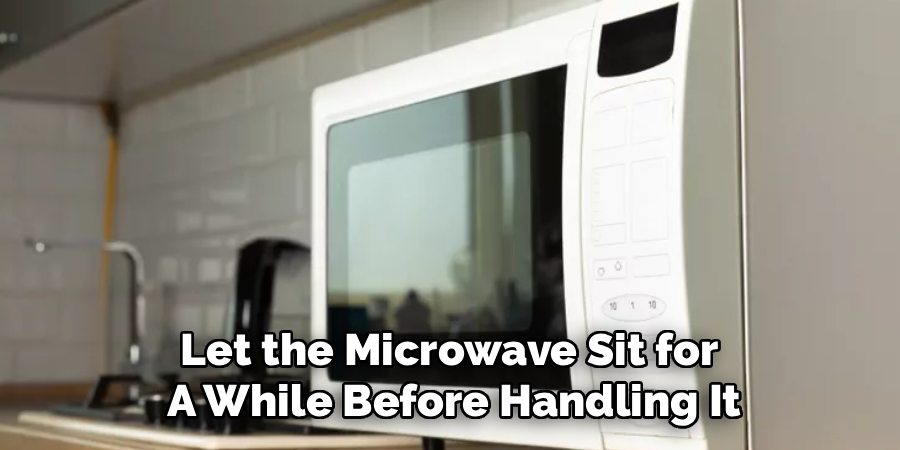
Let the microwave sit for a while before handling it. The outside may feel cool, but the inside can still smell like warm food, old grease, or burnt popcorn. Waiting gives you time to check the area, clear the counter, and plan the safest path out.
Never cut the power cord while the appliance is plugged in.
Step 2 – Remove Loose Parts and Clean the Interior
Open the door and remove the glass tray, roller ring, and any loose racks. These parts can slide, rattle, or break during transport. The glass tray is often heavier than it looks, and it can crack if it hits tile, concrete, or the metal body of the microwave.
Wipe out crumbs, grease spots, and food splatter with a damp cloth. A clean microwave is easier to donate, recycle, or drop off without mess. You may notice a sour smell from old sauces or a sharp burnt odor from past overheating. Cleaning helps reduce that odor while making the unit safer to handle.
Dry the inside before closing the door.
Step 3 – Check Whether the Microwave Still Works
Before choosing disposal, decide whether the microwave is truly waste. Plug it in only if the cord, door, and control panel look safe. Do not test a unit with sparks, melted plastic, frayed wiring, a broken door latch, or a burning smell.
If it heats food properly and the turntable moves, donation may be possible. A working microwave can help a student, camper, garage workshop, shelter, or community kitchen. If it does not heat, makes loud buzzing sounds, or shuts off at random, recycling is usually the better path.
This quick check helps you avoid throwing away something useful while keeping unsafe appliances out of someone else’s home.
Step 4 – Look Up Local Waste Management Rules
Every city, county, and transfer station can treat microwaves differently. Some allow curbside pickup for small appliances. Others require drop-off at a household hazardous waste site, municipal recycling program, or electronic waste collection event.
Search your local waste management website or call the service number on your trash bill. Ask whether microwaves count as e-waste, scrap metal, or regular bulky waste. Also ask about fees, pickup schedules, and whether you need an appointment.
Rules matter even more in rural areas, campgrounds, or vacation communities. A county landfill may accept the appliance on certain days, while a nearby recycling center may take it year-round. A five-minute call can save a wasted trip.
Step 5 – Choose Donation, Recycling, or Take-Back
Once you know the rules, choose the best route. If the microwave works well, donation may be the most useful option. Local charities, reuse stores, neighborhood groups, or camp kitchens may accept clean, working appliances. Always confirm first, because many groups have safety rules.
If the unit is broken, appliance recycling is usually best. A recycling center can recover scrap metal, copper, wiring, and other reusable parts. Some retailers also offer retail take-back programs when you buy a replacement microwave.
The right choice depends on condition, local access, and convenience. Responsible disposal keeps electronic waste out of the wrong waste stream and gives usable materials another life.
Step 6 – Secure the Door and Power Cord
Before you carry the microwave, secure anything that can swing or drag. Close the door and tape it lightly if needed, but avoid using tape that leaves sticky residue if you plan to donate the unit. Wrap the power cord and fasten it with a twist tie, cord wrap, or painter’s tape.
A loose door can pop open and hit your wrist. A dangling cord can catch on a chair, stair rail, RV step, or truck bed. These small problems become serious when you are carrying a heavy appliance with limited visibility.
Wear gloves, keep the microwave close to your body, and move slowly. If it feels too heavy, ask for help.
Step 7 – Transport It Safely to the Drop-Off Site
Safe transport is a major part of how to dispose of old microwave oven because most damage and injuries happen while moving the appliance. Place the microwave upright in your vehicle if possible. Use a towel, box, or blanket to stop it from sliding during turns or sudden stops.
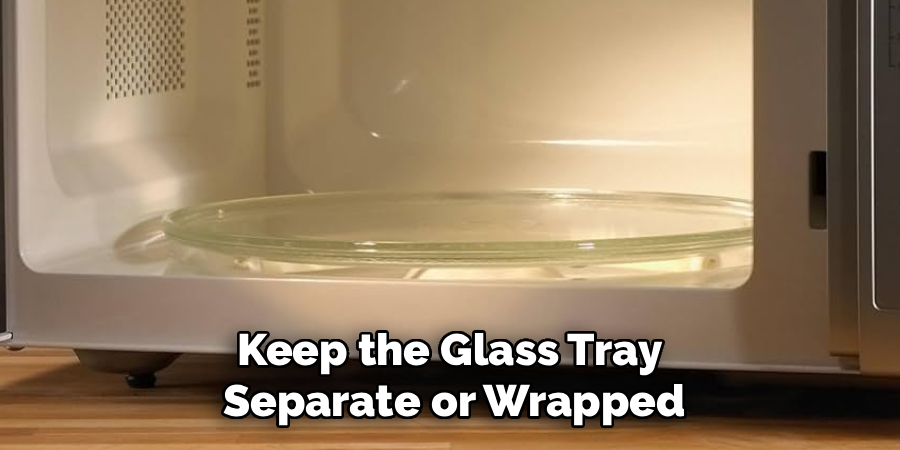
Keep the glass tray separate or wrapped. If you cleaned the unit, make sure it is dry before loading it, especially in cold weather when moisture can make surfaces slippery. You may hear metal panels creak or the turntable ring shift if anything is loose.
At the recycling center, transfer station, or retail take-back desk, follow signs and staff instructions. Do not leave the appliance outside a locked gate.
Step 8 – Keep Proof and Finish the Cleanup
This final step completes how to dispose of old microwave oven in a responsible way. If you paid a fee, used a retail take-back program, or dropped it at a special electronic waste event, keep the receipt or confirmation. This helps if you live in an apartment, campground, or managed community that asks where bulky items went.
Back at home, clean the counter, cabinet, RV shelf, or storage space where the microwave sat. You may find dust, grease marks, crumbs, or a faint warm-plastic smell trapped behind it. Check the outlet for discoloration or damage before plugging in a new appliance.
A clean finish makes replacement easier and reduces future fire or electrical hazards.
Common Mistakes When Disposing of an Old Microwave
One common mistake is putting the microwave straight into the regular trash without checking local rules. Many places do not want electronic waste mixed with normal household garbage. Even if your trash crew takes it, that may not be the most responsible disposal choice.
Another mistake is leaving the appliance on the curb without scheduling curbside pickup. Some cities require an appointment, a bulky-item tag, or a specific pickup day. If you leave it out too early, it can collect rain, attract pests, or create a tripping hazard.
People also make the mistake of donating unsafe microwaves. If the door does not seal, the cord is damaged, or the unit sparks, do not pass it along. A donation should be clean, working, and safe.
A fourth mistake is taking the microwave apart at home. Internal parts can be risky for beginners, and some components may hold charge after unplugging. Unless you know appliance repair, leave dismantling to recycling professionals.
Finally, many people forget to remove the glass tray. It can break during transport and create sharp pieces in your car or at the drop-off site.
Expert Tips
Check for local appliance recycling events before you move the microwave. Many towns host seasonal e-waste days where residents can drop off small appliances, cords, computers, and other electronics in one trip. This is useful if you are cleaning a garage, cabin, RV, or storage shed.
If you are buying a replacement, ask the retailer about take-back before checkout. Some stores remove the old unit during delivery or accept it at customer service.
For campers, plan disposal before the end of a trip. Campground dumpsters are rarely meant for appliances. Keep the unit secured until you can reach an approved transfer station or recycling center.
When in doubt, call local waste management and describe the appliance clearly.
Frequently Asked Questions
Can I Throw an Old Microwave in the Regular Trash?
Sometimes, but you should not assume it is allowed. Many areas classify microwaves as e-waste or bulky appliances, which may require special pickup or drop-off. Contact your local waste management office before placing it in a bin. If regular trash is allowed, remove loose parts and follow any weight or size limits.
Where Can I Recycle a Broken Microwave?
You can often recycle a broken microwave at a recycling center, transfer station, municipal recycling program, scrap metal yard, or electronic waste event. Some retailers also offer take-back services when you buy a new unit. Call ahead to confirm hours, fees, and whether they accept countertop or built-in microwaves.
Is It Safe to Donate an Old Microwave?
Donation is safe only if the microwave works properly and has no damage. The door should close firmly, the power cord should be intact, and the appliance should heat food without sparks, smoke, or strange noises. Clean it well before donating. If you would not feel safe using it yourself, recycle it instead.
Do Microwaves Count as Household Hazardous Waste?
In some places, microwaves may be handled through household hazardous waste or electronic waste programs, but rules vary. They contain electrical parts, metal, plastic, and other materials that need proper processing. Your county landfill or local waste office can tell you which category applies and where to take the appliance.
Should I Remove Parts Before Recycling a Microwave?
For most beginners, no. Remove only loose items like the glass tray and roller ring if the site asks you to. Do not open the outer case, remove internal electronics, or cut wires. Recycling professionals have the tools and safety training to handle reusable parts, scrap metal, and electrical components correctly.
Conclusion
Getting rid of an old microwave is easier when you slow down and follow a clear plan. Start by unplugging it, removing loose parts, cleaning the inside, and checking whether it still works. From there, choose donation for a safe working unit or appliance recycling for a broken one.
Local rules matter. Your best option may be curbside pickup, a recycling center, a transfer station, a retail take-back program, or a county landfill with special electronic waste handling. A quick call or website check can prevent fines, wasted time, and unsafe dumping.
Now that you know how to dispose of old microwave oven, take the next step with confidence. Clear a path, secure the power cord, protect the glass tray, and send the appliance to the right place. You will free up space while making a safer, cleaner choice for your home and the environment.

About
Nick Hall has spent the last seven years working at the intersection of kitchen design and home repair — first as a design assistant at a residential renovation studio, then as a freelance writer covering everything from cabinet layouts to leaky faucet fixes.
Her approach is simple: kitchens should look good and function well. That means she’s just as comfortable talking about color palettes and counter materials as she is walking readers through how to fix a wobbly cabinet hinge or troubleshoot a garbage disposal.
Nick has worked directly with homeowners on small-space kitchen makeovers, budget-conscious renovations, and the kind of everyday repairs that don’t need a contractor — just the right instructions. She writes from experience, not theory, and tests most of the fixes and tips she shares before publishing them.
When she’s not writing, Nick is usually hunting for mid-century kitchen finds at estate sales or helping friends plan their own renovations. She lives in Columbus, Ohio.