
A greasy kitchen sink clog can sneak up on you. One day the water drains a little slower than usual, and the next day you are staring at a pool of cloudy water that will not move. Grease, oil, butter, and food scraps often stick to the inside of your drainpipe and build up over time until the flow nearly stops.
If you are searching for how to unclog kitchen sink from grease, the good news is that you can often fix it yourself with a few simple tools and a calm step-by-step approach.

This guide will show you how to clear a grease clog safely, protect your pipes, and help prevent the problem from coming back.
Why Knowing How to Unclog Grease Matters
Learning this skill saves you time, money, and stress. A grease clog can make washing dishes harder, create bad smells, and leave your kitchen unusable until the drain clears. If you know what to do early, you may avoid a full blockage and skip an emergency call to a plumber.
This know-how also helps campers and outdoor beginners. If you cook at campsites, cabins, RVs, or outdoor kitchen setups, grease can collect in small drain systems even faster than it does at home. Knowing how to deal with oily residue, food particles, and slow drainage helps you keep your setup clean and working well. It also teaches better habits for grease disposal, which matters for both plumbing and the environment.
Tools and Materials
You do not need fancy gear to tackle most grease clogs. A few basic items can help you work safely and cleanly.
- Rubber gloves to protect your hands from dirty water and residue
- A large bowl or bucket to catch water from the trap
- Old towels or rags for spills and cleanup
- Dish soap that cuts grease well
- A kettle or pot for heating water
- Baking soda
- White vinegar
- A sink plunger
- Slip-joint pliers if you need to loosen the trap
- A drain snake or plastic drain tool for stubborn buildup
- Optional: a flashlight so you can see clearly under the sink
Set everything within reach before you start. That way, you can move through each step without dripping water across the kitchen floor.
Step-by-Step Guide on How to Unclog Kitchen Sink from Grease
Step 1 – Stop Using the Sink and Check the Drain
Start by clearing the area around your sink. Remove dishes, sponges, soap bottles, and anything else that gets in your way. If there is standing water in the basin, look at it closely. A greasy clog often leaves the water cloudy, dull, and slightly oily, sometimes with a sour smell.
Put on gloves and test whether the blockage affects one basin or both if you have a double sink. Run a very small amount of water and watch what happens. If it rises fast or drains very slowly, you are likely dealing with grease buildup deeper in the line.
This first look helps you choose the right fix. It also gives you a better sense of whether the clog is near the drain opening, in the trap, or farther down the pipe.
Step 2 – Remove Standing Water
Before you try to break up the clog, remove as much standing water as possible. Use a cup, small container, or bowl to scoop the water into a bucket. If only a thin layer remains, soak it up with old towels or rags. This part is messy, but it makes the next steps much more effective.
Grease clogs respond better when hot water, soap, and pressure can reach the buildup directly. If the sink is full, those methods get diluted and lose power. A clear basin also lets you see changes in drainage more easily.
If the water feels slick between your fingers through the glove, that is another clue that fat and oil are coating the pipe walls. Once the sink is mostly empty, you are ready to start loosening the blockage.
Step 3 – Flush with Hot Water and Dish Soap
Now begin softening the grease. Boil water in a kettle or heat a large pot until it is very hot but not dangerously splashing. Add a generous squirt of grease-cutting dish soap directly into the drain and around the drain opening. Let it sit for a minute so it can coat the oily residue.

Slowly pour the hot water into the drain in two or three stages instead of all at once. This gives the heat and soap time to melt and loosen the sticky film inside the pipe. You may hear soft gurgling as the clog starts to shift.
For many beginners learning how to unclog kitchen sink from grease, this simple step is the first real breakthrough. If the water begins to move, repeat the process once more before moving on.
Step 4 – Use Baking Soda and Vinegar
If hot water and soap help but do not fully clear the drain, try a baking soda and vinegar treatment. Pour about half a cup of baking soda into the drain. Follow it with one cup of white vinegar. You will hear fizzing right away, which can help loosen greasy residue and debris stuck to the pipe walls.
Cover the drain loosely with a stopper or plate and let the mixture sit for 10 to 15 minutes. During that time, you may notice a sharper smell as the reaction works through the buildup. That is normal.
After waiting, flush the drain with more hot water. The goal is not magic. It is to combine mild cleaning action with heat and movement. This step often works best on partial clogs rather than a drain that is fully packed solid.
Step 5 – Plunge the Sink the Right Way
A sink plunger can help break apart grease mixed with food particles. If you have a double sink, seal the second drain with a stopper or a wet cloth. That helps build pressure where you need it. Add a little warm water to the basin so the plunger cup is covered.
Place the plunger firmly over the drain and pump in quick, controlled motions for 20 to 30 seconds. Keep the seal tight. You want pressure moving down into the clog, not splashing back at you. The sound may shift from dull resistance to a more open gulping noise as the blockage loosens.
This is often the point where how to unclog kitchen sink from grease becomes less about guesswork and more about patience. Test the drain with warm water after plunging to see if the flow improves.
Step 6 – Clean the P-Trap
If the sink still drains poorly, the clog may be sitting in the P-trap, the curved pipe under the sink. Place a bucket underneath it and lay down towels around the base cabinet. Use your hands or slip-joint pliers to loosen the fittings carefully. Expect dirty water and bits of food to spill out.
Once the trap is off, inspect it closely. Grease often coats the inside like soft wax, trapping crumbs and sludge. Use a bottle brush, old toothbrush, or flexible tool to scrub it clean. Rinse it with hot water and dish soap until the inside feels smooth instead of slick.
Reattach the trap securely but do not overtighten. Then run warm water to check for leaks and see whether the drain now flows better.
Step 7 – Snake the Drain if Needed
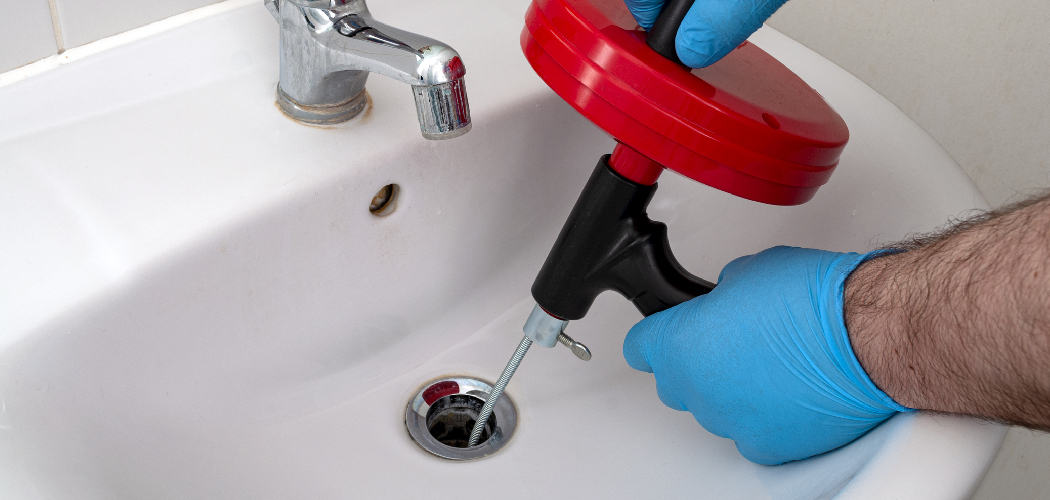
When the clog sits farther down the line, a small drain snake or plastic drain tool can help. Feed the tool slowly into the drain or through the open pipe if you already removed the trap. Twist gently as you push forward. You may feel a soft resistance first, then a thicker, stickier section where grease and debris have collected.
Work slowly and pull the tool back every so often to remove buildup. What comes out may look unpleasant: gray sludge, food scraps, and oily residue. That is a good sign. It means you are reaching the blockage rather than just moving water around it.
After snaking, flush the line with hot water and a little dish soap. If the sink drains with a steady swirl instead of backing up, you have likely cleared the main obstruction.
Step 8 – Test the Flow and Rinse the Pipe
Once the clog seems gone, test the sink carefully. Run warm water first, then hotter water, and let it flow for a minute or two. Watch the basin closely. You want to see a smooth drain with no pooling, bubbling, or slow rise near the opening.
Listen as well. A healthy drain usually sounds even and consistent. If you still hear deep gurgling or see water hesitate, some grease may remain on the pipe walls. In that case, repeat the hot water and soap rinse one more time.

This final flush helps carry away loosened residue before it can settle again. It also gives you confidence that the fix worked. A clean, fast-moving drain should smell fresher and leave the sink ready for normal use.
Common Mistakes
One common mistake is pouring more grease-cutting chemicals into the drain without understanding the clog. Harsh drain cleaners can damage some pipes, create fumes, and make later repairs more dangerous. They may also punch a small hole through the blockage without clearing the greasy coating stuck around the pipe.
Another mistake is using boiling water too fast or too often without checking the type of plumbing. Metal pipes usually handle high heat better, but older plastic pipes can be stressed by extreme temperatures. Pouring hot water slowly is safer and more effective than dumping it in one aggressive splash.
Many people also forget to remove standing water before treating the clog. That extra water weakens soap, baking soda, and vinegar, so the cleaning steps do less work. It also makes it harder to tell whether the sink is improving.
A fourth mistake is plunging the sink without sealing the second basin in a double sink setup. Without that seal, pressure escapes and the plunger loses force. Finally, some homeowners stop as soon as the water starts moving. A partial grease clog can return quickly if you do not finish with a proper rinse and a few better habits afterward.
Expert Tips
Use the gentlest method first and move up only as needed. In many kitchens, grease clogs respond well to dish soap, hot water, and patience before you ever need to open the trap. That saves time and keeps the job simpler.
Clean the drain at the first sign of slow flow instead of waiting for a full blockage. Early action is easier, less messy, and more likely to work. It also helps prevent odors caused by trapped food and rancid oil.
For prevention, never pour cooking fat, bacon grease, sauces, or oil-based leftovers down the sink. Let grease cool, scrape it into a container, and throw it away properly. Running hot water after washing a greasy pan is helpful, but it is not enough if too much oil enters the drain in the first place.
Frequently Asked Questions
Can grease clog a kitchen sink even if I run hot water after cooking?
Yes. Hot water may melt grease for a short time, but it often cools farther down the pipe and sticks to the walls again. Over time, that thin coating catches food scraps and soap scum, which creates a thicker blockage. Good grease disposal habits matter more than a quick hot-water rinse.
Is baking soda and vinegar enough to clear a grease clog?
Sometimes, but it depends on the clog. This combination can help loosen mild buildup and fresh residue, especially after dish soap and hot water. If the blockage is thick or packed with food waste, you may also need plunging, trap cleaning, or a drain snake to fully restore flow.
Should I use chemical drain cleaner for a greasy sink?
It is usually better to avoid it unless a plumber recommends it. Chemical cleaners can be harsh on pipes, create strong fumes, and make it harder to work safely under the sink later. Mechanical methods and simple household supplies often solve grease clogs with less risk and less mess.
How can I tell if the clog is in the P-trap or deeper in the pipe?
If water drains a little but stays slow, the clog may be in the trap. If cleaning the trap does not help much, the blockage is likely farther down the drain line. Gurgling sounds, repeated backups, and water returning after a short improvement often point to a deeper clog.
How do I keep grease from clogging my sink again?
Scrape food and fat into the trash before washing pans, plates, and utensils. Wipe greasy cookware with a paper towel first if needed. Use sink strainers to catch debris, and flush the drain with hot water and dish soap from time to time. Small habits make a big difference over time.
Conclusion
A grease-clogged kitchen sink looks frustrating, but it is often a problem you can handle on your own. When you work in a clear order, remove standing water, soften the grease, add pressure, and clean the trap if needed, the job becomes much less intimidating. You do not need advanced plumbing skills. You just need the right tools, steady effort, and a little patience.
The biggest lesson is prevention. Grease usually builds slowly, so small daily habits can save you from a major backup later. Dispose of oils properly, watch for slow drainage early, and clean the line before residue turns into a stubborn blockage.
If you came here to learn how to unclog kitchen sink from grease, you now have a practical plan you can follow with confidence. Start simple, stay safe, and remember that each step gets you closer to a clean, fast-draining sink.

About
Nick Hall has spent the last seven years working at the intersection of kitchen design and home repair — first as a design assistant at a residential renovation studio, then as a freelance writer covering everything from cabinet layouts to leaky faucet fixes.
Her approach is simple: kitchens should look good and function well. That means she’s just as comfortable talking about color palettes and counter materials as she is walking readers through how to fix a wobbly cabinet hinge or troubleshoot a garbage disposal.
Nick has worked directly with homeowners on small-space kitchen makeovers, budget-conscious renovations, and the kind of everyday repairs that don’t need a contractor — just the right instructions. She writes from experience, not theory, and tests most of the fixes and tips she shares before publishing them.
When she’s not writing, Nick is usually hunting for mid-century kitchen finds at estate sales or helping friends plan their own renovations. She lives in Columbus, Ohio.