
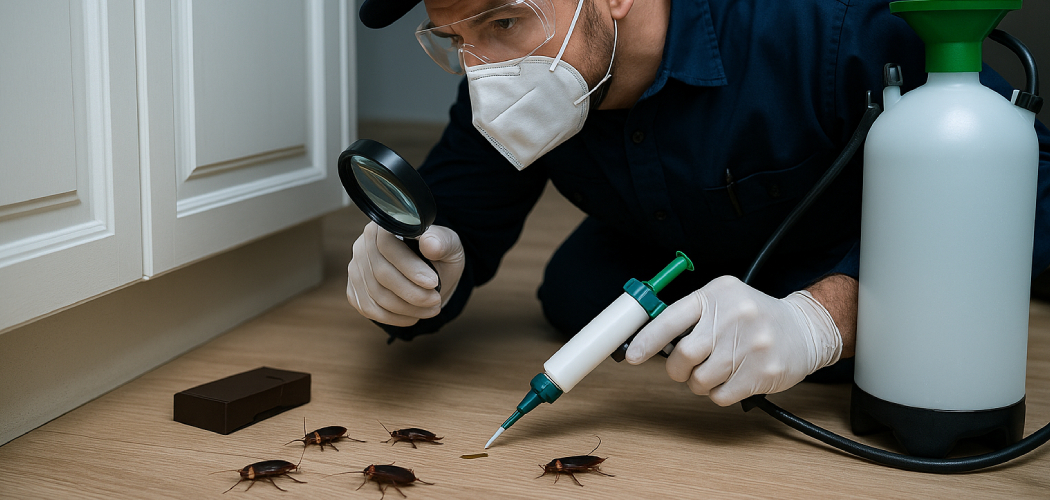
Finding roaches in your kitchen cabinets can feel upsetting, especially if you keep your home clean and don’t know where they came from. These pests hide in dark cracks, feed on crumbs, and multiply fast, which makes quick action important. If you are searching for how to get rid of roaches in kitchen cabinets, the good news is that you can make real progress with the right mix of cleaning, treatment, and prevention.
Roaches are drawn to food, moisture, and shelter, so the best approach is not just killing the ones you see. You also need to remove what keeps them coming back. This guide will show you how to clear out cabinet roaches safely and keep your kitchen protected.

Why Maintaining Clean Cabinets Matters
Clean cabinets do more than make your kitchen look neat. They help protect your food, lower health risks, and make your whole home easier to maintain. Roaches can leave behind droppings, shed skins, and egg cases in corners, along shelf edges, and near dry goods. Those traces can trigger allergies and contaminate food prep areas.
Cabinet hygiene also helps you spot early warning signs before a small issue turns into a full infestation. When shelves are wiped down and clutter stays low, it is much easier to notice grease marks, pepper-like droppings, or damaged packaging. Good cabinet care supports your larger home maintenance routine because it cuts down on pests, odors, and hidden messes. In simple terms, cleaner cabinets create a healthier kitchen and a less inviting space for roaches.
Tools and Materials You’ll Need
Before you begin, gather everything so you can work through the cabinets without stopping. A steady, organized cleanup helps you treat the area more thoroughly.
- Trash bags for infested paper, cardboard, and shelf liners
- Vacuum with a hose attachment for crumbs, droppings, and egg cases
- Bucket of warm water with dish soap
- Microfiber cloths or paper towels
- Scrub brush or old toothbrush for corners and seams
- Flashlight to inspect dark cabinet joints and hinges
- Caulk and caulk gun to seal small gaps and cracks
- Roach gel bait for targeted treatment
- Glue traps to monitor activity
- Airtight food containers for dry goods like flour, rice, and cereal
- Disposable gloves for cleanup
- Optional: a small handheld mirror to see deep cabinet corners and gaps behind shelves
Step-by-Step Guide on How to Get Rid of Roaches in Kitchen Cabinets
Step 1 – Empty the Cabinets Completely
Start by removing everything from the affected cabinets. Take out dishes, pantry items, liners, and loose containers so you can inspect every surface. Place food items on a clean counter and throw away anything with torn packaging, strange odors, or visible pest activity. Cardboard boxes are a favorite hiding place, so check them closely.
As the shelves clear, pay attention to what you smell and see. A musty, oily odor can point to heavier roach activity. You may also notice tiny dark droppings, shed skins, or pale brown egg cases tucked into corners. Clearing the space fully gives you access to hidden nesting areas and keeps you from cleaning around the problem instead of removing it.
Step 2 – Vacuum Crumbs, Debris, and Roach Traces
Once the cabinets are empty, use a vacuum hose to remove every loose crumb, bit of dust, and visible pest debris. Focus on back corners, shelf pin holes, cabinet seams, and hinge areas where particles collect. Vacuuming helps in two ways: it clears food sources and removes droppings, egg cases, and dead insects that can attract more pests.
Move slowly and listen for bits of grit being pulled from cracks. That sound often means you are reaching the spots roaches like best. After vacuuming, empty the canister or seal the vacuum bag right away and take it outside. You do not want trapped egg cases or insects staying inside your home. This simple step makes the next cleaning and treatment stages much more effective.
Step 3 – Wash Every Interior Surface
Now wash the inside of each cabinet with warm water and dish soap. Wipe shelves, side walls, undersides, door edges, and the frame around the opening. Use a scrub brush or toothbrush in tight seams where grease and sticky residue build up. Roaches feed on more than crumbs; even a thin film of oil can help sustain them.
As you clean, notice the texture of the surfaces. Greasy patches near spice shelves or cooking areas often need extra attention. Dry the cabinets well with a clean cloth when you finish. Roaches thrive where food and moisture come together, so leaving damp surfaces behind works against your progress. A clean, dry cabinet removes both scent trails and food residue, making the space far less attractive.
Step 4 – Inspect for Entry Points and Harborage Areas
After cleaning, inspect the cabinet structure carefully. Shine a flashlight into every corner and look for gaps where pipes enter the wall, cracks along joints, loose trim, and spaces behind the cabinet back panel. Roaches flatten their bodies and squeeze through openings much smaller than most people expect.

This is also the time to identify harborage areas, which are places where roaches rest and hide during the day. Warm, dark, still spaces near plumbing are common trouble spots. If you are serious about how to get rid of roaches in kitchen cabinets, inspection matters as much as treatment. You need to understand where they live, not just where you happen to see them. Mark problem areas with a bit of painter’s tape or make a note so you can treat and seal them later.
Step 5 – Apply Roach Gel Bait in Targeted Spots
Gel bait is one of the most effective treatments for cabinet roaches because it works quietly over time. Apply small dots in hidden areas such as cabinet corners, hinge zones, cracks, and gaps near plumbing, but keep it away from food contact surfaces. Do not smear it across shelves. Small placements work better than large blobs.
The goal is to let roaches feed on the bait and carry its effects back to nesting sites. Avoid spraying over bait or cleaning it away too soon. If the cabinet is very active, check the bait every few days and refresh dried or eaten spots. Patience matters here. You may not see results overnight, but steady bait use often reduces activity far more effectively than quick-kill sprays used the wrong way.
Step 6 – Set Glue Traps to Track Activity
Place glue traps inside cabinets, under the sink, and along kick plates or baseboards near the affected area. These traps will not solve the problem alone, but they help you see where movement is highest. Put them against edges rather than out in the middle since roaches usually travel along walls and corners.
Check traps every few days and notice patterns. If one cabinet catches more roaches than another, that area may be closer to the nest or an entry point. This is also a useful way to measure whether your cleanup and bait plan is working. When learning how to get rid of roaches in kitchen cabinets, monitoring is often overlooked, but it tells you if activity is shrinking or shifting. That information helps you treat the problem with much better accuracy.
Step 7 – Seal Cracks, Gaps, and Openings
Once the cabinets are clean and treatment is in place, seal the openings that give roaches access. Use caulk around pipe gaps, wall cracks, cabinet seams, and loose trim where insects can enter or hide. If a hole is larger, you may need backing material before applying sealant. Let the area dry fully before restocking the cabinet.
Sealing is one of the most important long-term steps because it turns your effort into lasting prevention. Without it, new roaches can keep slipping in from wall voids, shared building spaces, or plumbing lines. Run your fingers carefully along seams and edges. Even a small gap can be enough. A tighter cabinet means fewer hiding places and less chance of a fresh infestation taking hold.
Step 8 – Store Food Properly and Reset the Space
Before returning anything to the cabinets, sort through your pantry items. Transfer flour, cereal, pasta, crackers, sugar, and pet treats into airtight containers. Wipe jars and bottles so no sticky residue goes back onto clean shelves. Toss expired food and avoid storing paper bags or cardboard boxes inside cabinets if roaches have been active there.
When you put items back, leave some breathing room between them. Overpacked shelves make it harder to spot early signs of pests and easier for crumbs to build up unnoticed. Try to group similar items together so routine checks are simpler. A neat cabinet feels different right away: cleaner, brighter, and easier to manage. That reset is not just cosmetic. It changes the environment that allowed the infestation to grow.
Step 9 – Maintain a Weekly Prevention Routine
The final step is consistency. Once you know how to get rid of roaches in kitchen cabinets, the next goal is making sure they do not return. Wipe cabinet shelves regularly, especially near cooking areas. Sweep or vacuum kitchen floors often, and fix leaks under the sink or near appliances as soon as you notice them.
Check glue traps weekly for a while and replace bait as needed based on the product instructions. Do quick inspections behind stored food and along cabinet corners. Small habits make the biggest difference over time. Roaches are persistent, but they rely on steady access to food, water, and cover. If your kitchen stays dry, sealed, and low in crumbs, it becomes much harder for them to settle back in.

Common Mistakes
One common mistake is using bug spray as the only solution. Sprays may kill the roaches you see, but they often do little to reach the nest. In some cases, strong sprays can even make roaches scatter deeper into walls and cabinets, which spreads the problem instead of solving it.
Another mistake is cleaning the shelves but ignoring the source of food and moisture nearby. If crumbs remain under appliances, grease builds up around the stove, or there is a slow leak under the sink, roaches still have what they need. Cabinet treatment works best when the whole kitchen supports it.
Many people also put bait in the wrong places. If you place it on exposed shelf surfaces or too close to routine cleaning areas, it may get wiped away or avoided. Bait should sit in hidden travel paths where roaches feel safe enough to feed.
A fourth mistake is restocking cabinets too quickly. Putting clutter, cardboard, and unsealed dry goods back on the shelves creates fresh hiding spots and food access. Finally, some homeowners stop too soon. Roach control takes follow-up. Even after activity drops, you need monitoring and prevention to fully break the cycle.
Expert Tips
Treat the kitchen as a system, not a set of separate spots. Roaches move between cabinets, walls, pipes, and appliances, so a focused cabinet cleanup should also include nearby baseboards, sink plumbing, and the space behind the stove or fridge. That wider view helps you catch hidden traffic routes.
Use bait and sanitation together for the best results. Bait works better when other food sources are limited, so keep counters clear and shelves dry. If you live in an apartment or duplex, remember that shared walls can affect your progress. In those cases, sealing gaps and staying consistent matters even more.
If you keep seeing fresh droppings after two to three weeks of careful treatment, it may be time to call a pest control professional. Heavy infestations often need a stronger, broader plan.
Frequently Asked Questions
Are roaches in kitchen cabinets a sign of a dirty home?
Not always. Roaches can show up in clean homes if they find water, warmth, or easy access through cracks and plumbing lines. Still, clutter, crumbs, and grease make the problem worse. A clean kitchen lowers the odds of an infestation and makes treatment work faster, but even careful homeowners can end up dealing with roaches.
Is gel bait better than spray for cabinet roaches?
In most cases, yes. Gel bait is often more effective because roaches eat it and carry its effects back to hidden nesting areas. Sprays mainly kill on contact and can push roaches deeper into walls or other cabinets. For cabinet infestations, bait usually gives better long-term results when paired with cleaning and sealing.
How long does it take to clear roaches from kitchen cabinets?
It depends on how severe the infestation is. Mild problems may improve within one to two weeks, while larger infestations can take several weeks of steady cleaning, baiting, and monitoring. The key is consistency. If you stop after the first improvement, surviving roaches may rebound and repopulate the cabinets.
Can I keep dishes in cabinets during treatment?
It is best to remove dishes during the first cleaning and treatment phase. Once the cabinet is washed, dried, and bait is placed in hidden non-contact areas, you can usually return clean dishes. Keep food items sealed and avoid placing anything directly on surfaces where treatment products have been applied.
When should I call a professional exterminator?
Call a professional if you keep seeing live roaches daily, find many egg cases, notice activity spreading to other rooms, or have tried cleaning and baiting for a few weeks without real improvement. Professional pest control is also a smart choice for apartment buildings, recurring infestations, or cases involving severe hidden moisture issues.
Conclusion
Getting roaches out of kitchen cabinets takes more than a quick spray and a wiped shelf. You need a full plan that includes emptying the space, deep cleaning, removing food sources, using gel bait correctly, sealing gaps, and keeping up with prevention. Each step builds on the next, and together they make your cabinets far less welcoming to pests.
If you feel overwhelmed at first, start small and stay methodical. Clear one cabinet, clean it well, inspect it closely, and move through the process in order. That steady approach works better than rushed treatment. Once you understand how to get rid of roaches in kitchen cabinets, you can protect your kitchen with more confidence and much less stress.
Stick with the routine, watch for signs of activity, and act early if anything returns. A cleaner, drier, well-sealed kitchen gives roaches very little chance to settle in again.

About
Nick Hall has spent the last seven years working at the intersection of kitchen design and home repair — first as a design assistant at a residential renovation studio, then as a freelance writer covering everything from cabinet layouts to leaky faucet fixes.
Her approach is simple: kitchens should look good and function well. That means she’s just as comfortable talking about color palettes and counter materials as she is walking readers through how to fix a wobbly cabinet hinge or troubleshoot a garbage disposal.
Nick has worked directly with homeowners on small-space kitchen makeovers, budget-conscious renovations, and the kind of everyday repairs that don’t need a contractor — just the right instructions. She writes from experience, not theory, and tests most of the fixes and tips she shares before publishing them.
When she’s not writing, Nick is usually hunting for mid-century kitchen finds at estate sales or helping friends plan their own renovations. She lives in Columbus, Ohio.