
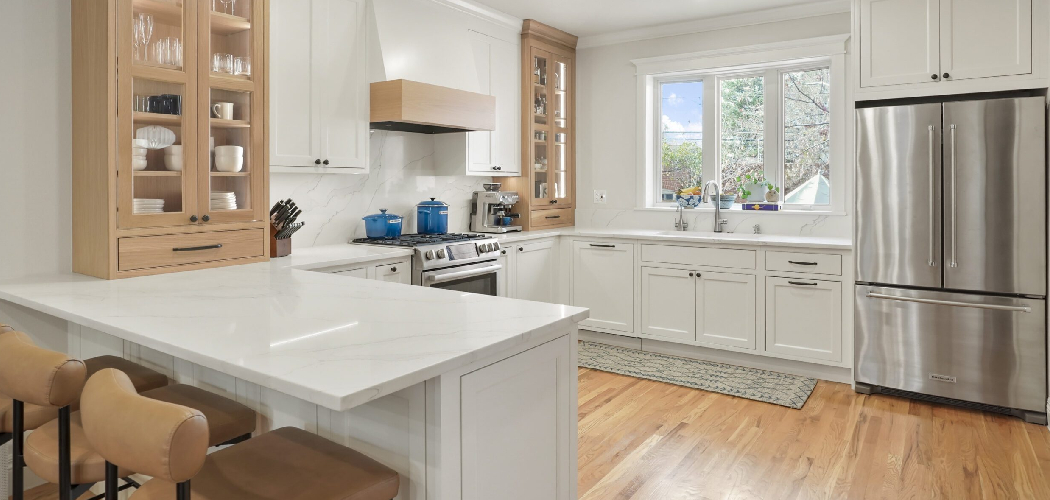
A flexible kitchen needs cabinets that do more than look good. They need to fit your space, support daily routines, and adapt when your needs change. That is why learning how to compare modular kitchen cabinets for flexible layouts matters before you buy anything. A smart comparison helps you avoid wasted space, poor storage flow, and costly changes later.

Modular systems make planning easier because they come in standard units, sizes, and accessories. Still, not all cabinet systems offer the same quality, finish, adjustability, or long-term value. This guide will help you compare cabinet options with confidence, so you can choose a layout that feels practical, efficient, and easy to live with.
Why Flexible Modular Cabinet Comparison Matters
Modular kitchen cabinets give you more control over layout planning than fixed carpentry. You can mix base cabinets, wall units, tall pantry storage, pull-out systems, and corner solutions to match how you cook and move through the room. That flexibility is useful in small apartments, family homes, rental upgrades, and remodels where space needs may shift over time.
When you know how to compare options well, you make better decisions on storage capacity, workflow, durability, and budget. You also reduce the risk of ending up with cabinets that look attractive in a showroom but feel awkward in real use. A careful comparison helps you choose modules that support future changes, such as new appliances, added storage, or a new kitchen island.
Tools and Materials You’ll Need
- A tape measure for checking wall length, ceiling height, window placement, and appliance gaps
- A notebook or planning sheet to record cabinet sizes, finish options, and price details
- A floor plan of your kitchen, even if it is a rough hand sketch
- A calculator for comparing total cabinet costs, hardware upgrades, and installation fees
- Product brochures, catalog pages, or online specifications from cabinet brands
- Sample swatches for door finishes, countertop colors, and interior materials
- A pencil for sketching layout changes and storage zones
- A checklist of your daily kitchen needs, such as pantry storage, cookware access, or recycling space
- Optional: painter’s tape to mark cabinet depth and walking clearance on the floor
Step-by-Step Guide on How to Compare Modular Kitchen Cabinets for Flexible Layouts
Step 1 – Measure the Room with Precision
Start with the room, not the cabinets. Measure each wall, corner, doorway, window, ceiling height, plumbing point, and electrical outlet. Small errors create big problems later, especially when modular units come in fixed widths and depths.
Stand in the kitchen and notice how the space feels. A narrow walkway, a low window sill, or a radiator can affect which cabinet modules will fit comfortably. Record all measurements clearly, then mark permanent obstacles on your sketch.
It also helps to note where natural light enters and where shadows fall. Tall units can make a bright kitchen feel heavy if they block light. Good measurements give you the base for a layout that feels open, useful, and easy to move through every day.
Step 2 – Define How You Need the Kitchen to Work
Before you compare styles, think about use. Do you cook daily, store bulk groceries, need child-friendly access, or want hidden appliance storage? Flexible layouts work best when they reflect real habits, not just display-room trends.
Walk through your current routine. Notice where you prep food, where clutter builds up, and which items are hard to reach. These patterns reveal what your cabinet layout should solve.
This is also the point where many homeowners begin to understand how to compare modular kitchen cabinets for flexible layouts in a practical way. You are not just comparing box sizes. You are comparing how well each system supports storage zones, movement, and comfort in your own home.
Step 3 – Compare Cabinet Sizes and Module Options
Now look at the cabinet system itself. Most modular kitchen brands offer standard base units, wall cabinets, drawer stacks, corner units, and tall storage cabinets. Compare the range of widths, heights, and depths each brand offers.
More size options usually mean better layout flexibility. If one brand only has limited widths, you may need filler panels that waste valuable space. A stronger modular system lets you create a cleaner fit around appliances, walls, and corners.

Pay attention to specialty modules too. Pull-out pantry units, bottle racks, tray dividers, and corner carousel systems can make a layout far more useful. The best comparison is not only about how many cabinets a brand sells, but how well those modules help you use every inch of the kitchen.
Step 4 – Assess Materials, Construction, and Finish Quality
Two cabinets may look similar from the front, but feel very different in daily use. Check the cabinet box material, door panel construction, edge banding, back panel strength, and shelf thickness. Good modular cabinets feel solid when opened and closed.
Run your hand across the finish if you can see samples in person. Matte laminates, acrylic panels, membrane finishes, veneer, and painted surfaces all have different looks, maintenance needs, and wear patterns. Some show fingerprints quickly, while others resist scratches better.
Open drawers and doors several times. A smooth glide, soft-close mechanism, and firm hinge action often reveal more than a product photo does. Quality matters most in high-use kitchens, where cabinets need to handle steam, spills, heat, and repeated daily movement.
Step 5 – Evaluate Storage Efficiency and Interior Features
A cabinet should not only fit the room. It should make storage easier and faster. Compare interior layouts such as adjustable shelves, deep drawers, cutlery organizers, pull-out baskets, under-sink fittings, and vertical dividers.
Think about what each unit can actually hold. A wide drawer base may serve pots and pans better than a standard shelf cabinet. A tall pantry pull-out can store dry goods in a compact footprint. Interior function often matters more than exterior appearance.
As you review these details, keep asking how to compare modular kitchen cabinets for flexible layouts in terms of daily convenience. The best flexible cabinet system lets you rearrange shelf levels, add inserts later, and adapt storage as your household needs change over time.
Step 6 – Review Layout Compatibility and Future Adaptability
A flexible kitchen should work now and still work later. Compare whether the cabinet system supports L-shaped, U-shaped, galley, island, and one-wall layouts. Some modular ranges adapt easily across floor plans, while others feel limited once the room changes.

Future adaptability matters more than many first-time buyers expect. You may want to add a dishwasher later, swap a freestanding fridge for a built-in unit, or turn part of the kitchen into a breakfast area. Cabinets that allow reconfiguration can save time and money.
Ask whether matching modules will still be available in the future. Also check if panels, handles, drawer inserts, and replacement fronts can be ordered later. A flexible system is not just movable. It is expandable and maintainable over the long term.
Step 7 – Compare Hardware, Access, and Everyday Ergonomics
Cabinet hardware changes the feel of the whole kitchen. Compare hinges, runners, lift-up systems, handles, and opening angles. These details affect comfort, access, and durability every single day.
Test drawer extension if possible. Full-extension drawers let you reach the back without digging around in dark corners. Soft-close hardware reduces noise and wear, while quality runners help heavy drawers stay smooth under load.
Ergonomics matter too. Tall wall cabinets may look sleek, but they can be hard to use if shelves sit above your natural reach. Deep corner cabinets can waste space if access is awkward. The best cabinet layout feels easy on your body, with storage placed where your hands naturally want to go.
Step 8 – Compare Total Cost, Not Just Cabinet Price
Price comparisons can mislead you if you only look at the cabinet boxes. Always compare the full project cost, including hardware upgrades, fillers, end panels, internal accessories, delivery, installation, countertop support parts, and tax if relevant.
A lower cabinet price may hide extra charges for drawers, pull-outs, or finishing panels. Another brand may seem more expensive at first, but include better hardware and stronger materials as standard. Look at value, not just the first number on the quote.
Try to compare three full estimates side by side. When costs are laid out clearly, patterns become easier to spot. You can then decide where to spend more for durability and where a simpler option still gives you strong performance.
Step 9 – Test Samples and Shortlist with Confidence
Before making a final decision, narrow your choices to two or three cabinet systems. Review samples in real light, compare finish tones against your flooring and countertop plans, and recheck module sizes against your kitchen plan.
Touch matters here. A glossy door may reflect too much light, while a textured laminate may feel more forgiving and practical. Colors can also shift from showroom lighting to daylight at home, so sample testing helps avoid surprises.
Once you have a shortlist, rate each option on layout fit, storage function, quality, finish, hardware, and total value. This simple final review often makes the best choice obvious. When a cabinet system meets your needs on all fronts, you can move forward with much more confidence.
Common Mistakes When Comparing Modular Kitchen Cabinets for Flexible Layouts
One common mistake is choosing cabinets based on appearance alone. A sleek finish or trendy door style can look impressive, but it means little if storage is awkward or the layout blocks movement. A kitchen should support real tasks first, then style can follow.
Another mistake is ignoring fixed elements in the room. Windows, plumbing lines, switches, beams, and appliance clearances often affect cabinet selection more than people expect. If you compare cabinets without mapping these details, you may end up forcing a layout that never feels right.
Many buyers also underestimate the importance of internal storage features. They focus on how many cabinets they can fit, instead of how useful those cabinets will be. One well-designed drawer unit can outperform two basic shelf cabinets in daily use.
Budget comparison is another weak point. People often compare a low headline price with a more complete quote and assume the cheaper option is better. In reality, hardware quality, accessories, delivery, and installation can shift the value equation fast.
Finally, some homeowners fail to think ahead. A kitchen that fits today but cannot adapt to new appliances, changing family needs, or storage upgrades may feel outdated too soon. Flexibility should be part of the comparison from the very beginning.
Expert Tips
Start by ranking your priorities before you visit a showroom or request quotes. If storage efficiency matters more than display space, say that clearly. If easy cleaning or future upgrades matter most, build your comparison around those needs.
Always ask for a full cabinet specification sheet. You want to know box material, panel finish, hinge brand, drawer runner type, warranty terms, and available accessories. Those details reveal real value.
It also helps to compare one “working zone” at a time. Look at the sink area, prep area, cooking area, and pantry storage separately. This method makes layout decisions easier and helps you spot weak points before you commit to a full modular kitchen plan.
Frequently Asked Questions
Are modular kitchen cabinets better than custom-built cabinets for flexible layouts?
Modular kitchen cabinets are often better for flexible layouts because they use standardized units that are easy to combine, replace, and expand. That makes planning simpler for most homeowners. Custom cabinets can fit unusual spaces more precisely, but modular systems usually offer faster installation, easier upgrades, and more predictable pricing for everyday kitchen projects.
What cabinet material is best for a modular kitchen?
The best material depends on your budget, climate, and how heavily you use the kitchen. Plywood is often valued for strength and moisture resistance. MDF can provide a smooth painted finish, while particle board is more budget-friendly. For many buyers, the right choice is the one that balances durability, finish quality, and long-term maintenance needs.
How do I know if a cabinet layout is truly flexible?
A flexible layout allows you to adjust storage, accommodate future appliances, and maintain smooth movement through the kitchen. Look for modular systems with varied unit sizes, adjustable shelves, interchangeable accessories, and matching add-on modules. If the design can adapt without major reconstruction, it is more likely to stay useful over time.
Should I prioritize drawers or shelves in base cabinets?
In most kitchens, drawers are easier to use than shelves in base units. They let you see and reach items without crouching or digging into the back. Shelves can still work well for larger or less-used items, but a layout with more deep drawers usually offers better access, better organization, and a more comfortable daily experience.
How important is cabinet hardware when comparing options?
Hardware is very important because it affects durability, comfort, and noise levels every day. Strong hinges, smooth runners, and reliable soft-close systems make cabinets feel better and last longer. Even if two kitchens look similar, better hardware can create a much more satisfying experience in regular use, especially in busy family kitchens.
Conclusion
Choosing modular kitchen cabinets becomes much easier when you compare them with a clear plan. Instead of focusing only on color or price, look at room measurements, module sizes, storage features, material quality, hardware performance, and future adaptability. A flexible kitchen works best when every cabinet supports both the layout and your daily routine.
If you remember one thing, let it be this: learning how to compare modular kitchen cabinets for flexible layouts helps you make decisions that last. It protects your budget, improves kitchen flow, and gives you a space that can grow with changing needs. Start with your measurements, define how you use the room, and compare systems one feature at a time. That steady approach will help you choose cabinets that feel practical on day one and still make sense years from now.

About
Nick Hall has spent the last seven years working at the intersection of kitchen design and home repair — first as a design assistant at a residential renovation studio, then as a freelance writer covering everything from cabinet layouts to leaky faucet fixes.
Her approach is simple: kitchens should look good and function well. That means she’s just as comfortable talking about color palettes and counter materials as she is walking readers through how to fix a wobbly cabinet hinge or troubleshoot a garbage disposal.
Nick has worked directly with homeowners on small-space kitchen makeovers, budget-conscious renovations, and the kind of everyday repairs that don’t need a contractor — just the right instructions. She writes from experience, not theory, and tests most of the fixes and tips she shares before publishing them.
When she’s not writing, Nick is usually hunting for mid-century kitchen finds at estate sales or helping friends plan their own renovations. She lives in Columbus, Ohio.