
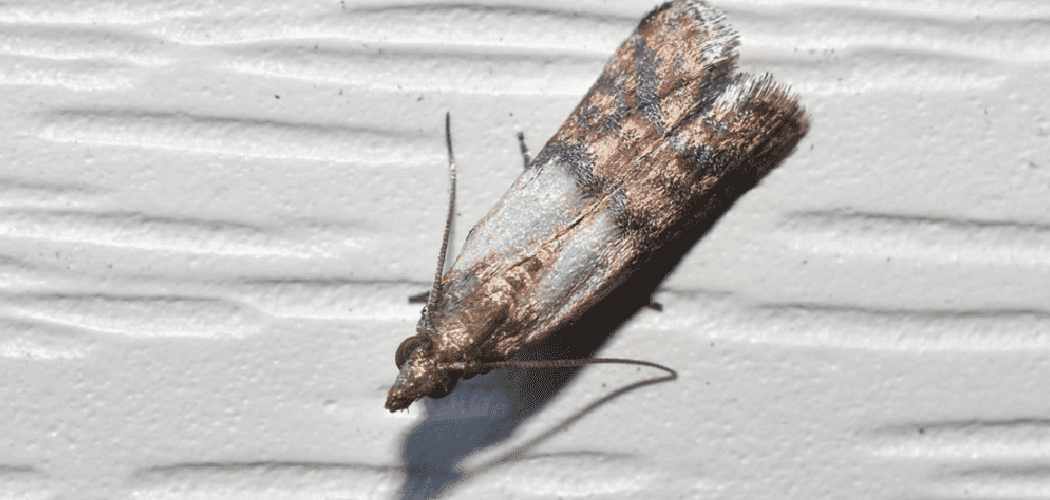
Opening a bag of flour and seeing tiny moths flutter out can make your whole kitchen feel unclean. Pantry moths, often called Indian meal moths, sneak into dry goods like rice, cereal, nuts, pet food, and baking mixes. Once they settle in, they spread fast and can leave behind larvae, silky webbing, and contaminated food. If you are searching for how to get rid of kitchen moths, the good news is that you can solve the problem with a careful, step-by-step approach.
This guide will show you how to find the source, clean the space, stop the life cycle, and prevent the moths from coming back.

Why Understanding Pest Control Matters
Kitchen moths may look minor, but they can turn into a stubborn infestation if you ignore them. A few flying adults often mean eggs or larvae are already hiding in your pantry. When you understand basic pest control, you can act early, protect your food, and avoid wasting money on spoiled staples.
This matters even more for beginners because pantry pests are easy to miss at first. You might think the issue is limited to one old bag of grain, when in fact the moths have spread to several containers and shelves. Learning how infestations start, where moths hide, and what breaks their breeding cycle helps you fix the problem with less stress and better results.
Tools and Materials
You do not need fancy equipment to deal with pantry moths, but the right supplies make the process smoother and more thorough. Gather everything before you begin so you can clean and reset your pantry in one focused session.
You will want trash bags for infested food, a vacuum with a hose attachment for corners and shelf cracks, dish soap, warm water, white vinegar, clean cloths or paper towels, and airtight glass or hard plastic containers for safe food storage. A flashlight helps you spot webbing, larvae, and tiny eggs in dark corners. You may also want a small scrub brush or old toothbrush for shelf joints and cabinet edges. An optional but useful item is a pantry moth pheromone trap, which can help you monitor adult moth activity after cleaning.
Step-by-Step Guide on How to Get Rid of Kitchen Moths
Step 1 – Confirm that pantry moths are the problem
Start by making sure you are dealing with pantry moths and not drain flies, clothes moths, or another common household pest. Pantry moths are usually small, with narrow wings and a coppery brown or gray look. You may notice them flying near cabinets, lights, or food storage areas, especially in the evening.
Look for other clear signs. Check dry foods for silky webbing, clumped grains, tiny cream-colored larvae, or small cocoons tucked into package folds. The smell may seem stale or slightly sour in badly infested foods. Knowing the pest matters because how to get rid of kitchen moths depends on removing the food source that supports their life cycle.
Step 2 – Empty the pantry completely
Take every item out of the pantry, even unopened packages and things that seem untouched. Moths often hide in places that look safe at first glance. They can squeeze into cardboard seams, plastic bag folds, and the corners of boxed food. Set everything on a counter or table where you can inspect each item in good light.
As you empty the shelves, look closely at shelf pins, corners, cracks, and cabinet door hinges. Larvae often crawl away from the original food source to pupate in protected spots. You may find fine threads of webbing stuck along the edges or a few small casings attached to the wall of the pantry. A full reset gives you the best chance of breaking the infestation instead of chasing it for weeks.
Step 3 – Inspect and discard contaminated food
Now check each food item carefully. Pay special attention to flour, oats, rice, cereal, pasta, crackers, nuts, seeds, dried fruit, chocolate, spices, and pet food. Pantry moths can infest more than grains, so do not assume sealed or sweet foods are safe. Hold packages up to the light and look for movement, webbing, crumbs stuck together, or tiny holes in the packaging.
Throw away anything suspicious right away. Seal it inside a trash bag before taking it outside, so adult moths and larvae do not escape back into your kitchen. It can feel wasteful, but keeping one infested package can restart the entire problem. If you are unsure about an item, it is safer to discard it than risk reintroducing eggs or larvae into a freshly cleaned pantry.
Step 4 – Vacuum every surface and hidden gap
Once the shelves are bare, vacuum the pantry from top to bottom. Use the hose attachment to reach corners, shelf brackets, cabinet seams, and tiny cracks where eggs and larvae may hide. Move slowly. The goal is not just to pick up crumbs but also to remove webbing, casings, and insects at every life stage.
Focus on places where dust and food particles collect. Moths thrive in neglected edges because those spots offer both shelter and tiny bits of food. After vacuuming, remove the vacuum bag or empty the canister immediately and place the contents in an outdoor trash bin. This step is easy to rush, but deep vacuuming often makes the difference between quick relief and a recurring infestation that seems to come back out of nowhere.

Step 5 – Wash the pantry with soap and vinegar
After vacuuming, wash the shelves, walls, and door frames with warm soapy water. Then wipe the area again with a cloth dampened with white vinegar. Soap removes grease and crumbs, while vinegar helps cut residue and makes the pantry less inviting. Pay close attention to corners, shelf supports, and any drilled holes where eggs may cling.
Let the surfaces dry fully before returning anything to the pantry. A clean, dry cabinet makes it easier to spot new signs of activity later. As you clean, you may notice a faint dusty odor fading away, which is a good sign that old food residue is gone. When people ask how to get rid of kitchen moths, they often underestimate how important this deep cleaning stage really is.
Step 6 – Treat saved foods the safe way
If some foods appear clean and you want to keep them, add a safety step before putting them back. Freezing dry goods for several days can kill hidden eggs and larvae. This works well for flour, grains, nuts, and similar pantry items that may have been exposed but show no visible signs of infestation.
Transfer those foods into airtight containers after treatment. Avoid keeping them in paper bags, thin plastic, or cardboard boxes, since moths can get into those much more easily than most people expect. Clear containers help you see what is inside and spot any future trouble fast. This step adds a layer of control, especially if you caught the infestation early and want to save unaffected items without bringing risk back into the pantry.
Step 7 – Set traps and monitor activity
Pheromone traps can help you track adult male pantry moths after cleaning. Place them inside or near the pantry, following the package directions. These traps do not solve the entire problem on their own, but they are useful for showing whether moth activity is dropping or continuing. If the trap fills quickly, you may still have an overlooked source nearby.
Keep expectations realistic. Traps target flying adults, not eggs or crawling larvae hidden in food or cracks. That means they support your cleanup plan rather than replace it. Check them every few days and replace them as directed. Monitoring gives you peace of mind and helps you tell the difference between a resolved infestation and one that is still active behind the scenes.
Step 8 – Reorganize with prevention in mind
Before returning food to the pantry, think about long-term storage. Group similar items together and place older products in front so you use them first. Wipe containers before putting them away, and leave a little space between items so air moves better and shelf checks stay easy. A packed pantry hides trouble.
Move all vulnerable dry goods into airtight containers with tight-fitting lids. This is one of the best defenses against reinfestation. If you buy food in bulk, divide it into smaller sealed containers instead of leaving it in its original package. Prevention is a big part of how to get rid of kitchen moths, because even a clean pantry can be reinfested by one contaminated bag of cereal or pet food brought home from the store.

Common Mistakes
One common mistake is treating only the flying moths you can see. Adult moths are annoying, but they are not the real source of the problem. Eggs and larvae hidden in food packages, shelf seams, and cabinet corners are what keep the infestation going. If you swat adults without removing infested food, the moths will return.
Another mistake is checking only obvious items like flour and rice. Pantry moths also infest nuts, dried fruit, spices, birdseed, candy, powdered mixes, and pet food. Many people throw out one bad item and leave several others behind, which lets the life cycle continue.
People also tend to clean too lightly. A quick shelf wipe is rarely enough. Larvae crawl away from food and settle in cracks, under shelf lips, and near hinges. If you skip deep vacuuming and detailed wiping, you may leave behind eggs or cocoons.
A fourth mistake is putting food back into the pantry in its original packaging. Thin bags and cardboard are easy targets. Finally, many beginners stop monitoring too soon. Even after a deep clean, you need to watch for new moths for several weeks to make sure the infestation is truly gone.
Expert Tips
If you want faster, cleaner results, think like a pest control pro and focus on the life cycle. Pantry moths move from egg to larva to pupa to adult, so your plan has to interrupt each stage. That is why inspection, disposal, cleaning, and sealed storage all matter together.
Use a flashlight during every check, because webbing and larvae are much easier to spot in angled light. Inspect nearby areas too, especially utility closets, pet food bins, and snack drawers. If the problem keeps coming back, the source is often outside the main pantry.
It also helps to label dry goods with the purchase date. Older items are more likely to be forgotten, and forgotten food gives pests time to spread. A simple rotation system can prevent a future outbreak.
Frequently Asked Questions
How long does it take to get rid of pantry moths?
Most mild infestations improve within one to two weeks after you remove infested food and clean thoroughly. Full control can take a month or more because hidden eggs may hatch later. Continue checking traps, shelves, and stored foods for several weeks so you can catch any remaining activity before it spreads again.
Can pantry moths make you sick?
Pantry moths are not known to spread serious disease like some other pests, but infested food is still not something you should eat. Larvae, webbing, and droppings can contaminate dry goods and make them unappetizing. If you find signs of infestation, throw the food away rather than trying to sort through it.
Do I need to throw away all the food in my pantry?
No, but you do need to inspect everything very carefully. Any item with webbing, larvae, clumped texture, holes, or suspicious debris should go. Foods that appear clean can sometimes be saved if they were stored securely or treated by freezing before being moved into airtight containers after inspection.
Will pantry moth traps solve the problem by themselves?
No. Traps are helpful for monitoring and reducing adult male moths, but they do not remove eggs, larvae, or hidden food sources. Think of them as a support tool, not the main treatment. The real solution is finding the infested items, discarding them, and cleaning the pantry thoroughly.
Why do kitchen moths keep coming back?
They usually return because a hidden source remains in the home or a new infested product was brought in. Pet food, birdseed, baking ingredients, and forgotten snack boxes are common culprits. Reinfestation also happens when food is stored in weak packaging. Airtight containers and regular pantry checks greatly reduce the risk.
Conclusion
Pantry moths can feel overwhelming at first, but they are manageable when you take a careful, complete approach. The key is to remove the source, clean every surface, protect the food you keep, and monitor the pantry long enough to catch any stragglers. When you work step by step, the mess becomes much easier to control.
Try not to get discouraged if the process takes a little time. These pests are persistent because their eggs and larvae hide well, not because your kitchen is dirty. A few smart changes, like using airtight containers and rotating dry goods more often, can make a big difference for the long term.
If you have been wondering how to get rid of kitchen moths, the best answer is simple: inspect thoroughly, clean deeply, store food better, and stay consistent. With that plan, you can clear the infestation and keep your pantry in good shape.

About
Nick Hall has spent the last seven years working at the intersection of kitchen design and home repair — first as a design assistant at a residential renovation studio, then as a freelance writer covering everything from cabinet layouts to leaky faucet fixes.
Her approach is simple: kitchens should look good and function well. That means she’s just as comfortable talking about color palettes and counter materials as she is walking readers through how to fix a wobbly cabinet hinge or troubleshoot a garbage disposal.
Nick has worked directly with homeowners on small-space kitchen makeovers, budget-conscious renovations, and the kind of everyday repairs that don’t need a contractor — just the right instructions. She writes from experience, not theory, and tests most of the fixes and tips she shares before publishing them.
When she’s not writing, Nick is usually hunting for mid-century kitchen finds at estate sales or helping friends plan their own renovations. She lives in Columbus, Ohio.