
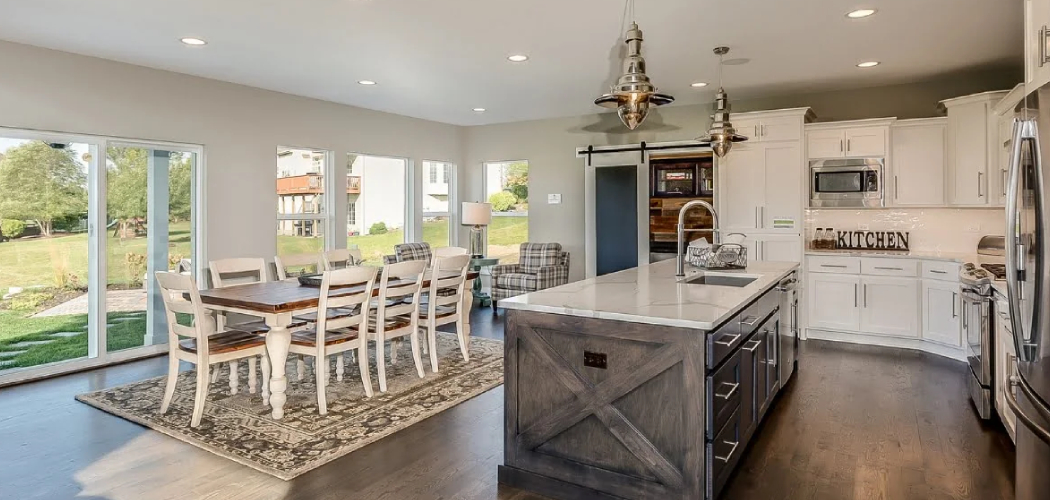
Kitchen curtains can change the whole feel of your space with a simple rod, the right fabric, and a few careful measurements. They soften hard surfaces, frame a sink window, add privacy, and help control natural light while you cook, clean, or enjoy coffee at the counter. If you are learning how to hang kitchen curtains for the first time, the process may seem more precise than expected, but it is very manageable with the right steps.
The key is to measure before you drill, choose curtains that fit your kitchen decor, and mount the curtain rod so it looks level and secure. This guide will walk you through each step from planning to final adjustments.

Why Learning to Hang Kitchen Curtains Matters
Some beginner home guides mention campers or outdoor users, but hanging kitchen curtains is really about making your home more comfortable, useful, and polished. In a kitchen, window treatments do more than look pretty. They can reduce glare, protect privacy, and add softness around tile, cabinets, stainless steel, and a backsplash.
This skill also helps you avoid common decorating problems, such as curtains that hang too low, rods that feel loose, or fabric that blocks too much light. Once you understand the basics, you can hang cafe curtains, tier curtains, a valance, or full panels with more confidence. A well-dressed kitchen window makes the room feel finished without a major renovation.
Tools and Materials You’ll Need
Gather everything before you begin so you can work smoothly and avoid extra holes in the wall. Most supplies are simple, affordable, and useful for many other small home projects.
- Kitchen curtains, such as cafe curtains, tier curtains, a valance, or panels
- Curtain rod sized for your window
- Brackets and mounting hardware
- Measuring tape
- Pencil for pencil marks
- Level
- Drill or screwdriver
- Wall anchors, if needed
- Step stool
- Clip rings, if your curtains require them
- Optional convenience item: painter’s tape for marking bracket placement without writing directly on the wall
Check the curtain package before starting. Rod pocket curtains, grommet panels, and clip ring styles each hang a little differently.
Step-by-Step Guide on How to Hang Kitchen Curtains
Step 1 – Choose the Right Curtain Style
Start by deciding what you want the curtains to do. If your sink window faces a neighbor or street, privacy may matter most. If the room feels dim, choose light filtering fabric that softens sunlight without blocking it completely.
Cafe curtains cover the lower half of the window and work well when you want privacy but still want natural light from above. Tier curtains usually come in pairs and create a classic kitchen look. A valance adds color and shape at the top without covering much glass. This early choice matters because how to hang kitchen curtains depends on the curtain style, rod type, and window location.
Step 2 – Measure the Window Frame
Use a measuring tape to record the width and height of the window frame. Measure across the top, middle, and bottom if the frame is older or slightly uneven. Write down the largest width so your curtain rod gives enough coverage.
Next, measure from the top of the frame to the point where you want the curtains to end. For a sink window, make sure the fabric will not drag near water, soap, or cooking splatter. Curtains that stop at the sill often look clean and practical in a kitchen. Good measurements help the final result feel intentional instead of cramped or uneven.
Step 3 – Decide Where the Rod Should Sit
Hold the curtain rod near the window and study the spacing. In many kitchens, the rod looks best when it sits a few inches above the window frame and extends a few inches past each side. This makes the window look wider and lets the fabric move away from the glass.
If cabinets, open shelves, tile, or a backsplash sit close to the window, you may need a tighter placement. Keep the rod high enough to look balanced but low enough to avoid hitting trim or cabinet doors. Step back and view the window from across the room. Your eyes will catch awkward placement before the drill does.
Step 4 – Mark the Bracket Locations
Once you know where the rod should sit, mark the bracket locations with a pencil. Use a level to make sure both sides line up. Even a small slant can make curtains look messy, especially near straight cabinet lines or tile grout.
If you feel nervous about marking the wall, place small pieces of painter’s tape first, then mark on the tape. Hold the brackets against the pencil marks and check that the curtain rod will have enough support. For wider windows, you may need a center bracket. Careful pencil marks are one of the easiest ways to avoid crooked curtains and extra holes.

Step 5 – Install Anchors or Screws
Before drilling, check what kind of surface you have. Wood trim can often hold screws directly. Drywall usually needs wall anchors, especially if the curtain rod is heavy or the curtains are lined. Tile near a backsplash may require a special bit and extra patience.
Drill pilot holes at your marks, then insert anchors if needed. Attach the brackets with the mounting hardware, but do not fully tighten everything until both sides are in place. This gives you room to adjust. If someone asks how to hang kitchen curtains without damage, the answer starts here: use the right hardware for the wall and avoid forcing screws into weak spots.
Step 6 – Attach the Curtains to the Rod
Now prepare the curtains. Slide rod pocket curtains onto the rod slowly so the fabric gathers evenly. If you use clip rings, space the clips across the top edge before placing the rod in the brackets. For grommet panels, feed the rod through each opening in the same direction for a smooth wave.
Pay attention to how the fabric feels and falls. Cotton may look crisp, linen may feel relaxed, and sheer fabric may float softly in the light. If the curtains look bunched on one side, adjust the folds before hanging the rod. Small changes at this stage can make the window look more polished.
Step 7 – Set the Rod in Place
Lift the rod and place it into the brackets. If the window is wide, ask someone to help so the rod does not scrape the wall or bend in the middle. Tighten the bracket screws once the rod sits level and secure.
Step back and check the curtain height, width, and balance. The fabric should frame the window without crowding the sink faucet, countertop items, or nearby cabinets. Open and close the curtains a few times if the style allows. Listen for scraping or rattling, which can mean the rod is loose or the brackets need a small adjustment.
Step 8 – Make Final Adjustments
Smooth the curtain panels with your hands and arrange the folds so they look even. If you used clip rings, adjust the spacing until the top edge hangs straight. For cafe curtains or tier curtains, check that both sides meet neatly in the center.
Look at the window during daylight and again in the evening. Natural light can reveal uneven hems, thin spots, or shadows you did not notice before. If the curtains feel too full, spread the gathers wider. If they look flat, add more fabric width next time. This final review helps you understand how to hang kitchen curtains in a way that looks good and works for daily life.

Common Mistakes When Hanging Kitchen Curtains
One common mistake is choosing curtains before measuring the window. A package may look right in the store, but kitchen windows vary a lot. If the fabric is too narrow, it will look stretched and flat. If it is too long, it may hang too close to the sink, counter, or heat source.
Another mistake is mounting the curtain rod directly on the window frame without checking the overall look. Sometimes that works, but placing the rod slightly higher and wider often makes the window feel larger. It also gives the fabric more room to stack when open.
Many beginners skip the level and trust their eyes. Kitchen walls, trim, and tile lines make even tiny mistakes easy to see. A level helps you avoid a rod that slopes from one side to the other.
Using the wrong mounting hardware is another issue. Drywall anchors, screws, and brackets must match the wall surface and curtain weight. Light curtains may not need heavy anchors, but a weak mount can loosen over time.
Finally, some people ignore fabric choice. Heavy fabric can make a small kitchen feel dark, while very sheer fabric may not provide enough privacy. Balance light, texture, and function.
Expert Tips
Choose washable fabric whenever possible. Kitchens collect steam, grease, dust, and food odors, so easy-care curtains make routine cleaning simpler. Cotton blends, polyester, and some linen blends often work well near a sink window.
Match the curtain hardware to nearby finishes when you can. A black curtain rod may pair well with dark cabinet pulls, while brushed nickel can echo a faucet or appliance handle. These small choices help the whole room feel connected.
For a brighter kitchen, mount the rod wide enough so the curtains can rest beside the glass instead of covering it. For more privacy, use cafe curtains on the lower half and a light valance above. You can get both comfort and daylight with the right combination.
Frequently Asked Questions
What type of curtains work best in a kitchen?
Cafe curtains, tier curtains, valances, and light panels all work well in kitchens. The best choice depends on privacy, light, and the window’s location. For a sink window, shorter curtains are often easier to keep clean. Light filtering fabric is a good option because it softens sunlight without making the kitchen feel dark or closed in.
How high should I hang a kitchen curtain rod?
A kitchen curtain rod often looks best a few inches above the window frame, as long as nearby cabinets or shelves allow it. Hanging the rod slightly higher can make the window look taller. For cafe curtains, the rod may sit halfway down the window instead. Always check the look from across the room before drilling.
Do I need wall anchors for kitchen curtains?
You need wall anchors if you are mounting brackets into drywall and not hitting a stud or solid wood trim. Anchors help the screws grip the wall and support the curtain rod. Lightweight curtains may need only basic anchors, while heavier fabric may require stronger hardware. When in doubt, use anchors rated for more weight than the curtains require.
Should kitchen curtains touch the windowsill?
Kitchen curtains often look neat when they stop at the windowsill or just above it. This length works especially well over a sink, counter, or backsplash because the fabric stays away from water and spills. Longer panels can work near a breakfast nook or patio door, but they may be less practical in busy cooking areas.
Can I hang curtains without drilling holes?
Yes, you can use tension rods or certain adhesive hooks for lightweight kitchen curtains. Tension rods work well inside the window frame, especially for cafe curtains or simple sheers. They are easy to remove and adjust. However, they may not hold heavy fabric well, and adhesive products can fail in humid or greasy kitchen conditions.
Conclusion
Hanging kitchen curtains is a small project that can make your space feel warmer, brighter, and more finished. Start by choosing the right style for your needs, whether that means cafe curtains for privacy, a valance for decoration, or light filtering fabric for a soft glow. Then measure carefully, mark the bracket locations, use the right mounting hardware, and check your work with a level.
If you came here to learn how to hang kitchen curtains, remember that precision matters more than speed. A few extra minutes spent measuring and adjusting can save you from crooked rods, sagging brackets, or fabric that does not fit the window.
Take it one step at a time, and do not worry if you need to make small changes along the way. With basic tools and a steady approach, you can create a kitchen window that looks clean, comfortable, and thoughtfully styled.

About
Nick Hall has spent the last seven years working at the intersection of kitchen design and home repair — first as a design assistant at a residential renovation studio, then as a freelance writer covering everything from cabinet layouts to leaky faucet fixes.
Her approach is simple: kitchens should look good and function well. That means she’s just as comfortable talking about color palettes and counter materials as she is walking readers through how to fix a wobbly cabinet hinge or troubleshoot a garbage disposal.
Nick has worked directly with homeowners on small-space kitchen makeovers, budget-conscious renovations, and the kind of everyday repairs that don’t need a contractor — just the right instructions. She writes from experience, not theory, and tests most of the fixes and tips she shares before publishing them.
When she’s not writing, Nick is usually hunting for mid-century kitchen finds at estate sales or helping friends plan their own renovations. She lives in Columbus, Ohio.