
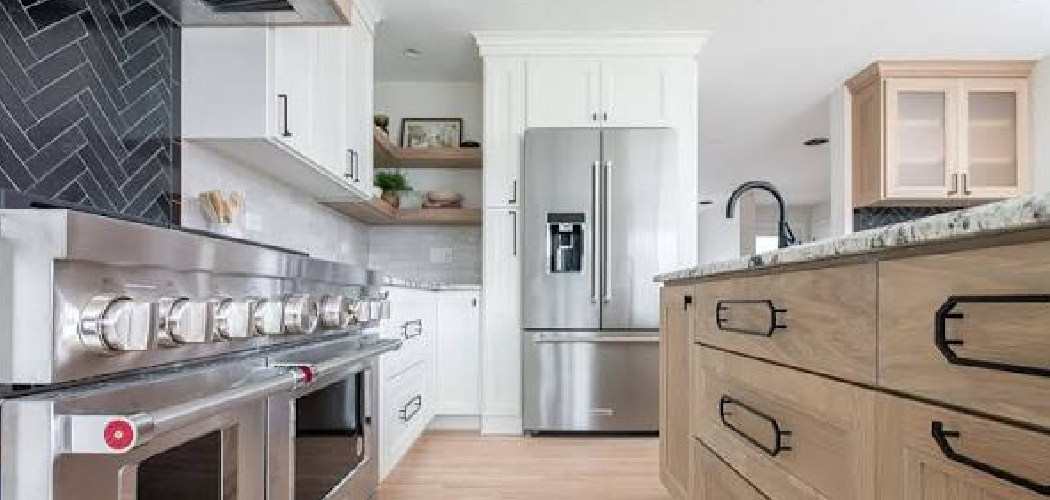
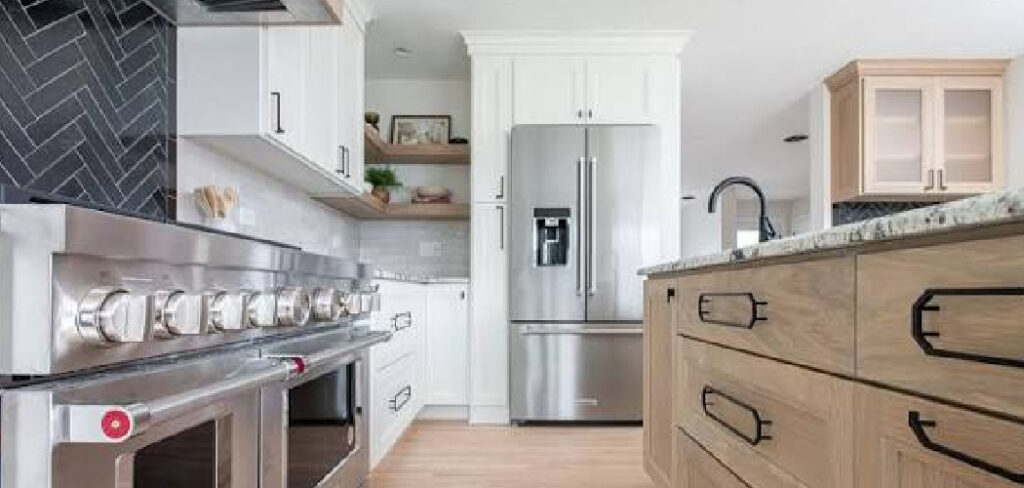
Picture standing in your brand-new kitchen, blueprint in hand, surrounded by empty spaces waiting for a refrigerator, a stove, and a dishwasher. Exciting, right? But also a little overwhelming. With so many brands, sizes, and features out there, it’s easy to feel stuck before you even begin.
That’s where a smart plan comes in. Knowing how to choose appliances for your new kitchen saves you money, prevents frustrating returns, and helps everything fit and work together beautifully. Whether you’re a passionate home cook or simply want a space that runs smoothly, the right choices make daily life easier.
This guide walks you through every step, from measuring your space to picking finishes, so you can outfit your kitchen with confidence and zero guesswork.
Why Choosing The Right Appliances Matters
Your appliances are the workhorses of your kitchen. Pick the wrong ones, and you’ll feel it every single day. A fridge that’s too small for your family, a noisy dishwasher that drowns out dinner chats, or a cooktop that doesn’t match your cooking style can turn your dream kitchen into a daily headache.
Getting it right does the opposite. Well-chosen appliances fit your kitchen layout, match your cooking habits, and keep your energy bills in check. They also boost your home’s value and make cooking genuinely enjoyable.
For DIY-minded planners, smart choices mean fewer surprises during installation. You’ll know your measurements line up, your outlets are in the right spots, and everything works together as a team. That kind of confidence pays off for years.
Tools and Materials You’ll Need
Good news: you won’t need a workshop full of gear to plan this well. A few simple items make the whole process smoother and far more accurate. Start with a reliable tape measure, since precise dimensions are the backbone of every smart appliance decision. Grab a notebook or a notes app to jot down your kitchen layout measurements, including cabinet depth, standard width openings, and countertop clearance.
You’ll also want a pen, your kitchen floor plan if you have one, and a basic calculator to compare prices and energy costs. A small level helps you check that surfaces sit true before installation day.
For extra convenience, a free room-planning app on your phone lets you visualize each appliance in place before you ever buy. It’s optional, but it saves plenty of second-guessing later.
Step-by-Step Guide on How To Choose Appliances For Your New Kitchen
Step 1 – Measure Your Space Carefully
Before you fall in love with any shiny stainless steel model, grab your tape measure. Accurate measurements are the foundation of every good decision here.
Measure the width, height, and depth of each appliance opening. Pay close attention to cabinet depth and standard width, since most appliances follow common sizing but small differences trip people up. Note the countertop clearance above and around each spot too.
Write everything down twice to double-check yourself. A half-inch mistake can mean a fridge that won’t close flush or a range that juts awkwardly into the walkway.
Knowing how to choose appliances for your new kitchen starts right here, with numbers you can trust. Skip this, and you risk costly returns and installation headaches down the line.
Step 2 – Map Out Your Kitchen Workflow
Now think about how you actually move while cooking. Chefs call this the work triangle: the path between your sink, stove, and refrigerator. A smooth workflow keeps these three within easy reach without crisscrossing your whole kitchen.
Walk through your layout in your mind. Where will you wash veggies? Where will hot pans land? Where do groceries get unpacked?
Placing your appliances thoughtfully reduces wasted steps and makes cooking feel effortless. If your dishwasher sits far from the sink, for example, you’ll drip water across the floor every time you load it.
Sketch your layout on paper and mark each appliance spot. This simple step shapes nearly every choice that follows, so give it the attention it deserves.
Step 3 – Set a Realistic Budget
Money talk time. Appliances range from budget-friendly basics to luxury showstoppers, so decide early what you can comfortably spend across the whole set.
Many retailers offer an appliance package deal, bundling your fridge, range, dishwasher, and microwave at a lower combined price. These bundles often match in finish too, giving your kitchen a clean, cohesive look.
Split your budget by priority. If you love to cook, pour more into a quality range and less into a basic microwave. If hosting matters most, a roomy refrigerator might top your list.
Leave a little cushion for installation requirements like new outlets, gas lines, or venting. Those hidden costs surprise first-timers all the time, and a buffer keeps your project stress-free.
Step 4 – Choose Your Cooking Appliances
Here’s the heart of any kitchen: how you’ll cook. Gas, electric, or an induction cooktop? Each has its own feel.
Gas gives you that satisfying visible flame and instant heat control. Electric coils are budget-friendly and simple. An induction cooktop heats fast, stays cool to the touch around the pan, and wipes clean in seconds, though it needs magnetic cookware.
Think about your habits. Do you sear, simmer, and stir-fry daily, or mostly reheat leftovers? Your answer points you toward the right setup.
Don’t forget your oven. Convection models bake more evenly, while double ovens help big families and frequent hosts. Picture your busiest cooking day and choose the option that handles it without breaking a sweat.
Step 5 – Pick the Right Refrigerator
Your fridge runs nonstop, so choose wisely. Start with refrigerator capacity. A general rule suggests about four to six cubic feet per adult, but adjust for how often you shop and cook fresh.
Next, consider style. French doors offer wide shelves and easy access. Side-by-sides suit narrow kitchens. Top and bottom freezers keep things simple and affordable.
Run your hand along the door and listen to the hum in the store. A quiet, smooth-closing fridge makes a real difference in an open-plan home.
Check the energy efficiency rating too, since the fridge is one of your hardest-working appliances. A higher-rated model costs a bit more upfront but trims your electricity bill month after month, paying you back over time.
Step 6 – Select a Dishwasher and Sink Setup
A good dishwasher saves you hours every week, so don’t treat it as an afterthought. Pay close attention to the dishwasher noise level, measured in decibels. Anything around 44 dB or lower runs whisper-quiet, perfect for open kitchens where you chat and entertain.
Look at the interior racks. Adjustable tines and a third rack for utensils make loading flexible and tidy.
Match your sink to your routine too. A deep single basin handles big pots, while a double basin lets you soak and rinse at once.

Position the dishwasher right beside the sink to share plumbing and keep your workflow smooth. Hand-rinsed plates should travel just a few inches before they slide neatly into place.
Step 7 – Plan Your Ventilation
People often forget ventilation until smoke fills the room. Don’t be that person. A good range hood clears steam, grease, and odors, keeping your walls and cabinets clean and your air fresh.
Match the hood’s width to your cooktop, and aim for enough power to handle your style of cooking. Heavy searing and frying need stronger suction than light, occasional meals.
Decide between ducted venting, which pushes air outside, and ductless, which filters and recirculates. Ducted works best when your layout allows it.
Notice how a strong hood pulls a wisp of steam straight up the moment a pot boils over. That quiet efficiency protects your finishes and makes your whole kitchen more pleasant to work in.
Step 8 – Match Finishes and Style
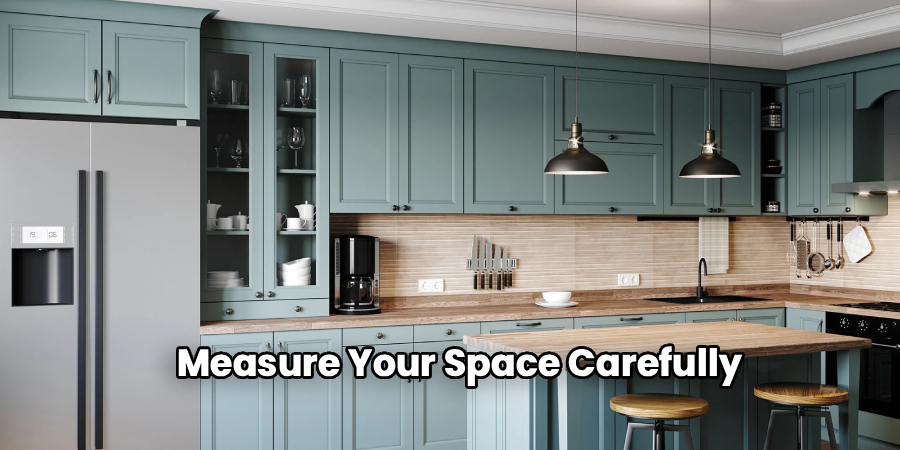
Now for the fun part: looks. Your appliances should feel like a set, not a random mix. Stainless steel stays a timeless favorite, hiding well in most kitchens. Matte black and slate offer a modern, fingerprint-resistant alternative.
Pick one finish and carry it across every appliance for a polished, intentional look. Mismatched metals can make even an expensive kitchen feel thrown together.
Hold a sample against your cabinets and countertops if you can. Lighting changes how a finish reads, so check it in your actual space when possible.
Handles, knobs, and door styles matter too. Run your fingers across them and imagine using them daily. Comfort and beauty together create a kitchen you’ll love walking into every morning.
Critical Mistakes When Choosing Appliances For A New Kitchen
The most common slip-up? Skipping measurements. Folks fall for a gorgeous range online, only to find it blocks a drawer or won’t fit the opening at all. Always measure cabinet depth, standard width, and countertop clearance before you buy anything. Numbers beat guesswork every time.
Another frequent error is ignoring installation requirements. That stunning gas range needs a gas line. That induction cooktop needs the right electrical setup. Discovering this after delivery means delays, extra costs, and frustration. Check your hookups early and budget for any upgrades.
Many people also forget about energy efficiency. A cheaper appliance can quietly cost more over its lifetime through higher bills. Reading the energy label saves real money down the road.
Buying for looks alone trips up plenty of beginners too. A beautiful fridge with too little refrigerator capacity or a noisy dishwasher with a high noise level will annoy you daily, no matter how pretty it appears.
Finally, don’t overlook ventilation. Skipping a proper hood leaves grease on your cabinets and lingering smells in your home. Plan it in from the start, not as a rushed afterthought.
Expert Tips
Want to shop like a pro? Buy your appliances during major sale events like holiday weekends or end-of-year clearances, when retailers slash prices on last season’s models.
Always measure your doorways and hallways, not just the appliance spot. A fridge that fits the kitchen but won’t pass through your front door helps no one.
Keep your kitchen layout balanced by leaving enough countertop clearance beside the stove and fridge for landing space. You’ll thank yourself while juggling hot pans and grocery bags.
Read real owner reviews, not just the glossy product page. Everyday users reveal quirks about noise, durability, and quirks the brochure skips.
Finally, save all your manuals and warranty cards in one folder. When something needs a quick DIY fix later, you’ll have the info right at your fingertips.
Frequently Asked Questions
What Appliances Do I Need First in a New Kitchen?
Start with the essentials that anchor your daily routine. Most kitchens need these core pieces before anything else:
- A refrigerator sized to your household
- A range or cooktop with an oven
- A dishwasher to save time
- A range hood for proper ventilation
Once these are in place, you can add extras like a microwave, wine fridge, or built-in coffee maker based on your space and budget.
Should I Buy an Appliance Package or Separate Pieces?
It depends on your goals. An appliance package bundles matching pieces at a lower combined price and guarantees a consistent finish, which looks clean and cohesive. Buying separately gives you freedom to pick the best model in each category, even across brands. If budget and matching looks matter most, go with a package. If performance in one area is your priority, mix and match instead.
How Do I Know If an Appliance Will Fit?
Measure first, always. Check the width, height, and depth of each opening, then compare those numbers to the appliance specs. Don’t forget cabinet depth and countertop clearance, plus a little wiggle room for airflow and door swing. Also measure your doorways and hallways so delivery goes smoothly. When in doubt, write your measurements down and bring them to the store with you.
Is an Induction Cooktop Worth It?
For many cooks, yes. An induction cooktop heats incredibly fast, offers precise temperature control, and stays cool around the pan, which makes cleanup a breeze. It’s also very energy efficient. The catch? You’ll need magnetic cookware, since cast iron and most stainless steel work but aluminum and copper don’t. If you cook often and value speed and safety, it’s a strong choice.
How Important Is Energy Efficiency?
Very important, both for your wallet and the planet. Energy-efficient appliances use less electricity and water, trimming your monthly bills over the appliance’s whole life. Look for the official energy rating label when comparing models. A refrigerator and dishwasher run constantly, so their efficiency adds up fast. Spending slightly more upfront on a high-rated model usually pays you back within a few years.
Conclusion
Outfitting a fresh kitchen feels like a big task, but you’ve now got a clear roadmap to follow. Start by measuring every space carefully, then map your workflow so the sink, stove, and fridge sit within easy reach. Set a realistic budget, and remember that an appliance package can stretch your dollars while keeping finishes consistent.
From there, pick cooking appliances that match how you really cook, choose a fridge with the right capacity, and don’t skimp on a quiet dishwasher or solid ventilation. Tie it all together with finishes you love.
Knowing how to choose appliances for your new kitchen isn’t about chasing the flashiest models. It’s about smart, practical decisions that fit your space, your habits, and your life. Avoid the common traps, lean on the expert tips, and double-check your measurements before every purchase.
So grab that tape measure, sketch your layout, and start planning with confidence. Your dream kitchen is closer than you think, and you’ve got everything you need to build it right.

About
Nick Hall has spent the last seven years working at the intersection of kitchen design and home repair — first as a design assistant at a residential renovation studio, then as a freelance writer covering everything from cabinet layouts to leaky faucet fixes.
Her approach is simple: kitchens should look good and function well. That means she’s just as comfortable talking about color palettes and counter materials as she is walking readers through how to fix a wobbly cabinet hinge or troubleshoot a garbage disposal.
Nick has worked directly with homeowners on small-space kitchen makeovers, budget-conscious renovations, and the kind of everyday repairs that don’t need a contractor — just the right instructions. She writes from experience, not theory, and tests most of the fixes and tips she shares before publishing them.
When she’s not writing, Nick is usually hunting for mid-century kitchen finds at estate sales or helping friends plan their own renovations. She lives in Columbus, Ohio.