
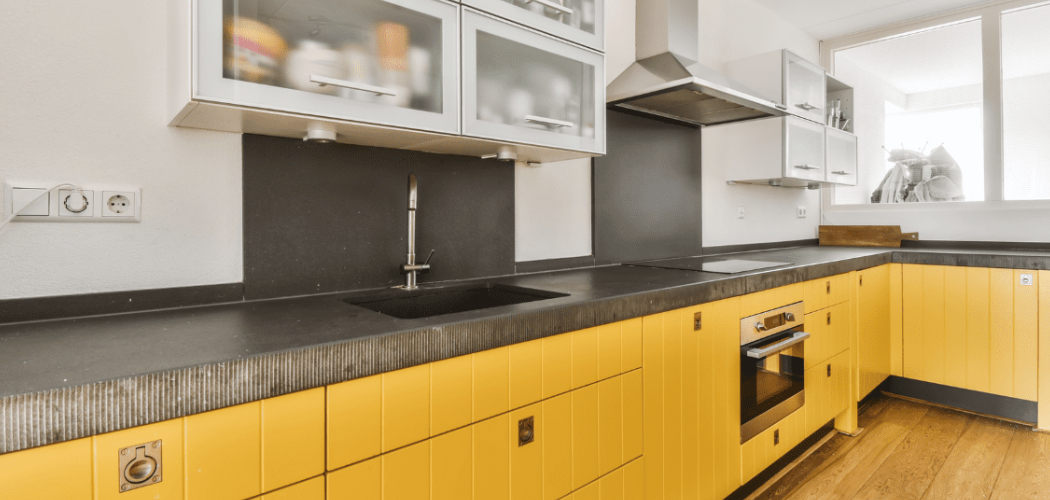
Laminate cabinets are popular for a reason. They look clean, resist stains well, and cost less than many wood options. Still, they can collect grease, fingerprints, food splatter, and dust faster than you might expect, especially around handles, stove-side doors, and lower cabinets. If you are learning how to clean laminate kitchen cabinets, the good news is that the job is simple when you use the right method.
You do not need harsh chemicals or expensive products. A gentle cleaner, a soft cloth, and a little patience can bring back a smooth, fresh finish without damaging the surface. This guide will show you the safest, easiest way to clean, protect, and maintain your laminate cabinets.

Why Knowing How to Maintain Your Cabinets Matters
Kitchen cabinets take daily wear. Steam, oil, crumbs, sticky hands, and cooking residue all settle on the surface over time. Laminate is durable, but it still needs regular care to stay bright and smooth. When dirt sits too long, it can leave behind a dull film that makes even a clean kitchen look tired.
Knowing how to maintain your cabinets also helps you avoid damage. Many beginners use rough scrubbers, too much water, or strong sprays that can wear down the finish or seep into seams. A gentle routine keeps doors, drawer fronts, and edges in better shape for longer.
Good cabinet care also saves time. When you wipe up messes often and clean the right way, deep cleaning becomes easier and faster. Your kitchen feels fresher, and your cabinets keep their neat, polished look.
Tools and Materials You’ll Need
Before you start, gather a few simple items. Most are already in your kitchen or cleaning closet.
- Microfiber cloths for dusting, washing, and drying
- A soft sponge or non-abrasive cleaning pad
- Mild dish soap
- Warm water
- A small bowl or bucket for mixing cleaning solution
- White vinegar for cutting light grease and residue
- A spray bottle for easy application
- An old soft-bristled toothbrush for corners and hardware areas
- Dry towel for buffing and removing moisture
- Optional: cabinet-safe degreaser for heavy buildup near the stove
Choose soft, gentle tools only. Laminate can scratch if you use steel wool, rough scouring pads, or stiff brushes. It is also smart to test any cleaner on a hidden area before using it across all cabinet surfaces.
Step-by-Step Guide on How to Clean Laminate Kitchen Cabinets
Step 1 – Remove Surface Dust and Loose Debris
Start with dry cleaning before you add any moisture. Use a clean microfiber cloth to wipe cabinet doors, drawer fronts, side panels, and exposed shelves. Dust often gathers along the top edges, near trim, and around hinges. If you skip this part, loose grit can turn into a muddy film once you start washing.
Move your cloth in smooth, gentle strokes. Pay close attention to grooves, corners, and the area around handles where crumbs and fine dust collect. Open the cabinet doors and wipe the inside edges too.
This first pass may seem simple, but it sets up the rest of the job. A dust-free surface is easier to wash and less likely to get scratched during cleaning.
Step 2 – Mix a Gentle Cleaning Solution
Fill a bowl or small bucket with warm water and add a few drops of mild dish soap. You want the mixture lightly sudsy, not thick or slippery. Too much soap can leave a residue that dulls the laminate and attracts more grime later.
If your cabinets have light grease buildup, add a small splash of white vinegar to the mix. This helps cut through cooking film without being too harsh. Keep the balance gentle, because laminate surfaces respond best to mild cleaning.
When people first learn how to clean laminate kitchen cabinets, they often assume stronger products work better. In most cases, the opposite is true. A soft solution protects the finish while still lifting everyday mess.
Step 3 – Wipe One Small Section at a Time
Dip a soft cloth or sponge into the cleaning solution, then wring it out well. The cloth should feel damp, not wet. Too much water can seep into cabinet seams, corners, or edges and cause the laminate to loosen over time.
Work on one small section at a time. Wipe from top to bottom so drips do not run onto areas you already cleaned. Use light pressure and slow strokes to loosen grease, fingerprints, and food splashes.
You may notice that areas near the stove feel slightly tacky, while cabinet fronts near the sink can have a cloudy film from soap or water spots. Treat each section with patience instead of scrubbing hard. A steady, gentle wipe is usually enough to lift the dirt without harming the surface.
Step 4 – Focus on Handles, Edges, and High-Touch Areas
Cabinet pulls, knobs, edges, and the spots around them collect the most oils from hands. These areas often feel sticky even when the rest of the cabinet looks clean. Use your damp cloth to go over them twice if needed.
For tight corners or decorative seams, use a soft toothbrush dipped in the cleaning solution. Brush lightly around hardware bases and along narrow grooves where grime hides. Avoid soaking the brush. You want controlled cleaning, not dripping moisture.
This is the part of the job where your cabinets begin to look noticeably better. The dull, greasy feel starts to fade, and the finish looks more even. High-touch spots respond well to detail work, and a little extra attention here makes the whole kitchen feel cleaner.

Step 5 – Treat Grease Spots and Stubborn Buildup Carefully
Some laminate cabinets, especially those close to the cooktop, develop a heavier layer of grease. If a damp cloth does not remove it, apply a bit of vinegar-water mix or a cabinet-safe degreaser to the cloth, not directly onto the cabinet. Let it sit on the greasy patch for a minute to soften the buildup.
Then wipe gently in small circles. You may need a second pass, but stay patient. Strong scrubbing can leave the finish looking worn or uneven. If the spot still resists, repeat with a fresh cloth rather than using more force.
As you practice how to clean laminate kitchen cabinets, you will learn that time and technique matter more than pressure. Let the cleaner do the work while you keep your touch light.
Step 6 – Rinse Away Residue
Once you have cleaned each section, go back with a second cloth dampened with plain water. Wring it out well first. This step removes leftover soap, vinegar, and loosened grime that can otherwise dry into a haze.
Wipe carefully over every area you washed, again working from top to bottom. Pay extra attention to cabinet doors near cooking zones, where cleaner and grease may mix into a thin film. A quick rinse wipe helps the surface feel smooth instead of tacky.
Do not skip this step even if the cabinets look clean already. Laminate tends to show residue in certain light, especially on darker finishes or glossy surfaces. A proper rinse leaves the color clearer and the finish more even.
Step 7 – Dry the Cabinets Right Away
Use a clean, dry microfiber cloth or towel to dry every cabinet surface as soon as you finish rinsing. This protects the laminate and keeps moisture from settling into seams, corners, or edges. Drying also helps prevent streaks, especially on smooth or semi-gloss finishes.
Buff lightly with broad strokes. You do not need to polish hard. Just remove any dampness and leave the surface clean and soft to the touch. Open the cabinet doors for a few minutes if the room feels humid, so hidden edges can air out too.
This step gives your cabinets that crisp, finished look. Instead of a washed but patchy surface, you get a fresh, dry finish that feels clean the moment you run your hand across it.
Step 8 – Build a Simple Maintenance Routine
The best way to keep laminate cabinets looking good is to clean small messes before they turn into stubborn buildup. Wipe spills, grease splatter, and fingerprints as they happen when possible. A quick pass with a damp microfiber cloth once or twice a week can make a huge difference.
For deeper cleaning, aim for a full cabinet wipe-down every few weeks, or more often if you cook daily. Focus on areas near the stove, trash pullout, and sink, since these spots get dirty fastest. Seasonal deep cleaning also helps you catch sticky corners and forgotten edges.
A simple routine protects the finish and saves effort. Instead of facing layers of grease later, you keep your cabinets in steady, easy-to-manage condition all year.

Common Mistakes
One common mistake is using harsh cleaners like bleach, ammonia-heavy sprays, or abrasive powders. These can strip the finish, fade the color, or leave the surface looking dull. Laminate does best with mild soap, gentle degreasers, and soft cloths.
Another mistake is using too much water. Many people soak their sponge and wipe cabinets until moisture runs into the joints. Laminate may resist stains, but excess water can damage seams, edges, and the material underneath. Always use a damp cloth, not a dripping one, and dry the area right away.
Scrubbing with rough tools is another problem. Steel wool, stiff brushes, and rough scouring pads may remove grime fast, but they can also scratch the cabinet face. Even small scratches can change how light hits the surface and make the cabinets look older than they are.
Many beginners also spray cleaner directly onto the cabinet. This seems faster, but it can lead to drips around hardware and edges. It is safer to apply cleaner to your cloth first.
The last mistake is waiting too long between cleanings. Grease and dust build slowly, so it is easy to miss. Regular light cleaning is far easier than trying to remove months of sticky residue in one session.
Expert Tips
If you want your cabinets to stay cleaner longer, focus on prevention as much as cleaning. Turn on your range hood while cooking to reduce grease settling on nearby cabinet doors. Wipe cabinet pulls often, since oils from hands collect there first.
Use separate cloths for washing, rinsing, and drying. This simple habit gives better results and prevents you from spreading grease back onto the surface. If your laminate has a textured finish, wipe with the grain or pattern whenever possible so you can lift dirt from the grooves more effectively.
It also helps to clean in daylight or with bright overhead lighting. Laminate can hide smudges until light hits it from the side. Better visibility helps you catch haze, streaks, and sticky spots before you finish.
Frequently Asked Questions
Can I use vinegar on laminate kitchen cabinets?
Yes, but use it in small amounts and dilute it with water. Vinegar can help cut light grease and remove film, especially on cabinet fronts near the stove. Do not use it full strength or too often, because repeated heavy use may be too harsh for some finishes. Always test a hidden spot first.
What is the best cleaner for greasy laminate cabinets?
A mix of warm water and mild dish soap is usually the best place to start. It is gentle, easy to use, and effective for everyday grease. For heavier buildup, a cabinet-safe degreaser or a little diluted vinegar can help. The key is to use soft cloths and avoid harsh scrubbing.
Can I use Magic Eraser on laminate cabinets?
Use caution. A Magic Eraser can act like a very fine abrasive, which may dull or scratch some laminate finishes. If you choose to use one, test it in a hidden area first and rub very lightly. For most cleaning jobs, a microfiber cloth and mild soap are safer and still work well.
How often should I clean laminate kitchen cabinets?
Light cleaning once a week works well for most kitchens. If you cook often, wipe down cabinet fronts near the stove and sink more frequently. A deeper clean every few weeks helps remove hidden grease, fingerprints, and residue before they build up. Regular care keeps the cabinets looking fresh with less effort.
How do I remove sticky residue from cabinet doors?
Start with a damp microfiber cloth and mild dish soap. If the residue remains, try a cloth lightly dampened with diluted vinegar or a cabinet-safe degreaser. Let it sit on the sticky area briefly, then wipe gently. Rinse with plain water and dry the surface right away so no cleaner is left behind.
Conclusion
Clean laminate cabinets do more than improve the look of your kitchen. They make the whole space feel brighter, fresher, and easier to enjoy every day. The key is to stay gentle, work in small sections, and avoid the harsh tools and cleaners that can damage the finish. With mild soap, soft cloths, careful rinsing, and quick drying, you can handle everyday dirt and grease without trouble.
The process becomes easier each time you do it. Once you know where grease hides and which areas need extra attention, you can clean faster and get better results. Small, regular wipe-downs also help you avoid heavy buildup, which means less work later.
If you have been unsure about how to clean laminate kitchen cabinets, start simple and trust the method. With the right routine, your cabinets can keep their smooth finish and tidy look for years.

About
Nick Hall has spent the last seven years working at the intersection of kitchen design and home repair — first as a design assistant at a residential renovation studio, then as a freelance writer covering everything from cabinet layouts to leaky faucet fixes.
Her approach is simple: kitchens should look good and function well. That means she’s just as comfortable talking about color palettes and counter materials as she is walking readers through how to fix a wobbly cabinet hinge or troubleshoot a garbage disposal.
Nick has worked directly with homeowners on small-space kitchen makeovers, budget-conscious renovations, and the kind of everyday repairs that don’t need a contractor — just the right instructions. She writes from experience, not theory, and tests most of the fixes and tips she shares before publishing them.
When she’s not writing, Nick is usually hunting for mid-century kitchen finds at estate sales or helping friends plan their own renovations. She lives in Columbus, Ohio.