
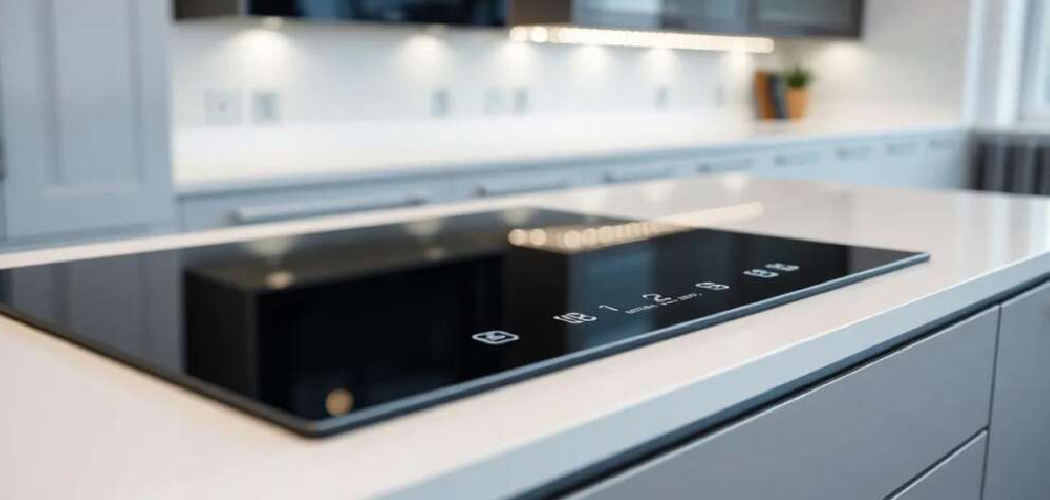
A Jenn Air oven can look simple at first, but the control panel, touchscreen display, timer settings, and safety features can confuse a first-time user. You may press a button and still hear the cooling fan, see a hot surface warning, or notice display icons that make it seem like the oven is still cooking.
If you are learning how to turn off jenn air oven, the main thing is to know the difference between stopping a cooking cycle and waiting for the appliance to cool down.
This matters because ovens hold heat long after the bake or broil cycle ends. This guide explains how to safely stop cooking, confirm the oven is off, and handle common control issues with confidence.
Why Learning to Turn Off a Jenn Air Oven Matters
Knowing how to turn off a Jenn Air oven helps you cook more safely, protect your food, and avoid unnecessary stress. It also prevents confusion when the timer beeps, the oven light stays on, or the cooling fan keeps running after cooking ends.
This skill is useful for campers and outdoor beginners who use RV kitchens, cabins, travel trailers, or compact cooking spaces. Smaller spaces heat up fast, and an oven left running can make the area uncomfortable or unsafe. Some Jenn Air ranges and wall ovens also have advanced model settings, lock modes, and touch controls. When you understand the basics, you can manage meals, save power, and respond calmly if the display shows a warning or error code.
Tools and Materials You’ll Need
You usually do not need tools to turn off a Jenn Air oven, but a few simple items can help you stay safe and understand what the appliance is doing. Keep your hands away from hot racks, heating elements, and the inner door surface while you check the controls.
- Jenn Air appliance manual or model number reference
- Dry hands for using the touchscreen or control panel
- Oven mitts if you need to remove food or racks
- Flashlight if the kitchen lighting is dim
- Timer or phone clock to track cooling time
- Optional: phone camera to record display icons or error codes
Avoid unplugging the oven or switching off the breaker unless you need to handle a serious control issue or safety concern.
Step-by-Step Guide on How to Turn Off Jenn Air Oven
Step 1 – Identify Whether the Oven Is Actively Running
Start by looking and listening. A running oven may show a bake cycle, broil cycle, temperature setting, or heating icon on the control panel. You may also hear a soft hum from the fan or notice warm air moving from the vent.
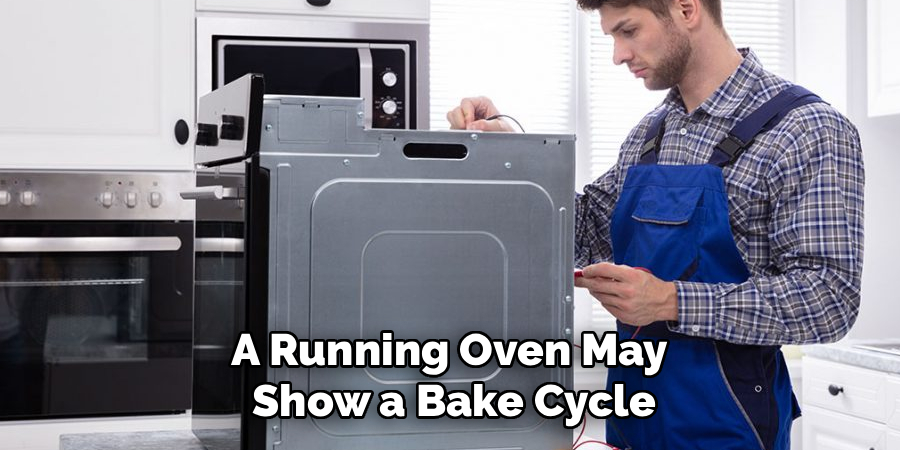
Stand close enough to read the display, but do not touch the oven door glass or racks. The surface may still feel hot, even if the screen looks calm. If food is inside, use oven mitts before opening the door.
Before pressing anything, decide whether the oven is cooking, cooling, timed, or locked. This first check helps you avoid stopping the wrong setting or confusing a timer with active heat.
Step 2 – Check the Display for Cooking or Timer Activity
Read the touchscreen display or button panel carefully. Look for words like Bake, Broil, Convect, Timer, Cook Time, Self Clean, Delay Start, or Warm. These labels tell you what the oven is doing.
A timer alone does not always mean the heating elements are on. Many Jenn Air ovens let you run a kitchen timer while the oven is off. If only the timer is active, pressing cancel on the timer may silence the alert but not change an oven cycle.
This is where many beginners get confused. When learning how to turn off jenn air oven, focus on the active cooking function first, then handle the timer or alerts after the heat stops.
Step 3 – Press the Correct Cancel or Off Control
Find the Cancel, Off, or Cancel/Off control. On some Jenn Air models, this is a physical button. On others, it appears on the touchscreen display. Press it once with a dry finger and wait a moment for the screen to respond.
Do not press many buttons at once. Touch controls may lag for a second, especially if your hands are damp or the panel is warm. A clear press works better than quick tapping.
If you have a double wall oven, check whether the upper or lower oven is selected. You may need to cancel the correct cavity. After you press the control, the active bake or broil setting should disappear from the display.
Step 4 – Wait for the Cooling Fan to Finish
After the cooking cycle ends, you may still hear a fan. This does not always mean the oven is still on. Jenn Air ovens often use a cooling fan to protect the control panel, wiring, and nearby cabinets from heat.
The fan may run for several minutes. Warm air may come from the vent, and the oven may make a quiet blowing sound. Let it finish unless you smell smoke, see sparks, or notice a serious error message.
This waiting period can feel strange to a new user. In most cases, it is normal. The oven has stopped cooking, but it is still moving heat out of the appliance.
Step 5 – Confirm the Heating Elements Are No Longer Active
Look through the oven window if your model has one. During broiling, the upper element may glow red while active. During baking, the lower element may not be visible, but the display should no longer show a cooking mode.
Do not place your hand inside to “test” the heat. Residual heat can burn skin fast, and racks may stay hot long after the cycle stops. Instead, rely on the display, control response, and the absence of active cooking icons.
If you opened the door, close it gently after checking. Leaving it open can release a blast of hot air into a small kitchen, RV, or cabin space.
Step 6 – Understand Residual Heat Warnings
Many Jenn Air ovens show a hot surface or residual heat warning after the oven is turned off. This warning means the oven cavity, racks, door glass, or surrounding trim may still be hot enough to burn you.
Give the appliance time to cool before cleaning, touching the racks, or covering nearby surfaces. You may notice a warm metal smell or feel heat rising from the vent. That is normal after high-temperature cooking.
If you are learning how to turn off jenn air oven, remember that “off” does not mean “cool.” Treat the oven as hot until warnings disappear and the interior feels safe from a distance.
Step 7 – Handle Control Lock or Touchscreen Issues
If the oven does not respond, check for control lock. A lock icon, “Control Locked,” or similar message may appear on the display. This feature prevents accidental button presses and is common on modern wall ovens and ranges.
To unlock it, many models require you to press and hold a specific button for several seconds. The exact control can vary, so check the appliance manual if the label is not clear. Do not force the touchscreen or press hard on the glass.
If the screen is frozen, wait a minute and try again with dry hands. Grease, moisture, or steam can affect touch response. Wipe the control area gently if it is safe to do so.
Step 8 – Cut Power Only as a Last Resort
If the oven will not turn off through the control panel, and it appears to keep heating, you may need to cut power. For a wall oven or hardwired range, this usually means switching off the correct breaker. For a plug-in range, you may unplug it only if the outlet is safe and easy to reach.
Use this as a last resort, not your first step. Power interruption can affect model settings, clock functions, or error code records. It may also interrupt special cycles in a way the manual warns against.
Be extra careful with a self-clean cycle. High heat, locked doors, and safety programming make this cycle different from normal cooking. Check the manual before interrupting it unless there is an urgent safety problem.
Common Mistakes When Turning Off a Jenn Air Oven
One common mistake is thinking the timer turns the oven off. A timer may beep when cooking time ends, but some settings keep the oven running unless you press Cancel or Off. Always check the cooking mode on the display, not just the timer sound.
Another mistake is assuming the cooling fan means the oven is still heating. The fan can keep running after the bake cycle or broil cycle stops. This is usually a normal cooling process, not a sign that the oven failed to shut down.
Some beginners press random buttons when the touchscreen does not respond right away. This can start another setting, change the temperature, or activate lock mode. Press the correct control once, wait, and read the display before trying again.
A fourth mistake is cutting power too quickly. Switching off the breaker can help in rare cases, but it should not replace normal shutdown steps. It may reset the clock, clear settings, or complicate troubleshooting if an error code appeared.
Finally, many people touch racks or the oven interior too soon. Residual heat can cause burns even after the display says the cycle has ended.
Expert Tips
Learn the layout of your specific Jenn Air control panel before you cook. Find the Cancel, Off, Timer, Oven Light, and Control Lock buttons when the appliance is cool. That simple habit makes shutdown easier when food is hot and the kitchen feels busy.
If your model has a touchscreen display, keep the panel clean and dry. Steam, oil, and wet fingers can cause poor response. Use gentle pressure, not force.
For RVs, cabins, and outdoor kitchens, pay attention to power supply. Low voltage, generator changes, or a brief power interruption can affect electronic controls. If the oven behaves oddly after a trip or outage, check the manual, reset the clock, and watch for stored error codes.
Frequently Asked Questions
Why Is My Jenn Air Oven Fan Still Running After I Turn It Off?
The fan often keeps running to cool the oven, control panel, and nearby parts. This is normal after baking, broiling, or roasting. It may continue for several minutes, especially after high-heat cooking. If the display no longer shows an active cooking cycle and no element is glowing, the oven is likely cooling, not cooking.
Does the Timer Turn Off a Jenn Air Oven Automatically?
Not always. A basic kitchen timer only counts time and sounds an alert. It may not stop the heating cycle. Some models have Cook Time or timed cooking settings that can shut off automatically, but you must set them correctly. Check the display for an active bake, broil, or warm mode before walking away.
What Should I Do If the Cancel Button Does Not Work?
First, make sure control lock is not active. Look for a lock icon or message on the display. Then wipe the control panel if it is damp or greasy and try again with a dry finger. If the oven keeps heating and will not respond, turn off power at the breaker and contact service if needed.
Can I Open the Door to Help the Oven Cool Faster?
You can open the door after cooking, but do it carefully. Hot air can rush out and burn your face, hands, or arms. In a small camper or cabin, it can also heat the room quickly. If you open the door, stand to the side, use oven mitts, and keep children or pets away.
Is It Safe to Stop a Self-Clean Cycle Early?
Stopping a self-clean cycle can be different from stopping a normal bake cycle. The oven reaches very high temperatures, and the door may stay locked until it cools. If you need to stop it, follow the manual for your exact model. Do not force the door open, and do not cut power unless there is a safety concern.
Conclusion
Turning off a Jenn Air oven is simple once you know what the controls are telling you. Start by checking whether the oven is actively cooking, then read the display for bake, broil, timer, self-clean, or lock mode. Press the correct Cancel or Off control, wait for the fan if it needs to cool the oven, and treat the inside as hot until residual heat warnings clear.
When you understand how to turn off jenn air oven, you can cook with more confidence in a home kitchen, RV, cabin, or outdoor setup. You will know when the appliance is truly off, when it is only cooling, and when a control lock or display issue needs attention.
Move slowly, use oven mitts around hot surfaces, and keep your manual nearby for model-specific settings. With a calm approach, this basic appliance skill becomes easy, safe, and reliable.

About
Nick Hall has spent the last seven years working at the intersection of kitchen design and home repair — first as a design assistant at a residential renovation studio, then as a freelance writer covering everything from cabinet layouts to leaky faucet fixes.
Her approach is simple: kitchens should look good and function well. That means she’s just as comfortable talking about color palettes and counter materials as she is walking readers through how to fix a wobbly cabinet hinge or troubleshoot a garbage disposal.
Nick has worked directly with homeowners on small-space kitchen makeovers, budget-conscious renovations, and the kind of everyday repairs that don’t need a contractor — just the right instructions. She writes from experience, not theory, and tests most of the fixes and tips she shares before publishing them.
When she’s not writing, Nick is usually hunting for mid-century kitchen finds at estate sales or helping friends plan their own renovations. She lives in Columbus, Ohio.