
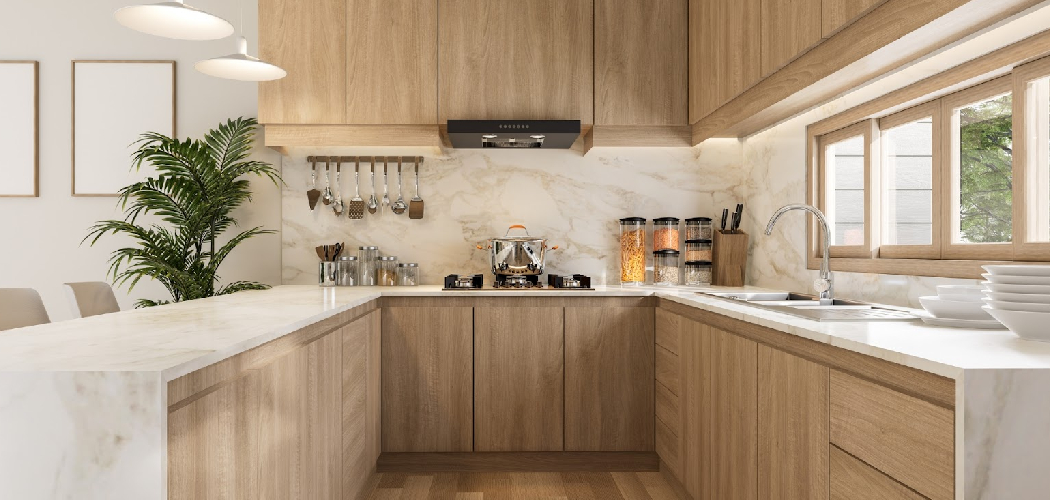

A small kitchen can feel tight, crowded, and hard to enjoy, especially when every cabinet, counter, and corner has to work hard. The good news is that you do not need a full remodel to create a room that feels brighter, cleaner, and more open. Simple choices in color, lighting, storage, and layout can change how your kitchen looks and how it feels to use.
If you want to learn how to make a kitchen look bigger, start by thinking about visual space, not just square footage. The eye responds to light, clear surfaces, long sightlines, and balanced scale.
This guide explains practical, beginner-friendly ways to make a small kitchen feel more open, organized, and comfortable.
Why Making a Kitchen Look Bigger Matters
Making a kitchen feel larger helps you enjoy the space you already have. This skill matters for homeowners planning budget updates, renters who cannot make major changes, apartment dwellers with compact layouts, and anyone working with a narrow galley kitchen or tiny cooking area.
A kitchen that looks bigger often works better, too. When counters stay clear, storage has a purpose, and light reaches more surfaces, daily tasks feel less stressful. You can prep food, unload groceries, cook dinner, and clean up without feeling boxed in.
Small kitchen ideas are not only about style. They help you improve flow, reduce clutter, and create a calm room where every inch feels intentional.
Tools and Materials You’ll Need
You can start with simple tools and affordable updates before buying anything major. Focus on items that improve light, storage, and surface clarity.
- Measuring tape for checking cabinet, shelf, and walkway dimensions
- Painter’s tape for testing layouts, shelf placement, and sightlines
- Light paint samples for walls, trim, or cabinet color changes
- Microfiber cloths and cleaning supplies for deep decluttering
- Under-cabinet lights, LED bulbs, or plug-in light strips
- Clear bins, drawer dividers, and shelf risers for better storage
- Slim organizers for vertical storage inside cabinets or on walls
- Reflective accents such as glass jars, glossy tile, or metal hardware
- Simple countertop tray for controlled styling
- Optional convenience item: a room-planning app to preview colors and furniture scale
Step-by-Step Guide on How to Make a Kitchen Look Bigger
Step 1 – Clear the Counters First

The first rule of how to make a kitchen look bigger is to remove visual noise from the counters. Small appliances, mail, spice jars, utensils, and random containers can make even a clean kitchen feel crowded. Start by taking everything off the countertop and wiping the surface until it looks fresh and open.
Then put back only what you use every day. A coffee maker may earn a place on the counter, but a bulky mixer used twice a month can go in a cabinet or pantry. Keep one small tray for oil, salt, or a utensil crock if you cook often.
When your counters look calm, the whole room feels wider. You notice the backsplash, the natural light, and the shape of the kitchen instead of the clutter.
Step 2 – Use Light Colors Strategically
Light colors help a small kitchen feel airy because they reflect more light around the room. White, soft cream, pale gray, warm beige, and gentle greige can make walls and cabinets seem to recede. This creates the feeling of more visual space without changing the layout.
You do not have to paint everything white. A light cabinet color paired with a simple backsplash can brighten the room while still feeling warm. If you love color, use it in small accents like towels, art, or a bowl of fruit.
Pay attention to undertones. Cool white can feel crisp, while warm white feels softer. Test samples in morning and evening light before you commit, because kitchen lighting can change how paint looks.
Step 3 – Improve Kitchen Lighting
Good kitchen lighting can make a compact room feel open and practical. A single ceiling light often creates shadows, especially under upper cabinets. Those dark corners make the kitchen feel smaller than it is.
Add layers of light where you need them most. Under-cabinet lights brighten the countertop and backsplash, while a slim ceiling fixture spreads light across the room. If you have a window, keep the area around it open so natural light can travel farther.
Choose bulbs with a clean, warm tone that makes food and finishes look pleasant. Harsh blue light can feel cold, while dim yellow light can make the space look dated. Bright, even lighting helps surfaces appear cleaner and sightlines feel longer.
Step 4 – Choose Reflective Surfaces
Reflective surfaces bounce light and add depth, which helps a small kitchen feel less closed in. You can use glossy backsplash tile, polished hardware, glass cabinet doors, stainless steel appliances, or a satin finish on painted cabinets. These details catch light as you move through the room.
A mirrored backsplash may be too bold for some homes, but small touches can still work well. Glass jars on open shelving, shiny drawer pulls, and a light-reflecting tile behind the sink can brighten the space without overwhelming it.

Balance matters. Too many glossy surfaces can feel busy, especially in a tiny kitchen. Mix reflective finishes with simple matte textures so the room feels open, not flashy.
Step 5 – Make Cabinets Feel Lighter
Cabinets take up a lot of visual space, so their color, shape, and hardware matter. A dark cabinet color can look beautiful, but in a small kitchen it may make the walls feel closer. If your cabinets feel heavy, consider painting them a lighter shade or changing the hardware to something slimmer.
A smart cabinet update is central to how to make a kitchen look bigger because your eye reads cabinets as large blocks. Light doors, simple pulls, and clean lines reduce visual weight. If painting is not possible, try removing bulky decor from cabinet tops or using peel-and-stick panels for a renter-friendly refresh.
You can also replace a few solid doors with glass fronts. This creates depth and breaks up a wall of cabinetry.
Step 6 – Use Open Shelving with Care
Open shelving can make a kitchen feel wider because it removes the heavy look of upper cabinets. It also creates longer sightlines along the wall. But it only works well when you keep the shelves simple, useful, and uncluttered.
Use open shelves for items that look good together, such as white dishes, clear glasses, wood bowls, or matching jars. Avoid filling them with every mug, gadget, and container you own. Too many small items create visual clutter and make the wall feel messy.
If you rent or do not want to remove cabinets, try one small shelf near a window or above a coffee area. Even a short shelf can add openness when styled with restraint.
Step 7 – Build Storage Upward
Vertical storage helps you use empty wall space and free up counters. In a small kitchen, every surface matters. Wall rails, magnetic knife strips, tall pantry organizers, and stacked shelf risers can create room without crowding the floor.
Look for unused areas above the sink, beside the refrigerator, on the inside of cabinet doors, or near the end of a cabinet run. A narrow vertical organizer can hold cutting boards, baking sheets, or lids. These items often waste space when stacked flat.
Keep vertical storage neat and consistent. When tools hang in a clear pattern, the kitchen feels organized. When they hang randomly, the room can feel busy. Aim for function with clean lines.
Step 8 – Control Scale and Sightlines
Scale affects how large or small your kitchen feels. Oversized stools, bulky pendant lights, thick rugs, and large decor can crowd a compact layout. Choose slim furniture, simple lighting, and right-sized accessories that leave breathing room.
Sightlines matter just as much. If your eye can travel across the room without stopping at clutter, dark blocks, or awkward furniture, the kitchen feels more open. Keep windows clear, avoid tall items on counters, and use low-profile decor.
Think of the kitchen as a path. You should be able to walk, turn, open drawers, and reach appliances without bumping into things. When movement feels easy, the room feels bigger, even if the square footage stays the same.
Common Mistakes When Making a Kitchen Look Bigger
One common mistake is adding too many small storage items in plain view. Baskets, hooks, jars, and shelves can help, but too many of them create a busy look. The goal is not to display everything you own. The goal is to create clear surfaces and easy access.
Another mistake is using dark colors without enough light. Deep green, navy, charcoal, or black can look elegant, but they need strong lighting and careful balance. In a small kitchen with limited natural light, dark finishes can make the room feel tight unless you pair them with bright counters, reflective surfaces, and open sightlines.
Many beginners also choose decor that is too large for the layout. A big island, wide stools, heavy pendant lights, or thick window treatments can shrink the room visually. Scale should match the kitchen, not compete with it.
A final mistake is ignoring function. A kitchen that looks open but lacks storage will not stay clean for long. Make sure every design choice supports real cooking, cleaning, and daily use.
Expert Tips
Start with the easiest changes before spending money. Decluttering, cleaning, changing light bulbs, and rearranging countertop items can make a small kitchen feel better in one afternoon. After that, consider paint, lighting, hardware, or shelving.
Use repetition to calm the eye. Matching containers, consistent cabinet hardware, and a limited color palette make the room feel more unified. This is especially helpful in apartments and older kitchens with mixed finishes.
Think about contrast carefully. A little contrast adds depth, but sharp contrast everywhere can chop the room into pieces. Keep large surfaces light and simple, then add personality through small accents you can change later.
Frequently Asked Questions
What color makes a small kitchen look bigger?
Light colors usually make a small kitchen look bigger because they reflect more light. Soft white, cream, pale gray, warm beige, and light greige are safe choices. You can still use darker accents, but keep them limited. For example, try dark hardware, a small runner, or one feature shelf instead of dark walls and cabinets everywhere.
Do open shelves really make a kitchen feel larger?
Open shelves can make a kitchen feel larger when they replace bulky upper cabinets or break up a heavy wall. They work best when you style them simply with matching dishes, glasses, or jars. If you overload them, they can make the kitchen feel cluttered. Use open shelving only where it improves storage and keeps the wall feeling light.
How can renters make a kitchen look bigger without remodeling?
Renters can focus on temporary, low-risk changes. Clear the counters, add plug-in under-cabinet lights, use removable hooks, organize inside cabinets, and choose a light-colored rug or window treatment. Peel-and-stick backsplash tile can also brighten the space if your lease allows it. Avoid permanent changes unless your landlord gives written approval.
Should small kitchens have dark cabinets?
Small kitchens can have dark cabinets, but the room needs balance. Dark cabinets work best with good lighting, light countertops, pale walls, and simple decor. If the kitchen has little natural light, all-dark cabinets may feel heavy. You can also paint only the lower cabinets dark and keep upper cabinets or walls light.
What is the fastest way to make a kitchen feel more open?
The fastest way is to clear the counters and improve lighting. Remove items you do not use daily, clean the surfaces, and add brighter bulbs or under-cabinet lights. These changes make the room feel cleaner and more spacious right away. If you also keep windows clear, natural light can move through the kitchen more easily.
Conclusion
A small kitchen does not have to feel cramped. With the right mix of light colors, smart storage, clear countertops, balanced scale, and better kitchen lighting, you can create a space that feels open and easy to use. You do not need to knock down walls or buy all new cabinets to see a real difference.
Start with what you can control today. Declutter the counters, improve sightlines, and look for dark corners that need light. Then move to bigger updates like cabinet color, backsplash choices, reflective surfaces, and vertical storage.
When you understand how to make a kitchen look bigger, every choice becomes more intentional. You begin to see the room in terms of light, flow, function, and visual space. With a few thoughtful changes, your kitchen can feel brighter, calmer, and much more welcoming.

About
Nick Hall has spent the last seven years working at the intersection of kitchen design and home repair — first as a design assistant at a residential renovation studio, then as a freelance writer covering everything from cabinet layouts to leaky faucet fixes.
Her approach is simple: kitchens should look good and function well. That means she’s just as comfortable talking about color palettes and counter materials as she is walking readers through how to fix a wobbly cabinet hinge or troubleshoot a garbage disposal.
Nick has worked directly with homeowners on small-space kitchen makeovers, budget-conscious renovations, and the kind of everyday repairs that don’t need a contractor — just the right instructions. She writes from experience, not theory, and tests most of the fixes and tips she shares before publishing them.
When she’s not writing, Nick is usually hunting for mid-century kitchen finds at estate sales or helping friends plan their own renovations. She lives in Columbus, Ohio.