
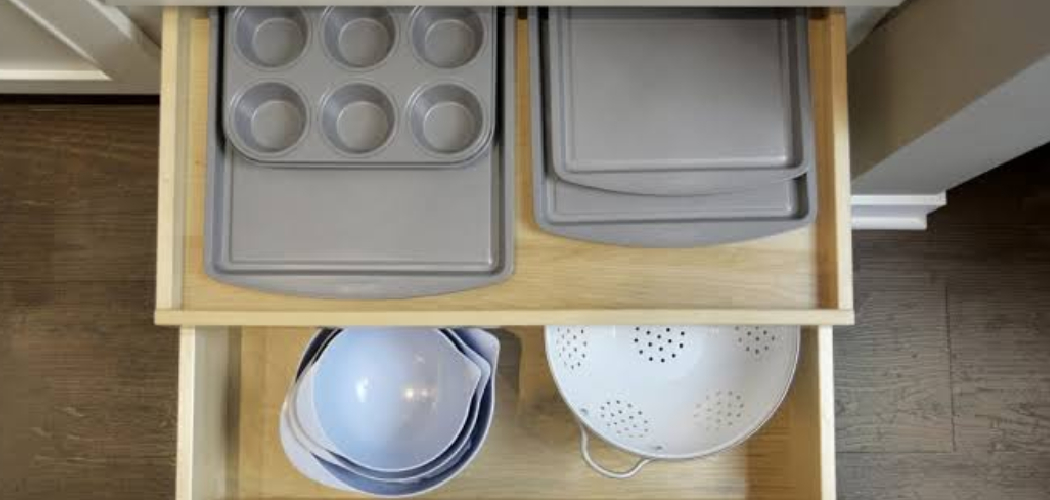

A kitchen corner cabinet can feel like a storage puzzle. It often has deep shelves, awkward angles, and dark back corners where pans, lids, containers, and small appliances seem to disappear. If you are new to kitchen organization, this space can quickly become frustrating because it holds a lot but rarely feels easy to use.
Learning how to organize a kitchen corner cabinet helps you turn that hidden area into practical storage instead of a clutter trap. With the right layout, a few simple organizers, and smart grouping, you can reach what you need without digging through stacks.
This guide shows you how to sort, plan, and arrange your corner cabinet so it works better every day.
Why Organizing a Kitchen Corner Cabinet Matters
A corner cabinet can be one of the most valuable storage areas in your kitchen, especially if you live in an apartment, rental, small home, or older house with limited cabinet space. When it stays messy, you lose usable storage and waste time searching for hard-to-reach items.
Good organization improves accessibility. You can see what you own, reach frequently used items faster, and avoid buying duplicates because something got buried in the back. It also makes cooking feel smoother because your tools and supplies have clear zones.
Whether you have a blind corner cabinet, a lazy Susan, or deep shelves, organizing this space helps your kitchen storage feel more efficient, calm, and beginner-friendly.
Tools and Materials You’ll Need
You do not need expensive products to make a corner cabinet easier to use. Start with simple tools that help you measure, clean, sort, and create better access.
- Measuring tape for checking shelf height, width, and depth
- Flashlight or headlamp for seeing into dark back corners
- Cleaning cloths and mild cleaner for wiping shelves
- Shelf riser for using vertical space
- Storage bins for grouping similar items
- Lazy Susan for round or awkward corner areas
- Pull-out organizer for deep shelves or blind corners
- Labels or painter’s tape for temporary category markers
- Trash bag and donation box for decluttering
- Optional convenience item: battery-powered cabinet light for better visibility
Step-by-Step Guide on How to Organize a Kitchen Corner Cabinet
Step 1 – Empty the Cabinet Completely
The first step in how to organize a kitchen corner cabinet is to remove everything from the space. Pull out pans, lids, mixing bowls, appliances, food containers, cleaning supplies, and anything hiding in the back. Place everything on a counter or table where you can see it clearly.
This may feel messy at first, but it gives you a fresh start. You will likely find crumbs, dust, old packaging, or items you forgot you owned. Once the cabinet is empty, wipe every shelf and corner.
A clean cabinet helps you think clearly. It also shows the true shape, depth, and storage limits of the space.
Step 2 – Sort Items by Use and Category

After everything is out, group similar items together. Put baking supplies in one area, pots and pans in another, food storage containers together, and small appliances in their own group. This simple sorting step reveals what you have too much of and what you use most often.
Pay close attention to duplicates. Three mismatched colanders or eight loose lids may be taking up space without adding value. Keep the items that work well, fit your routine, and feel worth storing.
Sorting also helps you create zones later. A corner cabinet becomes much easier to use when each group has a clear purpose.
Step 3 – Measure the Cabinet Interior
Before buying a lazy Susan, pull-out organizer, shelf riser, or storage bins, measure the inside of the cabinet. Check the width, depth, shelf height, door opening, and any pipes, hinges, or center posts that may block movement.
Corner cabinets can be tricky because the inside space is often larger than the door opening. An organizer may fit inside but fail to slide through the opening. Measure both areas to avoid returns and wasted money.
Use painter’s tape to mark dimensions on your counter if needed. This helps you picture how bins, turntables, or stacked items will fit before you place them inside.
Step 4 – Choose the Best Storage System
The best storage system depends on your cabinet layout. A lazy Susan works well in many corner cabinets because it lets you spin items forward instead of reaching into the back. It is great for oils, spices, baking supplies, jars, and small containers.
A pull-out organizer works better in a blind corner cabinet with deep, hidden space. It brings items toward you, which improves accessibility and reduces the need to crouch or stretch. For simple deep shelves, storage bins with handles can work well.

Think about how the cabinet feels to use. If you hate reaching far back, choose something that moves forward or rotates.
Step 5 – Place Frequently Used Items Up Front
One key part of how to organize a kitchen corner cabinet is deciding what deserves the easiest access. Items you use every day or several times a week should sit near the front, at a comfortable height, or on a rotating organizer.
Heavy cookware, mixing bowls, lunch containers, and everyday baking tools should not be buried behind rarely used appliances. If you have to move five things to reach one item, the setup will not last.
Keep seasonal tools, party platters, and specialty pans farther back or higher up. This keeps the cabinet practical while still making use of deep storage space.
Step 6 – Use Vertical Space Wisely
Deep corner cabinets often waste vertical space. A shelf riser can create a second level for plates, bowls, lids, or small pans. This prevents tall stacks that wobble, scrape, or fall when you pull one item out.
Vertical dividers can also help if you store cutting boards, baking sheets, muffin tins, or serving trays. Instead of stacking them flat, stand them upright so you can slide one out without moving the rest.
Listen to the cabinet as you arrange it. If items clatter, shift, or scrape, they may need better support. A quiet, stable setup usually stays organized longer.
Step 7 – Create Clear Storage Zones
Zones make a corner cabinet easier to understand at a glance. You might use one shelf for cookware, one area for baking supplies, and one bin for food storage lids. Each zone should match how you cook and move through your kitchen.
If the cabinet is near the stove, it may be best for pots, pans, oils, and cooking tools. If it sits near the dishwasher, it may work better for bowls, containers, and serving pieces. Let the cabinet location guide your choices.
Avoid mixing too many categories in one space. Clear zones reduce searching and help everyone in the home put items back correctly.
Step 8 – Test the Layout and Adjust
Once everything is back in the cabinet, test the layout like you are cooking a real meal. Open the door, reach for a pan, pull out a container, spin the lazy Susan, or slide the bin forward. Notice what feels smooth and what feels annoying.
If an item catches on the hinge, sits too far back, or forces you to move other things, adjust it now. Small changes can make the whole cabinet feel easier to use.
Live with the setup for a week before buying more products. Real use will show you what works, what needs labeling, and what still feels crowded.
Common Mistakes When Organizing a Kitchen Corner Cabinet
One common mistake is keeping too many rarely used items in the easiest-to-reach spots. A holiday platter or specialty appliance may be useful, but it should not block everyday cookware. Your best storage space should support your daily routine first.
Another mistake is buying organizers before measuring. Corner cabinets have odd shapes, deep shelves, narrow openings, and hinges that can interfere with pull-out systems. A beautiful organizer will not help if it does not fit or blocks the door from closing.
Many beginners also overfill storage bins. Bins work best when you can pull them out easily and see what is inside. If each bin becomes a packed mystery box, the cabinet will feel just as frustrating as before.
A final mistake is ignoring weight. Heavy pots, cast iron pans, and small appliances need stable lower shelves. Placing them too high or on weak risers can make the cabinet unsafe and harder to use.
Expert Tips
Use the “one move” rule when planning your layout. You should be able to reach most frequently used items with one simple motion, such as spinning a lazy Susan, pulling out one bin, or lifting one lid. If you need several steps, the item probably belongs somewhere else.
Choose clear or open-front storage bins when possible. They help you see contents without guessing. For deep shelves, handles make a big difference because they let you pull the whole group forward.
Keep labels simple. Use broad categories like “baking,” “lids,” “snacks,” or “small appliances.” Overly specific labels can make the system harder to maintain.
Frequently Asked Questions
What should I store in a kitchen corner cabinet?
Store items that fit the cabinet’s depth and your daily routine. Pots, pans, mixing bowls, baking supplies, food storage containers, small appliances, and serving pieces can all work well. Keep frequently used items near the front. Place less-used items toward the back, on higher shelves, or in labeled bins so they stay accessible but out of the way.
Is a lazy Susan good for a corner cabinet?
A lazy Susan is often a great choice because it brings items from the back to the front with a simple turn. It works especially well for oils, spices, jars, baking supplies, snacks, and small containers. Choose one that fits the shelf and spins smoothly when full. Avoid overloading it, or items may tip and block rotation.
How do I organize a blind corner cabinet?
A blind corner cabinet works best with pull-out organizers, sliding shelves, or handled storage bins. These tools bring hidden items forward so you do not have to reach into a dark, deep corner. Store rarely used items in the farthest section and keep everyday tools closer to the opening. Good lighting can also make the space easier to manage.
How can I organize a corner cabinet on a budget?
Start by decluttering, cleaning, and grouping items before buying anything. You can reuse baskets, shoeboxes, trays, or small bins you already own. A basic shelf riser or simple turntable can add function without a large cost. Focus on visibility and access first. Even a low-cost setup can work well if each item has a clear place.
How often should I reorganize a corner cabinet?
Check your corner cabinet every three to six months, or whenever it starts feeling hard to use. You do not need to empty it every time. Remove items that no longer belong, wipe spills, and adjust zones based on your current habits. If your cooking routine changes, your cabinet layout should change with it.
Conclusion
A corner cabinet does not have to be the place where kitchen items disappear. With a clear plan, you can turn deep shelves, odd angles, and hard-to-reach areas into useful storage. Start by emptying the cabinet, sorting what you own, measuring the space, and choosing organizers that match the layout.
The best system is simple and easy to maintain. Keep frequently used items near the front, use vertical space wisely, group similar items into zones, and test the setup through real daily use. Small changes can make cooking, cleaning, and putting things away feel much easier.
Once you understand how to organize a kitchen corner cabinet, you can make better use of every inch. A thoughtful cabinet layout gives you less clutter, better access, and a kitchen that feels more comfortable to use.

About
Nick Hall has spent the last seven years working at the intersection of kitchen design and home repair — first as a design assistant at a residential renovation studio, then as a freelance writer covering everything from cabinet layouts to leaky faucet fixes.
Her approach is simple: kitchens should look good and function well. That means she’s just as comfortable talking about color palettes and counter materials as she is walking readers through how to fix a wobbly cabinet hinge or troubleshoot a garbage disposal.
Nick has worked directly with homeowners on small-space kitchen makeovers, budget-conscious renovations, and the kind of everyday repairs that don’t need a contractor — just the right instructions. She writes from experience, not theory, and tests most of the fixes and tips she shares before publishing them.
When she’s not writing, Nick is usually hunting for mid-century kitchen finds at estate sales or helping friends plan their own renovations. She lives in Columbus, Ohio.