
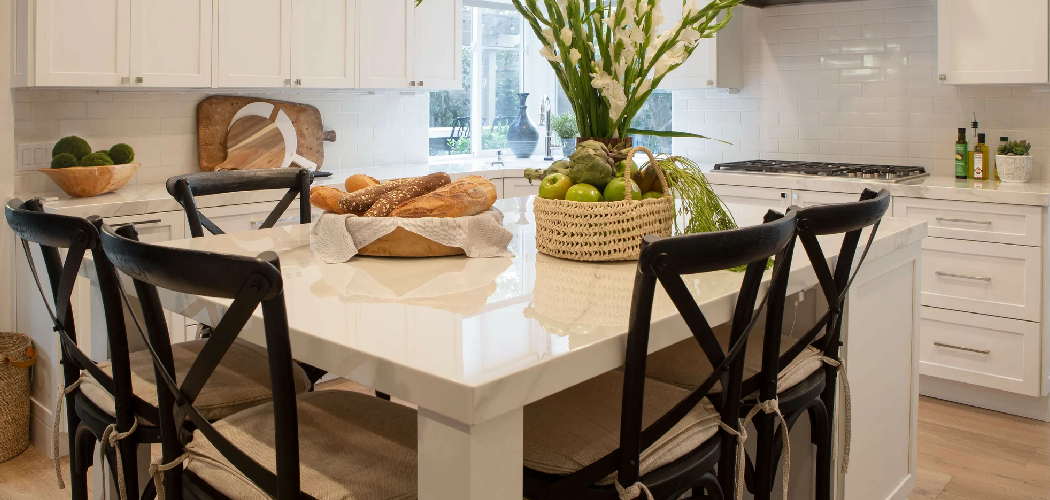
Your kitchen table does more than hold plates and coffee cups. It becomes the place where your family eats breakfast, talks through school days, pays bills, finishes homework, and gathers for holidays. That is why learning how to choose the right kitchen table for your family matters more than many first-time buyers expect.
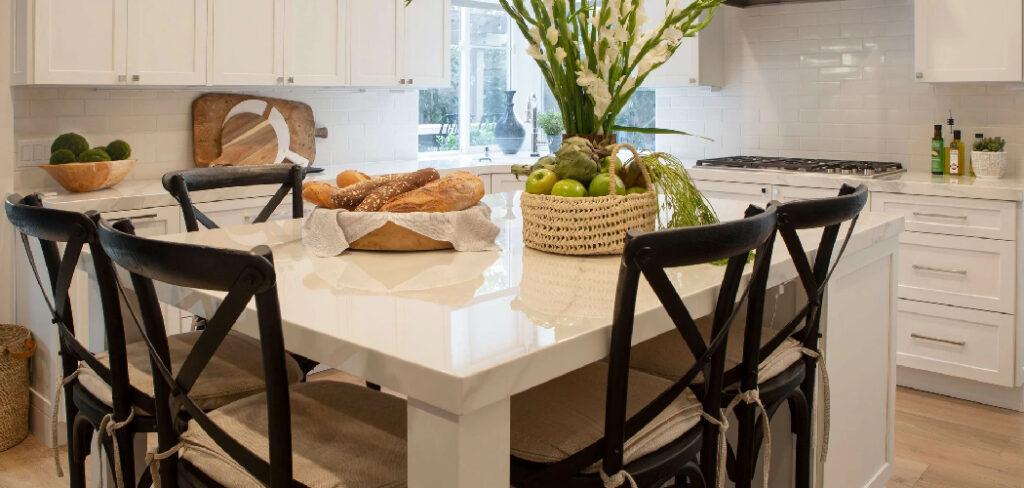
The best table should fit your room, match your daily routine, handle wear and tear, and feel comfortable to use every day. A beautiful table that is too big, too delicate, or too hard to clean will quickly become a problem. This guide will help you compare size, shape, material, seating, and style so you can buy with confidence.
Why Choosing the Right Table Matters
A kitchen table is one of the hardest-working pieces of furniture in your home. Unlike a decorative console or spare-room chair, it gets used every day. It needs to support meals, conversations, crafts, spills, and all the small moments that make a house feel lived in.
Choosing the right table can improve how your kitchen functions. The right size makes movement easier. The right shape helps people talk and connect. The right material saves you time on cleaning and maintenance. It can also help your room feel more balanced and inviting.
When you pick well, you get more than a place to sit. You create a practical gathering spot that works for your space now and still makes sense as your family grows or routines change.
Tools and Materials You’ll Need
Before you shop, gather a few simple items so you can measure your space and compare options with less stress:
- A tape measure for the room, table area, and chair clearance
- A notepad or notes app to record dimensions
- A phone camera to take pictures of your kitchen or dining area
- A floor plan, rough sketch, or simple room measurements
- A list of how many people eat there each day and during gatherings
- Paint, flooring, or cabinet color notes for style matching
- Your target budget, including chairs or benches if needed
- Optional: painter’s tape to mark table dimensions on the floor
These tools make shopping easier because you can judge fit, scale, and traffic flow before you buy.
Step-by-Step Guide on How to Choose the Right Kitchen Table for Your Family
Step 1 – Measure Your Space First
Start with the room, not the table. Measure the length and width of the area where the table will sit. Then subtract enough space on all sides so people can pull out chairs and walk around comfortably. In most homes, leaving about 36 inches around the table works well, though larger walkways feel better in busy kitchens.
Use painter’s tape or spare boxes to outline possible table sizes on the floor. This helps you see how the table will affect movement near cabinets, islands, doors, and appliances. A table can look compact in a showroom and feel huge at home.
Good measurements protect you from the most common buying mistake: choosing a table that fits on paper but makes the room feel cramped in real life.
Step 2 – Think About How Your Family Uses the Table
Before comparing finishes and leg styles, think about daily life. Do you eat quick weekday meals here, or does the table serve as the main gathering spot for long dinners? Do kids do homework at the table? Will you use it for crafts, laptop work, or baking prep?
This is where many people begin to understand how to choose the right kitchen table for your family in a practical way. A household with young kids may need a sturdy, easy-clean surface. A couple who hosts often may care more about flexible seating. A small family in a compact apartment may need a drop-leaf or extendable design.
When you match the table to real habits, you buy furniture that supports your routine instead of forcing you to work around it.
Step 3 – Choose the Best Shape for the Room
Table shape affects both style and function. Rectangular tables are the most common because they fit many room layouts and usually seat the most people. They work especially well in narrow kitchens or long eat-in spaces. Round tables create a softer look and make conversation easier since everyone faces one another.
Square tables can work nicely in square rooms and for smaller families, while oval tables offer some of the benefits of both rectangular and round designs. They often feel less bulky because of their curved edges.
As you compare shapes, think about traffic flow. Sharp corners in tight spaces can be annoying. A round pedestal table may open up movement in a small breakfast area, while a rectangular trestle table may anchor a larger room better.
Step 4 – Pick the Right Size and Seating Capacity
Once you know your space and preferred shape, match the table to the number of people who will use it. For daily meals, each person should have enough elbow room to eat comfortably. Crowding may save space on paper, but it makes real meals feel rushed and awkward.
Standard table heights are usually around 30 inches, which works with most dining chairs. Width matters too. A table that is too narrow can feel tight when serving dishes are placed in the center, while one that is too wide may make conversation less natural.
If your household size changes often, consider expansion leaves. They let you keep a smaller footprint most of the time but add seating for guests. Flexibility matters when learning how to choose the right kitchen table for your family because everyday comfort and occasional hosting do not always need the same setup.
Step 5 – Compare Materials for Durability and Care
The material affects how the table looks, feels, ages, and cleans up after a busy week. Solid wood is popular because it feels warm, timeless, and sturdy. It can last for years, and minor scratches often add character. Still, some wood finishes need regular care and can show dents or water rings.
Veneer tables can cost less and still look attractive, but quality varies. Laminate is practical for families who want low maintenance and easy cleanup. Glass can make a small room feel open, though it shows fingerprints and crumbs quickly. Stone or faux stone tops look elegant but may feel heavy, cold, or harder on dishes.

Think honestly about your lifestyle. If your table will see spills, markers, and hot plates, choose a surface you will not worry about every day.
Step 6 – Make Sure Chairs and Leg Design Work Together
A table is only as comfortable as the seating around it. Check chair height, seat width, and how easily chairs slide under the tabletop. If the table apron hangs low or the legs sit at awkward angles, people may bump their knees or struggle to fit comfortably.
Pedestal bases are useful because they remove corner legs and allow more flexible seating. Four-leg designs are classic and stable, but leg placement matters. Trestle bases can offer a nice balance of support and open seating, especially for longer tables.
Also think about who is sitting there. Young children, older adults, and frequent guests all benefit from chairs that are easy to move and comfortable to use. Test the full setup if possible. A table may look perfect online, but comfort is what makes people want to stay.
Step 7 – Match the Table to Your Kitchen Style
Your table should feel like it belongs in the room. That does not mean every wood tone and finish must match exactly. In fact, a little contrast often looks better. What matters is that the table works with your cabinets, flooring, lighting, and overall mood.
If your kitchen feels bright and casual, a light wood or painted finish may fit naturally. If your space has darker cabinets or a more traditional look, richer wood tones or classic lines may feel more grounded. In modern kitchens, clean edges and simple silhouettes often work best.
Look at the visual weight of the table too. Thick legs and a chunky top can overpower a small room, while a slim design may disappear in a large one. Aim for balance, not perfect matching.
Step 8 – Set a Budget and Shop with a Long-Term View
Price matters, but value matters more. A cheap table that wobbles, stains easily, or feels too small can cost more in frustration than a slightly higher-quality piece that lasts for years. Set a total budget before shopping, and include chairs, delivery, assembly, and any protection plan if needed.
Read product dimensions closely and look for real customer photos when shopping online. Pay attention to return policies, especially for large furniture. In-store shopping helps you judge finish, scale, and stability, but online stores often offer more variety.
As you weigh your options, focus on long-term fit. A table that suits your home now and still works as your needs change is usually the smartest purchase. That is the heart of how to choose the right kitchen table for your family without second-guessing every detail later.
Common Mistakes
One common mistake is buying based on looks alone. A table may have a beautiful finish or trendy design, but if it crowds your kitchen or feels awkward with your chairs, it will frustrate you every day. Style should support function, not replace it.
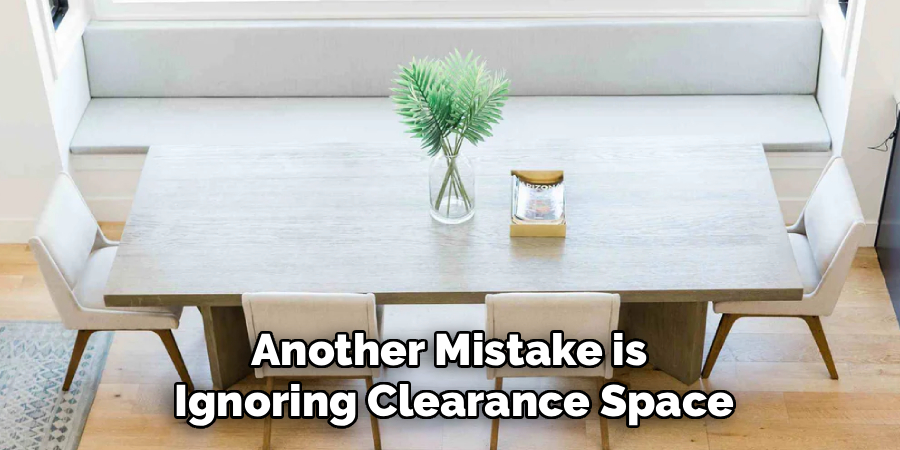
Another mistake is ignoring clearance space. Many buyers measure the tabletop area but forget to account for pulled-out chairs and walking room. The result is a tight layout that makes meals feel less relaxed and everyday movement harder.
Some people also choose the wrong material for their lifestyle. Delicate finishes, porous surfaces, or hard-to-maintain tops can become stressful in homes with kids, frequent guests, or heavy daily use. It is better to choose a surface that fits real life than one that demands constant caution.
A fourth mistake is forgetting about seating comfort. People often focus on table dimensions and overlook leg placement, apron depth, or chair height. Even a well-sized table can feel uncomfortable if knees hit the underside or chairs do not fit well.
Finally, many shoppers think only about today. If you host family dinners, expect kids to grow, or may move the table to another room later, flexibility matters. A smart purchase balances present needs with future use.
Expert Tips
If you want your table to work hard and still look good years from now, prioritize function before finish. Start with size, shape, and durability, then narrow your style options. This keeps you from falling in love with a table that simply does not suit your room.
Try to see samples in person when possible. Photos can hide true wood tone, texture, and scale. If you shop online, compare dimensions to painter’s tape markings on your floor so the table feels real before you buy.
Extension tables are often worth the extra cost if you host even a few times a year. For busy households, matte or lightly textured finishes usually hide fingerprints and small scratches better than glossy tops. And if your space is tight, benches can save room because they tuck in neatly when not in use.
Frequently Asked Questions
How much space should I leave around a kitchen table?
A good rule is to leave about 36 inches between the table edge and nearby walls or cabinets. This gives people enough room to pull out chairs and move around comfortably. If your kitchen has heavy foot traffic, a little more space can make the room feel much easier to use.
What table shape is best for a small kitchen?
Round tables often work well in small kitchens because they improve flow and remove sharp corners. They can make a tight space feel less boxed in. A small square table may also work in a square room, while a drop-leaf design gives you flexibility when you need extra floor space.
Is wood or laminate better for family use?
It depends on your priorities. Solid wood offers warmth, strength, and a classic look that can last a long time, but it may need more care. Laminate is easier to clean and often handles daily wear well, which makes it a practical choice for homes with kids, spills, and frequent use.
Should I buy an extendable kitchen table?
An extendable table is a smart option if your household size changes or you host guests regularly. It lets you keep a smaller table for daily use and create more seating when needed. This can be especially useful in homes where space is limited but occasional entertaining still matters.
How do I know if a table will match my kitchen?
Focus on coordination rather than exact matching. Look at the room’s colors, finishes, lines, and overall mood. A table should feel connected to the space, even if the wood tone is different from the cabinets. Balance in scale, shape, and style usually matters more than a perfect color match.
Conclusion
Choosing a kitchen table can feel simple at first, but the best decision comes from looking at your space, habits, seating needs, and long-term plans together. When you measure carefully, think about daily use, compare materials honestly, and test comfort, you are much more likely to find a table that truly fits your home.
Remember that this piece of furniture will do a lot of work. It may hold family dinners, science projects, grocery bags, birthday cakes, and quiet morning coffee. That is why the right choice should feel practical as well as beautiful.
If you have been unsure about how to choose the right kitchen table for your family, start with function and let style follow. A well-chosen table can improve traffic flow, make meals more comfortable, and give your family a dependable place to gather every day. Take your measurements, trust your routine, and choose the table that makes your home work better for real life.

About
Nick Hall has spent the last seven years working at the intersection of kitchen design and home repair — first as a design assistant at a residential renovation studio, then as a freelance writer covering everything from cabinet layouts to leaky faucet fixes.
Her approach is simple: kitchens should look good and function well. That means she’s just as comfortable talking about color palettes and counter materials as she is walking readers through how to fix a wobbly cabinet hinge or troubleshoot a garbage disposal.
Nick has worked directly with homeowners on small-space kitchen makeovers, budget-conscious renovations, and the kind of everyday repairs that don’t need a contractor — just the right instructions. She writes from experience, not theory, and tests most of the fixes and tips she shares before publishing them.
When she’s not writing, Nick is usually hunting for mid-century kitchen finds at estate sales or helping friends plan their own renovations. She lives in Columbus, Ohio.