
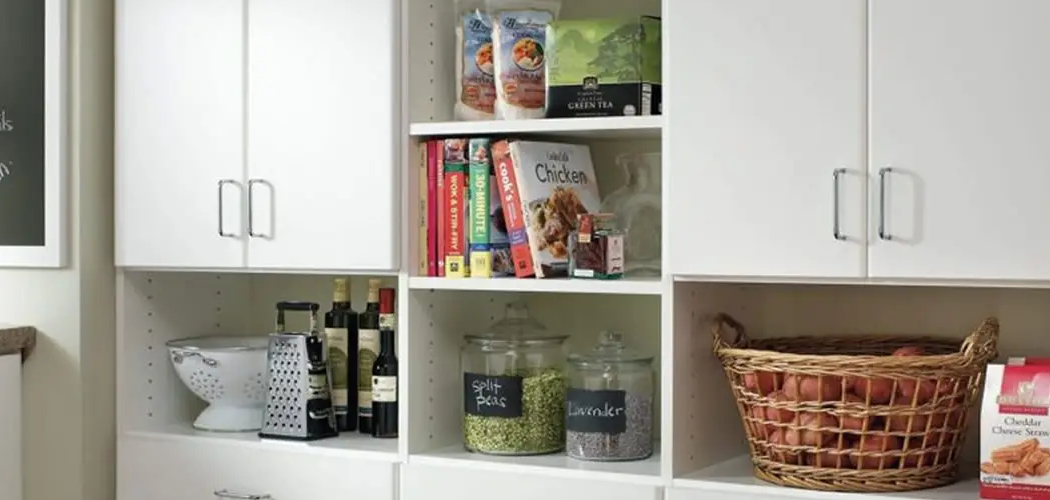
Cookbooks do more than hold recipes. They add color, texture, and personality to your kitchen while keeping meal ideas close at hand. If you have been stacking them on a counter or hiding them in a cabinet, you may be missing a chance to make your space feel more useful and more inviting. Learning how to display cookbooks in kitchen settings can help you balance style with function, even if you have a small space or only a few books.

The good news is that you do not need a designer kitchen or expensive shelves to make cookbooks look at home. With a few simple choices, you can create a display that feels neat, practical, and personal. This guide will show you how to arrange cookbooks in a way that looks good and works well every day.
Why Displaying Cookbooks in the Kitchen Matters
Displaying cookbooks in your kitchen makes the room feel more lived in and more useful. Instead of treating your books like storage, you turn them into part of the space. That can make cooking feel easier because your favorite recipes stay visible and within reach. It also helps you use the books you already own instead of letting them gather dust on a hidden shelf.
A well-placed cookbook display also adds warmth. The spines, covers, and worn pages bring in color and texture that can soften hard surfaces like stone counters, tile backsplashes, and metal appliances. For beginners, this is one of the simplest ways to decorate without buying extra décor. When you combine easy access with visual charm, your kitchen starts to feel more thoughtful, organized, and personal.
Tools and Materials You’ll Need
Before you start, gather a few simple items so the process feels easy and organized. You do not need all of them, but having a few basics nearby helps you test ideas faster and protect your books from mess and heat.
- A small stack of cookbooks you actually use or want to feature
- A clean shelf, counter corner, ledge, or cabinet space
- Bookends to keep upright books stable
- A cookbook stand or recipe holder for one featured book
- A soft cloth for wiping covers and shelves
- Measuring tape to check height, width, and depth
- A tray or riser to create a more styled display
- Non-slip pads if you are placing books on smooth counters
- Labels or baskets if you want to group books by theme
- Optional: a small battery lamp for a warm, cozy accent
Step-by-Step Guide on How to Display Cookbooks in Kitchen
Step 1 – Gather Every Cookbook in One Place
Start by collecting all your cookbooks from around the house. Pull them from cabinets, dining room shelves, pantry corners, and side tables so you can see everything at once. This makes the process feel more intentional and helps you avoid styling around books you do not even want in the kitchen.
As you stack them together, notice the variety in size, color, and condition. Some books may be thick and glossy, while others are slim, worn, and full of handwritten notes. That mix can add character, but only if it feels curated.
Wipe away dust and crumbs before you begin arranging. Clean covers and tidy pages instantly make your collection feel more polished, and they help your final display look fresh instead of forgotten.
Step 2 – Choose the Best Spot for Access and Safety
The best place for cookbooks is close enough to be useful but far enough from heat, steam, and splashes. Look for a section of countertop away from the stove, an open shelf, the end of an island, or a built-in nook. You want the books to feel easy to grab without putting them at risk.

Think about your daily cooking habits. If you often flip through recipes while prepping dinner, keep the display near a work zone. If you mostly want a decorative touch, a higher shelf may work better.
When planning how to display cookbooks in kitchen spaces, safety matters as much as style. Books can warp, stain, or fade if they sit too close to the sink, oven, or direct sunlight for long periods.
Step 3 – Edit the Collection Before You Style It
Not every cookbook needs to stay on display. Choose the books that are useful, beautiful, or meaningful to you. A few favorite titles with strong colors or lovely covers often create a better effect than a crowded row of books you never open.
Set aside books with damaged bindings, outdated inserts, or pages that are falling out if they make the display feel messy. You can still keep them elsewhere if they are sentimental or hold family recipes. The goal is not to get rid of your books. It is to give the visible group a clear purpose.
Try sorting by how often you use them, by cuisine, or by season. That makes it easier to decide which books deserve the best spot and which ones can move to backup storage.
Step 4 – Decide Between Upright, Stacked, or Mixed Arrangements
Now choose the basic shape of your display. Upright books work well on shelves and make titles easy to read. Horizontal stacks feel relaxed and can help fill a short, wide area like a counter corner or open cubby. A mixed arrangement often gives the best balance because it combines structure with softness.
Stand a few books upright with bookends, then add a small horizontal stack beside them. You can place one special cookbook on top with the cover facing out. This adds a focal point and breaks up a long row of similar spines.
Pay attention to the visual weight. Large books can feel heavy, while smaller books may disappear. Mixing heights and directions helps the display feel layered, natural, and easy on the eye.
Step 5 – Use Supporting Pieces to Frame the Books
Cookbooks look better when they are anchored by simple supporting items. A pair of bookends, a small tray, a wood riser, or a sturdy cookbook stand can make the whole setup feel finished. These pieces also help control movement, especially on smooth counters or shallow shelves.
Think of the display as a small scene rather than a pile of books. A ceramic bowl, a tiny plant, or a salt cellar nearby can add warmth without stealing attention. Choose items that make sense in a kitchen and do not crowd the books.
If you are learning how to display cookbooks in kitchen areas with limited space, support pieces should be minimal and practical. Use just enough to add shape and stability while keeping the books easy to reach.
Step 6 – Group by Color, Size, or Use
Grouping gives your display order. You can arrange books by height for a clean, even line, by color for a more styled look, or by theme so your baking, pasta, and everyday dinner books stay easy to find. The right method depends on whether you care more about design or function.
For beginners, grouping by use is often the easiest. Put your most-used books in the front or at arm level, and place occasional books a bit farther back. If you want a more decorative look, try keeping warm tones together or balancing dark covers with lighter ones.
Small changes can make a big difference. When books relate to each other in some clear way, the display looks calmer and your kitchen feels less cluttered.
Step 7 – Add One Featured Cookbook for Personality
A single featured cookbook can turn a simple arrangement into a focal point. Place one book on a stand with the cover facing out, or open it to a favorite recipe if you are using it that week. This creates a lived-in feeling and gives the display a sense of purpose.
Choose a book with a cover you enjoy seeing. Maybe it has rich food photography, a linen spine, or colors that match your kitchen. That one visible face can add more charm than a dozen tightly packed spines.
Keep the featured book easy to switch out. Rotating it with the seasons or with your current cooking interests helps the display feel fresh without requiring a full restyle every time you want a change.

Step 8 – Step Back and Adjust for Balance
Once everything is in place, step back and look at the display from across the room. Notice whether one side feels too heavy or too busy. A neat arrangement up close can still look awkward from a distance if the heights are uneven or the colors all gather in one spot.
Make small adjustments instead of big ones. Shift one stack, remove one book, or turn one cover outward. These tiny changes often solve the problem faster than rebuilding the whole area. Listen to how the space feels as much as how it looks.
Your goal is a display that feels calm and useful. If it looks crowded, edit it. If it looks flat, add one layer or one featured piece. Simple balance usually wins.
Common Mistakes When Displaying Cookbooks in the Kitchen
One common mistake is putting too many cookbooks in one area. It is easy to think a full shelf looks rich and cozy, but in a kitchen, too much visual weight can make counters and shelves feel cramped. A crowded display also makes it harder to grab the book you need when you are cooking.
Another mistake is choosing a spot that looks nice but does not work in real life. Books placed too close to the stove can pick up grease. Books near the sink can curl from moisture or get stained by water. Even a beautiful arrangement will become frustrating if it is hard to maintain.
Many beginners also forget to vary the layout. A long row of books with no change in height, direction, or spacing can look stiff and flat. On the other hand, too many stacked books mixed with décor can feel random and messy. The key is to create some structure while still allowing a relaxed look.
A final mistake is treating the display as decoration only. If your favorite cookbooks are buried behind less useful ones, the setup may look nice but fail in daily life. The best displays support how you cook, clean, and move through the kitchen.
Expert Tips
If you want your cookbook display to look more polished, start with fewer books than you think you need. Space is what helps the collection feel styled instead of stored. Leave a little breathing room around stacks and upright rows so each book has presence.
Use texture to your advantage. Cookbooks pair well with wood, stone, ceramic, and metal, so try placing them near cutting boards, bowls, or a small brass stand. These materials help the display blend into the kitchen rather than looking dropped in from another room.
Rotate books throughout the year. Lighter baking titles may feel right in spring, grilling books in summer, and comfort-food collections in colder months. This keeps the display useful and gives your kitchen a subtle sense of change without a major redesign.
Frequently Asked Questions
Where should I put cookbooks in a small kitchen?
In a small kitchen, use areas that work hard without eating up prep space. A narrow shelf, an unused corner of the counter, the end of an island, or a wall-mounted ledge can all work well. Keep the books away from steam and splashes, and choose a spot where you can reach your favorites without moving other items first.
Is it better to stack cookbooks or stand them upright?
Both can work well. Upright books make titles easier to read and are great for shelves. Stacked books can feel softer and fit better in short spaces. A mix of the two often looks best because it adds visual variety while keeping the collection stable and easy to use.
How do I protect cookbooks from grease and moisture?
Place them away from the stove, sink, toaster, and coffee maker when possible. Wipe covers now and then with a dry or lightly damp cloth, and avoid tight spots where steam collects. If you use one book often while cooking, a cookbook stand can help keep it open and off messy counters.
Can cookbooks be part of kitchen décor?
Yes, cookbooks can be a strong part of kitchen décor because they add color, personality, and a lived-in feel. Beautiful covers, textured spines, and meaningful titles can warm up shelves and counters. The trick is to style them with purpose so they look intentional and still stay easy to use.
How many cookbooks should I keep on display?
There is no perfect number, but most kitchens look better with a small, edited selection. Keep the books you use often or enjoy seeing, and store the rest elsewhere. A few well-placed books usually have more impact than a large collection packed tightly into one visible area.
Conclusion
A good cookbook display should feel both useful and inviting. When you gather your books, choose a smart location, edit the collection, and arrange it with care, you turn everyday recipe books into part of your kitchen’s style. You do not need a large space or custom shelving to make this work. A simple counter corner, open shelf, or cookbook stand can be enough.
The key is balance. Keep your favorite titles close, protect them from heat and moisture, and give them enough room to breathe. Mix upright books with stacks, add one featured title, and use a few supportive pieces to create structure. That approach keeps the display practical while adding warmth and character to the room.
Once you understand how to display cookbooks in kitchen spaces, you can make your kitchen feel more personal, more organized, and easier to use. Start small, trust your eye, and build a setup that fits the way you cook every day.

About
Nick Hall has spent the last seven years working at the intersection of kitchen design and home repair — first as a design assistant at a residential renovation studio, then as a freelance writer covering everything from cabinet layouts to leaky faucet fixes.
Her approach is simple: kitchens should look good and function well. That means she’s just as comfortable talking about color palettes and counter materials as she is walking readers through how to fix a wobbly cabinet hinge or troubleshoot a garbage disposal.
Nick has worked directly with homeowners on small-space kitchen makeovers, budget-conscious renovations, and the kind of everyday repairs that don’t need a contractor — just the right instructions. She writes from experience, not theory, and tests most of the fixes and tips she shares before publishing them.
When she’s not writing, Nick is usually hunting for mid-century kitchen finds at estate sales or helping friends plan their own renovations. She lives in Columbus, Ohio.