
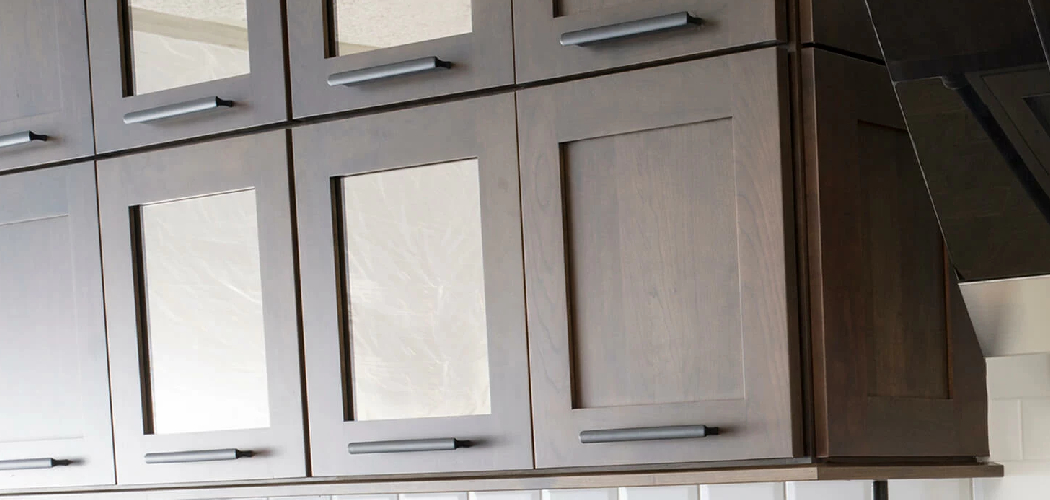
Upper glass kitchen cabinets can make a kitchen feel lighter, brighter, and more personal. They break up solid walls of cabinetry and give you a place to show off dishes, glassware, and a few well-chosen decorative pieces. Still, many beginners feel stuck when it comes to arranging them. If shelves look cluttered, empty, or uneven, the whole room can feel off balance.

Learning how to style upper glass kitchen cabinets helps you create a space that feels clean, useful, and welcoming without turning storage into a mess. This guide will show you how to arrange your cabinets with confidence, using simple design ideas that are easy to apply in any kitchen.
Why Styling Upper Glass Kitchen Cabinets Helps with Home Organization
Styling upper glass kitchen cabinets is not just about looks. It also improves how your kitchen works every day. When you give each shelf a clear purpose, you make it easier to find what you need and keep clutter under control. A neat cabinet display can turn everyday items like plates, bowls, and mugs into part of the room’s design.
This approach also helps you edit what you own. Instead of cramming shelves full, you choose pieces that are both useful and attractive. That creates visual calm, which matters in a busy kitchen. Good cabinet styling supports better home organization because it encourages simple groupings, easy access, and less overcrowding. In a small kitchen, that balance can make the room feel much more open.
Tools and Materials You’ll Need
Before you begin, gather a few basic items so the process feels smooth and organized:
- Microfiber cloths for wiping shelves, glass, and dishes
- Gentle all-purpose cleaner that is safe for cabinet interiors
- Step stool to help you reach upper shelves safely
- Measuring tape for checking shelf height and spacing
- A small tray or shallow basket for grouping loose items
- Everyday dishes, glassware, or serving pieces you want to display
- Decorative accents such as small bowls, vases, or ceramic pieces
- Shelf liner if you want extra grip or a cleaner base surface
- Notepad or phone camera to test layouts before final placement
- Optional: battery-powered cabinet lights for added warmth and visibility
Step-by-Step Guide on How to Style Upper Glass Kitchen Cabinets
Step 1 – Empty the Cabinets and Start Fresh
Begin by taking everything out of your upper glass cabinets. Set your items on the counter or kitchen table where you can see them all at once. This gives you a clear view of what you actually own and helps you spot duplicates, chipped dishes, or pieces that do not belong in a visible display.
Once the shelves are empty, wipe down the inside surfaces and clean the glass. Dust, smudges, and sticky spots stand out fast behind glass doors, especially when sunlight hits them. A clean cabinet instantly looks more polished and gives you a better base for styling.
This first step also resets your thinking. Instead of trying to fix a crowded cabinet, you are building a fresh arrangement with intention.
Step 2 – Choose a Clear Style Direction
Before you place a single plate back on the shelf, decide what overall look you want. Your cabinets should match the feel of your kitchen, whether that is modern, farmhouse, classic, coastal, or minimal. Pick a style direction so the arrangement feels cohesive instead of random.
Look at the colors, finishes, and textures already in your space. Warm wood tones pair well with creamy ceramics and woven textures. A sleek kitchen with metal fixtures often looks best with clean white dishes, simple glassware, and a few sculptural accents.

If you are unsure how to style upper glass kitchen cabinets, start with what you use most often and build around it. Simple, everyday pieces usually create the most natural and timeless display.
Step 3 – Edit Your Items with a Critical Eye
Not everything belongs behind glass. Choose items that look good, fit the cabinet size, and support your daily routine. Plates with matching edges, stacked bowls, clear drinking glasses, and serving pieces with shape and texture often work well. Try to keep the collection focused rather than overly mixed.
As you sort, ask yourself if each item is beautiful, useful, or both. If the answer is no, store it elsewhere. A crowded shelf can make even nice dishes look messy. Giving objects breathing room helps each piece stand out.
Pay attention to color too. Cabinets tend to look calmer when you repeat a few tones across the shelves. White, clear glass, soft stone, and natural wood create an easy palette that feels fresh and balanced.
Step 4 – Build a Functional Foundation First
Start styling with the largest and most practical items. Put stacks of plates, bowls, or everyday glasses on the shelves where they make the most sense for daily use. Heavy pieces should sit lower for safety and comfort, while lighter accents can go higher.
Think in zones. One shelf might hold dinner plates and salad plates, while another shelf holds glassware and mugs. When your display has a function, it is easier to maintain. You are not just decorating a cabinet. You are organizing a working part of your kitchen.
Leave some open space around each group. That small gap gives the eye a place to rest and keeps the shelves from feeling stuffed. Behind glass, negative space is just as important as the objects themselves.
Step 5 – Layer Heights, Shapes, and Textures
Once your practical pieces are in place, add variety so the display feels lively. Stack bowls beside taller pitchers, place a small vase near short glasses, or lean a platter behind a row of plates. These shifts in height and shape make the shelves feel styled rather than flat.
Texture matters too. Smooth glass, matte ceramic, woven trays, and glazed stoneware can work together beautifully. The contrast catches light in subtle ways and keeps all-white cabinets from feeling plain. When sunlight moves across the glass doors, these details create depth and warmth.
This is where styling begins to feel personal. You are shaping a display that looks collected and lived in, not stiff or overdone.
Step 6 – Use Repetition to Create Calm
A good cabinet display often relies on repetition. Matching mugs lined up in a row, two stacks of similar plates, or repeated clear glasses can make the shelves feel tidy and intentional. Repetition gives the eye a pattern to follow, which creates a sense of order.
You do not need every item to match perfectly. A few repeated colors, materials, or forms are enough. For example, white dishes on each shelf can tie the whole cabinet together, even if you mix in different serving pieces or a small ceramic bowl.
When people struggle with how to style upper glass kitchen cabinets, they often add too many unrelated items. Repeating a few key elements is one of the easiest ways to make the display feel calm and cohesive.
Step 7 – Add Small Decorative Accents with Restraint
Decorative objects can soften the look of a cabinet and add personality, but less is better here. A small vase, a lidded jar, a wooden bead strand, or a single cookbook laid flat can work well if it fits your kitchen style. The goal is to support the display, not compete with it.
Choose accents that feel natural in a kitchen. A tiny bowl, a ceramic pitcher, or a textured basket tray tends to look more at home than purely ornamental objects. Keep the scale small enough that useful items still take center stage.
Step back often as you place accents. Through glass doors, even one extra object can make a shelf feel busy. A light touch keeps the cabinet feeling airy.
Step 8 – Check the View Through the Glass
Close the cabinet doors and study the arrangement from a few angles. What looks balanced with the doors open can feel different once reflections and framing come into play. Glass adds shine, glare, and visual structure, so the display needs to look good as a whole.

Stand across the room and notice where your eye lands first. If one shelf feels heavy or crowded, move a few items around. Try to spread visual weight from top to bottom and side to side. Similar shapes should not all cluster in one corner.
This step helps you refine the final look. Often, a simple shift of one stack or one accent makes the entire cabinet feel more polished and intentional.
Step 9 – Maintain the Display with Simple Habits
The best-styled cabinet is one you can keep up with. Put items back in the same spots after washing them, and give the glass a quick wipe every week or two. Fingerprints, dust, and water spots show up fast, especially on sunny days.
It also helps to edit seasonally. If shelves start to feel crowded, remove a few pieces and return to your core arrangement. You can swap in a holiday platter or a soft seasonal color, but keep the foundation steady.
A well-styled cabinet should support your routine, not create stress. When the system is simple, your kitchen stays beautiful with very little effort.
Common Mistakes
One common mistake is overfilling the shelves. Because glass cabinets put everything on display, too many items can make the whole kitchen feel cramped. Even beautiful dishes lose their impact when they are packed too tightly together. Leave space between objects so each piece can breathe.
Another mistake is mixing too many colors, styles, or materials at once. A cabinet filled with bright mugs, formal china, random souvenirs, and heavy serving bowls can feel chaotic. A stronger approach is to choose a limited palette and repeat a few shapes or finishes throughout the display.
Many beginners also forget about function. If your most-used dishes are hard to reach or hidden behind decorative pieces, the cabinet will become frustrating fast. Styling should never make your kitchen less practical. Start with what you actually use, then build beauty around it.
Poor scale is another issue. Tiny accents can disappear on deep shelves, while large platters may dominate the entire cabinet. Match the size of your items to the height and depth of each shelf for a balanced look.
Finally, people often ignore maintenance. Dusty shelves, cloudy glass, and chipped dishes can spoil an otherwise lovely arrangement. Clean surfaces and well-kept pieces make a bigger difference than expensive decor.
Expert Tips
If you want your cabinets to look designer-styled, treat them like small room scenes rather than storage boxes. Build each shelf with a mix of function, shape, and open space. That balance is what gives a display a calm, finished look.
Use odd-numbered groupings when you add decorative pieces. A trio of items often feels more natural than two or four. Keep one item slightly taller, one wider, and one simpler for a layered effect.
Lighting can also change everything. Soft cabinet lighting makes glassware sparkle and helps ceramics show their texture and glaze. If your kitchen feels dark, a small battery-powered light can add warmth without much effort. Most of all, trust simplicity. Clean lines, useful pieces, and a little breathing room almost always look best.
Frequently Asked Questions
Should I put everyday dishes in upper glass kitchen cabinets?
Yes, everyday dishes work very well in upper glass cabinets. In fact, they often look better than formal pieces because they feel natural and lived in. If your plates, bowls, and glasses are neatly stacked and easy to reach, they create a display that is both practical and attractive.
How do I keep glass cabinets from looking cluttered?
The easiest way is to limit what you display. Use only the items you truly like or use often, and leave open space around each group. Repeating similar colors or materials also helps. A simple arrangement with room to breathe always looks cleaner than a shelf packed with too many objects.
What colors look best inside glass-front cabinets?
Neutral tones are usually the easiest choice because they create a calm and timeless look. White dishes, clear glasses, soft gray ceramics, and natural wood accents work in many kitchens. You can still add color, but use it in small amounts so the cabinet feels balanced instead of busy.
Can I mix decorative items with functional kitchenware?
Yes, and that mix often creates the best result. The key is to keep decorative items small and relevant to the kitchen. A vase, ceramic bowl, or wooden tray can soften the display without taking over. Let practical items stay dominant so the cabinet remains useful and easy to maintain.
How often should I restyle my upper glass cabinets?
You do not need to restyle them often. A strong setup can last for months with only minor adjustments. Most people do best with a quick refresh every season or whenever the shelves begin to feel crowded. Regular cleaning and putting items back in place will do more than constant rearranging.
Conclusion
Styling upper glass kitchen cabinets gets much easier when you break it into clear steps. Start by cleaning and emptying the shelves, choose a simple direction, and edit your pieces with care. Then build your display with useful items first, add texture and height, and finish with a few restrained accents. When you balance beauty with function, your cabinets become part of your kitchen’s rhythm instead of a source of clutter.
The best results usually come from doing less, not more. Repeated shapes, soft color harmony, and open space can make even basic dishes look polished. You do not need a designer kitchen or expensive accessories to create a beautiful display.
Once you understand how to style upper glass kitchen cabinets, you can turn plain storage into a feature that adds light, order, and personality to your home. Start small, trust your eye, and enjoy the process as your kitchen begins to feel more settled and more like you.

About
Nick Hall has spent the last seven years working at the intersection of kitchen design and home repair — first as a design assistant at a residential renovation studio, then as a freelance writer covering everything from cabinet layouts to leaky faucet fixes.
Her approach is simple: kitchens should look good and function well. That means she’s just as comfortable talking about color palettes and counter materials as she is walking readers through how to fix a wobbly cabinet hinge or troubleshoot a garbage disposal.
Nick has worked directly with homeowners on small-space kitchen makeovers, budget-conscious renovations, and the kind of everyday repairs that don’t need a contractor — just the right instructions. She writes from experience, not theory, and tests most of the fixes and tips she shares before publishing them.
When she’s not writing, Nick is usually hunting for mid-century kitchen finds at estate sales or helping friends plan their own renovations. She lives in Columbus, Ohio.